Decentralized, Resilient, and Smart: Why Microgrids are the Cornerstone of Modern Commercial, Industrial, and Off-grid Energy Security
The global transition toward decentralized energy systems has accelerated the adoption of Solar Microgrids. No longer just a niche system for isolated communities, microgrids have evolved into a primary technological solution for commercial, industrial (C&I), and utility scale projects demanding uninterrupted power, cost mitigation, and carbon neutrality. By integrating Distributed Energy Resources (DERs)—primarily photovoltaics (PV), high-efficiency battery energy storage systems (BESS), and intelligent Energy Management Systems (EMS)—modern microgrids provide a self-sufficient energy system that can operate in both grid-tied and islanded modes.
In an era of rising global utility rates, grid instability, and aggressive ESG compliance mandates, sourcing high-efficiency components from established manufacturing hubs has become critical for Engineering, Procurement, and Construction (EPC) contractors, project developers, and distributors. Selecting the right supplier requires looking beyond basic module pricing (USD/Watt) to examine long-term parameters: Levelized Cost of Energy (LCOE), temperature coefficients, degradation curves, compatibility with high-voltage hybrid inverters, and manufacturing automation level.
Advanced EMS platforms leverage edge computing and machine learning to dynamically balance power distribution, optimizing self-consumption rates and peak shaving strategies.
Instantaneous transition from grid-connected to island mode protects critical operations from blackouts, voltage sags, and grid disruptions.
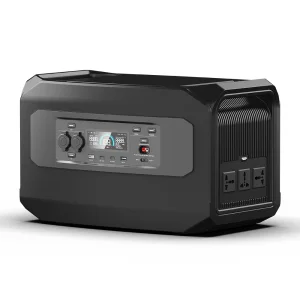
Compatible with next-generation LiFePO4 battery storage, allowing excess generation to be shifted to cover high-tariff peak demand periods.
Key Sourcing Vectors: Quality Controls, Vertical Integration, and Technical Compatibility
The solar microgrid manufacturing landscape is characterized by different tiers of manufacturers. While Tier 1 manufacturers offer massive module throughput, specialized industrial suppliers offer custom engineering, system pre-assembly, and specific off-grid configuration expertise that is vital for successful microgrid installations.
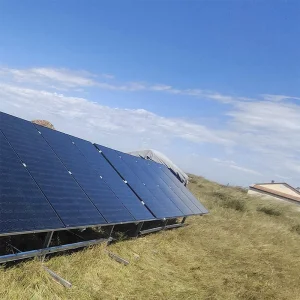
When evaluating suppliers, engineers and procurement executives must prioritize those offering robust design verification, low temperature coefficients, and high-efficiency architectures such as N-Type TOPCon and Bifacial Double-Glass Modules. High bifaciality ensures the rear side of the solar module collects reflected albedo from the ground (especially in ground-mounted microgrids), yielding up to 25% extra energy.
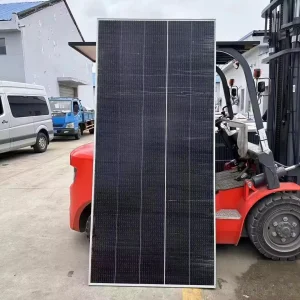
Positioned strategically in the manufacturing hub of Ningbo, China, Ningbo Halkirk Solar Co., Ltd. stands out as a highly specialized, vertically integrated solar panel manufacturer and monocrystalline module supplier. Halkirk integrates R&D, advanced manufacturing, strict quality inspection, and custom global sales networks to serve utility, industrial, and specialized microgrid applications.
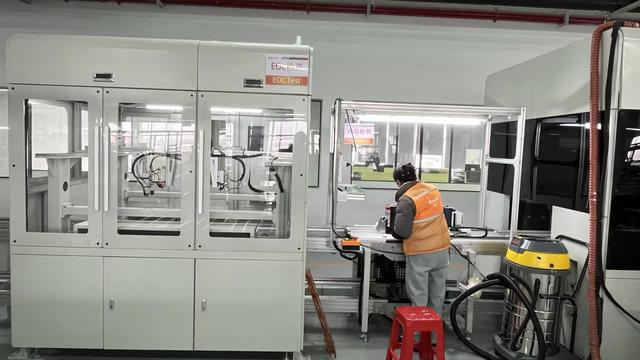
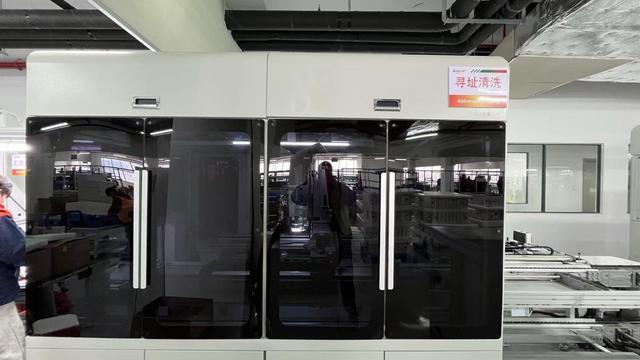
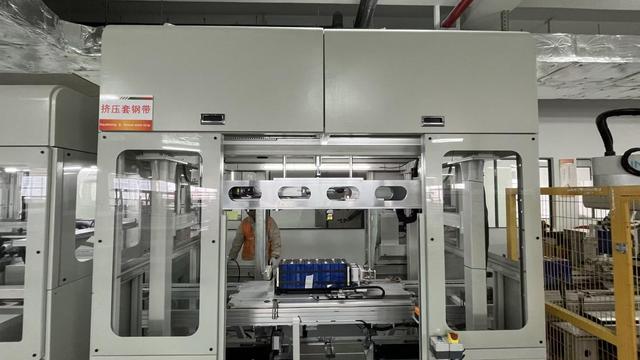
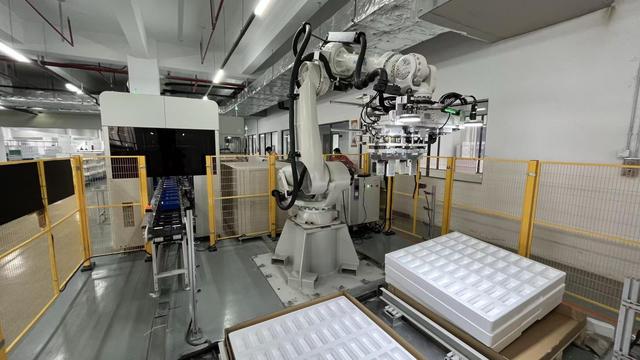
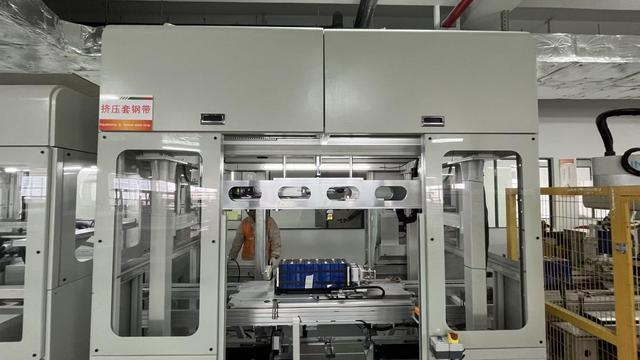
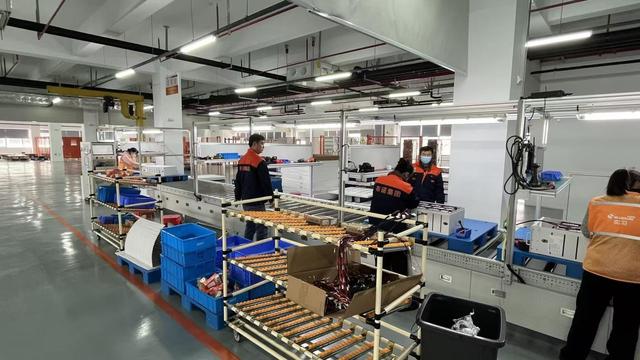
The company’s modern manufacturing facility operates high-speed automated production lines, utilizing high-precision cell stringers, advanced laminators, and EL (Electroluminescence) testing processes to guarantee defect-free modules. They specialize in high-power N-Type TOPCon modules, half-cell configurations, and bifacial double-glass structures designed for harsh environments. By offering comprehensive ODM and OEM flexibility, Halkirk Solar supports international brands, EPC contractors, and microgrid project developers with custom system design, mounting structures, inverters, and battery integration.
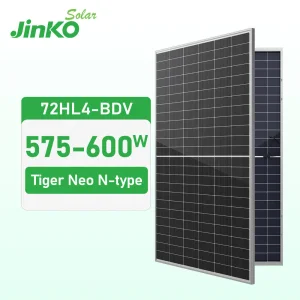
As one of the world's largest module suppliers, JinkoSolar leads in commercializing N-type Tiger Neo modules. Their industrial capability guarantees high-volume deliveries with predictable delivery schedules, a critical factor for utility-scale microgrids requiring quick scaling.
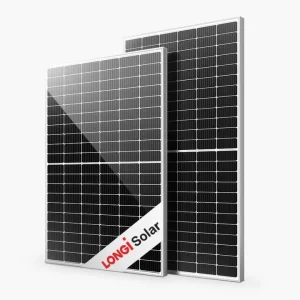
Renowned for its monocrystalline wafer leadership, Longi provides reliable modules featuring high mechanical loading capabilities and optimized temperature coefficients. Their Hi-MO series is widely used in commercial microgrids for maximum efficiency in tight footprints.
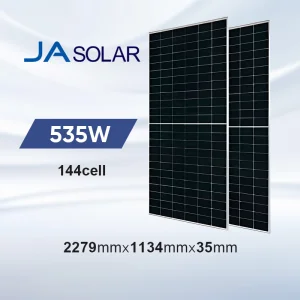
JA Solar focuses on multi-busbar (MBB) and half-cell technologies, mitigating internal power loss and hot-spot risks. Their products are highly favored by EPCs looking for proven long-term performance under high thermal stress.
Trina Solar is a major driver of the 210mm large-format wafer. Their Vertex series maximizes string power, reducing the structural balance of system (BOS) costs, which directly improves the ROI of centralized microgrid projects.
Providing a broad range of system solutions, Canadian Solar integrates battery storage systems (EPSS) alongside high-efficiency PV modules, making them a one-stop-shop supplier for complex utility-scale microgrid architectures.
Q CELLS offers premium PV modules with strict quality controls that exceed standard IEC testing. Known for their anti-LID (Light-Induced Degradation) and anti-PID (Potential-Induced Degradation) technologies, they are ideal for high-reliability projects.
Focusing heavily on high-performance Heterojunction (HJT) technology, Risen modules offer extremely low degradation rates and outstanding temperature coefficients, ensuring superior energy yields in hot climates.
Specializing in thin-film Cadmium Telluride (CdTe) technology, First Solar provides modules that excel in low-light and high-moisture conditions, commonly deployed in remote utility-scale installations.
Maxeon is known for its high-contact back-cell architecture, offering industry-leading efficiency rates and a robust 40-year warranty, serving premium residential and high-value commercial microgrids.
A Deeper Look into Advanced Manufacturing Capabilities, Quality Management, and Global Logistics Services
Ningbo Halkirk Solar Co., Ltd. is a professional China solar panel manufacturer and monocrystalline & bifacial solar module supplier, dedicated to delivering high-efficiency renewable energy solutions to customers worldwide. Located in Ningbo, China, the company integrates research and development, manufacturing, quality control, and global sales to provide reliable solar products for residential, commercial, industrial, and utility-scale applications.
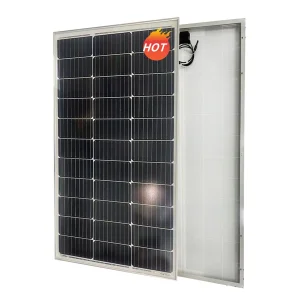
Halkirk Solar specializes in the production of monocrystalline solar panels, bifacial solar modules, TOPCon solar panels, N-type solar modules, off-grid solar solutions, on-grid solar systems, and customized photovoltaic products. Leveraging advanced cell technology and intelligent manufacturing processes, our products are designed to maximize energy output, improve conversion efficiency, and ensure long-term performance in diverse environmental conditions.
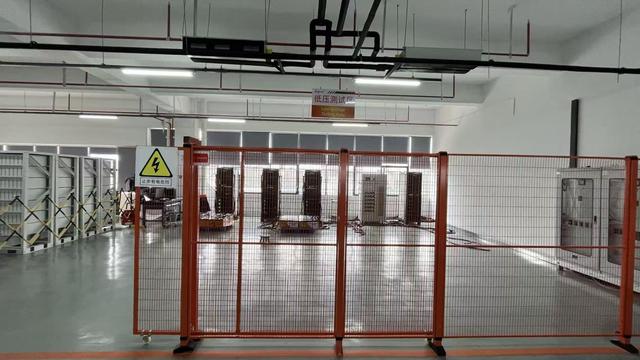
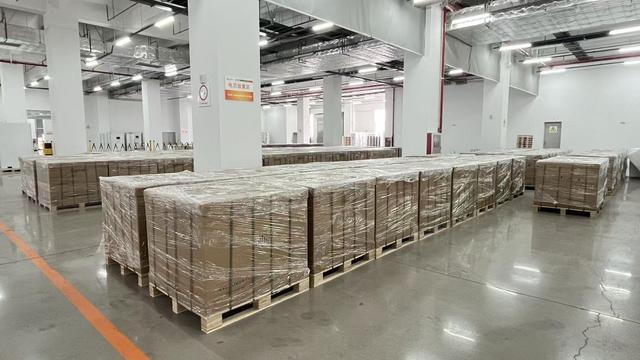
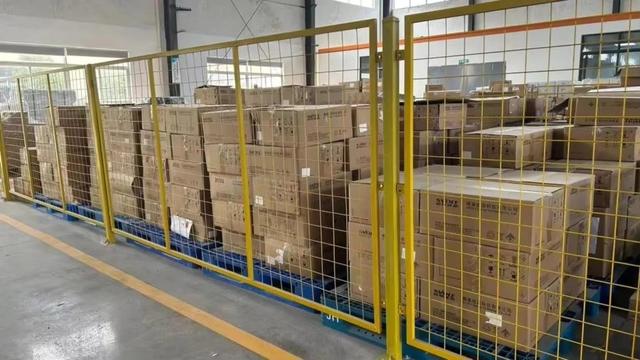
Our modern manufacturing facility is equipped with automated production lines, precision testing equipment, and strict quality management systems. Every solar module undergoes comprehensive inspections and performance testing to guarantee superior reliability, durability, and compliance with international standards. We are committed to providing products that meet the evolving demands of the global renewable energy market.
To better serve international customers, Halkirk Solar offers flexible OEM and ODM services for solar brands, distributors, EPC contractors, wholesalers, and project developers. Our experienced engineering and technical teams work closely with clients to deliver customized solar solutions tailored to specific project requirements, market demands, and branding needs.
Driven by innovation, sustainability, and customer satisfaction, Ningbo Halkirk Solar Co., Ltd. continues to expand its presence in global markets. We strive to become a trusted partner in the photovoltaic industry by providing high-quality solar modules and comprehensive clean energy solutions that contribute to a greener and more sustainable future.

Emerging Trends Shaping Microgrid Efficiencies, Grid Integration, and System Longevity
The technology landscape is shifting rapidly from conventional P-Type PERC architectures to N-Type platforms. N-type silicon modules, particularly TOPCon (Tunnel Oxide Passivated Contact) and HJT (Heterojunction Technology), offer zero Light-Induced Degradation (LID) and much lower temperatures coefficient (-0.30%/°C compared to -0.35%/°C for P-type). This results in significantly higher energy yields, especially in tropical climates where solar microgrids are frequently deployed.
As regulatory environments mature, microgrids are no longer operating in isolation. Suppliers are upgrading system controllers to support virtual power plant (VPP) API protocols. This enables regional microgrids to aggregate their distributed energy generation and offer secondary frequency control, peak power injection, or load-shedding services back to the main municipal grid, transforming a cost-saving asset into a revenue-generating power plant.
Modern microgrid topologies are transitioning from low-voltage (48V DC) systems to high-voltage (800V DC to 1500V DC) busbars. Higher voltages dramatically reduce the required copper cross-section, decrease line losses, and optimize total system efficiency. Leading factories are now developing PV modules and balance-of-system (BOS) packages specifically certified for high-voltage DC string inputs.
Mitigating Project Risks through Verified Testing and International Compliance Standards
To ensure a minimum operating lifespan of 25 to 30 years, all solar microgrid hardware must comply with rigorous international testing standards. Purchasing departments must verify that suppliers provide certificates issued by third-party testing bodies such as TÜV Rheinland, TÜV SÜD, SGS, or Intertek. Key standards include:
Ningbo Halkirk Solar Co., Ltd. ensures its entire product portfolio meets these international benchmarks. With strict ISO 9001 quality management guidelines integrated directly into their automated sorting, stringing, and lamination phases, they eliminate common module defects such as micro-cracks, soldering voids, and frame misalignment.
Answering Key Inquiries from Technical Buyers and Project Engineers
N-Type TOPCon modules offer a higher theoretical cell efficiency limit (up to 28.7%) compared to P-type PERC (around 24.5%). Practically, TOPCon provides a lower temperature coefficient (-0.30%/°C), better low-light performance, and almost zero Light-Induced Degradation (LID). This guarantees a higher long-term energy yield (kWh/kWp), reducing the Levelized Cost of Energy (LCOE) of the microgrid.
Bifacial modules absorb light from both the front and rear sides. The rear side captures reflected light (albedo) from the ground substrate. Depending on the ground albedo (e.g., concrete, sand, or white gravel), bifacial gains can range from 10% to 25% extra energy compared to traditional monofacial panels of the same nominal rating.
Yes, Halkirk Solar specializes in custom engineering (OEM/ODM). This includes double-glass structures for superior moisture-barrier protection in maritime or high-humidity regions, specialized anti-soiling glass coatings for desert microgrids, and high mechanical load structures tested to withstand up to 5400 Pa snow load and 2400 Pa wind load.
The standard industry warranty includes a 12-to-15-year materials and workmanship warranty, alongside a 25-to-30-year linear power output performance warranty. Under the linear warranty, typical annual degradation is guaranteed not to exceed 0.4% to 0.55% for N-type modules, leaving at least 85% to 89% of initial nominal power at the end of year 30.
 Halkirk Solar