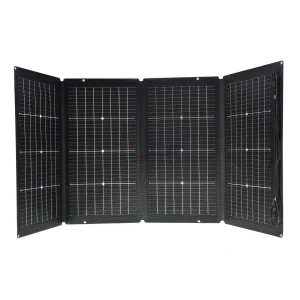
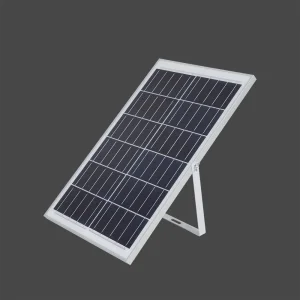
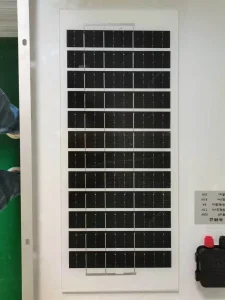
High-efficiency structural components and portable integration packages engineered to achieve energy independence.
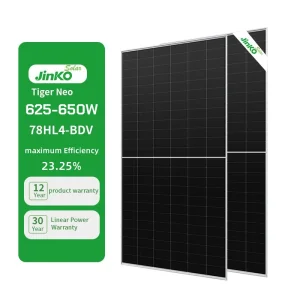
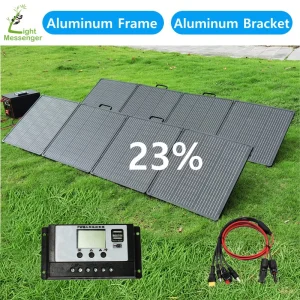
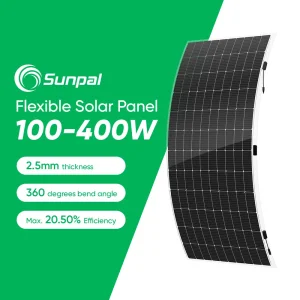
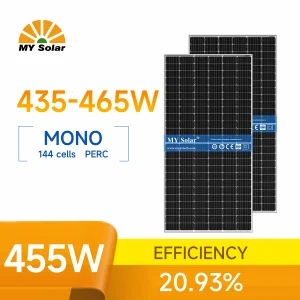
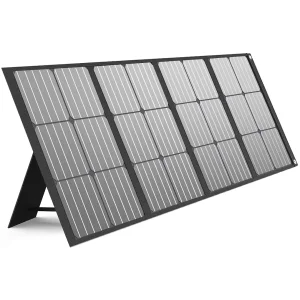
Building-Integrated Photovoltaics (BIPV) represent a paradigm shift in how we generate local clean energy. Unlike traditional retrofitted PV arrays (Building-Applied Photovoltaics, or BAPV), solar roof integration designs structural roof elements—such as tiles, shingles, and industrial standing seam profiles—to double as clean energy generation modules.
By eliminating redundant framing and structural mounting systems, modern BIPV installations optimize raw material consumption, satisfy architectural requirements for aesthetic consistency, and mitigate common roofing points-of-failure like roof penetration leakage. Selecting the appropriate solar roof integration manufacturer is a major commercial decision involving structural integrity, electrical efficiency, and regional building standard compliances.
SEO Insights & Information Gain: When choosing a supplier for integrated roofs, looking at the Levelized Cost of Energy (LCOE) is not enough. System designers must weigh structural warranties, fire classifications (e.g., Class A fire ratings), static wind loads, and thermal expansion properties against the cell degradation rate.
Global purchasing directors and engineering teams at EPC firms must evaluate BIPV integration suppliers on key performance metrics that differ drastically from standard rack-mounted utility installations:
| Technology Segment | Primary Substrate | Efficiency Range | Best Applications |
|---|---|---|---|
| Double-Glass Solar Tiles | Tempered Float Glass | 18% - 21.5% | Residential & Heritage preservation roofs, Premium facades |
| Standing Seam Steel Integration | PV on Metal Substrates (Mono/Thin-film) | 15% - 20% | Industrial Warehouses, Distribution Centers |
| Flexible ETFE/Glass-free Modules | Polymer backsheets | 16% - 19.5% | Load-restricted commercial roofs, curved structures |
Here is our curated, globally active directory of the leading engineering manufacturers delivering architectural solar solutions. These brands are evaluated by technical excellence, supply chain strength, and regional track records:
A premier professional solar panel manufacturer based in Ningbo, China. The firm distinguishes itself by offering cutting-edge TOPCon solar modules, N-type solar systems, and high-quality customized monocrystalline solutions designed specifically for integration. Their advanced production lines enable seamless OEM and ODM services with highly flexible product variations, enabling architects and project developers to tailor specifications.
Recognized globally for its consumer-facing glass tile design. Tesla's Solar Roof integrates textured and smooth glass tiles that appear completely opaque from ground level while exposing high-performance monocrystalline silicon to incoming solar radiation.
A giant in standard PV that has made substantial headway in building integration. Jinko's BIPV lines utilize N-type tunnel oxide passivated contact (TOPCon) technology, achieving superior performance coefficients and outstanding load-bearing characteristics for modern commercial structures.
With their high-efficiency N-type I-TOPCon monocrystalline silicon systems, Trina delivers industrial-grade solar roof tiles and standing seam integration packages that achieve high safety ratings and significant output capacities per square meter.
Famous for its Timberline Solar roofing system, which integrates directly with traditional asphalt shingles. GAF Energy's nail-thin solar shingle design is optimized for residential roofing crews, minimizing structural complexity during installation.
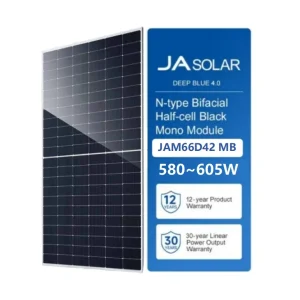
Known for the DeepBlue 4.0 Pro series, JA Solar offers robust dual-glass modules configured with heavy-duty structural margins ideal for utility-scale commercial roofs where durability and bifacial power generation are highly valued.
Maxeon's interdigitated back contact (IBC) technology delivers top-tier module efficiencies. Their frameless architectural glass panels are preferred by architects globally for high-end urban integrations requiring small space optimization.
Offering high-efficiency heterojunction (HJT) solar roof solutions, Risen focuses on extreme low-temperature coefficient performance, making their integrated panels incredibly productive in warm climates.
Provides customized standing-seam integration panels. Their engineering group excels at tailoring structural clamping profiles to fit existing metal deck architectures, offering strong mechanical warranties.
Specializes in dual-glass photovoltaic roof tiles. Bluesun's compact 30W-100W tile solutions serve residential carports and micro-generation projects where aesthetic matching and curved styling are paramount.
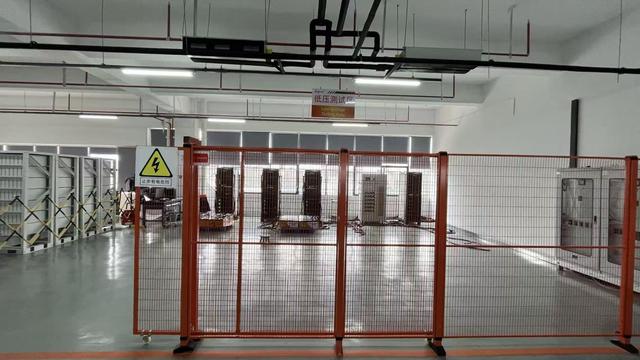
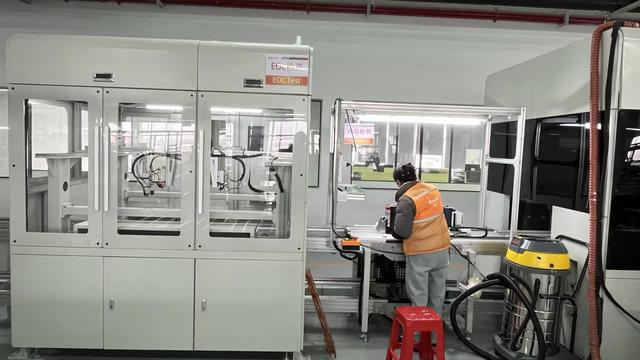
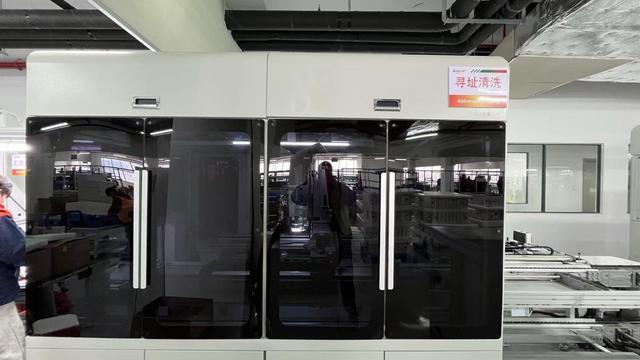
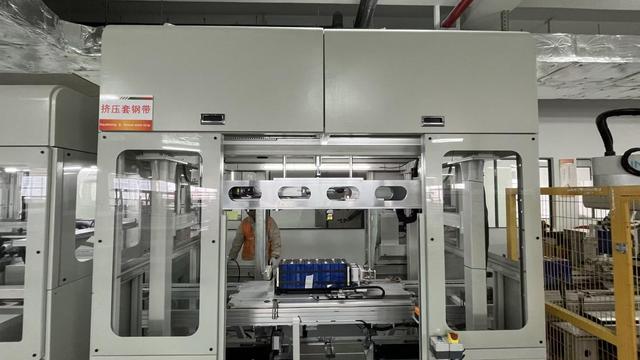
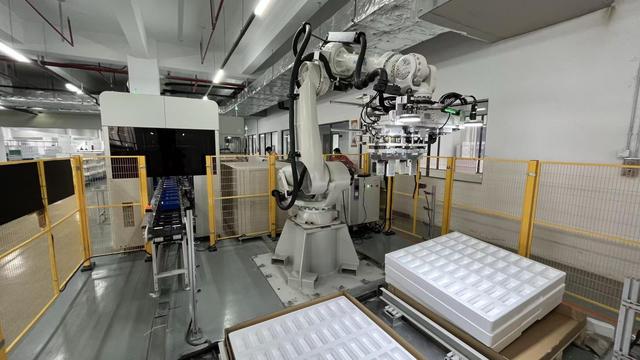
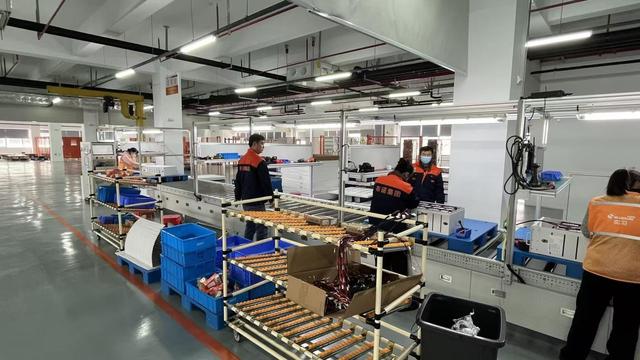
As a major manufacturing hub, Ningbo, China represents the epicenter of advanced PV supply chain resiliency. Factories like Ningbo Halkirk Solar Co., Ltd. represent the integration of Industry 4.0 automation. Equipped with high-precision stringer machines, intelligent EL (electroluminescence) testers, and computerized sorting systems, these facilities ensure that every cell and module meets stringent performance parameters.
By leveraging Ningbo's world-class port infrastructure, local manufacturers can drastically reduce transit times and shipping overhead. Furthermore, the close physical proximity to high-grade raw silicon, specialized glass processing factories, and solar framing suppliers allows companies like Halkirk Solar to offer fast lead times on large-scale OEM and ODM orders. This keeps costs down while maintaining strict adherence to Western building code mandates.
The horizon of integrated solar roofing is moving toward Perovskite-Silicon Tandem Cells, which hold a theoretical efficiency potential of over 30%. Tandem configurations layer thin-film perovskite material over standard silicon bases to absorb different spectrums of light.
Concurrently, manufacturers are refining structural glazing technologies. Improved anti-reflective coatings, self-cleaning hydrophobic surfaces, and multi-colored aesthetic glazing allow PV tiles to replicate slate, terracotta, or concrete finishes without losing more than a fraction of their power-generating performance. Smart grid micro-inverter integration at the module level is also becoming the standard, allowing isolated troubleshooting and mitigating shading loss issues across complex roof profiles.
Explore specialized commercial scale and versatile custom solar solutions for diverse applications.
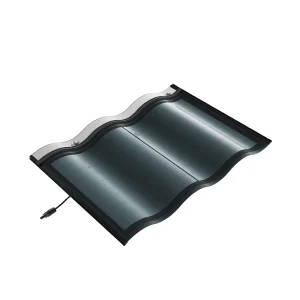
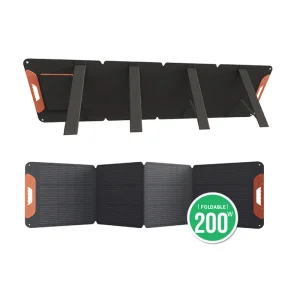
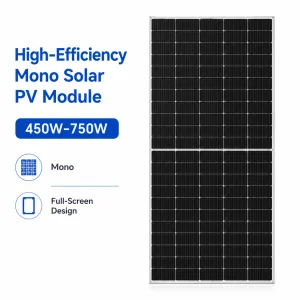
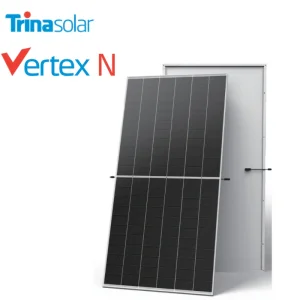
Halkirk Solar is a dedicated professional China solar panel manufacturer and monocrystalline & bifacial solar module supplier. Operating out of our advanced plant in Ningbo, China, the company bridges R&D innovation, intensive quality inspection processes, and logistics expertise. We offer reliable, structural integration solutions designed for residential, commercial, industrial, and utility-scale projects worldwide.
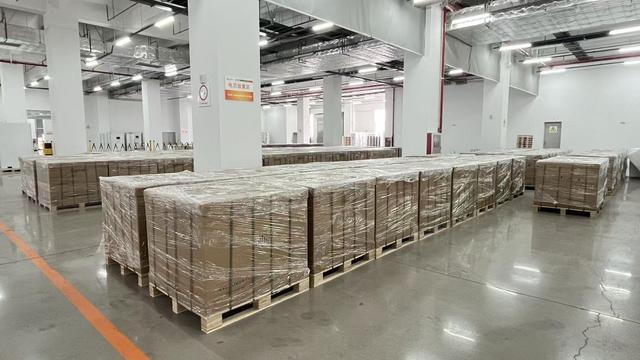
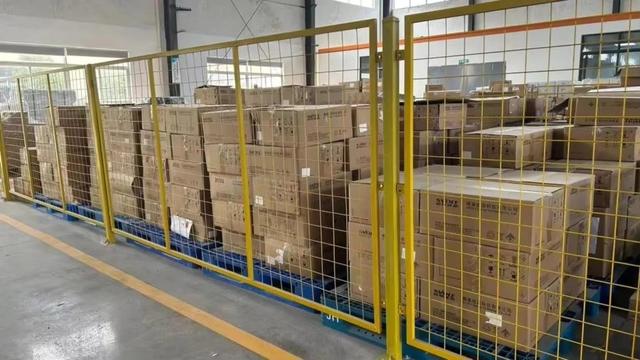
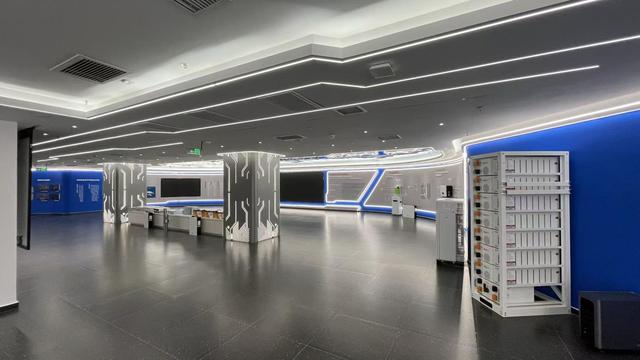
Every module we manufacture passes through computerized automated production lines. Multi-stage visual checks, mechanical pressure evaluations, and performance tests ensure complete certification and long-term durability. Below is an inside look at our manufacturing center and advanced testing environments.
 Halkirk Solar