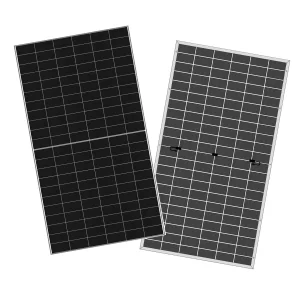
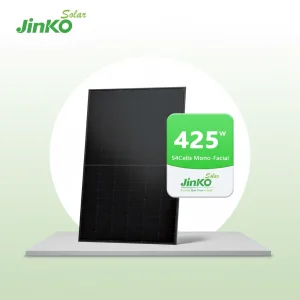
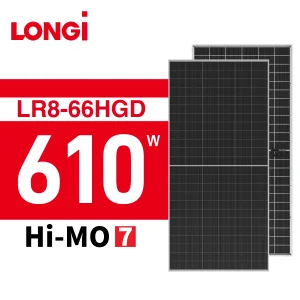
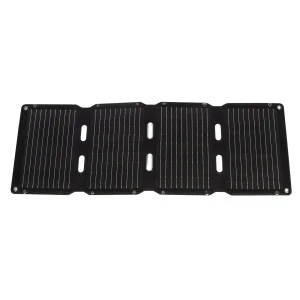
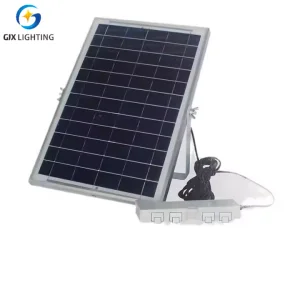
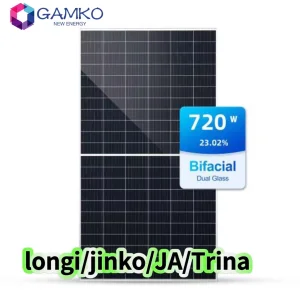
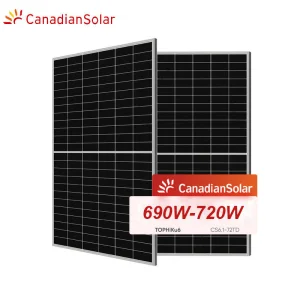
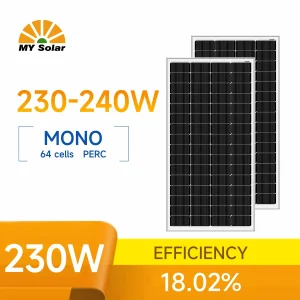
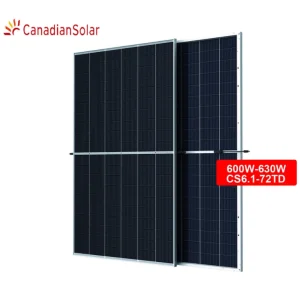
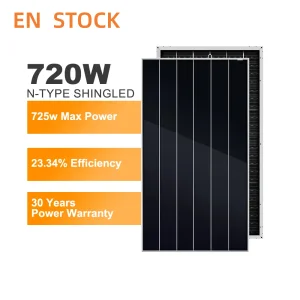
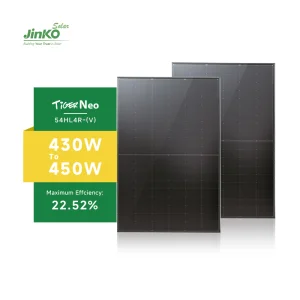
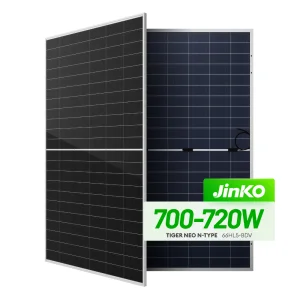
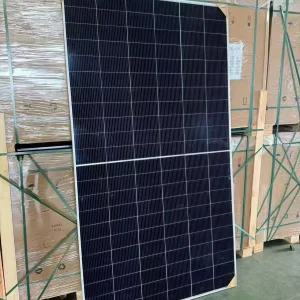
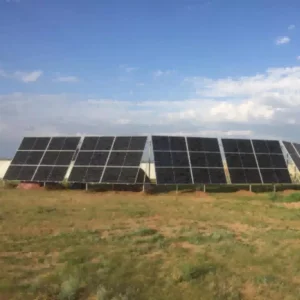
Discover our primary lineup of N-Type utility-scale, commercial, and highly portable photovoltaic solutions engineered for peak power generation.
Setting the standard in high-end solar panel engineering, research, development, and scalable smart manufacturing.
Ningbo Halkirk Solar Co., Ltd. stands as a premier China solar panel manufacturer and monocrystalline & bifacial solar module supplier. We integrate core technological breakthroughs to supply high-efficiency photovoltaic solutions globally. Nestled within the industrial hub of Ningbo, China, we operate close to deep-water ports, creating a highly efficient global export logistics chain.
We specialized in a comprehensive variety of solar solutions, emphasizing monocrystalline solar panels, bifacial solar modules, high-efficiency TOPCon solar panels, N-type solar modules, off-grid architectures, on-grid power stations, and custom engineered photovoltaic products. Our design focus balances maximum energy density with cost-to-performance efficiency.
For solar brands, EPC contractors, regional distributors, and utility-scale developers, Halkirk Solar delivers highly responsive OEM & ODM solutions. Our agile engineering department designs modules customized to specific environmental limits, load-bearing frames, localized safety codes, and custom packaging layouts, securing high reliability and structural endurance.
Understanding why phosphorus-doped N-type silicon dominates the future of utility-scale and commercial solar power plants.
Traditional P-type modules utilize Boron-doped silicon substrates. When exposed to light, boron atoms interact with trace oxygen to create Boron-Oxygen complexes, causing significant Light-Induced Degradation (LID). N-type cells utilize phosphorus-doped silicon, completely eliminating this degradation mechanism and increasing the long-term energy yield by up to 2.5%.
As operating temperatures rise, solar modules drop in performance. Traditional P-type panels suffer from a temperature coefficient of -0.35%/°C to -0.39%/°C. Halkirk's advanced N-type TOPCon and HJT cells lower this coefficient to -0.30%/°C and -0.26%/°C, respectively. In hot climates, this preserves substantial power that would otherwise be lost to thermal degradation.
By utilizing thin, symmetrical passivation structures, N-type cells capture reflected ground light from their rear faces with higher efficiency. While traditional modules are limited to a bifaciality factor of 65-70%, our N-type TOPCon modules regularly surpass 80%, and Heterojunction (HJT) cells reach up to 90%, generating more power per square meter.
A comparison between N-Type TOPCon/HJT structures and traditional P-type PERC systems demonstrates the performance benefits over a 30-year lifecycle.
Engineering solar solutions for specific climates, terrain variations, and localized mounting scenarios.
In locations such as the Middle East or Western Australia, where dry ground and sandy soils act as a high-albedo mirror, N-type bifacial panels demonstrate exceptional performance. Dual-glass modules capture up to 30% additional power from the ground surface, resisting sand degradation and minimizing thermal losses under high temperatures.
Cold, mountainous regions with high snow cover present unique solar challenges. Halkirk N-type modules utilize heavy-load silver frames and double-glass designs to resist heavy snow loads. The high reflection of snow cover (albedo of 0.8+) helps the rear surface generate additional electricity, keeping the front clear by melting snow buildup.
Installing solar systems near oceans or floating on reservoirs requires high resistance to potential-induced degradation (PID). Traditional modules face performance issues from moisture ingress. Halkirk N-type dual-glass modules use POE encapsulation and high-strength frames to resist moisture, salt mist corrosion, and PID in humid coastal regions.
Why international solar developers are accelerating the retirement of P-type systems in favor of N-type TOPCon installations.
| Feature Parameter | P-Type PERC Module | N-Type TOPCon Module | N-Type HJT Module | |
|---|---|---|---|---|
| Cell Efficiency Potential | 23.8% (Near theoretical limit) | 26.5% - 28.7% (High headroom) | 27.5% - 29.2% (Extremely high) | |
| Annual Power Degradation | 0.55% / Year | 0.40% / Year | 0.37% / Year | |
| Bifaciality Factor | 65% - 70% | 80% - 85% | 85% - 95% | |
| First Year Light Degradation (LID) | 1.5% - 2.0% | < 0.4% | 接近 0% | |
| Temperature Coefficient | -0.35% / °C | -0.30% / °C | -0.26% / °C |
For large-scale utility plants, the Levelized Cost of Electricity (LCOE) is the key benchmark for success. Choosing N-type modules can reduce the required Balance of System (BOS) costs, including cables, racking, and land area, because of their higher energy density. This shift can improve internal rate of return (IRR) metrics for developers by 4-6% over the lifetime of a project.
Building Integrated Photovoltaics (BIPV) require high efficiency in limited space and poor-light conditions. Halkirk N-type cells are highly sensitive to low light, allowing them to capture early morning and late afternoon energy. Our customizable dimensions integrate cleanly with commercial building facades and glass roofs.
How Ningbo Halkirk Solar combines regional industrial clusters, automated manufacturing, and sea-port proximity to deliver cost advantages.
Our factory is located near the Port of Ningbo-Zhoushan, one of the world's busiest container hubs. This reduces domestic inland freight costs and allows us to quickly book container shipments to Europe, the Americas, the Middle East, and Southeast Asia. We can secure vessel space and ship orders even during peak global freight seasons.
We source high-grade polysilicon, quartz crucibles, EVA/POE encapsulant films, and solar glass from within a 200km industrial cluster. This localized supply chain reduces transport delays, protects production schedules from global disruptions, and allows us to source materials cost-effectively.
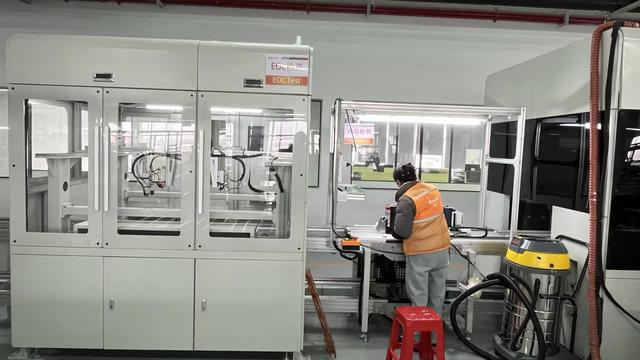
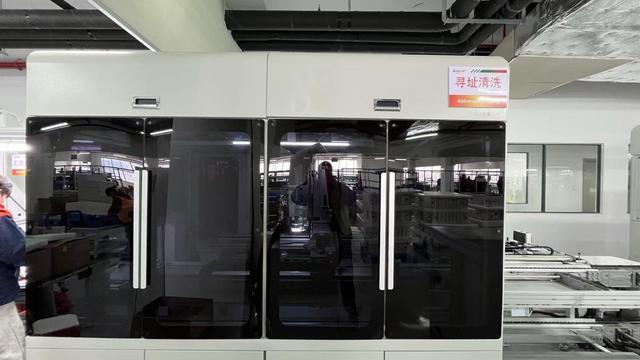
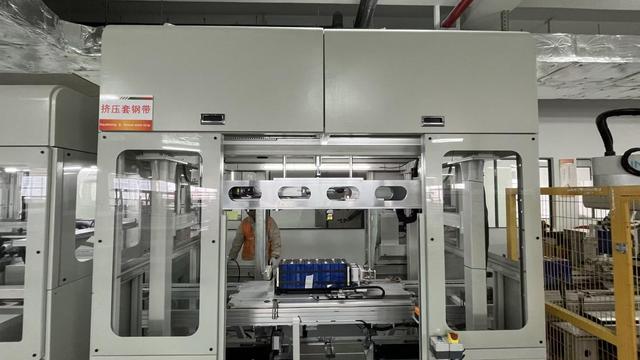
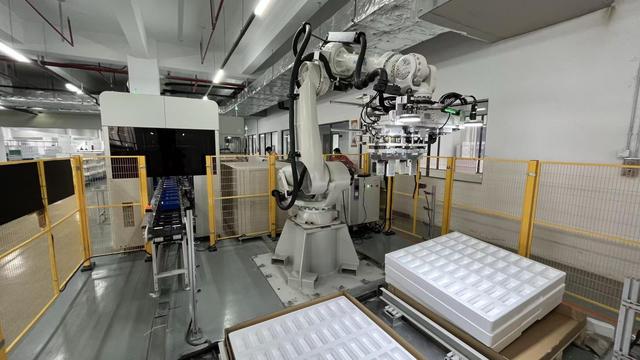
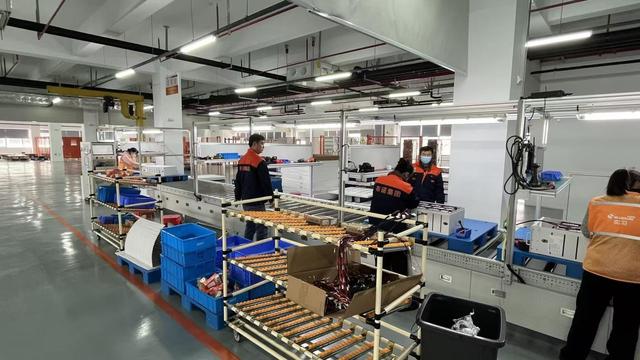
Our factory uses automated production lines equipped with EL (Electroluminescence) testing, inline mechanical stress testing, and optical measurement tools. These systems detect micro-cracks, dark spots, and cell mismatch, preventing defective modules from leaving the factory floor.
Meeting complex international safety, environmental, and import-export requirements for global trade.
Our modules are certified under CE and TUV Rheinland standards, confirming they meet European safety, quality, and environmental regulations for electrical installations.
For North American utility-scale and commercial projects, our product lines are certified to UL 1703 / UL 61730, ensuring high fire safety performance and structural reliability under wind and snow loads.
We supply specialized documentation to assist EPC contractors in securing local utility approvals and grid integration permits quickly.
Our manufacturing facilities operate under ISO 9001, ISO 14001, and ISO 45001 standards, verifying our commitment to environmental responsibility, occupational safety, and quality management.
Clear, expert answers to key technical questions about N-type solar modules, performance, and sourcing.
Explore our high-power commercial, residential, marine, and building-integrated PV designs.
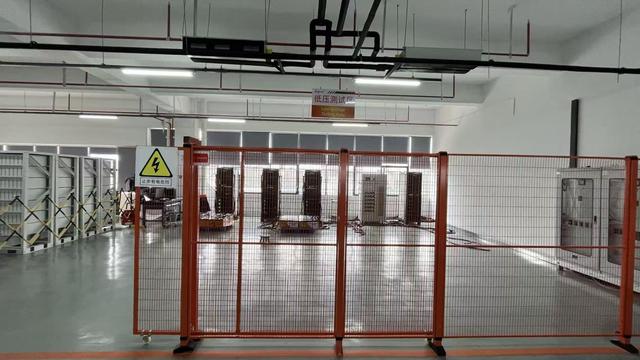
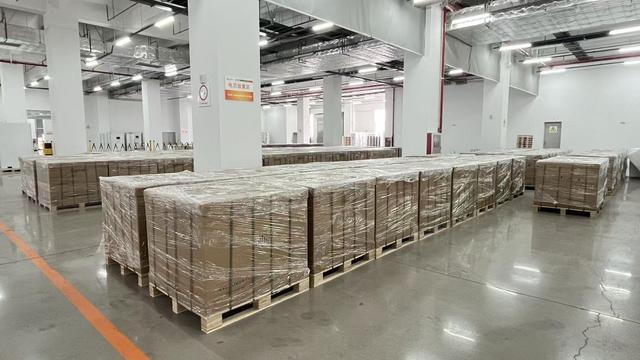
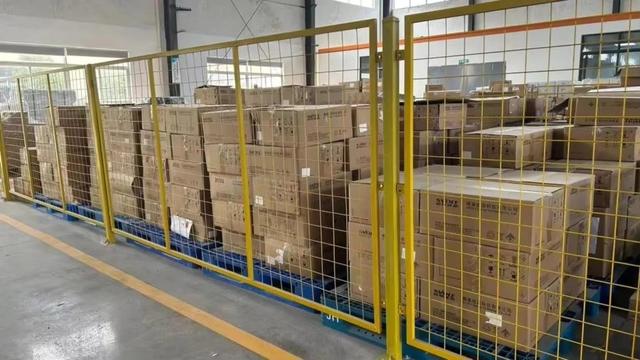
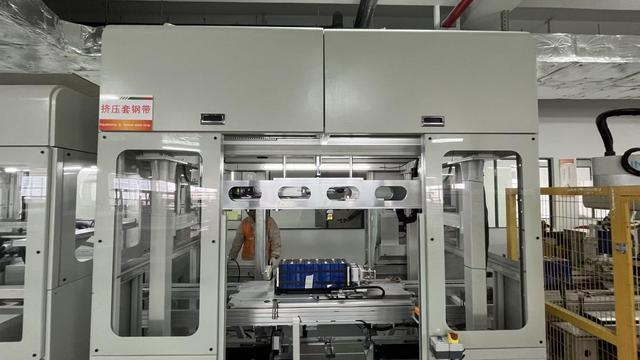
An inside look at Ningbo Halkirk Solar's automated production lines, testing laboratories, and raw material warehousing.

 Halkirk Solar