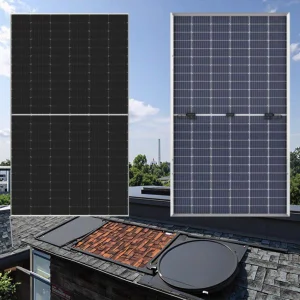
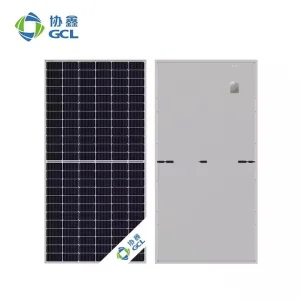
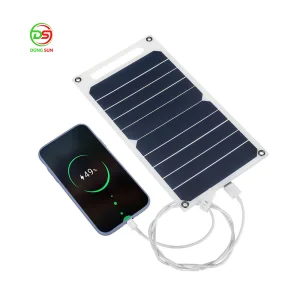
Engineered for maximum power output and seamless integration with smart solar inverters.
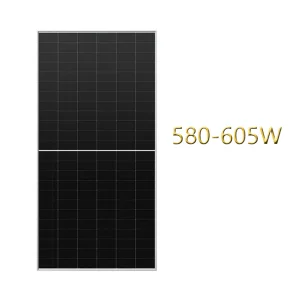
As the global transition to renewable energy accelerates, the solar inverter has evolved from a simple DC-to-AC conversion box into the intelligent brain of modern photovoltaic power plants. In utility-scale installations, Commercial and Industrial (C&I) properties, and microgrid deployments, current solar inverter technologies play a pivotal role. They regulate grid stability, optimize high-yield operations through Multi-MPPT configurations, and ensure reliable integration with Energy Storage Systems (ESS).
According to current market intelligence, the demand for smart, high-power string inverters and modular central inverters has surged exponentially. The transition to high-voltage system architectures (specifically 1500V DC designs) has enabled EPC contractors and project developers to significantly lower Levelized Cost of Energy (LCOE) and Bos (Balance of System) costs. Ningbo Halkirk Solar Co., Ltd. works at the intersection of PV module manufacturing and advanced power electronics, delivering integrated solution architectures that maximize solar efficiency, optimize clipping ratios, and facilitate dynamic grid-forming capabilities.
Ningbo Halkirk Solar Co., Ltd. is a professional China solar panel manufacturer and monocrystalline & bifacial solar module supplier, dedicated to delivering high-efficiency renewable energy solutions to customers worldwide. Located in Ningbo, China, the company integrates research and development, manufacturing, quality control, and global sales to provide reliable solar products for residential, commercial, industrial, and utility-scale applications.
Halkirk Solar specializes in the production of monocrystalline solar panels, bifacial solar modules, TOPCon solar panels, N-type solar modules, off-grid solar solutions, on-grid solar systems, and customized photovoltaic products. Leveraging advanced cell technology and intelligent manufacturing processes, our products are designed to maximize energy output, improve conversion efficiency, and ensure long-term performance in diverse environmental conditions.
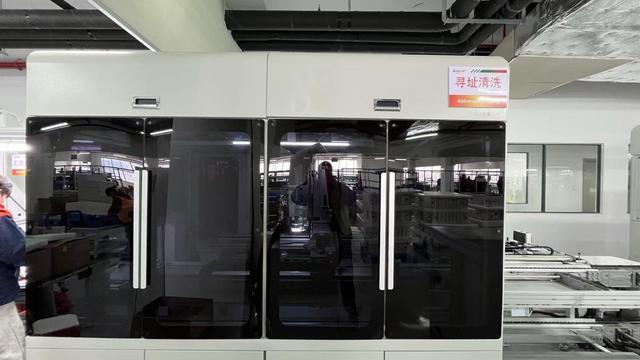
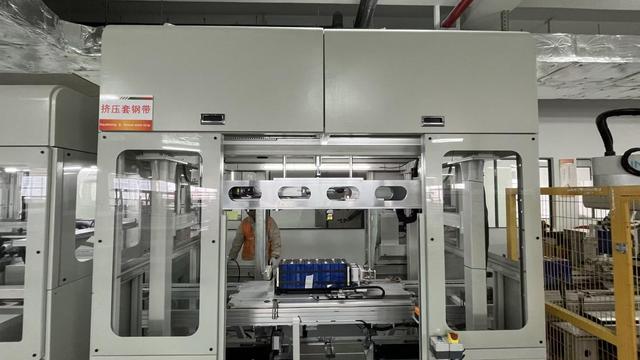
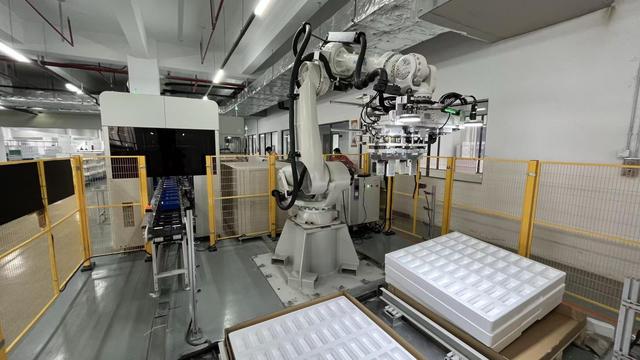
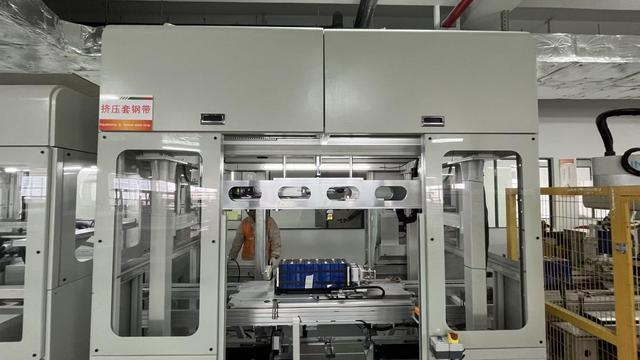
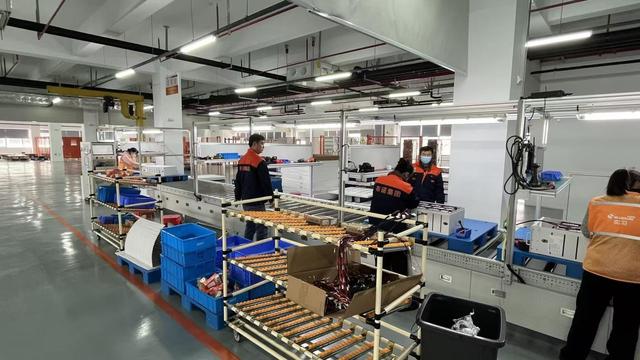
Our modern manufacturing facility is equipped with automated production lines, precision testing equipment, and strict quality management systems. Every solar module undergoes comprehensive inspections and performance testing to guarantee superior reliability, durability, and compliance with international standards. We are committed to providing products that meet the evolving demands of the global renewable energy market.
To better serve international customers, Halkirk Solar offers flexible OEM and ODM services for solar brands, distributors, EPC contractors, wholesalers, and project developers. Our experienced engineering and technical teams work closely with clients to deliver customized solar solutions tailored to specific project requirements, market demands, and branding needs.
Leading the path to next-generation energy infrastructure with advanced power conversion topologies.
Integrating artificial intelligence and deep-learning algorithms to detect and interrupt DC electric arcs in millisecond ranges, preventing potential hazards and meeting stringent UL1699B safety standards.
Equipped with up to 12 independent MPPT trackers to mitigate power mismatch losses caused by complex shading profiles, module degradation variations, and diverse orientation layouts in large-scale C&I projects.
Supporting high-capacity energy storage systems, virtual power plant (VPP) communications, and fast black-start capability to maintain operation during complete utility grid failure phases.
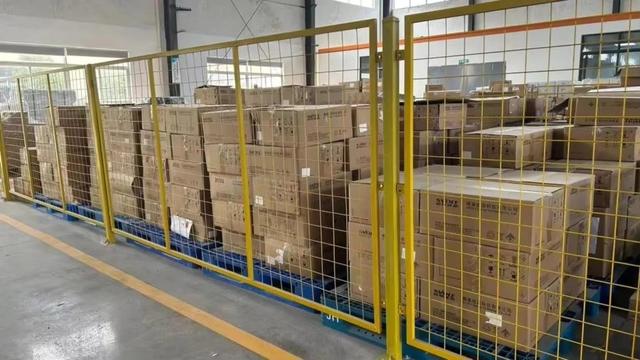
China's PV industrial ecosystem leads the world in cost optimization, manufacturing capacity, and integrated technological components. Ningbo Halkirk Solar Co., Ltd. benefits from this high-concentration industry cluster, achieving structural cost efficiencies and short production lead times. Our automated factory lines implement AI-based vision inspection, automated EL testers, and cell sorting technologies to maintain zero-defect standards.
Located in the coastal hub of Ningbo, China, the logistics infrastructure enables direct bulk loading to the Port of Ningbo, reducing maritime transport delays. For global EPC contractors and distributors, this translates to predictable deliveries, complete component traceability, and reliable OEM/ODM customized integration for complex photovoltaic assemblies.
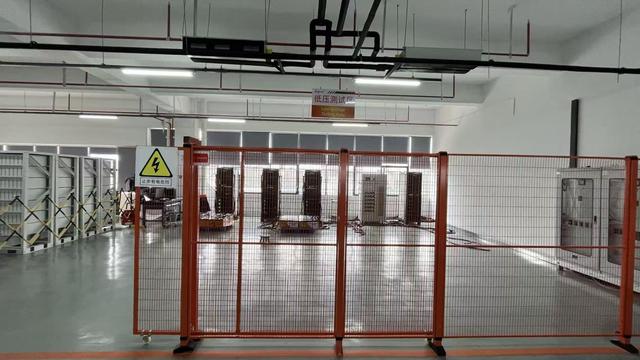
Strict quality assurance and automated manufacturing ensure high-efficiency solar cells and systems.
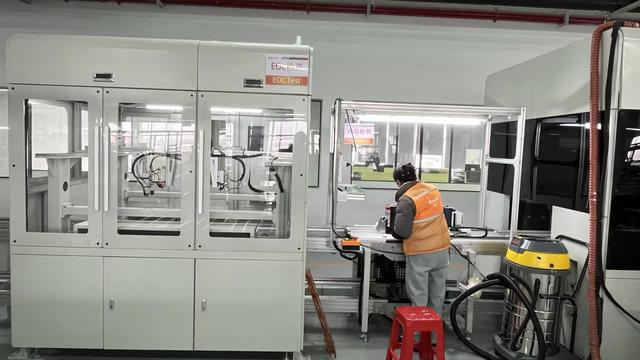
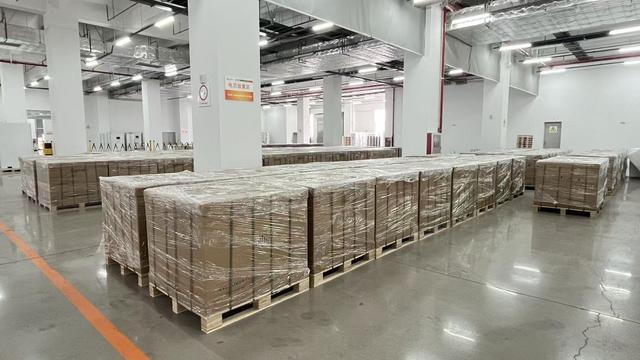

The global solar energy ecosystem is shifting toward larger systems and smarter controls. As N-type TOPCon and Heterojunction (HJT) module technologies dominate solar panel sales, solar inverters must evolve to support high short-circuit currents (Isc) up to 20A per string. Systems that fail to accommodate high input current profiles face clipping losses and accelerated thermal wear.
Furthermore, grid codes are becoming increasingly stringent worldwide. New grid requirements call for active power injection controls, reactive power modulation at night (Q-at-Night functionality), and deep frequency response controls. The integration of AI-driven Cloud O&M software enables predictive maintenance alerts, pinpointing degradation in solar arrays down to the specific cell string. This reduces operational costs and manual inspections for site owners.
Procuring solar modules and inverters for large utility or commercial projects requires compliance with global certifications. Engineering departments and procurement directors prioritize equipment with certifications including UL 1741 SB for North America, CE / IEC 62109-1/-2 for Europe, and AS4777 for Australia.
Additionally, system safety and durability are verified through ingress protection ratings (IP66 or IP65 dust-and-water protection) and C5-High anti-corrosion classifications, which are vital for coastal, marine, and high-humidity microgrid setups. Integrating high-performance monocrystalline bifacial panels with optimized smart inverters ensures maximum system efficiency and long-term project bankability.
Expert insights and technical analysis for EPC developers, system designers, and solar distributors.
Modern high-efficiency solar modules, especially N-Type TOPCon and large-format M10/G12 cells, generate higher output currents (often exceeding 13A to 18A). If the solar inverter's maximum input current per MPPT is limited to older standards (like 11A or 12A), it will clip the excess current, resulting in significant energy loss. Utilizing a high-current compatible inverter ensures the system captures the full yield potential of the high-power modules.
In most commercial solar PV applications, the typical design DC-to-AC ratio ranges between 1.2 and 1.5. This means that the total capacity of the DC solar panels exceeds the maximum AC output rating of the inverter. This configuration optimizes the inverter's performance, allowing it to operate closer to its maximum capacity for a longer portion of the day. This compensates for losses related to heat, cell degradation, and less-than-ideal solar angles.
Natural convection cooling relies on passive heat sinks and does not require moving parts. This system reduces maintenance requirements and operates quietly, making it ideal for residential installations. In contrast, active cooling utilizes smart speed-controlled fans. This configuration is preferred for high-power commercial and industrial (C&I) inverters, as it ensures efficient heat dissipation and prevents thermal derating when operating at high ambient temperatures.
Standard grid-following inverters require an existing grid voltage and frequency signal to operate. Grid-forming inverters, however, use advanced control algorithms to function as a voltage source, establishing local grid parameters. This technology is vital for industrial microgrids, remote mining operations, and islands. It allows systems to integrate with hybrid storage arrays and operate reliably without relying on a large central utility grid.
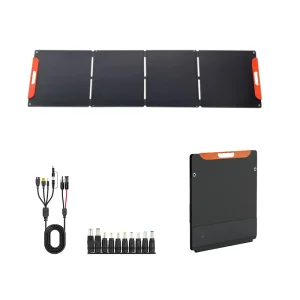
Reliable components designed for diverse off-grid, marine, commercial, and utility-scale installations.
 Halkirk Solar