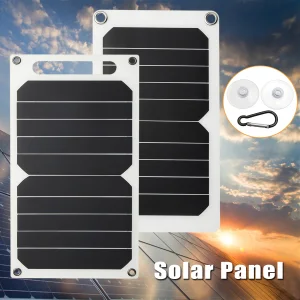
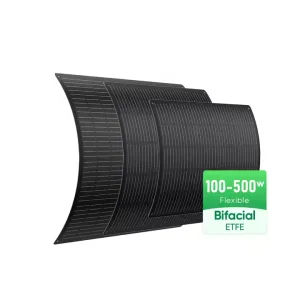
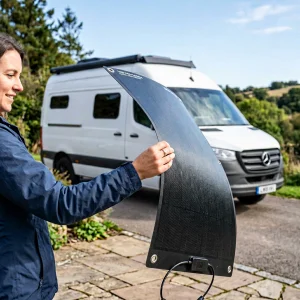
Select commercial-grade flexible modules optimized for localized climate adaptability and structural load limits.
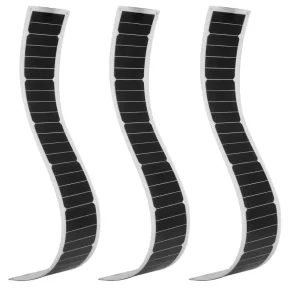
Pakistan is witnessing an unprecedented transition toward solar energy, catalyzed by skyrocketing grid electricity tariffs, regulatory policies such as net metering, and chronic power infrastructure instability. Historically, heavy utility-scale projects and standard rigid glass solar modules dominated the market. However, as the localized energy landscape evolves—moving closer to distributed generation and localized commercial & industrial (C&I) installations—structural constraints have emerged as a significant barrier.
“In key industrial corridors like Karachi, Faisalabad, and Lahore, over 40% of corporate textile mills and commercial warehouses feature lightweight corrugated sheet roofs. These structures cannot support the massive mechanical load (typically 20-25 kg/m²) of standard monocrystalline glass panels and racking systems. Flexible solar panels, weighing under 3 kg/m², resolve this structural challenge, offering a viable path to energy independence without roof reinforcement costs.”
Flexible PV solutions bypass structural load-bearing limitations. Utilizing advanced high-grade fluoropolymers (such as ETFE) and high-efficiency monocrystalline silicon or thin-film cell configurations, flexible solar panels can be bonded directly onto metal roofs, curved surfaces, and architectural facades. This approach eliminates the need for heavy aluminum rails, wind deflecting structures, and roof penetrations, reducing initial balance-of-system (BOS) costs while preventing water leakage—a common issue during Pakistan's monsoon seasons.
| Performance Metrics | Standard Rigid Glass Solar Panels | ETFE Monocrystalline Flexible Panels | CIGS Thin-Film Flexible Panels |
|---|---|---|---|
| Mechanical Weight Load | 18.5 - 24.0 kg/m² (Excluding racking) | 2.5 - 3.2 kg/m² (Direct adhesive) | 2.2 - 2.8 kg/m² (Peel-and-stick) |
| Installation Complexity | High (Requires racking, drilling, ballast) | Low (Adhesive backing, quick install) | Ultra-Low (Peel-and-stick backing) |
| Wind-Load Resistance | Vulnerable (Creates wind-sail effect) | Aerodynamic (Conforms to roof surface) | Aerodynamic (Zero profile lift) |
| Micro-Cracking Vulnerability | High (Vulnerable to transport & hail damage) | Resilient (Absorbs impact energy) | Ultra-Resilient (No silicon cells to crack) |
| Temperature Coefficient | -0.35% / °C (Efficiency drops in high heat) | -0.34% / °C (High temperature stability) | -0.26% / °C (Excellent hot climate performance) |
Globally, the integration of flexible solar photovoltaics is driven by structural limitations, urban building-integrated PV (BIPV), and the expansion of mobile/off-grid electrification. In developed markets across the EU and North America, ESG mandates push logistics and warehousing firms to install solar on flat roofs, where flexible arrays serve as the primary solution for lightweight building envelopes.
In Pakistan, the driver is primarily economic survival. With commercial NEPRA tariffs fluctuating dynamically, industrial consumers face high operational costs. Transitioning to distributed flexible PV systems enables textile mills, cold chain warehouses, agricultural estates, and public sector buildings to hedge against utility price hikes. Furthermore, localized conditions like high dust and particulate deposition (soiling) require solar modules with self-cleaning capabilities. Our ETFE flexible solar modules feature a non-stick, dirt-repellent surface layer, ensuring rain runs off easily and washes away dust, maintaining optimal performance in arid regions such as Sindh and southern Punjab.
For procurement officers and EPC companies in Pakistan, sourcing solar modules requires balancing efficiency, durability, and cost-effectiveness. As a leading manufacturer based in Ningbo, China, Ningbo Halkirk Solar Co., Ltd. leverages a mature supply chain and advanced production technology to deliver flexible solar modules that meet international standards.
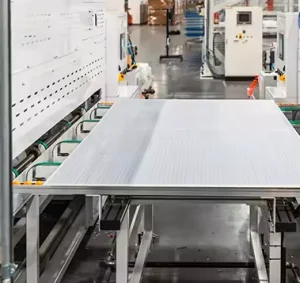
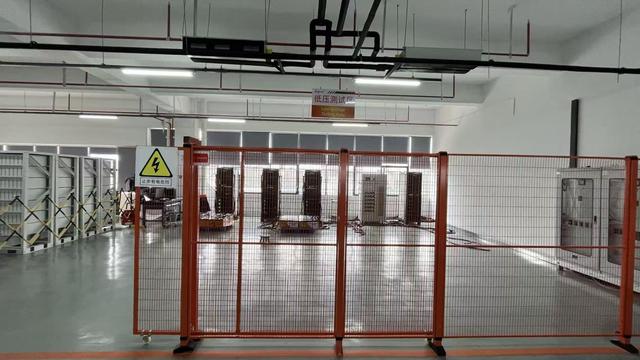
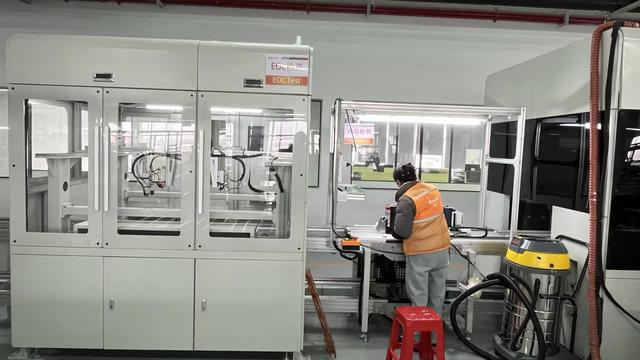
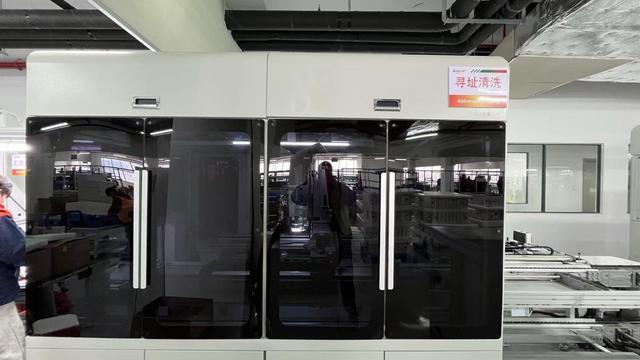
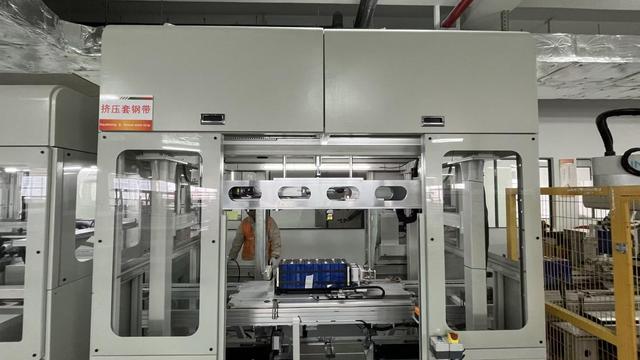
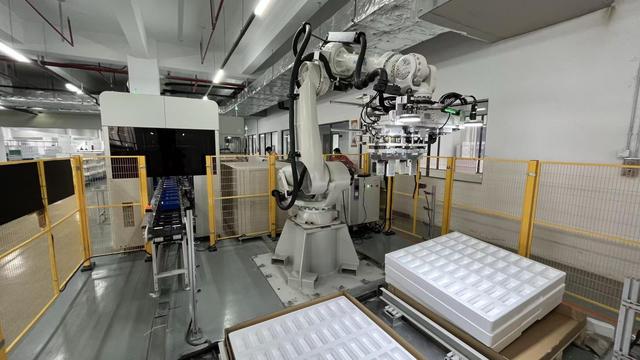
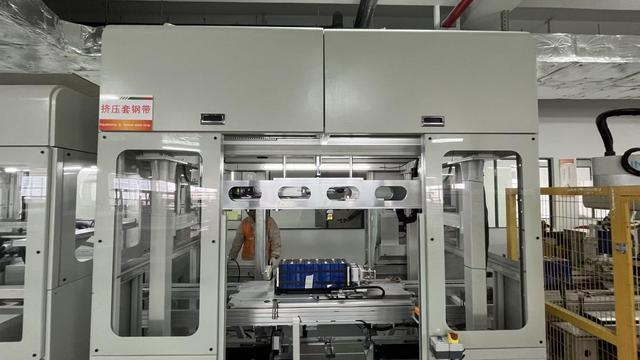
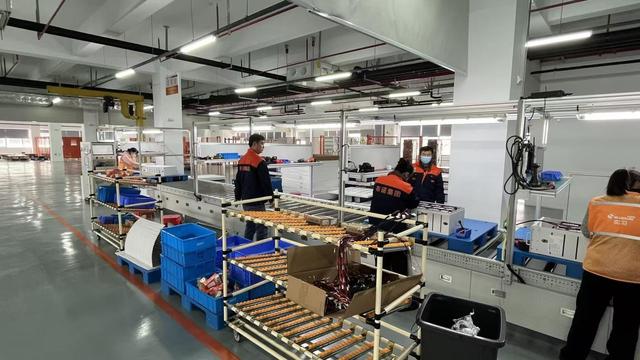
Our automated production facilities use precision laser cutting, automated stringing, and uniform vacuum lamination, ensuring cell integrity and reducing the risk of micro-cracks. Unlike local assembly plants or unverified suppliers, our manufacturing processes include thorough quality gates:
Ningbo Halkirk Solar Co., Ltd. provides customized OEM and ODM services. From specific busbar (MBB) layouts to custom dimensional parameters for restricted roofs, our engineering team works with regional partners in Pakistan to deliver optimized solutions.
Flexible solar technology is versatile and suited for various localized applications across Pakistan:
Direct-adhesive mounting on trapezoidal and standing-seam metal roofs in industrial zones like Landhi, Korangi, and Sundar. This approach requires zero roof penetrations, preventing leak hazards during heavy rain.
Flexible solar panels can be integrated onto mobile trailer carts and canal-side pump structures in rural Punjab and Sindh, offering a portable power source that is easy to transport and deploy.
Ideal for powering remote telecommunication towers, highway monitoring systems, and off-grid security checkpoints where reliable power is required in harsh environments.
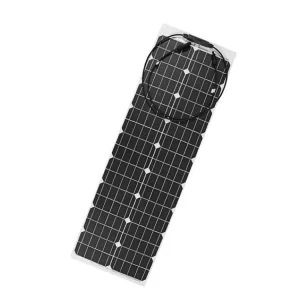
High-yield polymer and thin-film flexible solar panels designed for reliable energy generation.
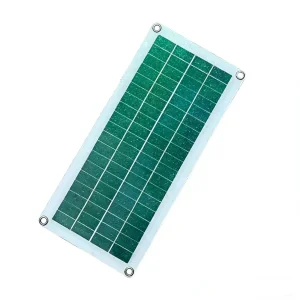
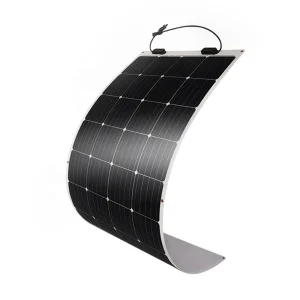
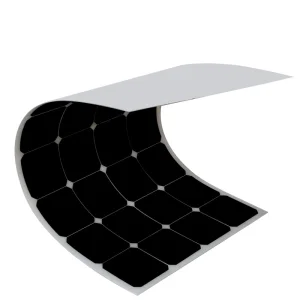
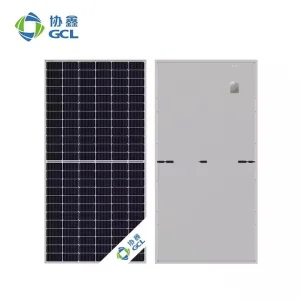
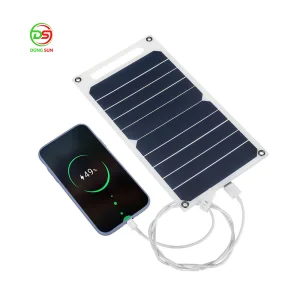
Pre-configured flexible arrays and rollable designs for specialized off-grid and residential applications.
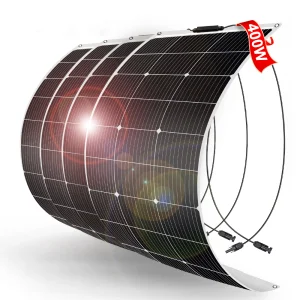
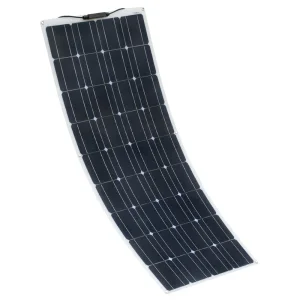
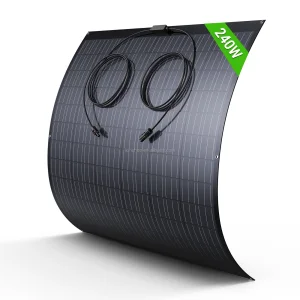
Ningbo Halkirk Solar Co., Ltd. is a China-based solar panel manufacturer and monocrystalline & bifacial solar module supplier, delivering clean energy solutions globally. Headquartered in Ningbo, China, the company integrates R&D, advanced manufacturing, strict quality control, and global logistics to provide solar products for residential, commercial, industrial, and utility-scale projects.
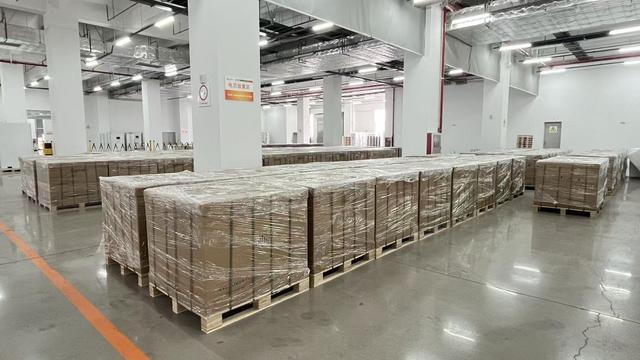
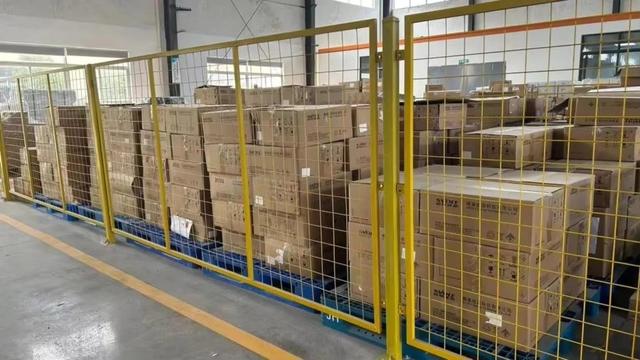
We specialize in monocrystalline solar panels, bifacial solar modules, N-type TOPCon panels, off-grid systems, and custom photovoltaic products. Our modern facility features automated production lines, testing equipment, and quality management systems. Every module undergoes inspection to ensure performance and compliance with international standards.
For global distributors, EPC contractors, and developers, Halkirk Solar offers OEM and ODM services. Our engineering teams work closely with clients to deliver customized solar solutions tailored to specific project requirements, environmental factors, and market demands.
Optimize your project ROI and resolve structural load issues with custom-engineered, lightweight flexible PV modules. Request structural load evaluations, product datasheets, and direct factory pricing.
Get Direct Wholesale Price QuoteTechnical answers to common questions about flexible solar installations in Pakistan.
 Halkirk Solar