High-yield monocrystalline, thin-film, and advanced perovskite flexible modules designed for resilient performance in Arctic conditions.
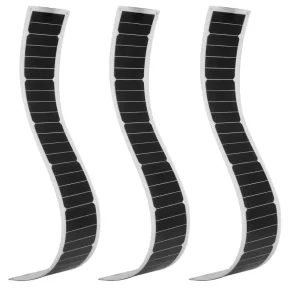
Customizable, ultra-lightweight rollable strips configured for continuous sub-zero performance on advertising structures and urban street furniture across Moscow and Saint Petersburg.
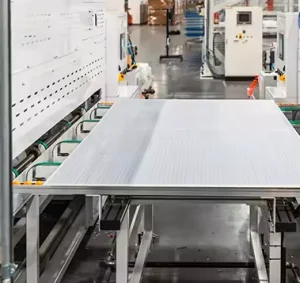
High-power density flexible modules offering exceptional balance-of-system cost reduction for large-scale utility roofs and off-grid mining arrays in northern territories.
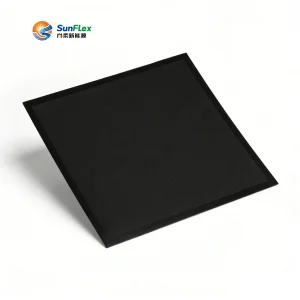
Ultra-thin, high-efficiency (35%) indoor low-light PV cells designed to power cold-storage monitoring hardware, industrial telemetry, and pipeline IoT networks.
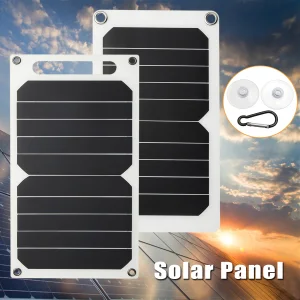
A compact, impact-resistant mobile solar solution designed to recharge auxiliary battery banks during long-distance trans-Siberian routes and camping excursions.
Russia’s geographical expanse encompasses distinct climatic challenges, stretching from temperate zones to the harsh sub-zero realities of the Siberian and Arctic territories. Traditionally dominated by fossil fuels, the industrial and commercial sectors in Russia are undergoing a significant shift toward decentralized, remote power systems. In regions like Yakutia, Kamchatka, and the Yamal Peninsula, grid expansion is economically unviable. Off-grid power systems, historically reliant on expensive diesel generators, are increasingly integrated with advanced photovoltaics to offset operation costs and secure energy reliability.
Flexible solar panels have emerged as a critical technology within this context. Traditional glass solar panels suffer from structural failures under extreme snow loads, sub-zero embrittlement of mounting structures, and transport-induced cracking over unpaved routes. Conversely, lightweight, flexible PV modules adapt to the thermal expansion and contraction of industrial roofs, oil storage tanks, remote telecommunication shelters, and marine vessels operating along the Northern Sea Route.
Key applications driving the demand for flexible solar panels in Russia include:
Operating solar assets in Russia demands strict engineering tolerances. When ambient temperatures drop below -40°C, polymer degradation, micro-cracking, and structural shear due to ice buildup represent catastrophic failure points. Our engineering roadmap addresses these failure modes by advancing encapsulant chemistry, substrate engineering, and cell interconnect flexibility.
| Material Layer | Standard Commercial Specification | Russian Polar-Grade Specification (Halkirk Solar) | Performance Benefit |
|---|---|---|---|
| Front Protective Film | Standard PET (Polyethylene Terephthalate) | Multi-layer UV-stabilized ETFE (Ethylene Tetrafluoroethylene) | 95% light transmission, self-cleaning surface, zero cracking down to -60°C. |
| Encapsulant Material | Standard EVA (Ethylene-Vinyl Acetate) | High-gel content Cross-linked POE (Polyolefin Elastomer) | Prevents water vapor ingress and potential PID under severe freeze-thaw cycles. |
| Cell Interconnects | Rigid copper ribbons | Multi-wire busbar (MBB) with stress-relief micro-bends | Eliminates micro-cracking risks during extreme temperature swings. |
| Adhesive Backing | Standard industrial acrylic tape | Structural-grade butyl rubber composite adhesive | Guarantees permanent adhesion to metal, membrane, or fiberglass surfaces under high wind loads. |
In Russia's high-latitude regions, snow reflects up to 90% of incident UV radiation. This double UV exposure causes standard PET plastic front-sheets to yellow, embrittle, and delaminate within two to three years. Ningbo Halkirk Solar standardizes ETFE encapsulation for all commercial and industrial flexible modules exported to Russia. ETFE features a carbon-fluorine bond structure that resists UV degradation, maintains elasticity across a -60°C to +120°C temperature envelope, and offers a low-friction surface that naturally sheds snow accumulation under minimal tilt angles.
Adaptable, high-durability PV options constructed to withstand marine salt spray, heavy mechanical loads, and off-grid remote transit.
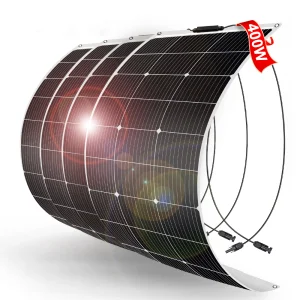
Scalable 400W system kits offering modular configurations for decentralized battery banks, meteorological equipment, and emergency communications.
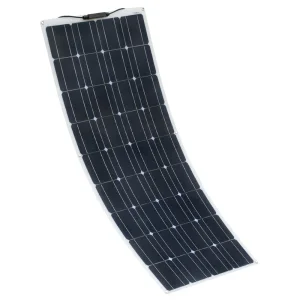
Ultra-portable, heavy-duty solar modules designed to fold into compact profiles, providing rapid-deployment power for emergency rescue teams in remote oblasts.
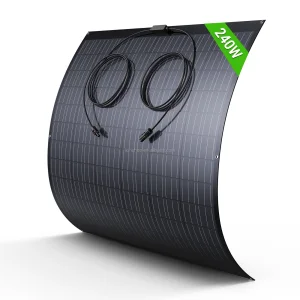
Optimized logistics pathways utilizing strategically located warehousing to ensure rapid delivery and simplified customs processing for Moscow regional buyers.
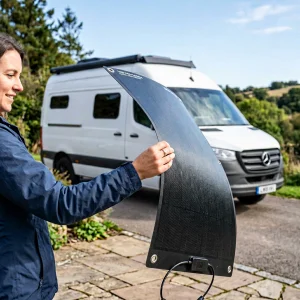
High shade tolerance CIGS technology providing continuous power generation even under partial coverage by sails, rigging, or overcast Baltic skies.
Ningbo Halkirk Solar Co., Ltd. operates a state-of-the-art manufacturing facility in Ningbo, China. As a major maritime port city, our geographical position enables direct, cost-efficient shipping routes to Russia's key maritime gates: Vladivostok in the East, and Saint Petersburg and Novorossiysk in the West. Additionally, we integrate seamlessly with the New Silk Road (China-Europe Railway Express), allowing landlocked transit from our factory floors to central Moscow logistics hubs in under 15 days.
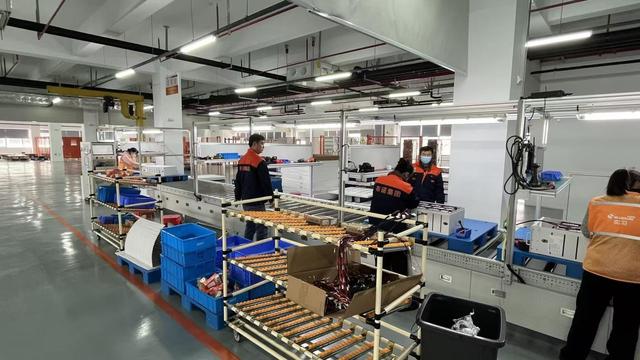
Our Factory 4.0 production lines are built around automated, high-precision robotics designed to minimize human error and ensure consistency. Every flexible solar panel undergoes stringent quality gates:
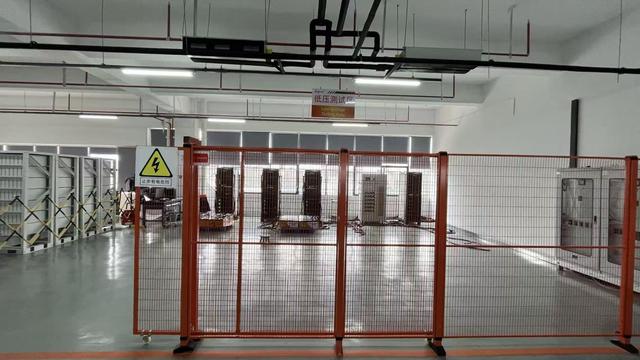
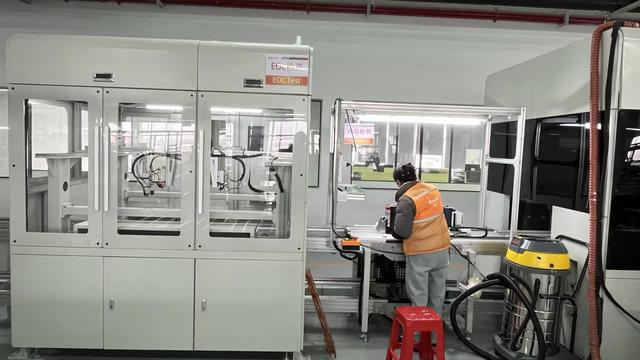
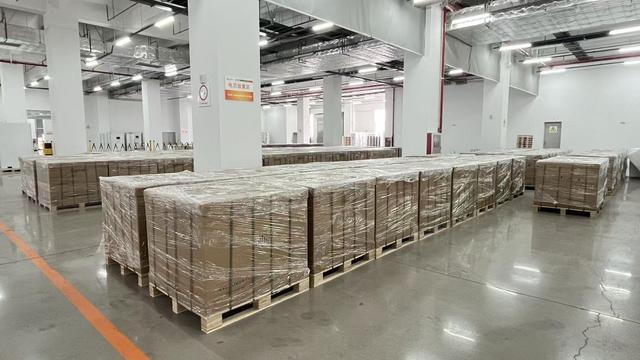
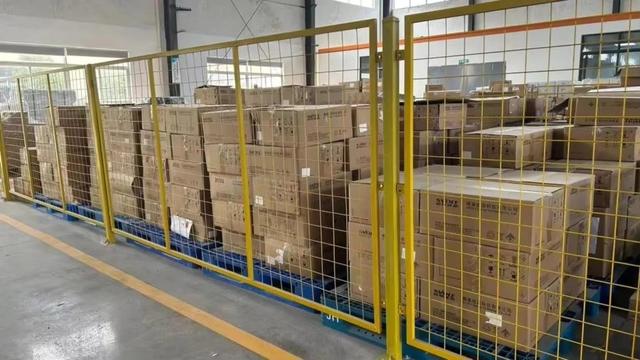
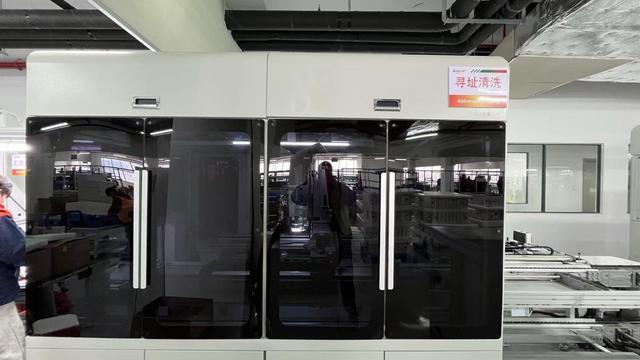
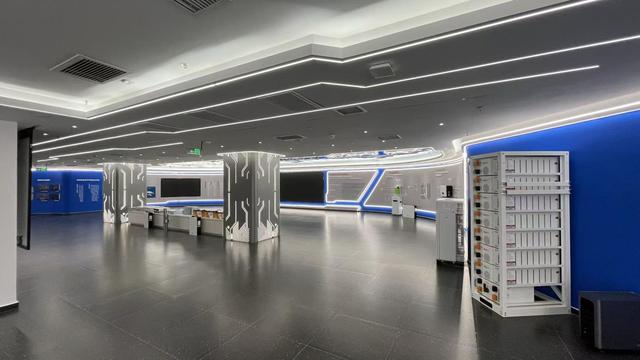
Our modern manufacturing facility integrates advanced R&D, intelligent automated assembly, and stringent quality control. Every batch of monocrystalline solar panels, bifacial solar modules, and customized N-type TOPCon modules is engineered to deliver high conversion efficiency and long-term mechanical stability in challenging global environments.
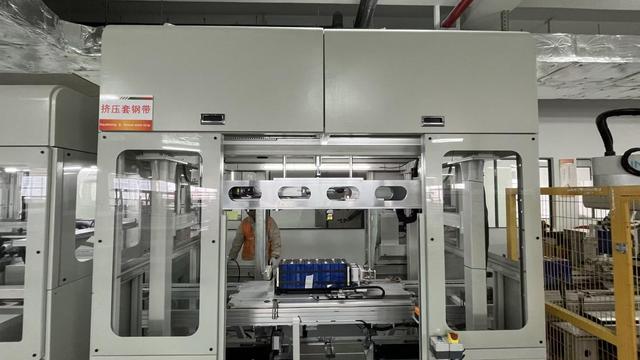
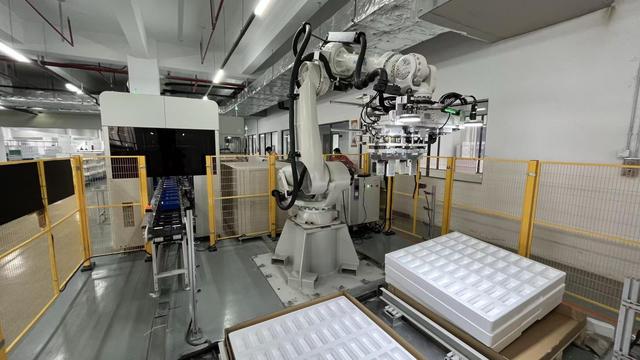
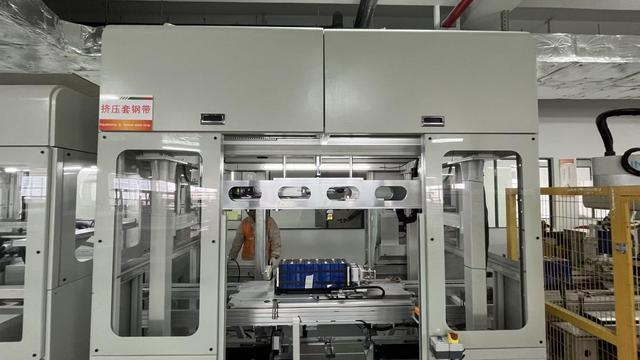
Implementing solar technology in Russia requires solving mechanical, thermal, and structural problems at the architectural scale. Here is how our engineering team supports major engineering procurement contracts (EPCs) across the country:
Standard industrial roofs in Russia are made of thin corrugated steel sheets. Installing traditional glass modules requires heavy aluminum mounting profiles, drilling holes (which creates leak pathways during heavy spring snowmelt), and adds up to 20kg/m² of dead load. Many older industrial warehouses in central Russia cannot handle this structural stress.
Solution: We supply customized, lightweight flexible panels with integrated structural butyl adhesive backings. With a total weight of only 2.2 kg/m², these modules are pasted directly onto the metal corrugations, eliminating drilling, wind uplift points, and structural load risks.
Pipeline networks in northern Russia run through thousands of kilometers of uninhabited permafrost. Ensuring continuous active electrical protection against corrosion requires remote power points. Maintaining batteries at -50°C requires constant trickle charges.
Solution: Small-footprint ETFE flexible panels are curved around the metallic protective casings of the telemetry stations. Their aerodynamic profile prevents them from tearing off during Arctic blizzards, and their low thermal mass reduces ice accumulation compared to bulky glass frames.
Selected flexible solar solutions optimized for high conversion performance, marine grade waterproofing, and architectural integration.
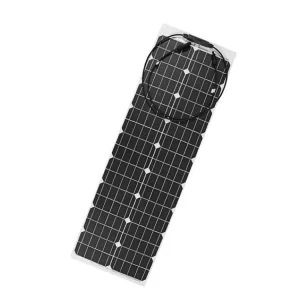
A durable, high-impact rollable module engineered to survive heavy snow, frequent packing, and rough field transport in taiga ecosystems.
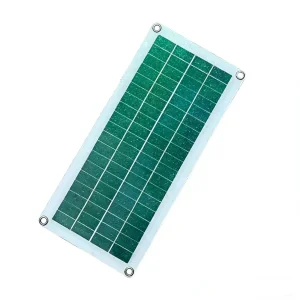
Designed for modern urban facade cladding, providing local aesthetic adaptation while contributing clean auxiliary power to building microgrids.
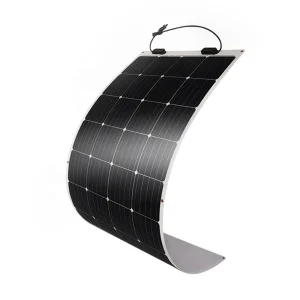
Rugged, lightweight ETFE panels designed for fast deploy-and-stow field duty, featuring waterproof junction boxes and pre-installed solar cables.
Mechanically reinforced flexible modules built to withstand high wind zones and heavy structural snow accumulation without cell degradation.
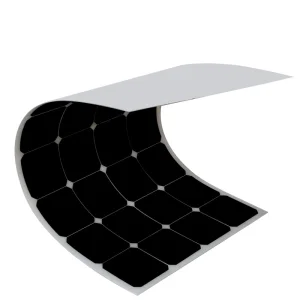
Corrosion-resistant panels utilizing IP68 protection, designed to survive the damp, salty marine environments of Baltic and Black Sea vessel decks.
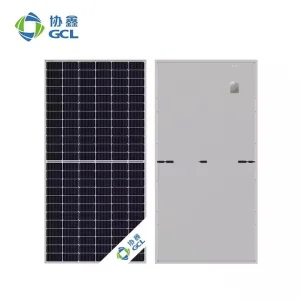
High-power modular flexible arrays designed for residential metal roofs, providing off-grid security and backup power storage integration.
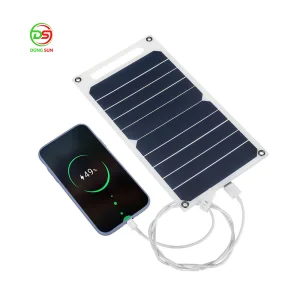
Ultra-light mobile charger with direct USB outputs, designed for charging electronic devices under freezing and rugged outdoor trekking conditions.
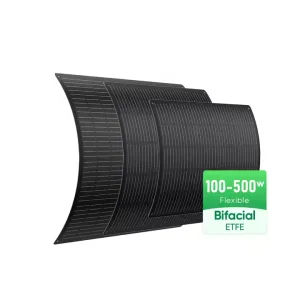
Polar-grade ETFE modules designed for heavy continuous exposure in high-latitude zones, featuring enhanced thermal stability.
Exporting industrial electrical goods to Russia demands compliance with complex trade and safety regulations. As a veteran exporter, Ningbo Halkirk Solar Co., Ltd. manages local standards and logistics to ensure seamless delivery. Our panels are certified under IEC 61215 and IEC 61730 global safety baselines, which facilitate the clearance of the EAC (Eurasian Conformity) declaration required for entry into the Eurasian Economic Union (EAEU - Russia, Belarus, Kazakhstan, Armenia, Kyrgyzstan).
To reduce miscommunication, our design and engineering documents (datasheets, CAD installation diagrams, operating manuals, and structural load calculations) are supplied in both English and Russian. We also partner with local customs brokers to streamline import duty processing, VAT declarations, and local transit logistics from terminal hubs in Vladivostok, Saint Petersburg, or Moscow directly to your construction sites.
Get access to custom sizing, bespoke electrical layouts, and specialized adhesive designs engineered for Russian sub-zero conditions.
Send Inquiry NowEssential technical and logistical answers for engineering offices, procurement managers, and commercial distributors.
 Halkirk Solar