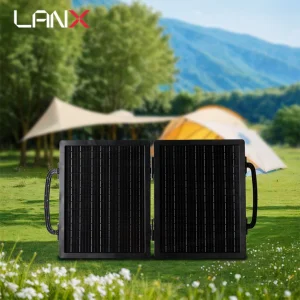
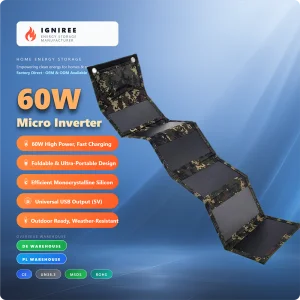
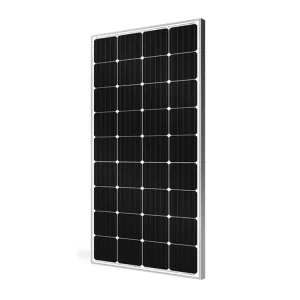
Boston's climate demands industrial-grade hardware. These four systems represent our high-demand configurations for marine expeditions, remote infrastructure testing, and off-grid utilities.
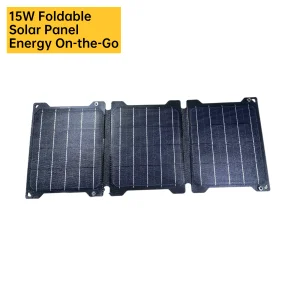
As Boston pushes toward net-zero carbon emissions under its aggressive Climate Action Plan and BERDO (Building Energy Reporting and Disclosure Ordinance) regulations, the demand for off-grid power resilience has moved from niche outdoor recreation to core commercial, industrial, and municipal operations.
Boston's unique geographic profile—combining dense historical districts, a bustling maritime sector along Boston Harbor, and severe winter weather patterns—creates a pressing need for portable solar generators and flexible solar systems. From emergency response units during winter blizzards to marine-grade setups operating on coastal waters, off-grid hardware must withstand dramatic thermal shifts, high winds, and corrosive saltwater air.
"Reliable solar collection in cold, high-latitude environments like New England requires panels engineered with low temperature coefficients and durable materials like ETFE. It is no longer just about generating electricity; it is about architectural resilience under stress."
Cell Conversion Peak
High-Durability Polymer
Water & Dust Rating
Operational Lifespan
Understanding the micro-grid hardware supply chain from Ningbo manufacturing hubs to deployment on the East Coast of the United States.
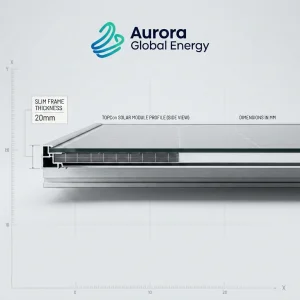
The transition from older P-type silicon to N-type TOPCon (Tunnel Oxide Passivated Contact) technology is redefining yield outputs. Under low-light, cloudy conditions typical of New England winter, TOPCon technology ensures energy harvesting starts earlier and continues longer each day.
Operating out of Ningbo, Ningbo Halkirk Solar Co., Ltd. utilizes direct maritime shipping routes to East Coast ports (like Conley Terminal in Boston). This allows us to offer bulk pricing, flexible OEM branding, and secure container shipping for commercial projects, utility micro-grids, and wholesale distributors.
Modern off-grid deployment prioritizes fast scaling. Our systems utilize standardized MC4 connectors and intelligent charge regulators. They integrate smoothly with standard commercial power storage options, including Lithium Iron Phosphate (LiFePO4) battery banks.
When selecting portable solar modules for tough commercial setups, the choice of top-layer materials directly affects how long the product will last in the field. Cheap consumer-grade modules often use PET (Polyethylene Terephthalate) coatings, which degrade quickly under solar radiation and tend to peel in humid or salty environments.
Ningbo Halkirk Solar Co., Ltd. uses premium ETFE (Ethylene Tetrafluoroethylene) polymers for our flexible and foldable industrial solar panels. ETFE features:
How New England enterprises, research groups, and emergency managers deploy portable solar units.
Boston Harbor and Cape Cod research vessels require reliable, lightweight solar panels that can be easily lashed to decks or canvas enclosures. Our flexible ETFE panels resist damage from salt spray and keep essential diagnostic equipment, GPS tracking arrays, and scientific sensors charged without needing noisy, fuel-hungry diesel generators.
Research teams from major Boston area universities operate field stations throughout the Northeast. Compact, high-wattage foldable panels (like our 200W-500W systems) provide the high power needed to run field laptops, environmental monitoring stations, and communication gear in deep wilderness areas.
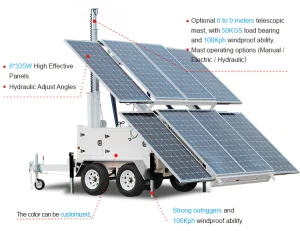
During coastal storms and winter blizzards in Massachusetts, local power grids can go down. Having mobile solar trailers and rugged, foldable solar panels ready to go ensures emergency shelters, communications systems, and rescue units stay powered.
Boston's urban expansion projects need quiet, emissions-free power for temporary traffic signs, sensor systems, and construction offices. Our heavy-duty mobile solar panels reduce fuel logistics costs and satisfy environmental regulations on noise and emission control.
The strategic innovation milestones driving the development of next-generation off-grid PV products.
Integrating bifacial monocrystalline cells into lightweight foldable formats. By harvesting reflected light from snow, concrete, or marine decks, energy yield can increase by up to 25%.
Built-in Bluetooth and IoT tracking capabilities, allowing operators to monitor panel efficiency, angle alignments, and output performance in real time via mobile devices.
Moving toward bio-degradable or fully recyclable polymer backings to lower the environmental footprint of our portable solar gear throughout its lifecycle.
Explore our full range of solar configurations, designed for everything from individual outdoor gear to municipal and commercial projects.
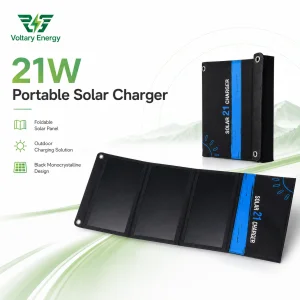
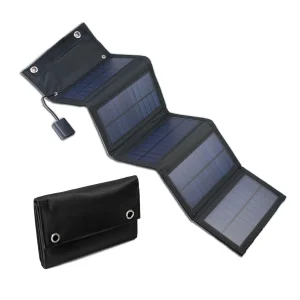
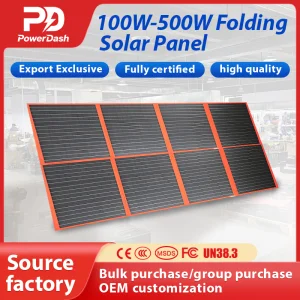
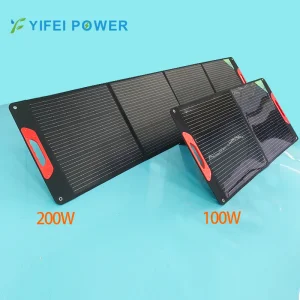
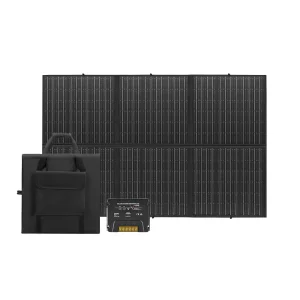
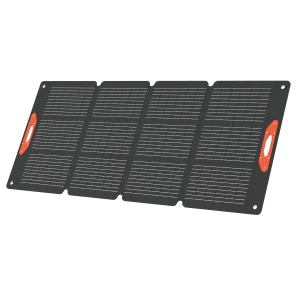
A Professional Manufacturer of Monocrystalline and Bifacial Solar Modules for Global Off-Grid Needs
Ningbo Halkirk Solar Co., Ltd. is a professional China solar panel manufacturer and monocrystalline & bifacial solar module supplier, dedicated to delivering high-efficiency renewable energy solutions to customers worldwide. Located in Ningbo, China, the company integrates research and development, manufacturing, quality control, and global sales to provide reliable solar products for residential, commercial, industrial, and utility-scale applications.
Halkirk Solar specializes in the production of monocrystalline solar panels, bifacial solar modules, TOPCon solar panels, N-type solar modules, off-grid solar solutions, on-grid solar systems, and customized photovoltaic products. Leveraging advanced cell technology and intelligent manufacturing processes, our products are designed to maximize energy output, improve conversion efficiency, and ensure long-term performance in diverse environmental conditions.
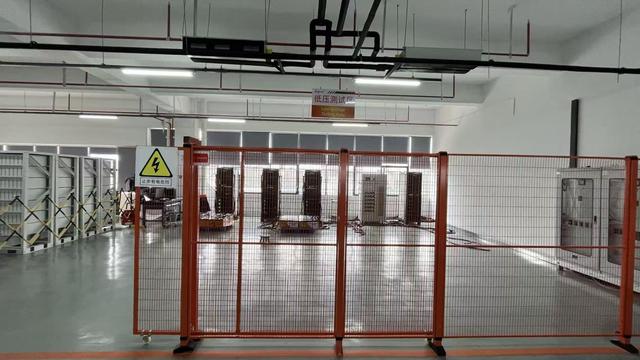
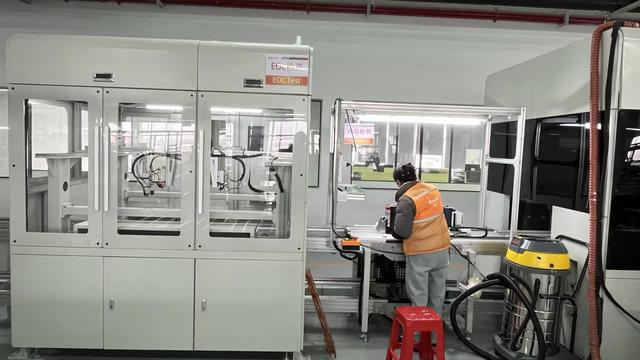
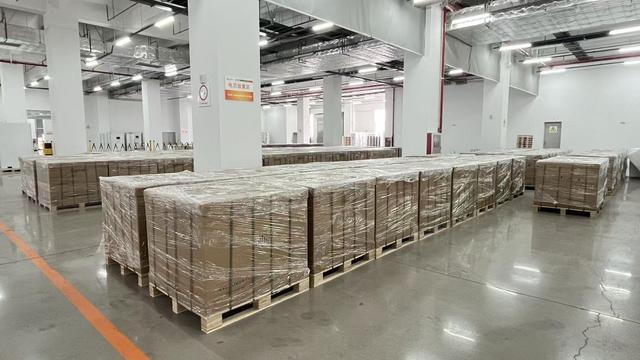
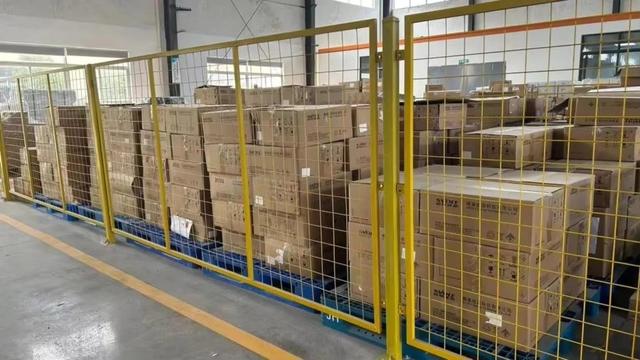
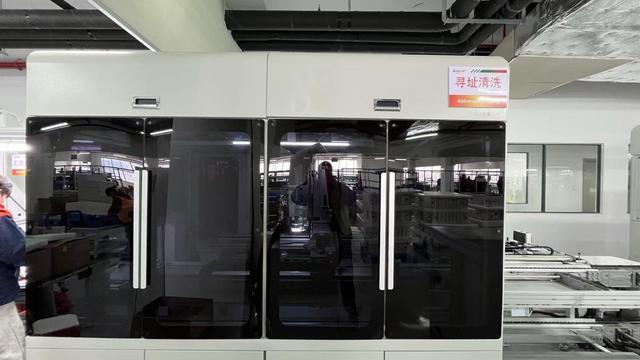
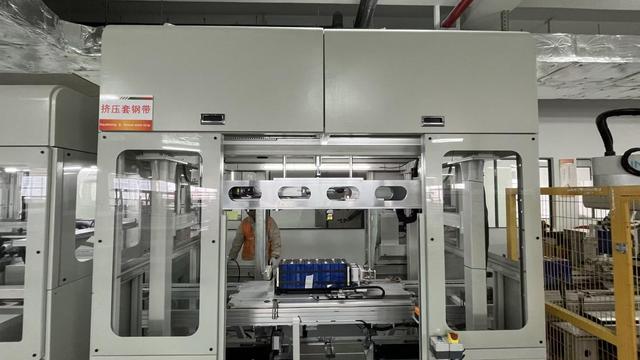
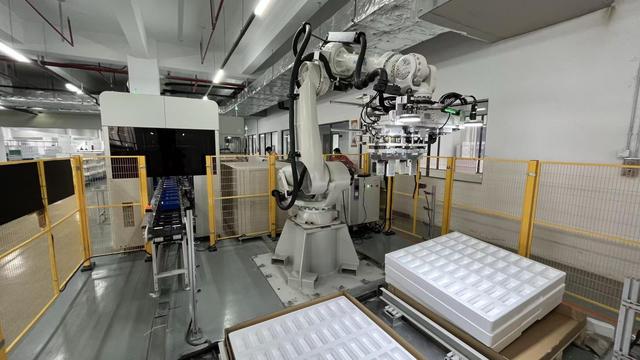
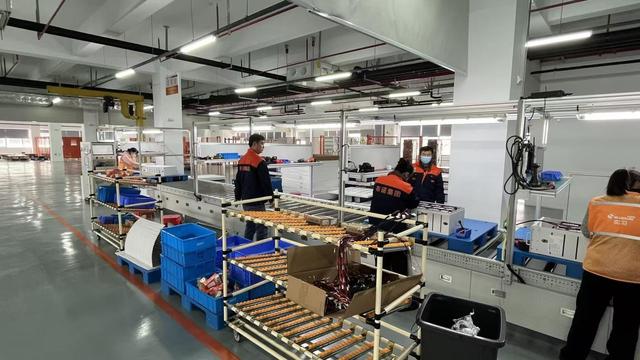
Our modern manufacturing facility is equipped with automated production lines, precision testing equipment, and strict quality management systems. Every solar module undergoes comprehensive inspections and performance testing to guarantee superior reliability, durability, and compliance with international standards. We are committed to providing products that meet the evolving demands of the global renewable energy market.
To better serve international customers, Halkirk Solar offers flexible OEM and ODM services for solar brands, distributors, EPC contractors, wholesalers, and project developers. Our experienced engineering and technical teams work closely with clients to deliver customized solar solutions tailored to specific project requirements, market demands, and branding needs.
Driven by innovation, sustainability, and customer satisfaction, Ningbo Halkirk Solar Co., Ltd. continues to expand its presence in global markets. We strive to become a trusted partner in the photovoltaic industry by providing high-quality solar modules and comprehensive clean energy solutions that contribute to a greener and more sustainable future.
Answers to common questions from solar design engineers, procurement specialists, and distributors in New England.
N-Type TOPCon (Tunnel Oxide Passivated Contact) cells offer several key advantages over traditional P-type PERC cells. First, they provide higher conversion efficiency (exceeding 22.5% to 24%). Second, they suffer zero Light-Induced Degradation (LID), meaning they maintain their power output better over time. They also perform better in low-light conditions—such as during typical New England winter days—enabling off-grid systems to charge earlier in the morning and later in the afternoon.
ETFE (Ethylene Tetrafluoroethylene) is a highly durable fluorocarbon-based polymer. Unlike standard PET, which can yellow, crack, and peel after 2-3 years under UV light, ETFE provides excellent UV resistance and chemical stability. It is highly resistant to saltwater corrosion and abrasive marine environments, making it the ideal material choice for flexible solar modules deployed on boats, yachts, and coastal monitoring setups along the Massachusetts coast.
Solar panels perform more efficiently at lower temperatures. Cold weather increases the panel's open-circuit voltage (Voc), allowing it to work at peak output. However, operators must design systems to handle this voltage rise to prevent damage to solar charge controllers on cold, sunny days. Our technical teams help configure systems with the correct safety margins for Boston's winter temperature ranges.
Yes. We specialize in providing complete OEM and ODM services. We customize power outputs, structural sizes, backing colors, junction box locations, connector types (such as MC4, Anderson, or USB-C PD), and add custom branding. This helps distributors, EPC contractors, and equipment manufacturers in Boston and around the world design systems to meet their exact market needs.
Connect with our technical engineering division. Whether you need container-level wholesale pricing, custom OEM designs, or test units for marine and industrial applications, we are here to support your team.
Send Inquiry Now Halkirk Solar