Halkirk Solar
Premium Range
Berlin Standard Residential Solar Solutions
Specially optimized for Central European solar irradiance patterns, balancing peak-load performance with high diffuse light conversion.
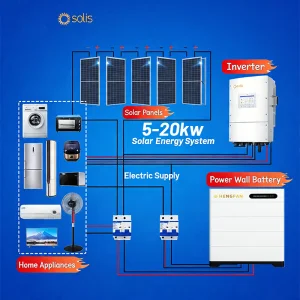
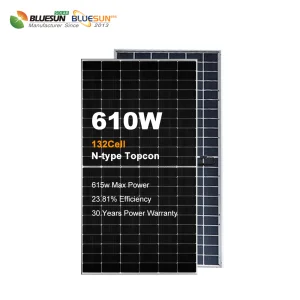
Specially optimized for Central European solar irradiance patterns, balancing peak-load performance with high diffuse light conversion.
The transition toward renewable energy in Germany's capital is not merely an environmental trend; it is now enshrined in municipal and federal law. With the implementation of the Solargesetz Berlin (Berlin Solar Act), which took full effect on January 1, 2023, new residential buildings as well as substantial roof renovations on existing residential structures are legally required to integrate photovoltaic installations covering at least 30% of their roof areas. This mandate forms a core pillar of Berlin's climate target: achieving carbon neutrality by 2045.
Operating under typical Central European weather patterns, Berlin experiences moderate solar irradiance, averaging approximately 950 to 1050 kWh/m² annually. Consequently, local EPC (Engineering, Procurement, and Construction) contractors, real estate developers, and grid operators are prioritizing panel technologies that optimize low-light and diffuse-light yield. The standard historical reliance on P-type PERC cells is giving way to next-generation N-type TOPCon and Back Contact (ABC/HBC) technologies, which offer superior temperature coefficients and minimal degradation rates over their 25-to-30-year operational lifespans.
To secure a reliable return on investment (ROI) in Berlin's residential sectors, developers must carefully evaluate the current technological landscape. The dominant trends in module technology show a clear trajectory toward maximizing the active cell area and minimizing recombination losses:
| Technology | Average Efficiency | Bifaciality Factor | Temperature Coefficient | Key Strengths in Berlin Climate |
|---|---|---|---|---|
| N-Type TOPCon | 22.0% – 23.5% | 75% – 85% | -0.30% / °C | Excellent diffuse light response during overcast autumn/winter months. |
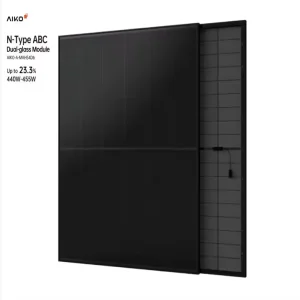
| ABC / Back Contact | 23.0% – 24.5% | 60% – 70% | -0.29% / °C | Aesthetic full-black profile, ideal for historical preservation quarters in Berlin. |
| HJT (Heterojunction) | 22.5% – 24.0% | 85% – 95% | -0.26% / °C | Highest power density, suited for space-constrained multi-family flat roofs. |
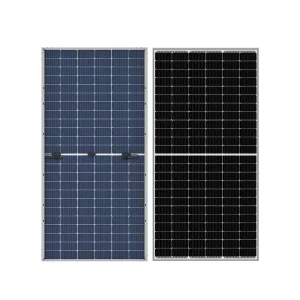
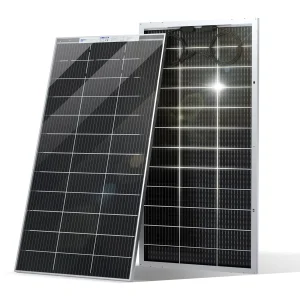
For residential installations, dual-glass (bifacial) architecture has become a prominent design feature. Rear-side yield optimization allows flat-roof installations to harness reflected light from adjacent structures and light-colored roof membranes, producing up to a 20% increase in total energy yield over standard monofacial systems.
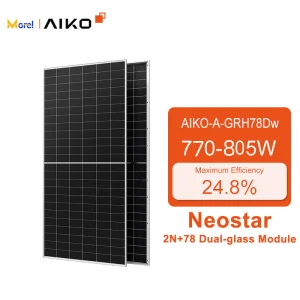
Core SEO Information Gain: In urban developments, spatial limits dictate module power density. Integrating high-wattage modules (like the AIKO ABC 800W range or TOPCon 700W modules) allows multi-family housing cooperatives (Wohnungsbaugenossenschaften) to fulfill the statutory Solargesetz mandates while generating surplus energy for tenant electricity models (Mieterstrom-Modelle), lowering the Levelized Cost of Energy (LCOE).
Sourcing high-performance modules from Tier 1 manufacturing facilities in China requires robust logistical frameworks. As a manufacturing powerhouse based in Ningbo, China, Ningbo Halkirk Solar Co., Ltd. streamlines this process by offering direct maritime transport routes from the Port of Ningbo-Zhuan to the Port of Hamburg. From Hamburg, cargo is shipped via inland waterways or freight rail connections directly to Berlin’s main logistic hubs, such as the Westhafen.
Furthermore, global B2B procurement demands flexible OEM and ODM setups. European project developers often require custom dimensions to comply with structural loading limits of older building stock in Berlin. By engineering specialized dual-glass panels under the 2 m² threshold (historically required under German DIBt building regulations, and still preferred for ease of rooftop handling by local installers), Halkirk Solar bridges high-volume industrial capability with site-specific German building standards.
Integrating Automated Silicon Assembly lines, Advanced Cell Testing, and Stringent European Compliance Audits
Ningbo Halkirk Solar Co., Ltd. is a professional China solar panel manufacturer and monocrystalline & bifacial solar module supplier, dedicated to delivering high-efficiency renewable energy solutions to customers worldwide. Located in Ningbo, China, the company integrates research and development, manufacturing, quality control, and global sales to provide reliable solar products for residential, commercial, industrial, and utility-scale applications.
Halkirk Solar specializes in the production of monocrystalline solar panels, bifacial solar modules, TOPCon solar panels, N-type solar modules, off-grid solar solutions, on-grid solar systems, and customized photovoltaic products. Leveraging advanced cell technology and intelligent manufacturing processes, our products are designed to maximize energy output, improve conversion efficiency, and ensure long-term performance in diverse environmental conditions.
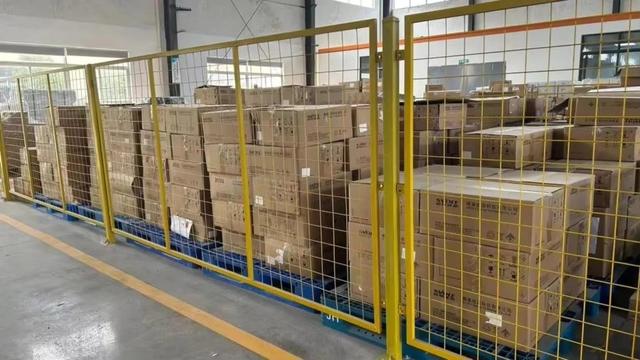
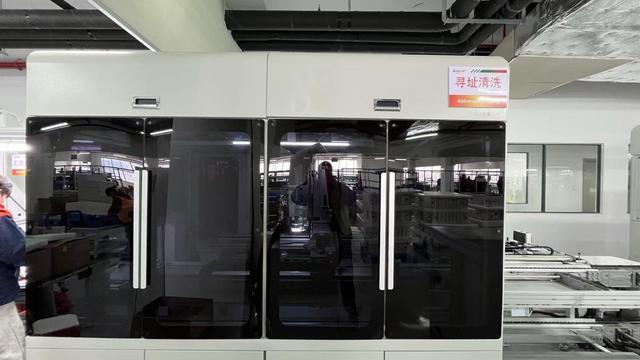
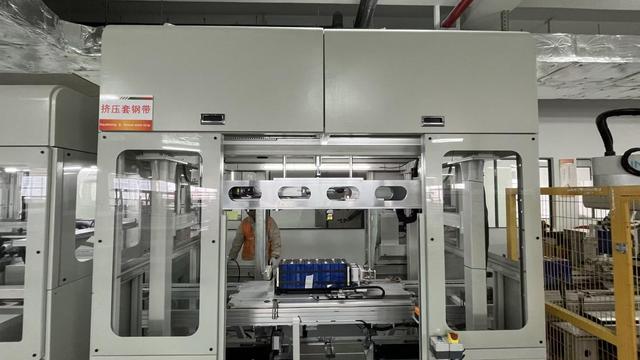
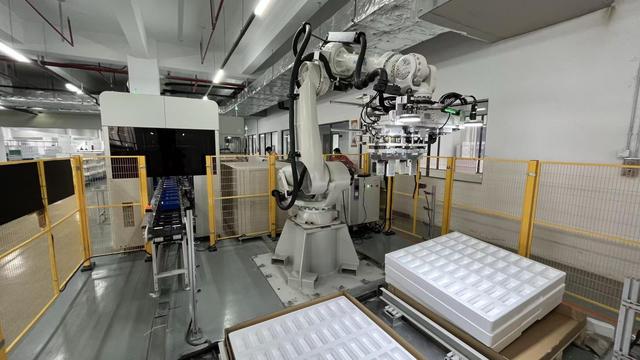
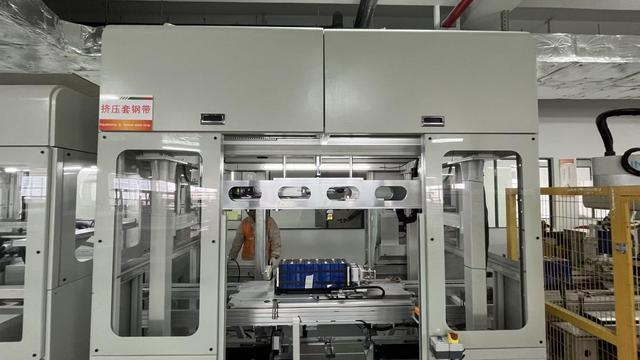
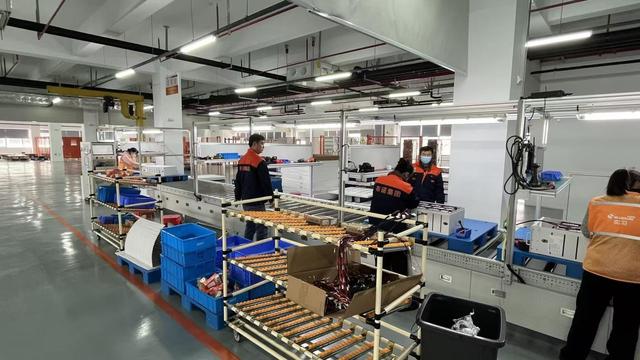
Our modern manufacturing facility is equipped with automated production lines, precision testing equipment, and strict quality management systems. Every solar module undergoes comprehensive inspections and performance testing to guarantee superior reliability, durability, and compliance with international standards. We are committed to providing products that meet the evolving demands of the global renewable energy market.
To better serve international customers, Halkirk Solar offers flexible OEM and ODM services for solar brands, distributors, EPC contractors, wholesalers, and project developers. Our experienced engineering and technical teams work closely with clients to deliver customized solar solutions tailored to specific project requirements, market demands, and branding needs.
Driven by innovation, sustainability, and customer satisfaction, Ningbo Halkirk Solar Co., Ltd. continues to expand its presence in global markets. We strive to become a trusted partner in the photovoltaic industry by providing high-quality solar modules and comprehensive clean energy solutions that contribute to a greener and more sustainable future.
Our manufacturing floor uses automated multi-busbar (MBB) stringers to minimize micro-crack risks and optimize current collection paths across all cell surfaces.
Every module is subjected to EL testing before and after lamination to identify invisible micro-fractures, cell gaps, or thermal hotspots, ensuring zero-defect exports to Berlin.
Engineered to withstand heavy snow and wind loads characteristic of Northern and Central European winters, compliant with IEC 61215/61730 certifications.
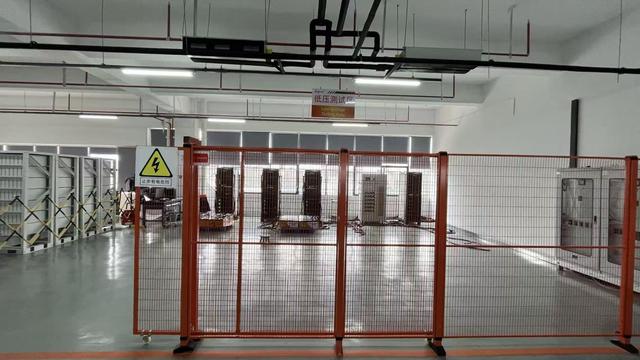
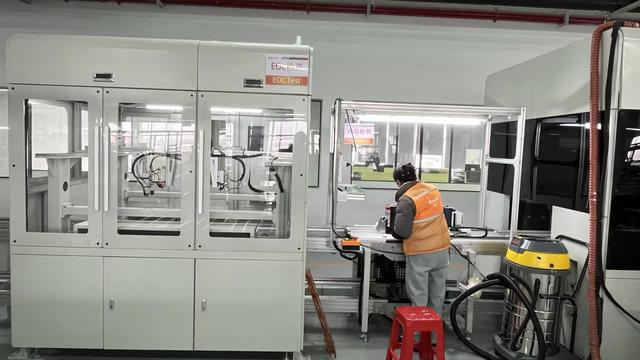
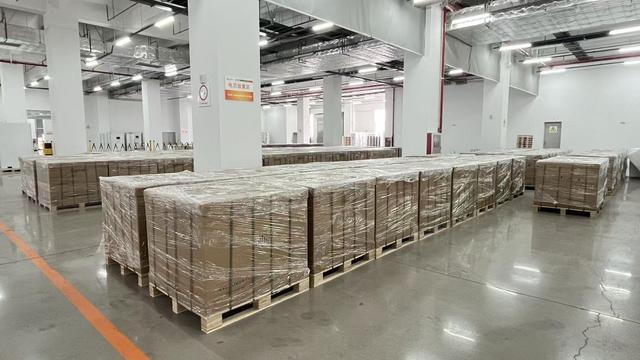
Integrating into the German electrical grid requires strict adherence to national safety codes and grid regulations.
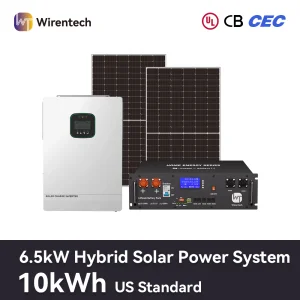
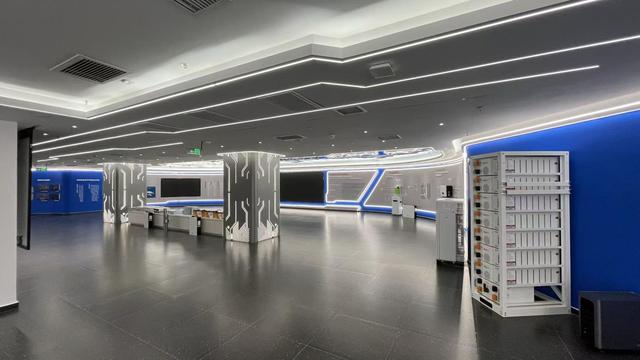
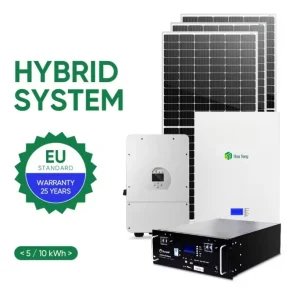
Our integrated hybrid solar systems use inverters pre-configured with the required low-voltage grid connection rules (VDE-AR-N 4105), featuring integrated NA protection (grid and system protection) for fast feed-in approvals in Berlin-Brandenburg (Stromnetz Berlin).
Following the latest German Solarpaket I legislative update, our plug-and-play balcony systems feature 800W maximum inverter export limits while paired with dual high-power panels to optimize yield during low-sun hours.
All monocrystalline, N-type, and ABC modules conform to EU Directives. We supply test certificates for EN 61215 (design qualification) and EN 61730 (safety qualification) for building safety approvals.
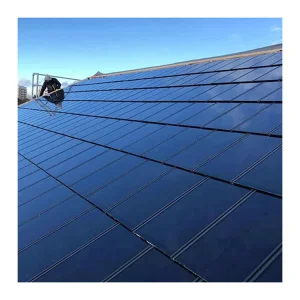
Explore our full line of residential modules, hybrid inverter systems, off-grid kits, and structural BIPV options designed for Berlin's modern developments.
Addressing top technical questions from local Berlin installers, municipal developers, and supply-chain procurers.
Yes. While VDE-AR-N 4105 primarily regulates the behavior of grid-connected inverters (specifically active power reduction, reactive power control, and dynamic grid support), our complete solar system sets are integrated with certified smart hybrid inverters that comply with VDE-AR-N 4105. Additionally, the photovoltaic modules carry full IEC 61215/61730 certifications, which are prerequisites for registration with the Stromnetz Berlin.
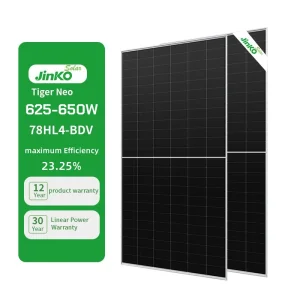
The Berlin Solar Act mandates that at least 30% of roof space on new structures and roof renovations must contain solar panels. This means maximizing output on limited areas is key. Our TOPCon (700W) and ABC Technology (up to 805W) dual-glass modules offer higher efficiency per square meter, enabling residential property owners to meet building code targets with fewer panels, thereby minimizing load and structural reinforcement costs.
Typically, sea transit from the Port of Ningbo-Zhoushan to the Port of Hamburg takes approximately 30 to 35 days. Inland transport from Hamburg to regional warehouses or directly to projects in Berlin requires an additional 3 to 5 days via rail or road. We assist with custom logistics clearances, supply standard EU import documentation, and support OEM/ODM packaging options to prevent transit damage.
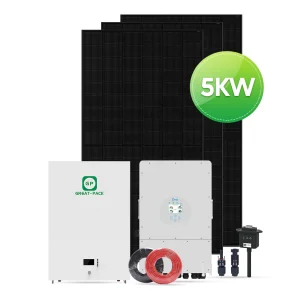
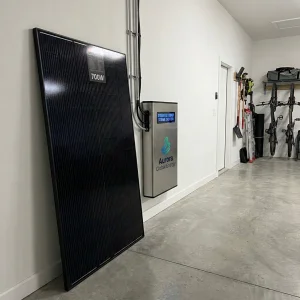
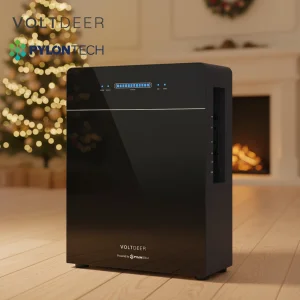
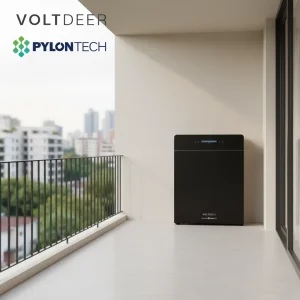
Our Germany-specific balcony storage systems (5.12kWh and integrated hybrid packs) are optimized to match the VDE standards and Solarpaket I rules. Inverters can limit output to 800W, allowing easy connection to standard residential circuits without requiring a professional grid-operator inspection. They store surplus energy locally, solving the typical problem of unused feed-in power and lowering household energy bills.
Get in touch with our Ningbo-based engineering team to request customized design drawings, custom container-load pricing, and regional compliance documentation.
Send Inquiry Now