Engineered to match local residential grid configurations, architectural aesthetics, and high-efficiency yield mandates.
Understanding the regulatory dynamics, grid connections, and fiscal incentives shaping PV adoption in the Grand Duchy.
The Grand Duchy of Luxembourg has positioned itself at the forefront of the European ecological transition. Managed under the ambitious national Integrated National Energy and Climate Plan (PNEC), Luxembourg aims to source 35% to 37% of its total electricity demand from renewable energy sources by 2030. Given Luxembourg's high population density and limited geographic footprint, decentralized residential rooftop photovoltaics (PV) and building-integrated systems are vital pathways to achieving these carbon neutrality goals.
Through the progressive Klimabonus program, the Luxembourgish government provides substantial financial subsidies covering up to 62.5% of PV installation costs when paired with a home energy storage battery system. Moreover, the net-metering framework operated by major distribution system operators (DSOs) such as Creos Luxembourg S.A., Sudstroum, and Electris ensures that residential clean energy producers receive competitive feed-in tariffs. This structural support has transformed residential PV installations from a purely environmental choice into a highly profitable long-term asset yield asset class.
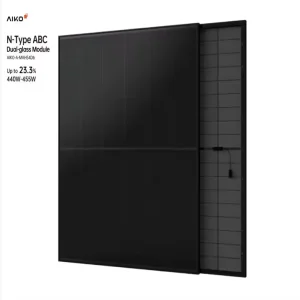
Luxembourg retains strict municipal building codes (PAG/PAP) and aesthetic covenants, particularly in historic communes like Vianden, Echternach, and historic quarters of Luxembourg City. Standard silver-framed PV panels are frequently rejected by local planning authorities due to reflection and architectural visual disruption. This creates an intense demand for high-efficiency Full Black Monocrystalline Modules and BIPV (Building-Integrated Photovoltaics) that blend seamlessly with slate roofs and modern facades.
Furthermore, connection to the low-voltage grid in Luxembourg requires strict adherence to standard **VDE-AR-N 4105** (European Grid Code harmonization) along with the installation of specialized smart meters (Smarty). Residential PV hardware must deliver advanced frequency control, active power limiting, and fail-safe integrated micro-inverter options to maintain network resilience.
A professional China solar panel manufacturer and monocrystalline & bifacial solar module supplier dedicated to European standards.
Ningbo Halkirk Solar Co., Ltd. is a professional China solar panel manufacturer and monocrystalline & bifacial solar module supplier, dedicated to delivering high-efficiency renewable energy solutions to customers worldwide. Located in the strategic industrial hub of Ningbo, China, the company integrates research and development, manufacturing, quality control, and global sales to provide reliable solar products for residential, commercial, industrial, and utility-scale applications.
Halkirk Solar specializes in the production of monocrystalline solar panels, bifacial solar modules, TOPCon solar panels, N-type solar modules, off-grid solar solutions, on-grid solar systems, and customized photovoltaic products. Leveraging advanced cell technology and intelligent manufacturing processes, our products are designed to maximize energy output, improve conversion efficiency, and ensure long-term performance in diverse environmental conditions.
Our modern manufacturing facility is equipped with automated production lines, precision testing equipment, and strict quality management systems. Every solar module undergoes comprehensive inspections and performance testing to guarantee superior reliability, durability, and compliance with international standards. We are committed to providing products that meet the evolving demands of the global renewable energy market.
To better serve international customers, Halkirk Solar offers flexible OEM and ODM services for solar brands, distributors, EPC contractors, wholesalers, and project developers. Our experienced engineering and technical teams work closely with clients to deliver customized solar solutions tailored to specific project requirements, market demands, and branding needs. Driven by innovation, sustainability, and customer satisfaction, Ningbo Halkirk Solar Co., Ltd. continues to expand its presence in global markets, offering clean energy solutions that contribute to a greener and more sustainable future.
How Halkirk Solar modules solve local geographical and climate-specific installation hurdles.
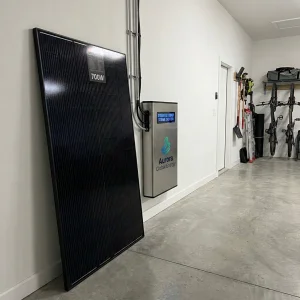
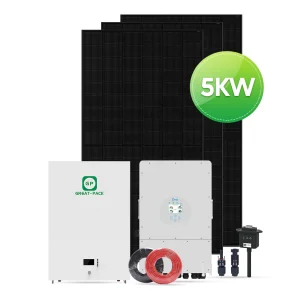
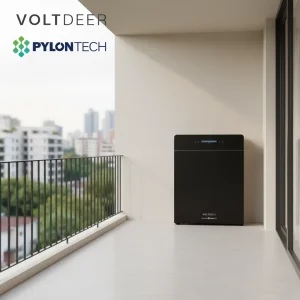
In urban centers like Luxembourg-Limpertsberg and Bonnevoie, residential roof space is at a premium. Our All-in-One Balcony Solar Systems (5.12kWh) and lightweight, low-reflection Full Black modules allow renters and historic building owners to tap into solar power without compromising aesthetic covenants.
Luxembourg experiences prolonged, overcast winter months. P-type PERC panels suffer from poor low-light response under diffuse winter sky cover. Halkirk Solar’s N-Type TOPCon and ABC technology exhibits superior spectral response under diffuse sunlight, generating up to 10% more power during cold, cloudy seasons.
Older Luxembourgish slate roofs can have structural weight restrictions. Our dual-glass bifacial modules are engineered with high-strength tempered glass and lightweight alloy frames to withstand up to 5400 Pa of snow load and 2400 Pa of wind load, ensuring safety during North-European winter storms.
Strategic integration of Ningbo's deep logistical infrastructure and advanced silicon production pathways.
As a leading Chinese manufacturer situated in Ningbo, the world’s busiest port hub, Halkirk Solar bridges the gap between massive raw material supply chains and Luxembourg’s high-precision residential energy requirements. Our vertically integrated production model eliminates third-party markups, sourcing direct wafer supply, advanced polymer backsheets, and ultra-durable PV glass within a 150km industrial radius.
This localized supply chain cluster allows us to maintain stable pricing and product availability even during global freight shocks. For Luxembourg distributors and EPC installation firms, we secure a stable supply of N-Type cells and microinverter components, with direct shipping networks from Ningbo Port straight to the major European inland ports of Rotterdam and Antwerp, followed by prompt container delivery to Luxembourg logistics centers in Bettembourg.
Our strategic path toward next-generation cell architectures that maximize energy density on limited roof space.
The global solar market is undergoing a structural transition away from legacy P-type PERC technology. To address the needs of land-constrained, high-latitude markets like Luxembourg, Halkirk Solar has optimized its production lines to focus on N-type Tunnel Oxide Passivated Contact (TOPCon) and All-Back Contact (ABC) cell technologies. These innovations offer several distinct benefits:
Our N-type modules achieve a temperature coefficient of -0.30%/°C. In summer heat, when performance drops on older panels, our modules maintain highly efficient output, reducing local generation losses.
By eliminating boron-oxygen complexes inside our silicon wafers, we eradicate Light-Induced Degradation (LID). This guarantees a 99% first-year power retention rate and over 87.4% at year 30.
Our double-glass bifacial modules reach up to 80-85% bifaciality. They generate significant back-side electricity from light reflected off snow, metal sheets, and light-colored gravel roofs.
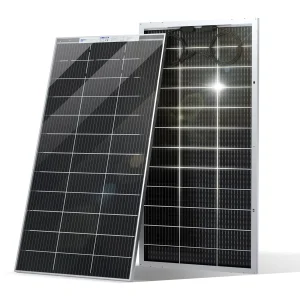
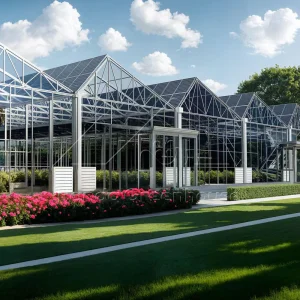
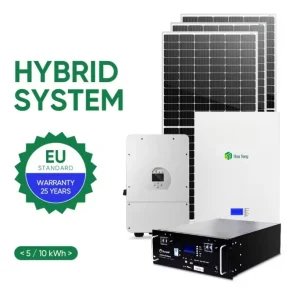
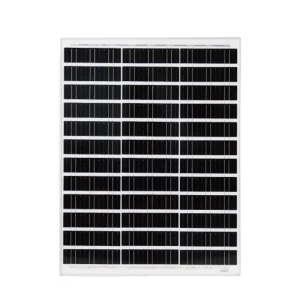
High-output PV modules, off-grid storage setups, and specialized solar building materials.
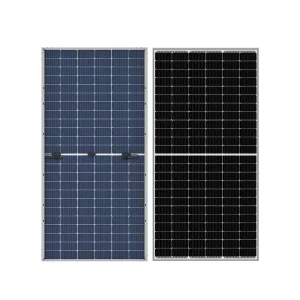
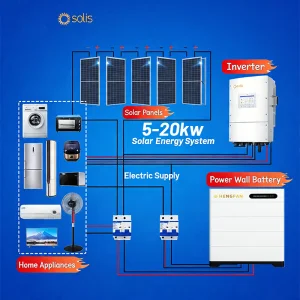
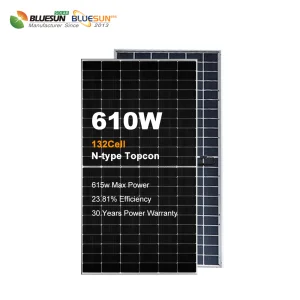
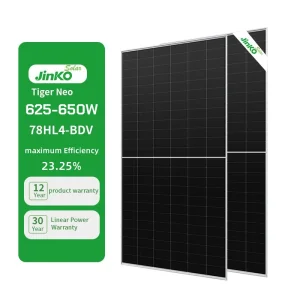
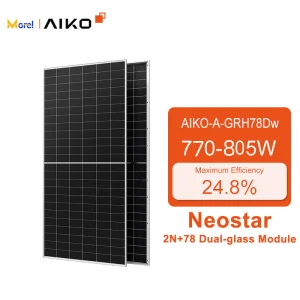
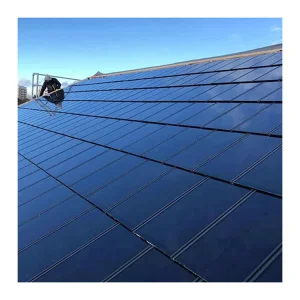
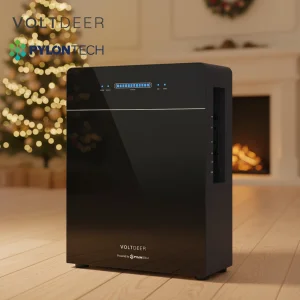
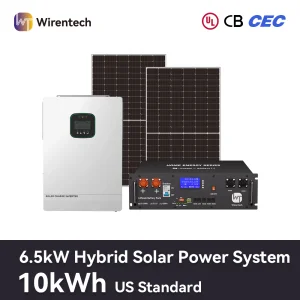
High-capacity kits, structural parking lot canopies, and BIPV glass panels designed for Luxembourgish rural & commercial projects.
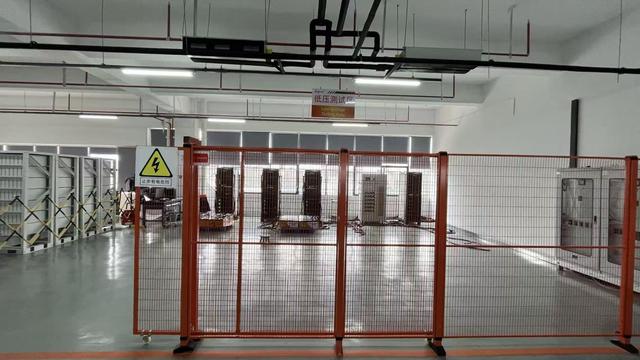
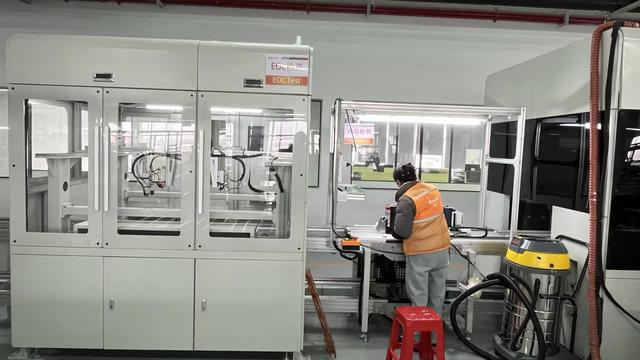
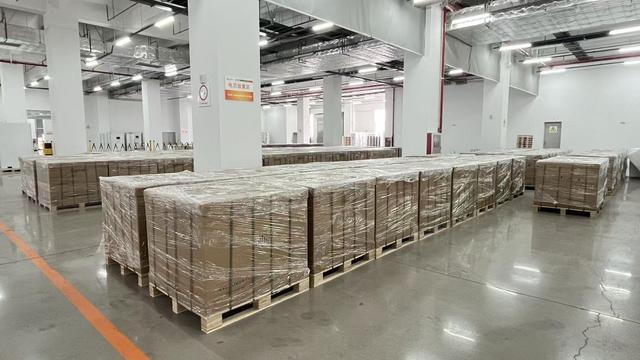
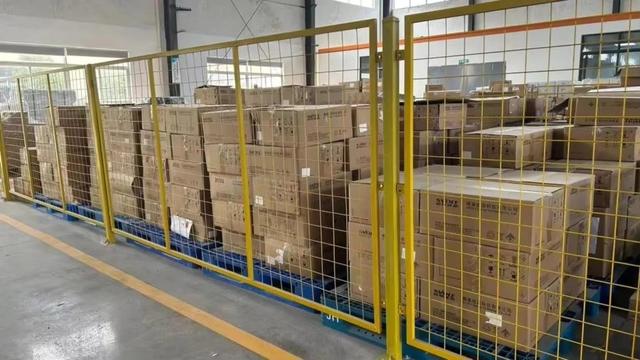
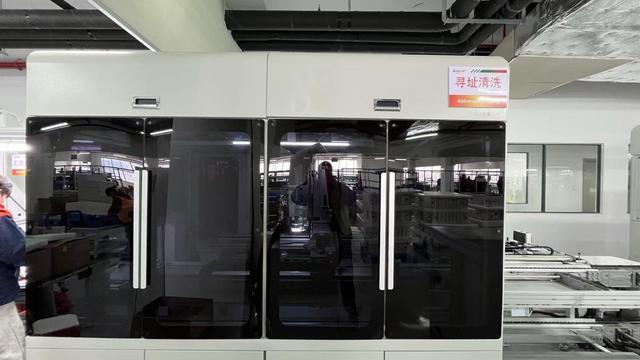
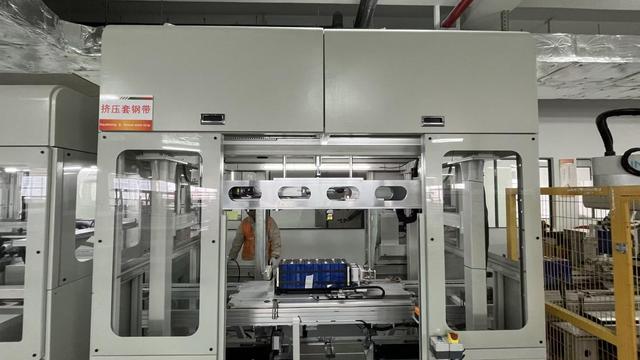
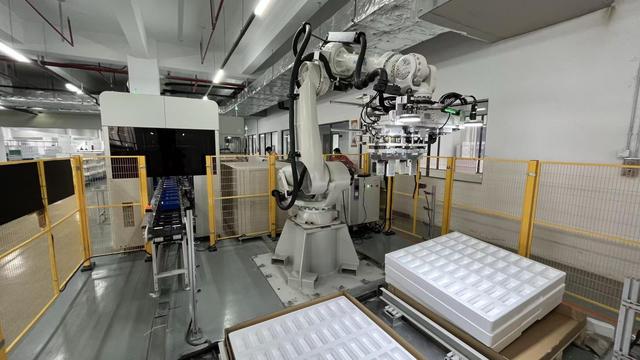
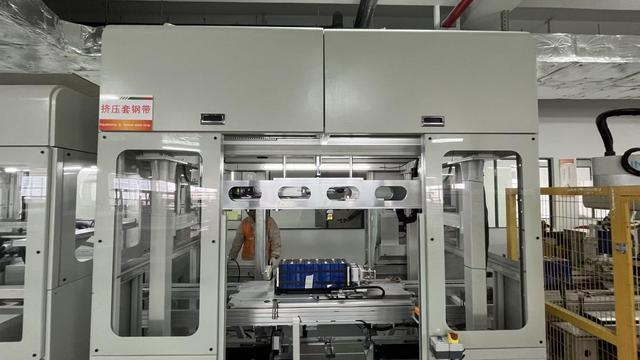
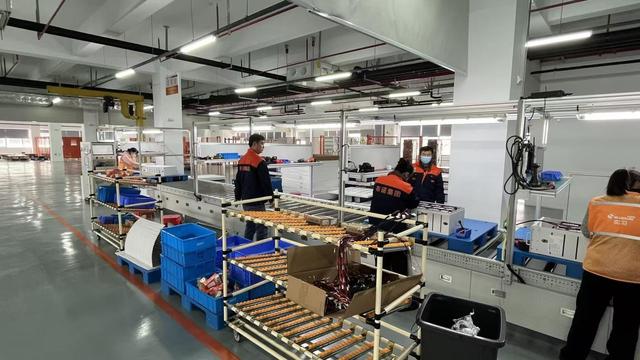
Inside our precision manufacturing workshop: ensuring long-term reliability and zero defect rates.
Quality assurance is the cornerstone of Ningbo Halkirk Solar’s manufacturing philosophy. Our facility leverages automated assembly lines, robotic stringer laying, and thermal laminating ovens to limit human error. Every module batch undergoes double electroluminescence (EL) testing—once before lamination and once after final framing—to identify micro-cracks or cell mismatch problems before the products are loaded for container shipping to European hubs.
Essential technical insights on PV installations, local grids, and financial planning.
To qualify for the Klimabonus subsidy program, your solar installation must be completed by a certified installer holding a valid label like "Energie fir d'Zukunft" or equivalent European accreditation. Halkirk Solar provides complete system data sheets, CE declarations of conformity, and TÜV documentation required by the Luxembourgish environmental agency (Administration de l'environnement) for application processing.
Luxembourg has a temperate climate with high cloud cover during winter and autumn. N-Type TOPCon and ABC panels feature superior low-light performance (diffuse light absorption) compared to traditional P-type PERC panels. They also boast a lower degradation rate (0.4% annually vs 0.7%) and better temperature coefficients, ensuring optimal solar harvest in variable weather conditions.
Yes, our solar modules and integrated power station kits comply fully with low-voltage grid regulations in Luxembourg. They satisfy EN 50549-1 standards and VDE-AR-N 4105 code rules, enabling local certified electricians to easily register the installations with DSOs like Creos, Sudstroum, and Electris.
Yes. We offer comprehensive OEM and ODM solutions, including custom cell branding, custom framing dimensions (ideal for fitting tight European roof templates), and direct structural alterations to meet specific wind and snow loading parameters required by local architectural safety boards.
Planning a residential development in Luxembourg or searching for a manufacturing partner for wholesale distribution? Get custom PV simulation reports, factory-direct pricing, and technical advice from our engineering team.
Send Inquiry Now Halkirk Solar