Halkirk Solar
Strategic Overview: Algeria's Renewable Energy Transition & The Role of N-Type TOPCon
Algeria stands at the threshold of a solar energy renaissance. Boasting one of the highest solar potential indexes in the world, with average daily solar insolation levels reaching up to 2,650 kWh/m²/year in the Saharan regions, the nation is actively pivoting from its traditional hydrocarbon dependency. The Algerian government's ambitious National Renewable Energy and Energy Efficiency Program targets the deployment of 15,000 MW (15 GW) of solar PV capacity by 2035. Achieving this monumental goal demands solar PV modules that can withstand harsh operating conditions, specifically extreme heat, wind-borne sand, and high albedo reflections. This is where Tunnel Oxide Passivated Contact (TOPCon) technology becomes a critical asset.
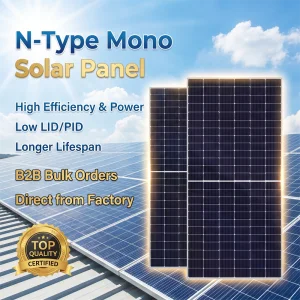
Conventional P-type PERC (Passivated Emitter and Rear Cell) panels, while cost-efficient in the past, suffer from severe degradation under the soaring ambient temperatures of locations like Adrar, Tamanrasset, and Hassi Messaoud. N-type TOPCon technology addresses these pain points directly. With superior temperature coefficients, negligible Light-Induced Degradation (LID), and a much higher bifaciality factor, TOPCon technology ensures that solar installations throughout Algeria yield up to 10% more energy over their operating lifespan than legacy systems.
Technical Breakdown: Why TOPCon Succeeds Where PERC Fails in the Sahara
The physics of N-type silicon wafer bases present substantial advantages over traditional P-type platforms. P-type wafers are doped with boron, making them susceptible to the Boron-Oxygen complex recombination center under light exposure, leading to significant initial power loss (LID). N-type wafers, doped with phosphorus, are fundamentally immune to this defect.
At the heart of the TOPCon cell structure is an ultra-thin silicon oxide tunnel layer (~1.5nm) combined with a highly doped polycrystalline silicon layer. This configuration creates a passivated contact that dramatically reduces carrier recombination at the metal-silicon boundary. The resulting open-circuit voltage ($V_{oc}$) increases beyond 710mV, driving cell conversion efficiencies past 25.5%. In the scorching heat of the Algerian desert, where module temperatures can exceed 75°C, TOPCon's low temperature coefficient of -0.30%/°C (compared to PERC's -0.35%/°C or higher) keeps power output degradation to a minimum.
The Desert Albedo Multiplication Factor
The light-colored sand of the Algerian Sahara reflects a significant portion of sunlight (high albedo). When deploying bifacial N-type TOPCon modules, the backside of the panel absorbs this reflected light, contributing an additional 15% to 30% of energy yield. Combined with a bifaciality index of 80-85%, TOPCon represents the lowest Levelized Cost of Energy (LCOE) for desert-based utility installations.
Localized Application Scenarios in Algeria
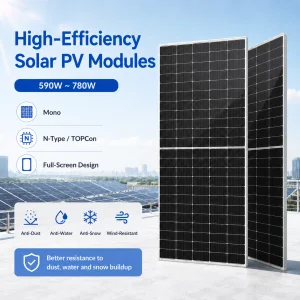
Halkirk Solar's range of TOPCon solar modules has been engineered to match the specific structural and electrical parameters required by Algerian EPC contractors and project developers. Key applications include:
Industrial & Mining Microgrids
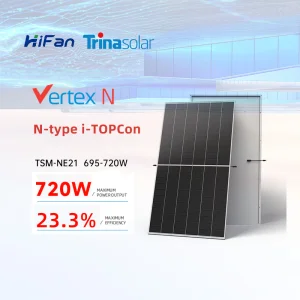
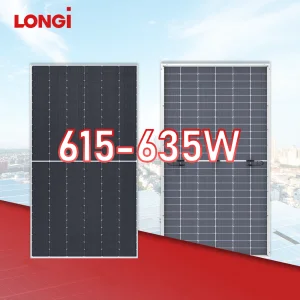
In regions such as Tindouf and Tamanrasset, remote mining and industrial centers rely on expensive diesel fuel. Integrating our high-capacity 720W TOPCon bifacial modules significantly cuts operating expenses and lowers carbon footprints.
Agricultural Water Pumping
In northern coastal farming districts and southern desert oases, TOPCon modules power high-reliability solar water pumps, offering steady energy yields throughout the day even under hazy or partially overcast skies.
State-Sponsored Utility Tender Projects
Designed to align with Sonelgaz tenders, our large-format, high-power modules maximize land utilization, lower Bos costs (cabling, racking, and inverters), and guarantee high long-term ROI.
C&I and Residential Rooftops
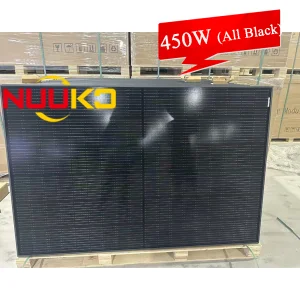
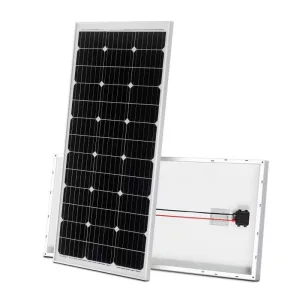
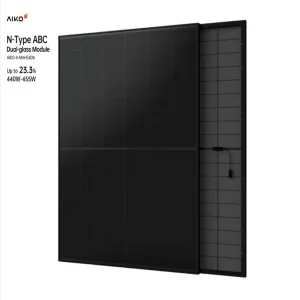
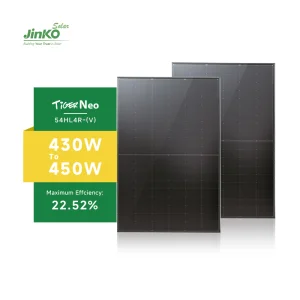
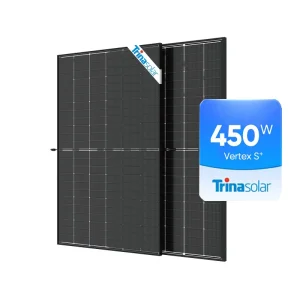
From Algiers to Oran, commercial enterprises and domestic users utilize our sleek 430W-450W full-black and double-glass panels to achieve energy independence amid rising grid tariffs.
Ningbo Halkirk Solar Co., Ltd. - Global Standards, Localized Execution
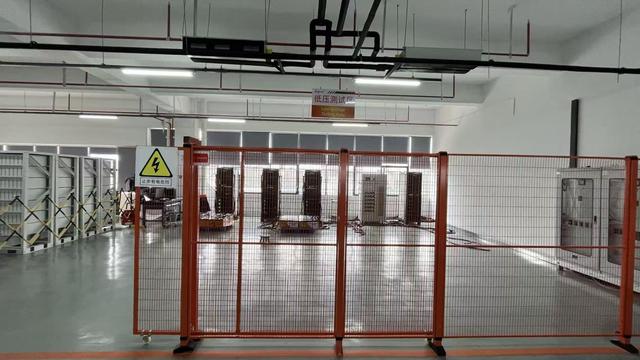
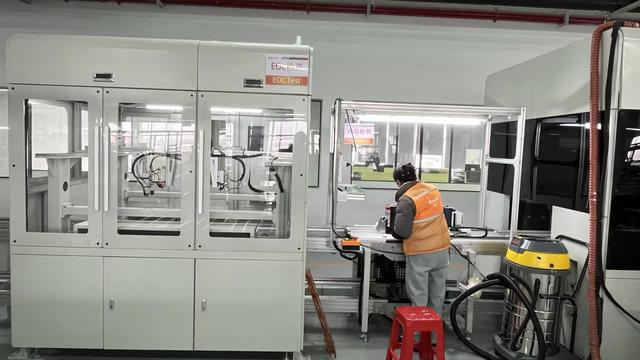
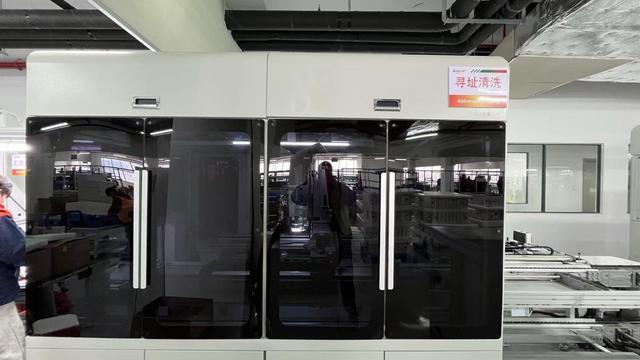
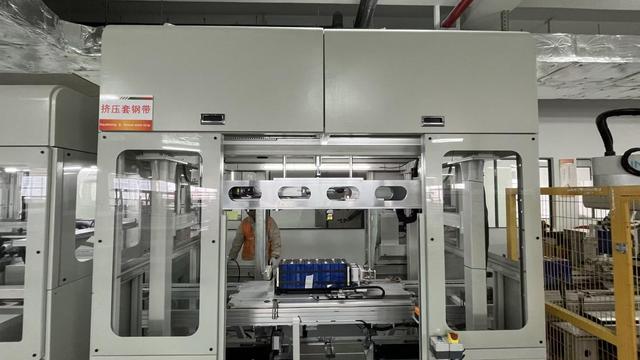
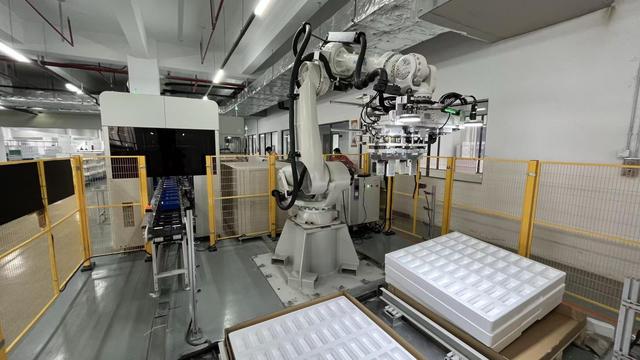
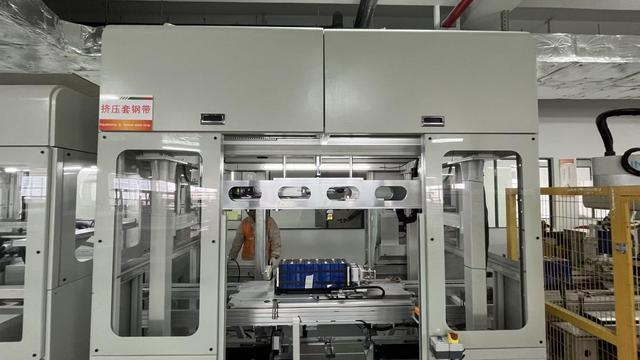
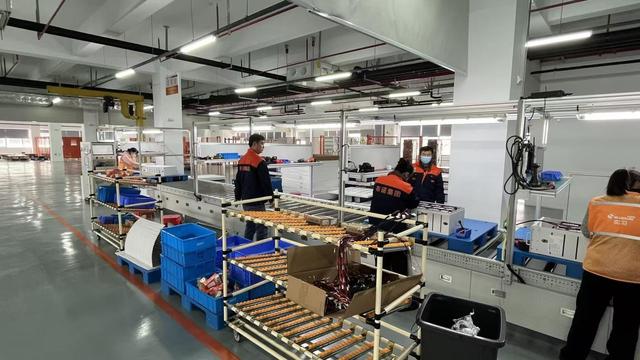
As an industry-leading solar manufacturer, Ningbo Halkirk Solar Co., Ltd. is positioned to supply top-tier PV technology to the Algerian market. Based in Ningbo, China, we operate an advanced, highly automated production base using state-of-the-art stringers, multi-busbar (MBB) positioning, and precise non-destructive cutting tools. Our strategic location near major shipping hubs ensures seamless logistics to key Algerian ports including the Port of Algiers, Port of Oran, and Port of Bejaia.
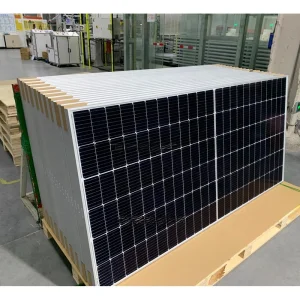
We accommodate the specific requirements of our North African partners by providing flexible OEM and ODM services. From customized module labeling to specialized glass coatings designed to repel Saharan dust, Halkirk Solar acts as a strategic manufacturing partner. Every module is subjected to intensive EL (Electroluminescence) dual inspection, wind load testing (2400 Pa), and snow load testing (5400 Pa), assuring exceptional performance over a 25- to 30-year operational life.