Halkirk Solar
1 / 5
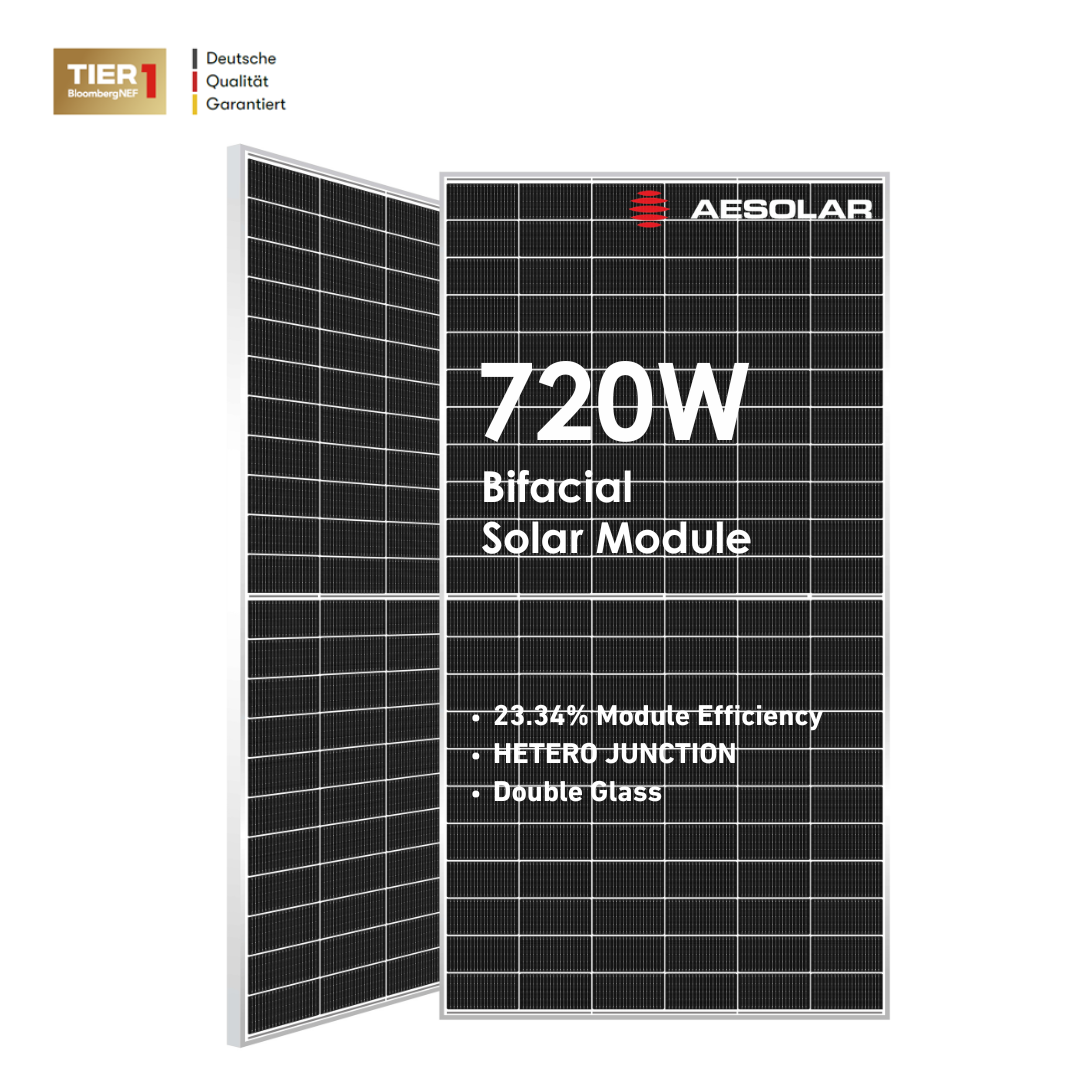
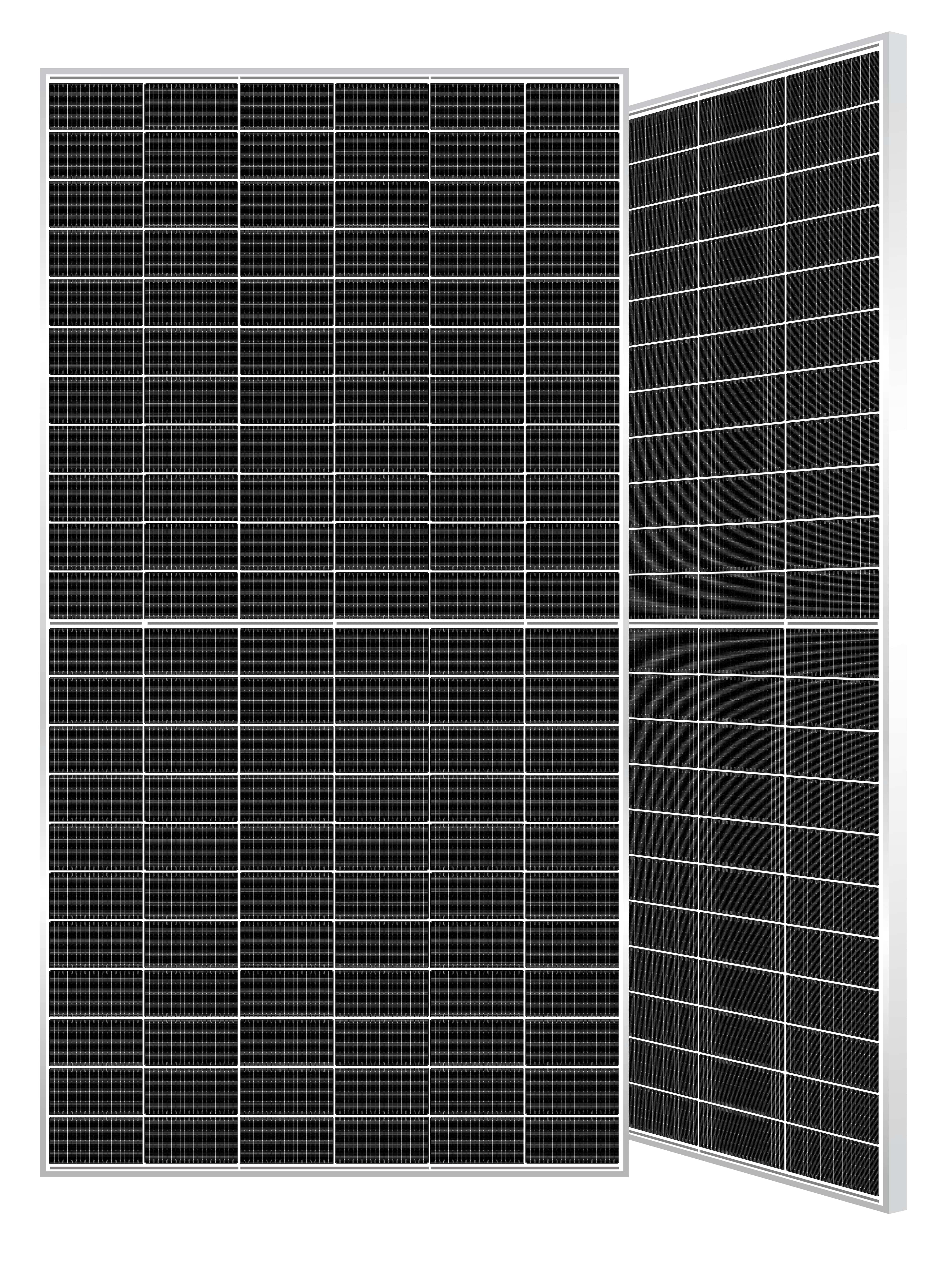
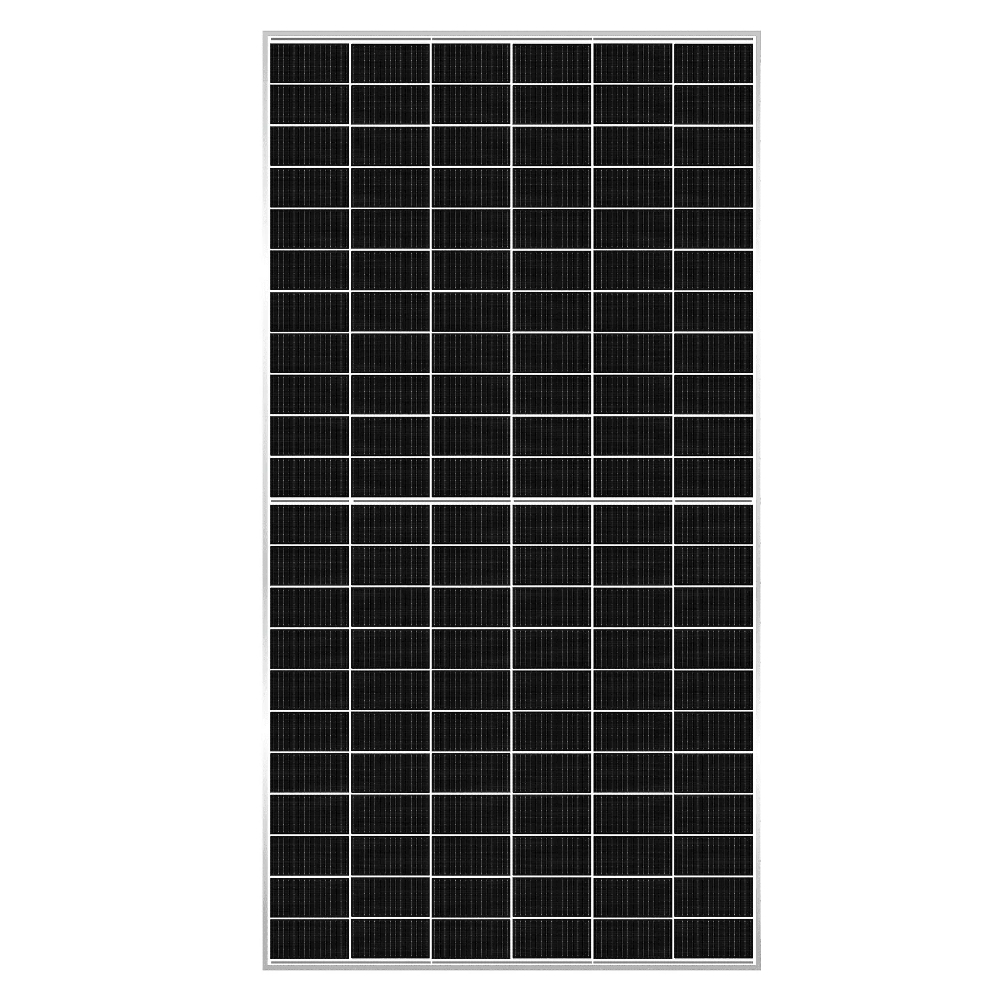
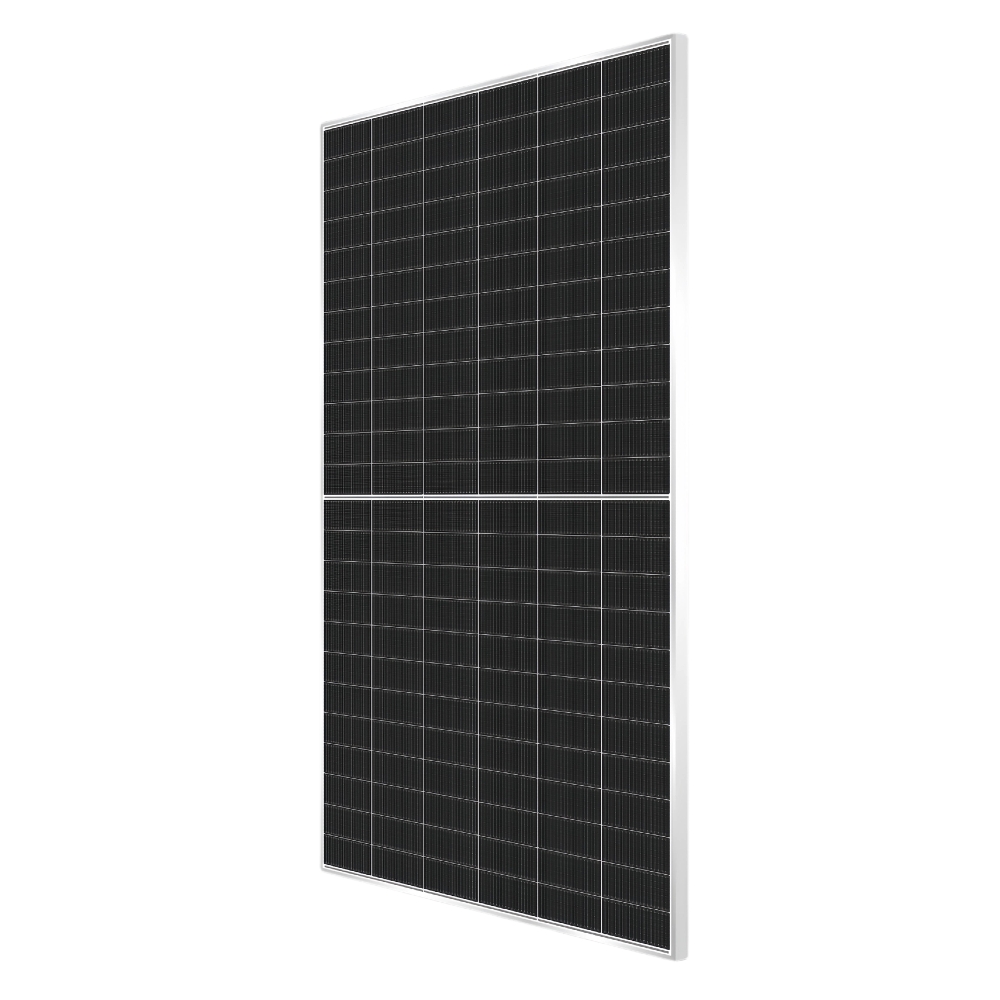
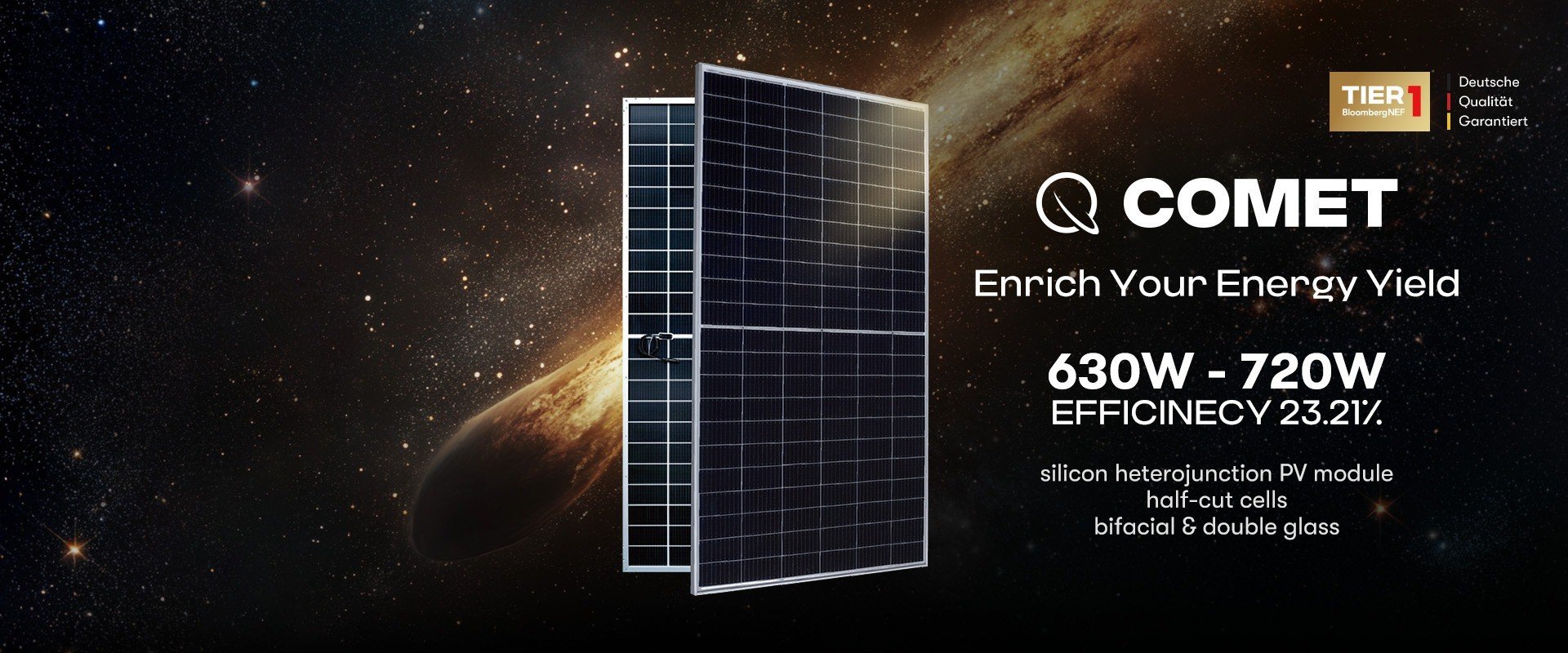
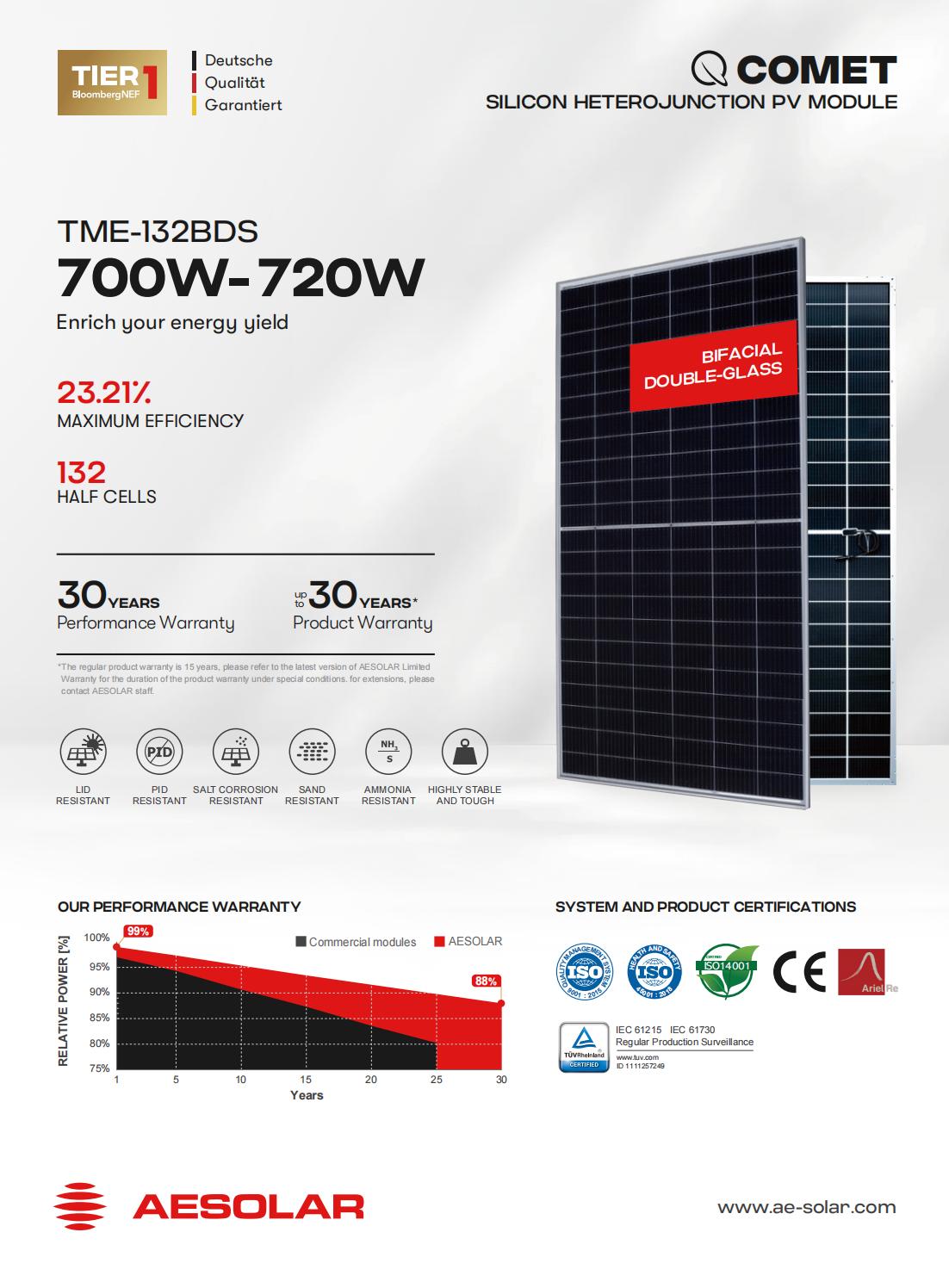


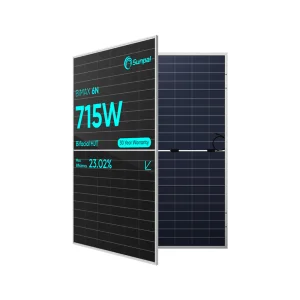
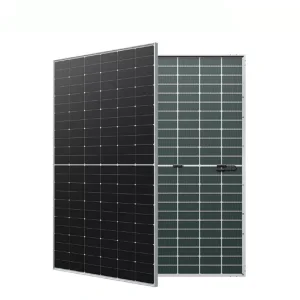
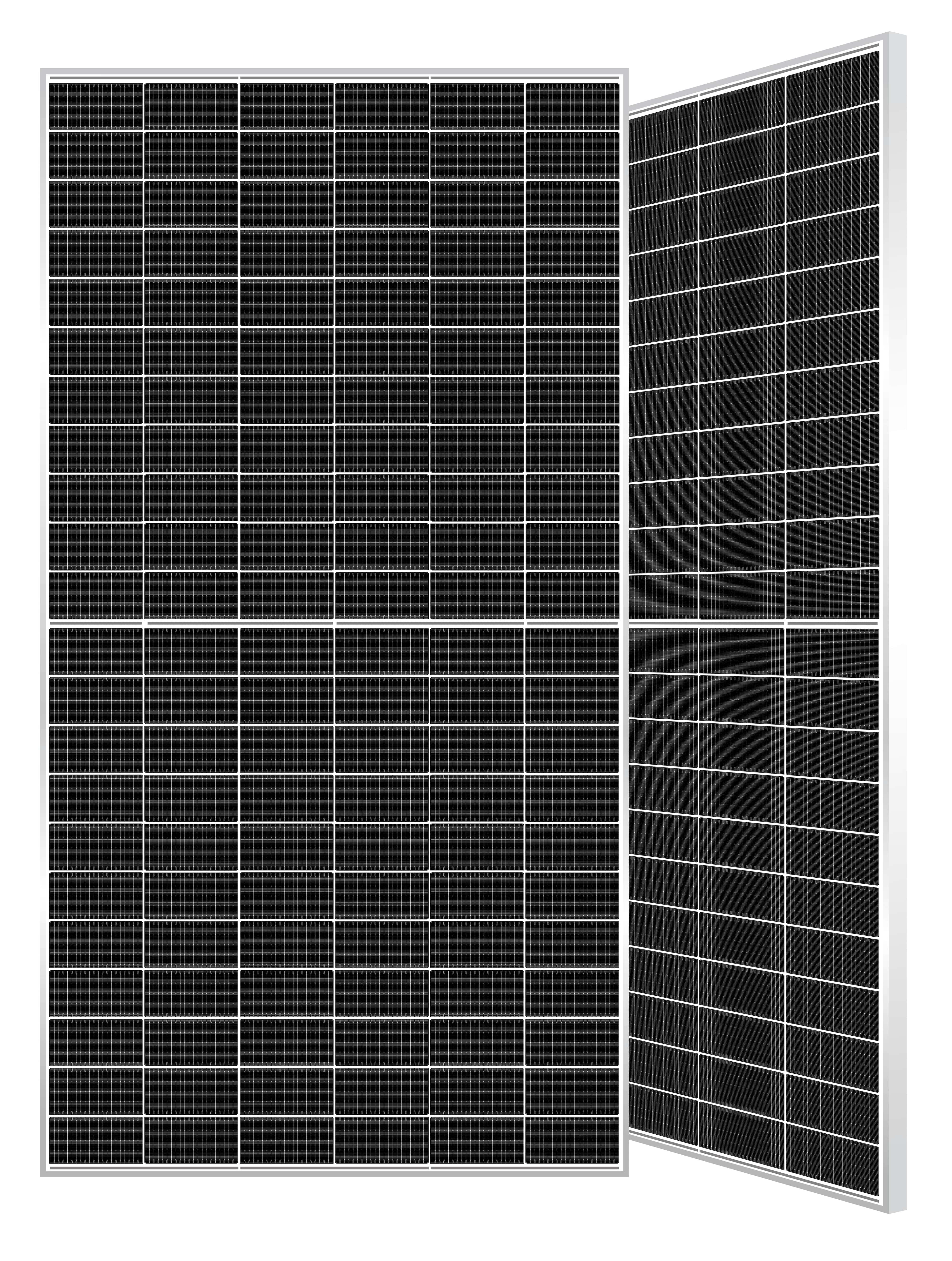
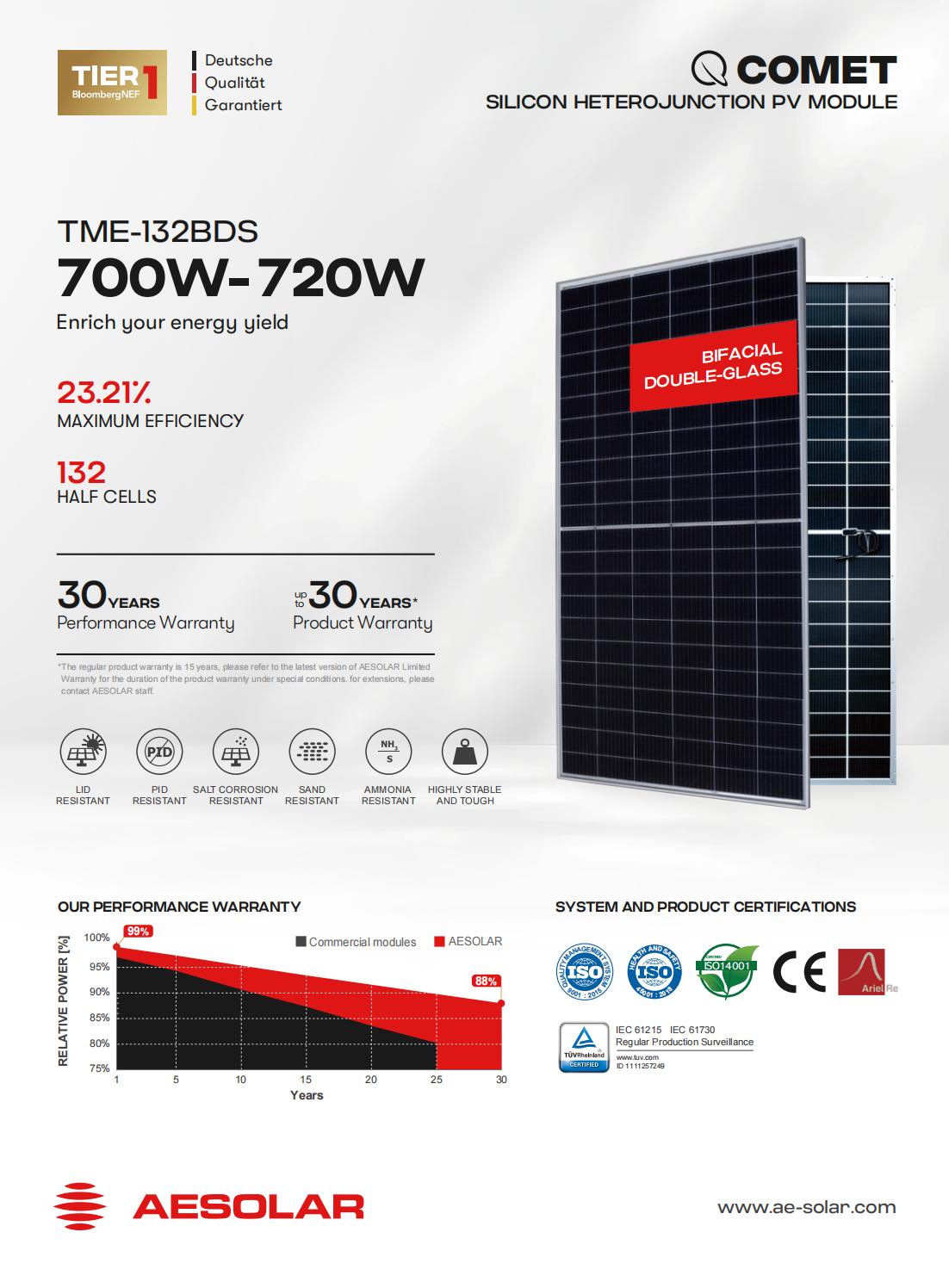
| Solar cell | N type HJT, Mono-Crystalline, 210mm Half-Cut |
| Number of Cells | 132 |
| Front Cover | 2.0 mm glass, high transmission, AR coated, tempered |
| Encapsulation | POE |
| Back Cover | 2.0 mm white glazed glass, tempered |
| Junction Box | IP68 Rated, 3 Bypass Diodes |
| Frame | 35mm Anodized Aluminium Alloy |
| Cable | 4mm², 350mm/ Customized |
| Connector | MC4/ MC4 Compatible |
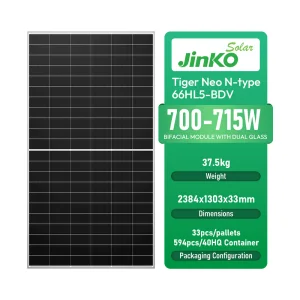
| Dimension | 2383 mm * 1302 mm * 35 mm |
| Weight | 38.5 kg |
| Wind/Snow Load | 2400Pa/5400Pa |
| Certificates | UL, TÜV, CE, ISO, IEC |
| Packing Specification | 31 pcs/Pallet ; 558 pcs/40’ HQ |


N-type HJT (Heterojunction) technology combines the advantages of crystalline silicon and thin-film silicon. This configuration ensures excellent light absorption, high efficiency, a lower temperature coefficient, and superior performance under low-light conditions.
The 210mm half-cut cell design splits standard cells in half, which reduces the internal operating current and electrical resistance. This results in decreased power loss, reduced risk of hot spots, and improved performance when partially shaded.
POE (Polyolefin Elastomer) encapsulation provides significantly lower water vapor transmission rates and much higher PID (Potential Induced Degradation) resistance compared to standard EVA. This enhances the overall durability and lifespan of the double-glass modules.
An IP68 junction box offers the highest level of protection against dust and moisture ingress. It can withstand harsh outdoor weather conditions and brief immersion in water, ensuring secure electrical connections over decades.
The solar modules are certified to international standards including UL, TÜV, CE, ISO, and IEC, proving compliance with safety requirements, electrical standards, and durability under varied mechanical loads.