Halkirk Solar
1 / 4
| Component model | 260W | 550W | 590W |
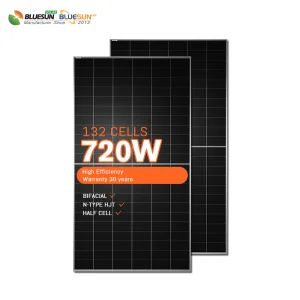
| Maximum power Pmax(Wp) | 260 | 550 | 590 |
| Open circuit voltage Voc (V) | 38.1 | 50.1 | 41.1 |
| Short circuit current Isc(A) | 9.01 | 13.95 | 18.42 |
| Best working voltage Vmpp(V) | 30.6 | 42.1 | 34 |
| Best working current Impp(A) | 8.5 | 13.07 | 17.35 |
| Module conversion efficiency η (%) | 15.9 | 21 | 20.85 |


Let the world share!
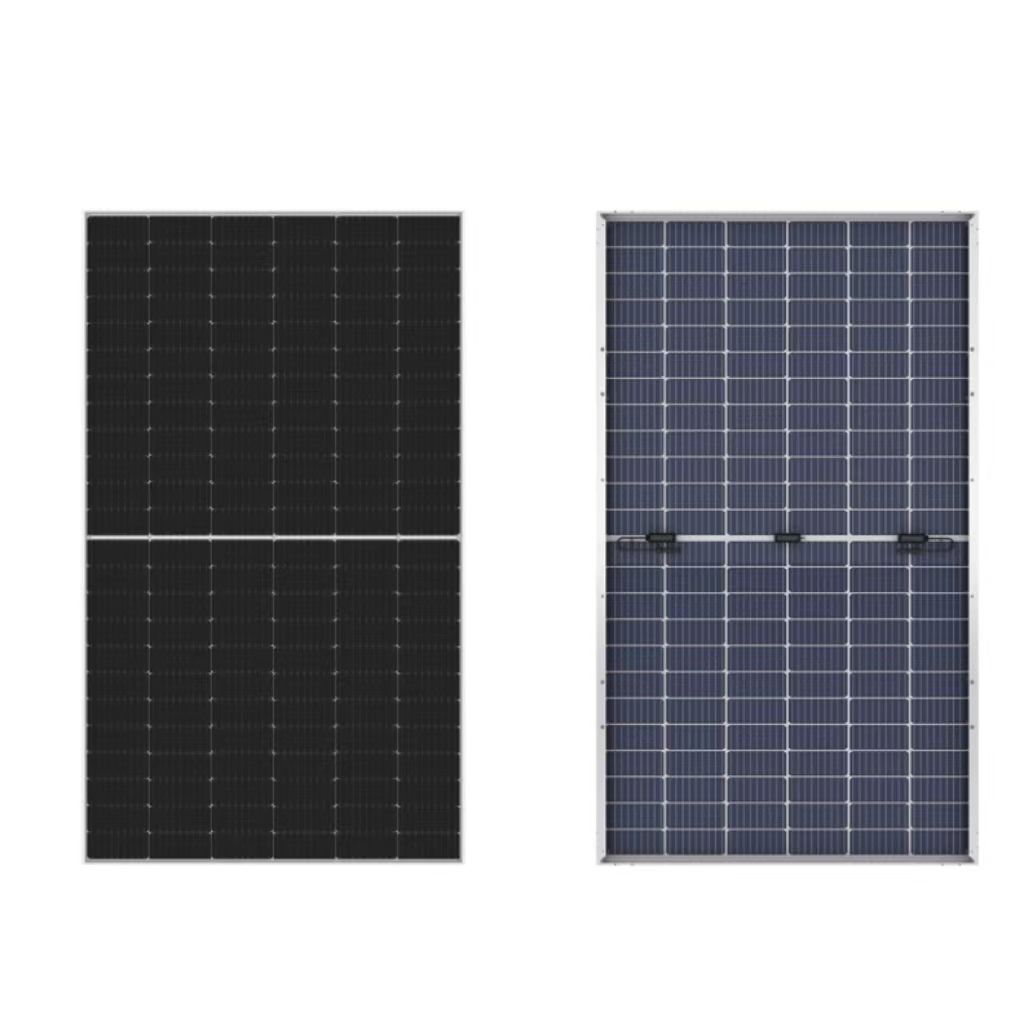
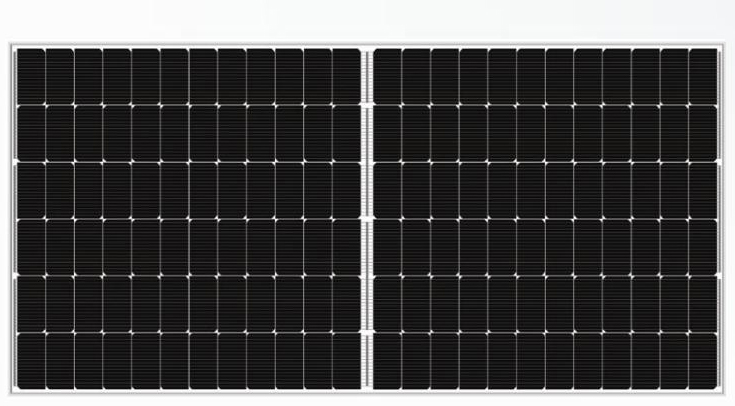
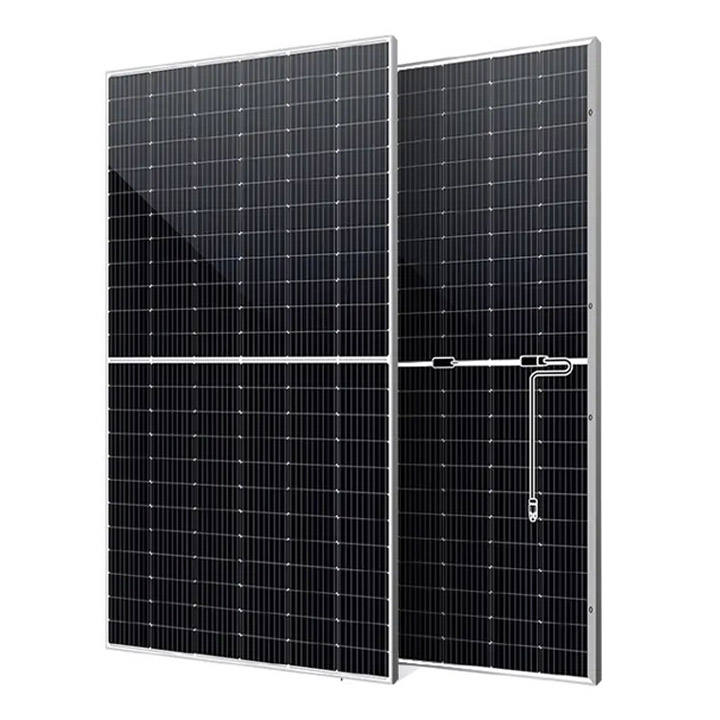
The main differences lie in their maximum power output (Pmax), size, and module conversion efficiency. The 550W and 590W models offer much higher efficiency (up to 21%) and power capacity, making them ideal for large-scale utility and residential installations where space optimization is critical, while the 260W model is suitable for smaller capacity systems.
Module conversion efficiency determines how effectively a solar panel converts sunlight into electricity. A higher efficiency rate (such as 21% for the 550W model) means the system will generate more power per square meter, reducing the total number of panels and installation space required.
You should pay close attention to Open Circuit Voltage (Voc) and Short Circuit Current (Isc). These electrical parameters are critical for matching panels with the correct inverter specifications and determining system safety and wiring sizes.
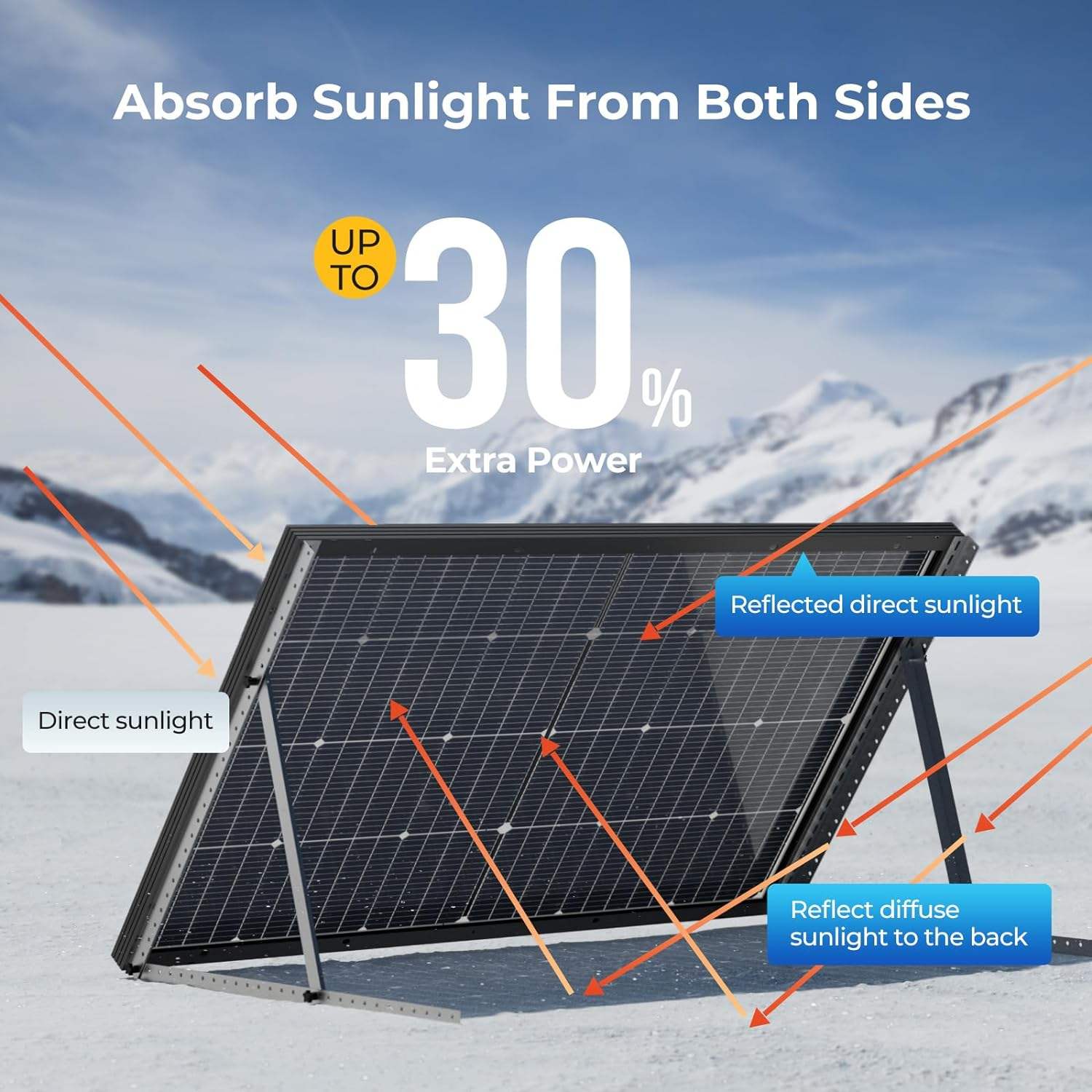
Yes, these solar modules are engineered using high-quality materials to withstand various weather challenges, including heavy snow loads and strong wind pressures, ensuring consistent power output and longevity.
Equipped with advanced solar cell technology, these modules exhibit excellent performance even under weak light conditions, such as overcast days, early mornings, or late afternoons.