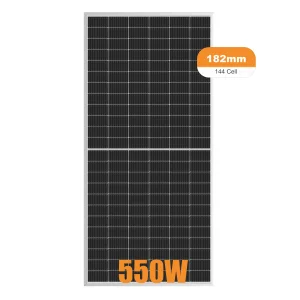
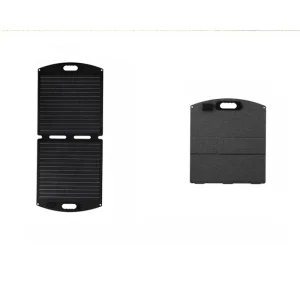
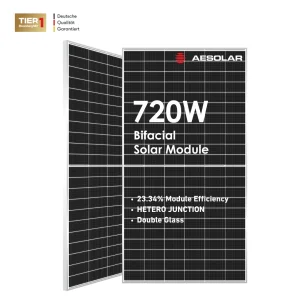
High-durability photovoltaic panels engineered for harsh maritime environments and global commercial deployment.
Understanding the technical demands and growth trajectories of offshore photovoltaic applications globally.
The global marine solar energy sector is undergoing a rapid transition. No longer confined to small-scale recreational boat battery trickle chargers, high-power marine solar installations are now a core component of commercial maritime transportation, offshore aquaculture grids, remote telecommunication infrastructure, and oil & gas platforms. As shipping operators seek compliance with the International Maritime Organization's (IMO) stringent decarbonization goals, auxiliary solar systems have transitioned from niche options to engineering necessities.
Operating a solar PV system at sea introduces extreme environmental challenges that standard land-based solar panels cannot withstand. High salt mist salinity accelerates electrochemical corrosion, while constant wave action forces mechanical stresses (torsion and vibration) on the crystalline structures. UV exposure is significantly amplified by water surface reflection (albedo effect), leading to rapid degradation of standard EVA (Ethylene Vinyl Acetate) encapsulants. To counter these degradation mechanisms, the marine industry requires specialized modules utilizing POE (Polyolefin Elastomer) encapsulation, high-grade anti-reflective double glass, and salt-mist-resistant junction boxes with structural IP68 waterproofing.
Designed for Level 6 salinity exposure under IEC 61701 standards, preventing PID (Potential Induced Degradation) in highly humid, alkaline coastal environments.
Robust mechanical layouts rated to withstand front dynamic pressure loads up to 5400 Pa and high aerodynamic wind shear up to 2400 Pa.
Polyolefin Elastomer (POE) delivers 10x lower water vapor transmission rates compared to EVA, protecting cells from internal corrosion.
China produces over 80% of the world's solar components, driving down the levelized cost of energy (LCOE) through massive industrial clusters and advanced cell technology integration. Among these hubs, Ningbo has emerged as the premier manufacturing and export cluster for specialized monocrystalline, TOPCon, and flexible PV modules.
Ningbo's factories benefit from immediate integration with the Ningbo-Zhoushan Port—the world’s busiest port by cargo tonnage. This logistical concentration minimizes domestic transport delays and reduces transit costs. More importantly, factories located here are surrounded by a complete industrial ecosystem: direct sourcing of high-purity polysilicon, local glass manufacturing facilities specializing in anti-reflective tempered glass, and specialized marine-grade aluminum extrusion suppliers. The local engineering workforce is highly specialized in developing customized Marine Solar Systems that satisfy various international certifications such as CE, TUV, UL, and marine-specific classification registries.
Exploring how advanced photovoltaic systems are integrated into real-world commercial and industrial offshore applications.
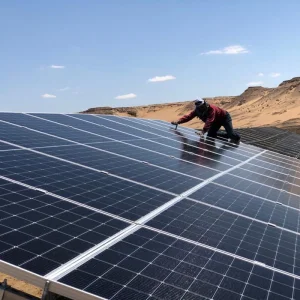
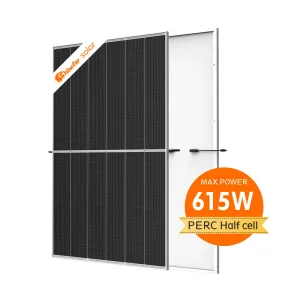
Large cargo container ships utilize flat, marine-grade monocrystalline or bifacial PV setups on hatch covers or bridge decks to offset diesel generator loads. This directly lowers fuel expenses during ocean crossings and maintains auxiliary battery charges when docked in emissions-controlled ports.
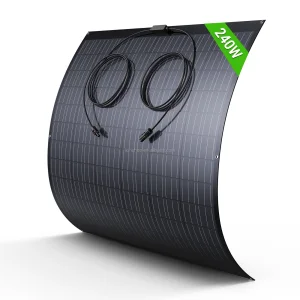
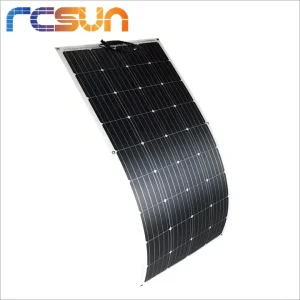
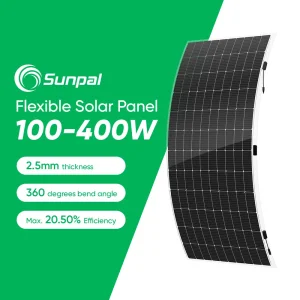
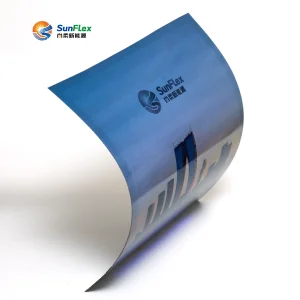
High-end yachts integrate flexible ETFE panels seamlessly on curved superstructure surfaces. These lightweight, walkable panels provide direct 12V/24V charging to onboard navigation equipment, air conditioning units, and domestic batteries without adding aerodynamic drag or significant structural weight.
Deep-sea aquaculture pens, offshore drilling rigs, and meteorological buoys rely entirely on self-sufficient, off-grid energy storage systems. High-wattage, double-glass solar panels coupled with industrial MPPT tracking controllers ensure reliable power delivery for automated feeding systems, lights, and sensors.
A premier China solar panel manufacturer and monocrystalline & bifacial solar module supplier.
Ningbo Halkirk Solar Co., Ltd. is a professional China solar panel manufacturer and monocrystalline & bifacial solar module supplier, dedicated to delivering high-efficiency renewable energy solutions to customers worldwide. Located in Ningbo, China, the company integrates research and development, manufacturing, quality control, and global sales to provide reliable solar products for residential, commercial, industrial, and utility-scale applications.
Halkirk Solar specializes in the production of monocrystalline solar panels, bifacial solar modules, TOPCon solar panels, N-type solar modules, off-grid solar solutions, on-grid solar systems, and customized photovoltaic products. Leveraging advanced cell technology and intelligent manufacturing processes, our products are designed to maximize energy output, improve conversion efficiency, and ensure long-term performance in diverse environmental conditions.
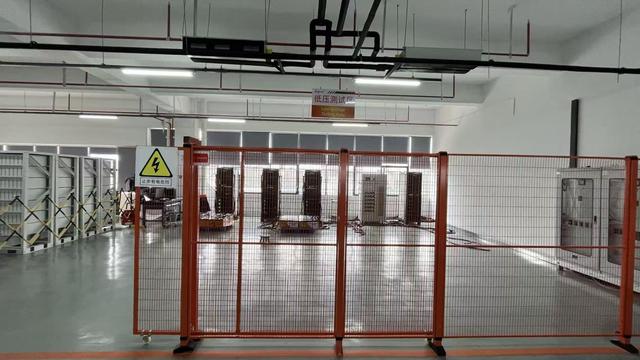
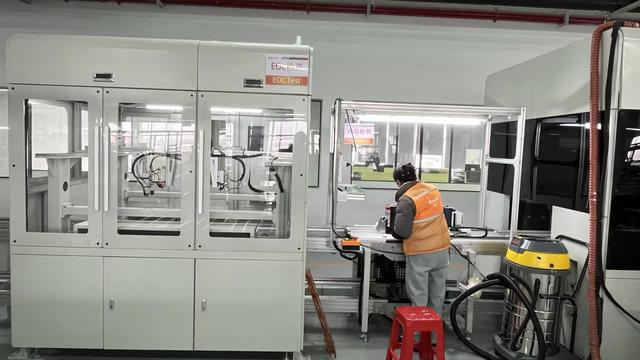
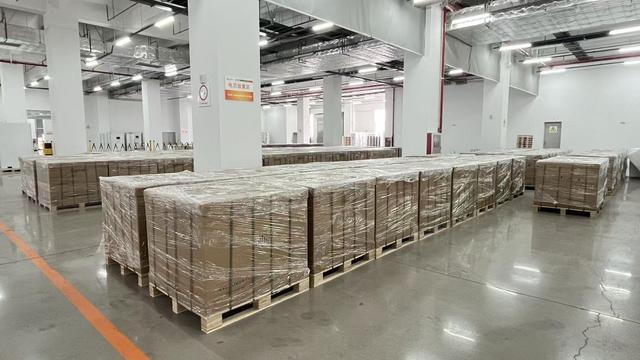
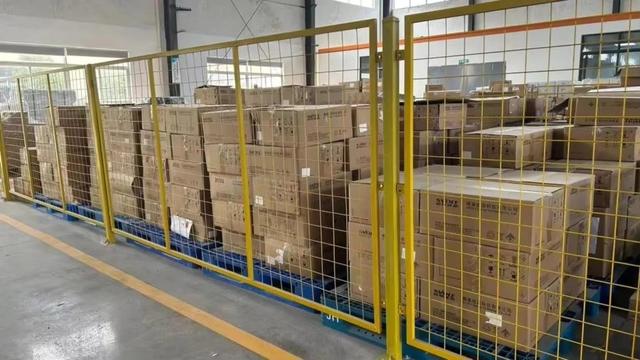
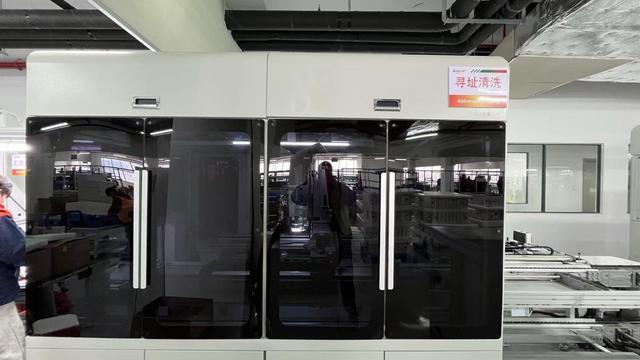
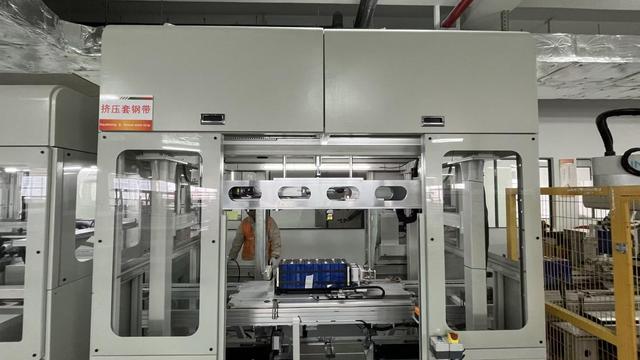
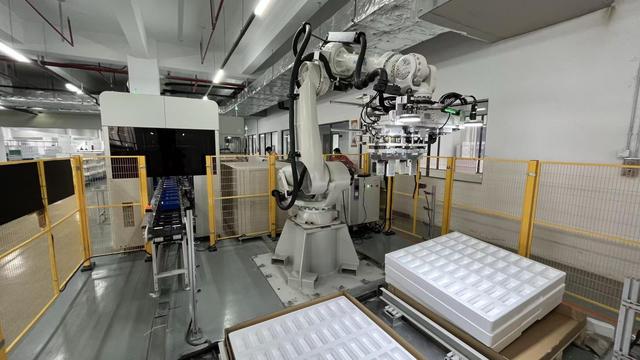
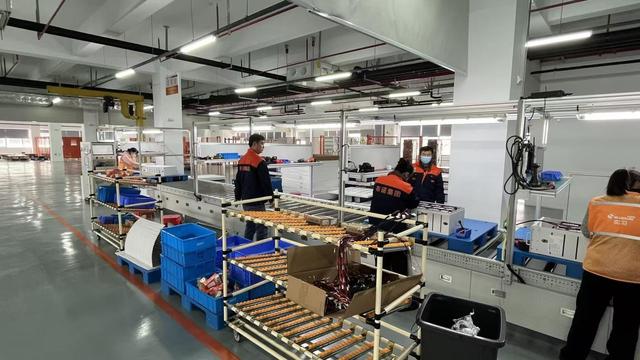
Our modern manufacturing facility is equipped with automated production lines, precision testing equipment, and strict quality management systems. Every solar module undergoes comprehensive inspections and performance testing to guarantee superior reliability, durability, and compliance with international standards. We are committed to providing products that meet the evolving demands of the global renewable energy market.
To better serve international customers, Halkirk Solar offers flexible OEM and ODM services for solar brands, distributors, EPC contractors, wholesalers, and project developers. Our experienced engineering and technical teams work closely with clients to deliver customized solar solutions tailored to specific project requirements, market demands, and branding needs. Driven by innovation, sustainability, and customer satisfaction, Ningbo Halkirk Solar Co., Ltd. continues to expand its presence in global markets.
Essential considerations for B2B buyers, EPC contractors, and global distributors sourcing marine PV hardware.
The industry is moving rapidly toward N-Type TOPCon (Tunnel Oxide Passivated Contact) and Heterojunction (HJT) technologies. These cell architectures present minimal LID (Light Induced Degradation) and a superior temperature coefficient (typically around -0.30%/°C to -0.34%/°C). Over water surfaces, panels operate under high localized humidity but are kept cooler by ocean breezes; however, solar arrays flat-mounted on ship decks can still reach extreme temperatures. Under these conditions, the low temperature coefficient of N-Type systems minimizes power loss relative to traditional P-type PERC systems. Additionally, bifacial modules capture reflected albedo light from the sea surface, boosting energy yield by up to 10-25%.
Purchasing agents, offshore developers, and engineering firms must evaluate prospective suppliers against a specialized criteria list:
Technical answers to critical questions surrounding marine solar module technology, procurement, and operations.
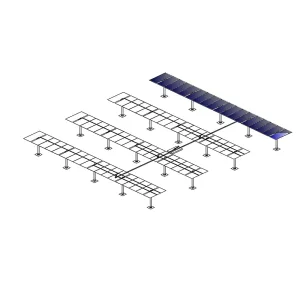
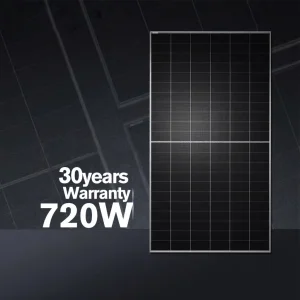
Explore our technical range of high-efficiency flexible modules, commercial grade bifacial arrays, and active tracking structures.
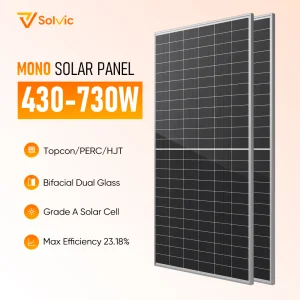
 Halkirk Solar