High-performance modules, smart mounting structures, and industrial tracking frameworks designed to maximize Levelized Cost of Energy (LCOE).
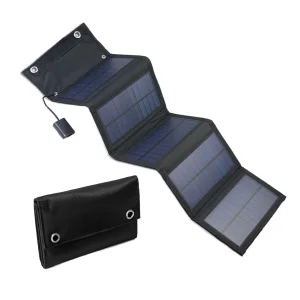
The global shift toward renewable energy is testing the resilience of energy infrastructure. As solar capacity projections surpass multi-terawatt levels, optimized solar distribution networks have transitioned from transactional material channels into high-performance, integrated supply chains. EPC contractors and project engineers face strict structural, electrical, and commercial challenges. Meeting these requirements requires more than just securing Tier 1 solar panels; it demands integration across mechanical mountings, inverter stations, dynamic trackers, and smart distribution components.
Operating from major industrial production hubs like Ningbo, China, allows manufacturers to integrate directly with automated production facilities, testing laboratories, and deepwater logistics lines. This direct integration minimizes transit delays and coordinates hardware interfaces, protecting utility projects against component mismatches, field failures, and unexpected overhead costs.
To keep projects bankable, modern distribution networks focus on key performance indicators (KPIs) that balance performance and cost:
Evaluating cell architecture transitions and integration platforms that shape the future of utility-scale, industrial, and specialized architectural solar networks.
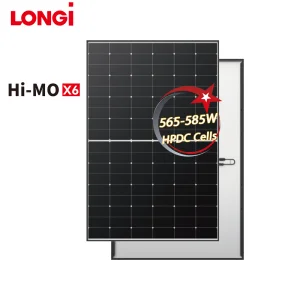
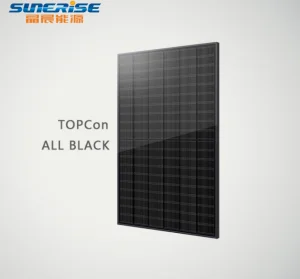
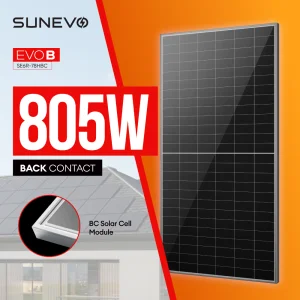
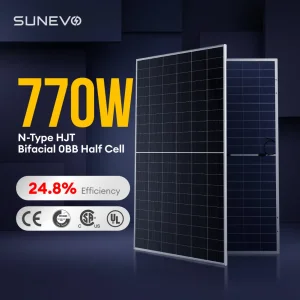
The industry's shift from P-type PERC to N-type (TOPCon, HJT, and Back Contact/xBC) technologies has improved energy density. With module outputs reaching 750W to 805W and conversion efficiencies crossing 23%, N-type architectures offer lower temperature coefficients, reduced LID/LETID degradation, and higher bifaciality factors. These improvements ensure reliable generation in high-temperature and low-light conditions.
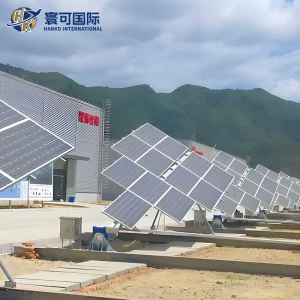
Flat lands for solar farms are becoming scarce, pushing installations onto complex, sloped terrains. Modern dynamic solar trackers adapt to uneven topography using independent row drives, robust cardan joints, and intelligent backtracking algorithms. This active tracking reduces structural stress from wind loads while maximizing bifacial power gains.
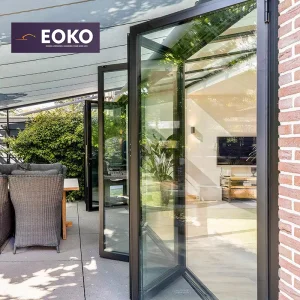
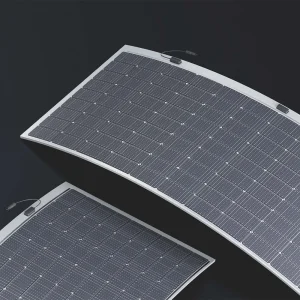
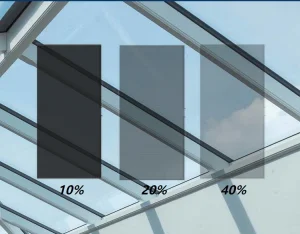
BIPV technology replaces traditional building materials with power-generating components. Utilizing frameless glass-on-glass designs, thin-film claddings, and semi-transparent panels for greenhouses and facades, modern structures generate clean energy directly. This architectural integration turns exterior building envelopes into active assets without compromising insulation or acoustics.
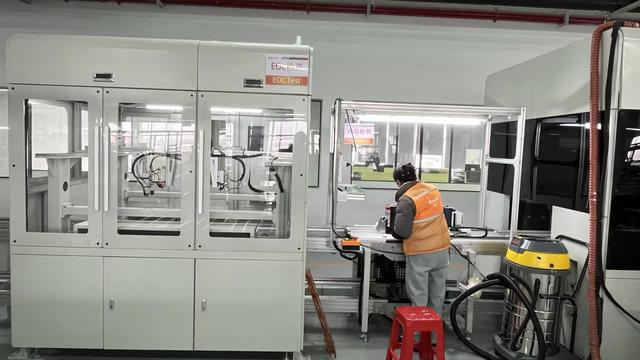
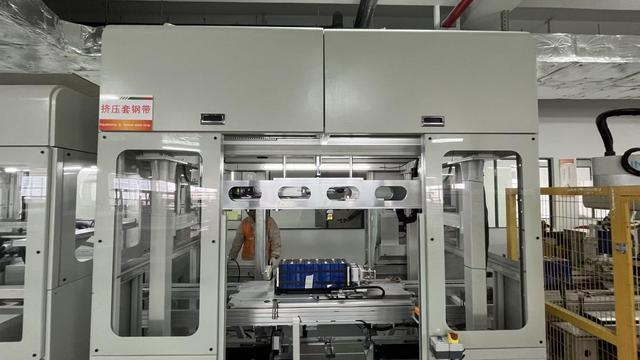
Equipped with high-speed automated cell stringers, advanced laminators, and dual-source AAA solar simulators, our facility guarantees precise construction and reliable calibration for every module.
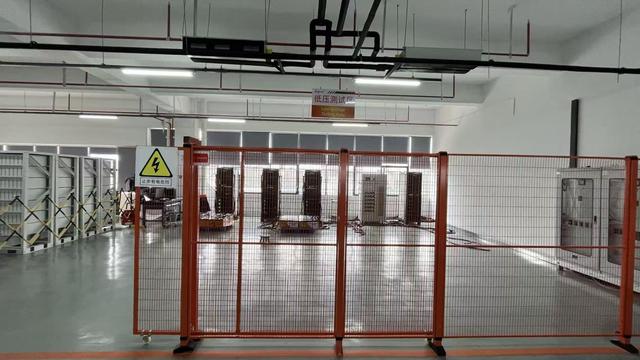
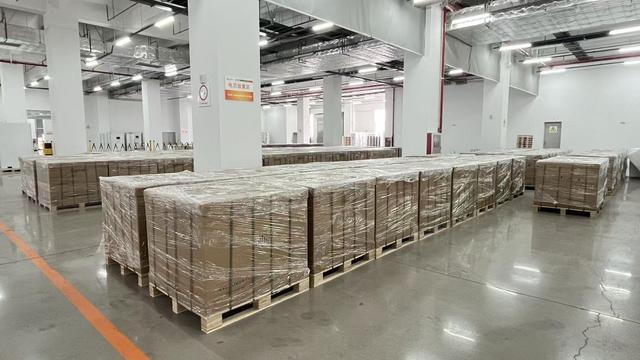
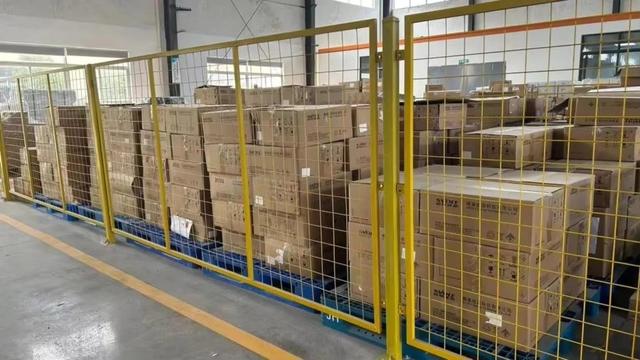
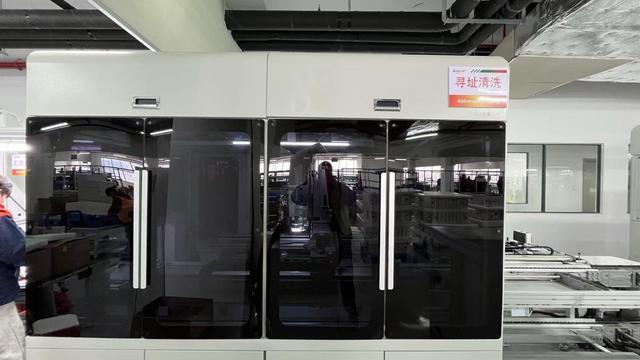
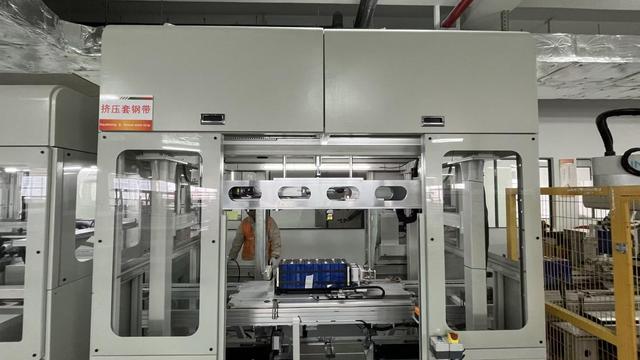
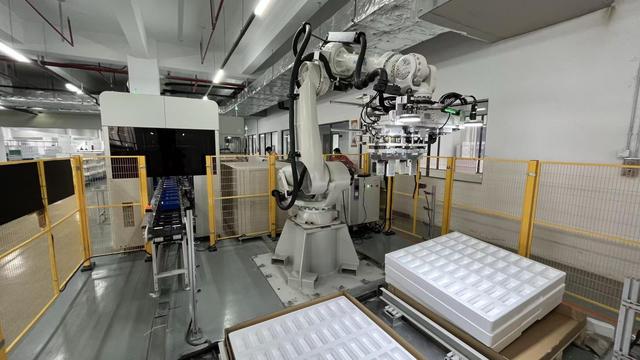

Ningbo Halkirk Solar Co., Ltd. is a professional China solar panel manufacturer and monocrystalline & bifacial solar module supplier, dedicated to delivering high-efficiency renewable energy solutions to customers worldwide. Located in Ningbo, China, the company integrates research and development, manufacturing, quality control, and global sales to provide reliable solar products for residential, commercial, industrial, and utility-scale applications.
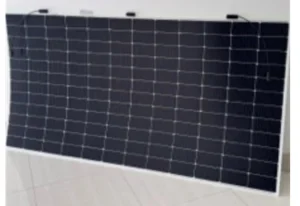
Halkirk Solar specializes in the production of monocrystalline solar panels, bifacial solar modules, TOPCon solar panels, N-type solar modules, off-grid solar solutions, on-grid solar systems, and customized photovoltaic products. Leveraging advanced cell technology and intelligent manufacturing processes, our products are designed to maximize energy output, improve conversion efficiency, and ensure long-term performance in diverse environmental conditions.
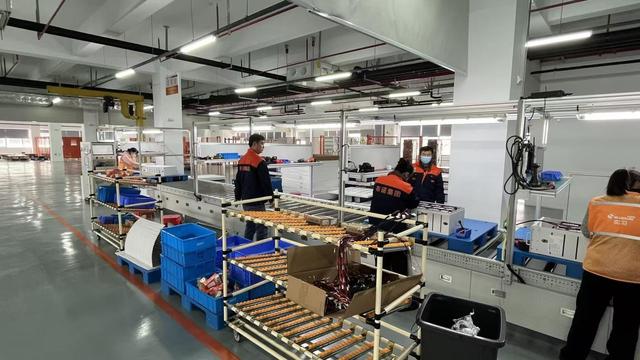
Our modern manufacturing facility is equipped with automated production lines, precision testing equipment, and strict quality management systems. Every solar module undergoes comprehensive inspections and performance testing to guarantee superior reliability, durability, and compliance with international standards. We are committed to providing products that meet the evolving demands of the global renewable energy market.
To better serve international customers, Halkirk Solar offers flexible OEM and ODM services for solar brands, distributors, EPC contractors, wholesalers, and project developers. Our experienced engineering and technical teams work closely with clients to deliver customized solar solutions tailored to specific project requirements, market demands, and branding needs.
Customized photovoltaic deployment strategies built to withstand challenging environments and deliver reliable performance.
Deployments in mountainous areas require structures that adapt to slopes. Using inclined solar tracking systems ensures dynamic realignments that avoid shadow losses. For desert installations, modules need high dust tolerance, sand-abrasion resistance, and low temperature coefficients to maintain generation levels in extreme heat.
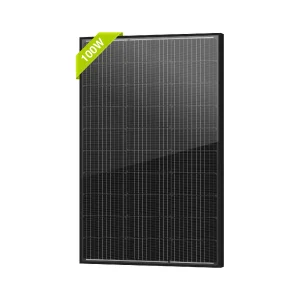
Commercial rooftops have weight and space limits. Lightweight, high-output N-type modules (such as 770W-800W arrays) maximize energy density per square meter. In architectural installations, semi-transparent BIPV films and frameless glass systems generate clean energy without altering building aesthetics or block light transmission.
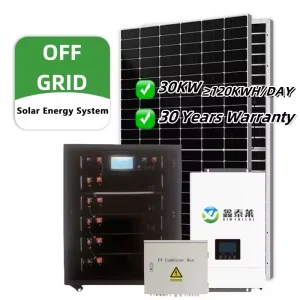
Off-grid solutions provide energy sovereignty for remote regions, island communities, and scientific field research. Integrated 30kW solar packages combined with energy storage supply reliable, self-sustaining power, reducing reliance on expensive diesel generator transport.
Key technical answers for engineering procurement managers, developers, and distributors.
Tailored architectural integrations, portable solar solutions, and off-grid power packages.
 Halkirk Solar