Explore our premium selection of monocrystalline, bifacial, and flexible solar systems optimized for global tariff compliance and peak energy yields.
Ningbo Halkirk Solar Co., Ltd. stands as a premier manufacturer of solar modules and customized photovoltaic components in Ningbo, China. With modern automation and end-to-end quality control, we enable international projects to achieve high commercial yields while remaining compliant with domestic energy targets.
Navigating the complex landscape of international solar tariffs, domestic manufacturing incentives, and import rules. We verify that every PV component meets national standards across North America, the European Union, APAC, and emerging Latin American markets.
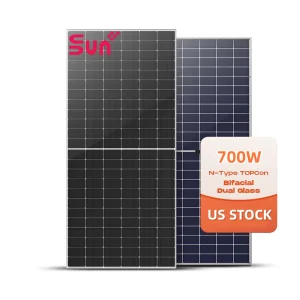
Utilizing high-efficiency cells like N-Type TOPCon and HJT (Heterojunction Technology). This allows us to guarantee high power density and reliable operations, reducing balance-of-system (BOS) installation costs.
Supporting EPC contractors, local utility scale projects, and solar system distributors with flexible configurations, custom frame sizes, and integrated micro-inverter compatibility.
Understanding the regulatory frameworks that drive renewable energy deployments globally. As a professional exporter, Halkirk Solar aligns production workflows to match stringent decarbonization guidelines.
The solar energy transition is fast-tracked by state-level policies. Initiatives like the European Union's REPowerEU and the Net-Zero Industry Act aim to source at least 45% of energy from renewables by 2030. In North America, the Inflation Reduction Act (IRA) provides tax incentives for domestic solar components but also maintains pathways for premium international supplies to offset capital expenses for commercial developers.
In parallel, the introduction of the Carbon Border Adjustment Mechanism (CBAM) by the European Union highlights the need for carbon-transparent manufacturing. Our production facility in Ningbo uses energy-efficient automated lines, helping solar importers navigate carbon accounting and import compliance easily.
| Region / Policy | Primary Drivers | Impact on Solar Importers | Halkirk Compliance Strategy |
|---|---|---|---|
| European Green Deal & REPowerEU | Rapid grid integration, fossil fuel independence. | High demand for bifacial panels and commercial rooftop systems. | CE & TUV certified TOPCon & HJT dual glass modules. |
| US Inflation Reduction Act (IRA) | Local manufacturing incentives, ITC extensions. | Focus on tariff compliance and high-performance cells. | USA warehouse stocking and optimized supply routes. |
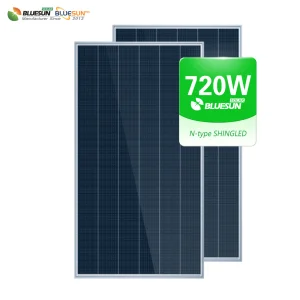
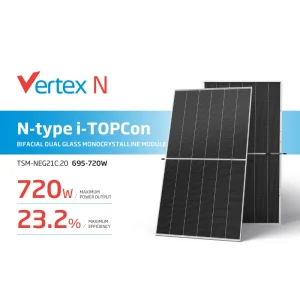
| APAC & Middle East Utility Targets | Large-scale desert solar farms, high-temperature performance. | Requires low temperature coefficients to minimize degradation. | Double glass HJT and TOPCon modules rated up to 720W. |
High-performance solar modules are no longer just for utility sites. Global commercial and industrial sectors rely on solar arrays to manage operational costs and meet ESG targets.
C&I businesses are turning to decentralized generation to bypass grid congestion. By installing large-scale rooftop systems, manufacturing plants can cover 40-70% of their operational energy needs, shielding them from volatile power market pricing.
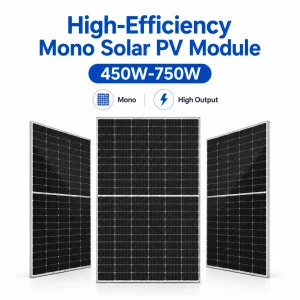
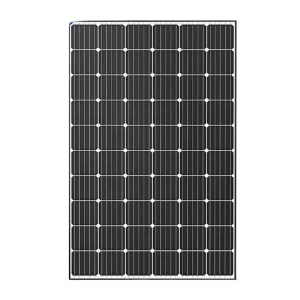
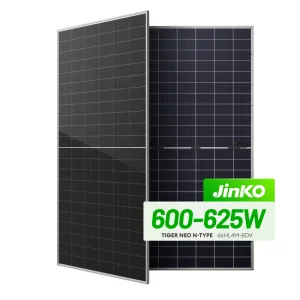
Our high-wattage modules (600W to 720W) reduce racking, cabling, and installation labor costs. This improves project ROI by packing more power into a smaller physical footprint.
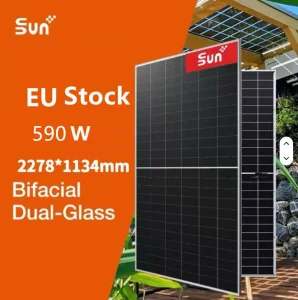
Using bifacial double glass panels in flat-roof C&I applications leverages reflection (albedo effect) from roof coatings, generating up to 25% extra energy from the backside of the module.
By using modern manufacturing techniques, Ningbo Halkirk Solar delivers modules with lower annual degradation rates (less than 0.4% for N-type cells). This guarantees steady power yields over a 30-year operational lifetime, making industrial solar projects highly bankable.
Exporting solar technology requires strict adherence to international electrical grid codes and safety standards.
A major challenge in solar exports is complying with local grid requirements. Different regions enforce strict rules on harmonic distortions, voltage ride-through, and grid safety shutdowns:
Ningbo Halkirk Solar addresses these regulatory demands by engineering modules that integrate with top tier smart inverters and rapid-shutdown systems. We work alongside testing bodies like TUV Rheinland and SGS to verify our panels pass testing for PID resistance, salt mist corrosion, ammonia resistance, and sand blowing.
From modern apartment balconies in Germany to off-grid cabins in North America, we tailor our solutions to real-world environments.
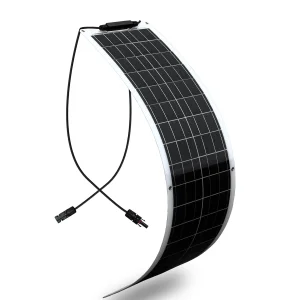
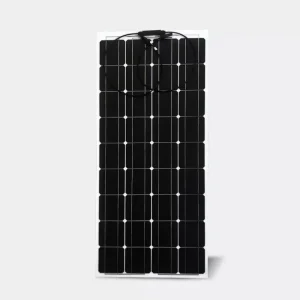
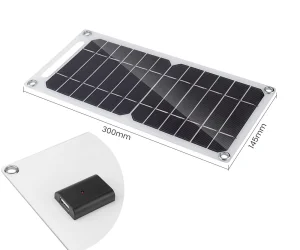
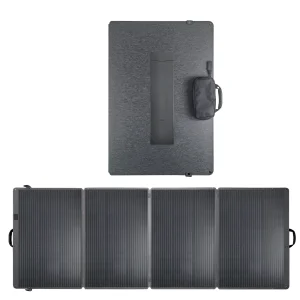
Urban homes often have limited space. Our lightweight, flexible monocrystalline panels and ETFE flat roof tiles fit small balconies and curved surfaces, offering clean energy without major structural renovations.
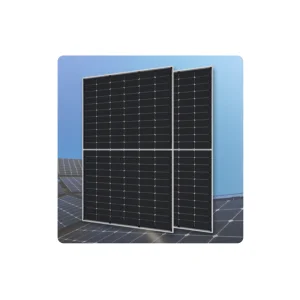
For desert and high-temperature areas, we offer N-Type double-glass modules. They withstand extreme heat and sandstorms, keeping system temperatures low and maintaining high energy outputs.
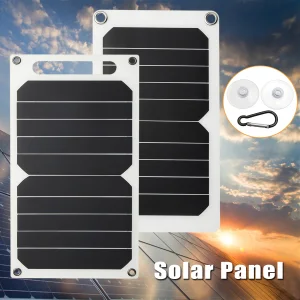
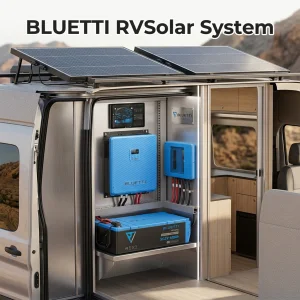
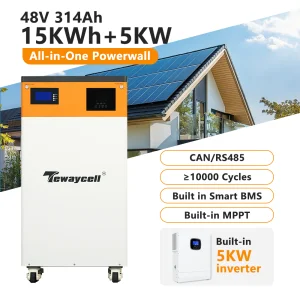
Our off-grid solar kits feature 5kW inverters, high-capacity LiFePO4 batteries, and portable folding panels. They provide reliable, plug-and-play power for remote work, RVs, and emergency backup.
A look at cell technology and how Ningbo Halkirk Solar stays ahead in manufacturing efficiency.
The transition from P-type PERC cells to N-type technologies is a major milestone in solar engineering. Our technology roadmap focuses on two main paths:
By using an ultra-thin silicon oxide layer combined with doped polycrystalline silicon, TOPCon cells reduce surface recombination losses. This pushes industrial cell efficiencies beyond 24.5%, with a lower temperature coefficient (-0.30%/°C) compared to standard PERC cells.
HJT combines thin-film amorphous silicon layers with monocrystalline silicon wafers. The result is a cell with a high bifaciality factor (up to 85%), excellent low-light performance, and minimal LID (Light Induced Degradation).
| Technology Metric | Standard P-Type PERC | N-Type TOPCon | N-Type HJT |
|---|---|---|---|
| Average Cell Efficiency | 22.0% - 22.8% | 24.0% - 25.2% | 24.8% - 26.0% |
| Temperature Coefficient | -0.35% / °C | -0.30% / °C | -0.26% / °C |
| Bifaciality Factor | 70% ± 5% | 80% ± 5% | 85% ± 5% |
| Degradation (Year 1) | < 2.0% | < 1.0% | < 1.0% |
| Annual Degradation (Yr 2-30) | 0.55% | 0.40% | 0.37% |
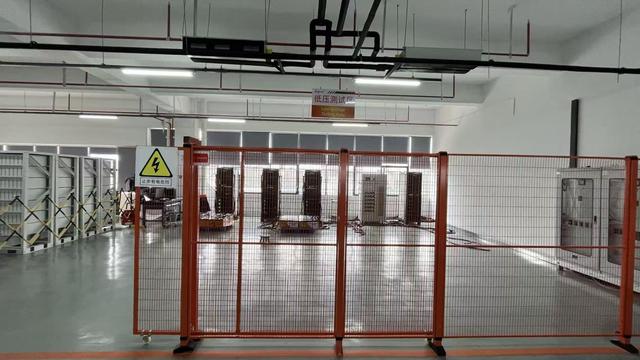
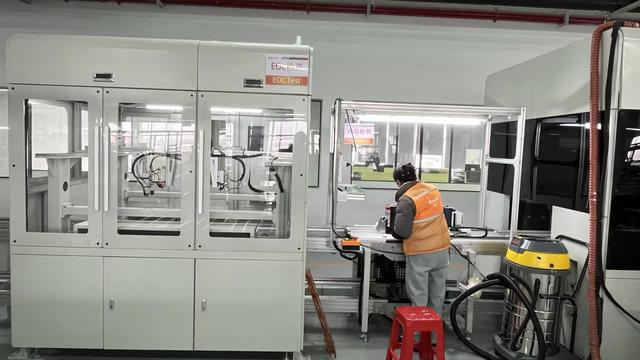
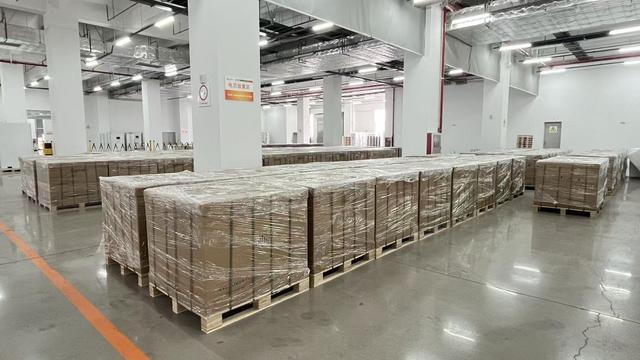
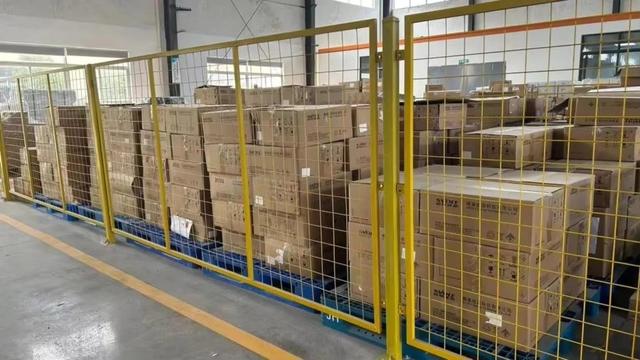
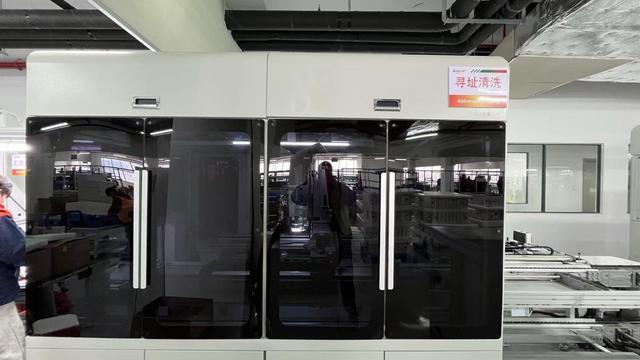
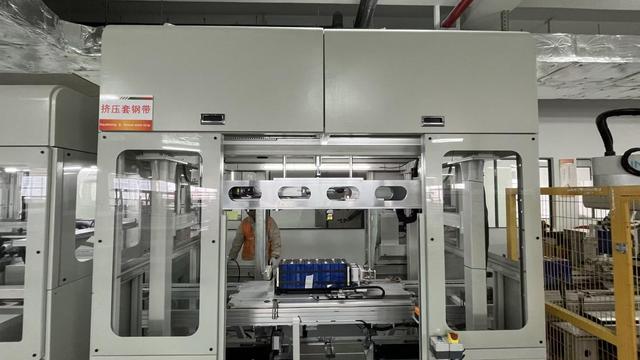
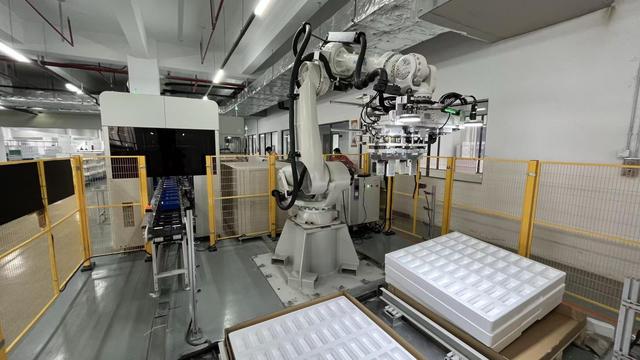
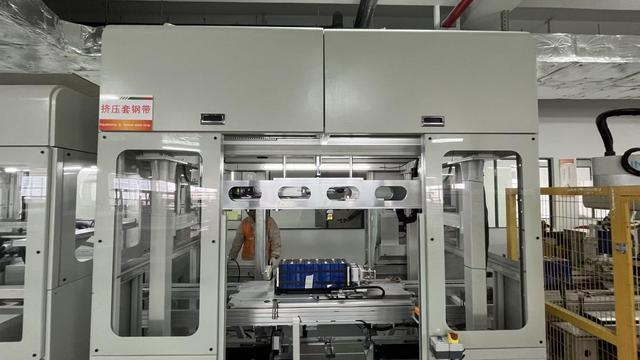
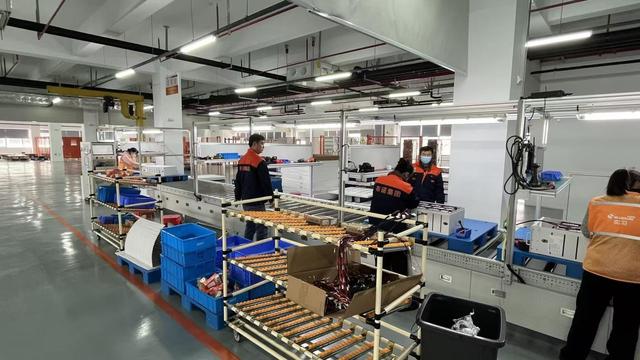
Our modern manufacturing facilities in Ningbo leverage automation, advanced EL testing, and strict quality control to deliver durable, high-efficiency solar modules worldwide.

Clear, detailed answers regarding tariff structures, logistics, customizable designs, and warranties.
Explore our collection of custom solar panels, off-grid kits, and portable options designed for reliable outdoor, residential, and commercial use.
 Halkirk Solar