Engineered for Maximum Photovoltaic Efficiency and Global Grid Compatibility
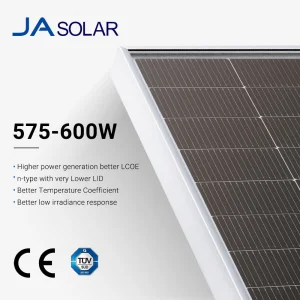
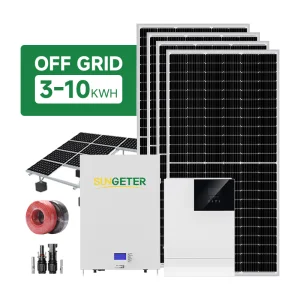

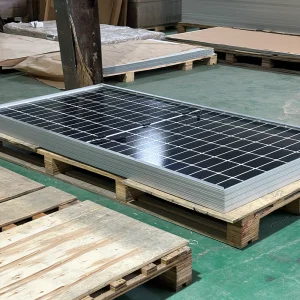
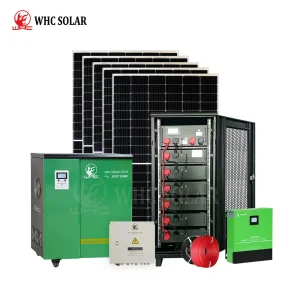
The global transition toward carbon neutrality has accelerated the deployment of photovoltaic systems at an unprecedented scale. While monocrystalline structures, particularly N-type TOPCon and Heterojunction (HJT) technologies, dominate high-efficiency discussions, polycrystalline solar modules remain a vital, highly reliable component of the global solar asset portfolio. This is primarily due to their structural robustness, cost-efficiency, lower carbon footprint during the ingot casting stage, and excellent thermal stability in high-temperature microclimates.
For project developers, engineering, procurement, and construction (EPC) companies, and global distributors, selecting the ideal photovoltaic supplier is a balance between initial Capital Expenditures (CAPEX) and the long-term Levelized Cost of Energy (LCOE). Polycrystalline panels, which are produced using silicon melt containing multiple crystal structures, bypass the complex and energy-intensive Czochralski crystallization process. This yields a highly competitive price-to-performance ratio that is ideal for utility-scale developments, agricultural solar farms, and regional microgrid systems in developing economies.
Peak Cell Efficiency achieved in advanced Poly-crystalline technology
Industry-Standard Linear Power Output Warranty
Optimal Temp. Coefficient per °C for extreme desert climates
Average CAPEX savings relative to standard Monocrystalline layouts
To guide global buyers through the complex PV manufacturing landscape, this whitepaper evaluates the top 10 polycrystalline solar module manufacturers and suppliers, analyzing their technical capacity, vertical integration strengths, and regulatory compliance.
The dominance of Chinese photovoltaic manufacturers is not merely a product of labor cost advantages, but rather a reflection of complete vertical integration and advanced industrial clusters. Key hubs like Ningbo Halkirk Solar Co., Ltd. represent the pinnacle of this operational integration, combining localized materials supply chains, specialized research centers, and streamlined logistics through high-capacity marine terminals like the Port of Ningbo-Zhoushan.
Direct sourcing of high-purity polysilicon, metallurgical silicon, and raw quartz within localized manufacturing corridors significantly reduces transit times and material oxidation risks.
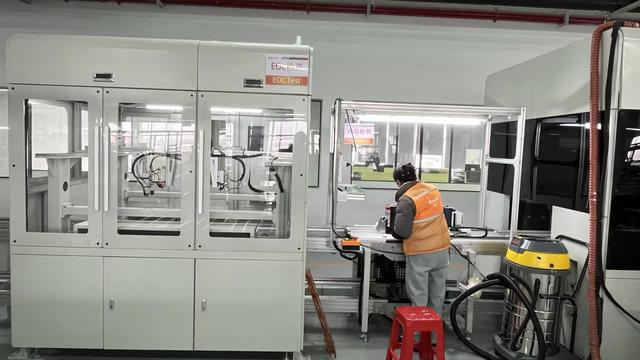
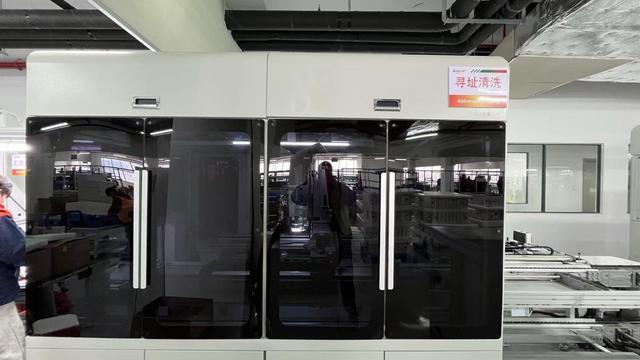
Fully automated manufacturing facilities utilize advanced Electroluminescence (EL) imaging and laser slicing tools to minimize micro-cracking and material degradation.
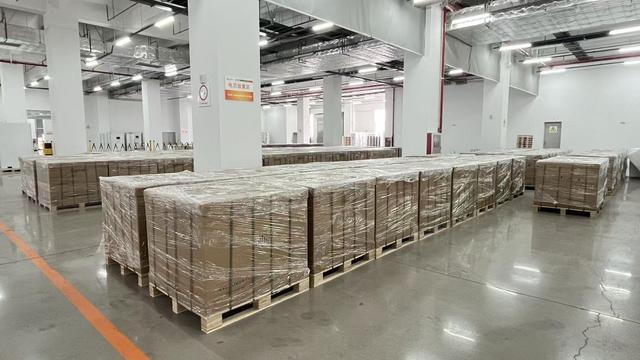
Proximity to Ningbo and Shanghai ports guarantees immediate customs clearance, reliable container allocations, and optimized freight routing to the Americas, Europe, and Asia-Pacific.
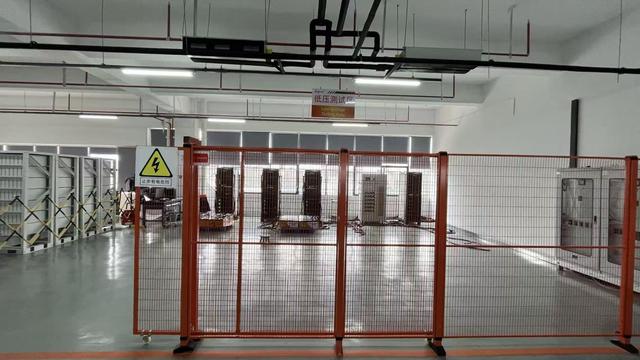
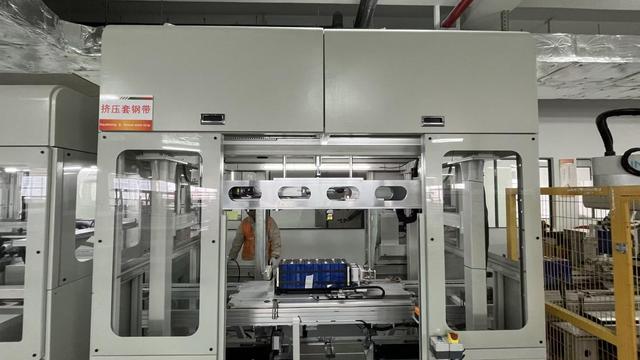
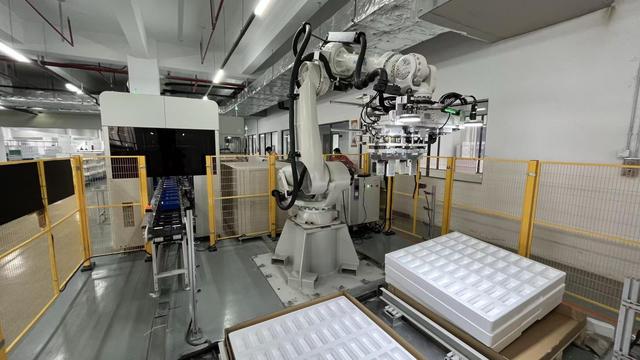
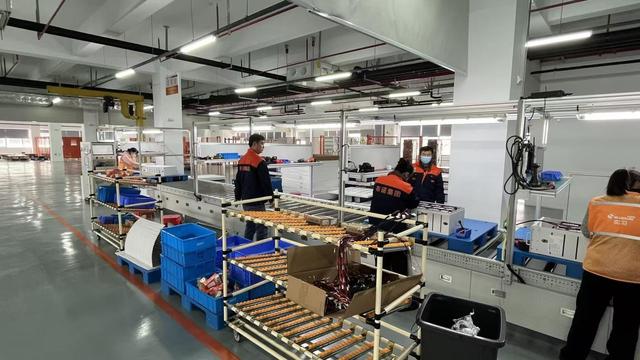
Ningbo Halkirk Solar Co., Ltd. excels by combining internal research and development with flexible OEM/ODM manufacturing capability. The company's automated assembly lines produce high-efficiency monocrystalline, bifacial, and specialized polycrystalline modules. Every product undergoes multiple automated visual inspections, high-voltage insulation tests, and mechanical load simulations to ensure complete compliance with international criteria.
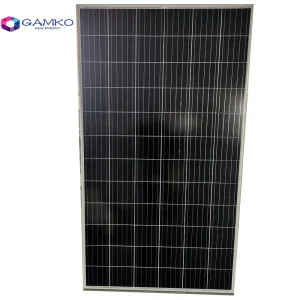
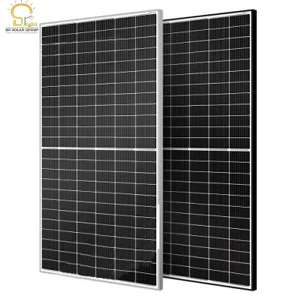
Procuring solar modules for municipal or enterprise-level installations requires analyzing specific structural, electrical, and regulatory metrics. Simply reviewing the nominal module capacity (e.g., 325W to 345W) is insufficient. Technical advisors and project engineers must evaluate the following manufacturing parameters:
| Manufacturer Segment | Cell Technology | Power Output (W) | Avg. Conversion Efficiency | Ideal Application Environment | Compliance Standards |
|---|---|---|---|---|---|
| Tier-1 Utility Focused | Poly / Cast-Mono | 320W - 350W | 18.5% - 19.8% | Large flat-ground arrays, utility installations | IEC 61215, TUV, UL 1703, CE |
| Commercial OEM/ODM | Multi-Busbar Poly | 325W - 345W | 18.0% - 19.2% | C&I rooftops, agricultural structures | TUV, CE, ISO 9001, MCS |
| Off-Grid Specialists | Standard Polycrystalline | 100W - 250W | 17.0% - 18.5% | Micro-grids, remote cabins, marine systems | CE, RoHS, FCC, WEEE |
| Customized/Hybrid PV | Bifacial / Glass-Glass | 400W+ (Combined) | 19.5%+ | Agrivoltaics, building integrated PV (BIPV) | TUV, CE, IEC 61730 |
Operating in international PV markets requires adhering to regional compliance networks. A supplier's value is determined by their ability to navigate national import regulations, local customs, grid codes, and product warranties.
Imports into North America require compliance with UL 1703 or UL 61730 standards, which certify mechanical strength and electrical safety under extreme wind and snow loads. Importers must also ensure complete supply chain transparency to satisfy customs documentation and verification processes.
The European Union emphasizes long-term environmental durability and end-of-life circularity. All imported solar modules must carry the CE mark, indicating compliance with EMC directives and low voltage safety parameters. Additionally, TUV Rheinland or TUV SUD certifications verify performance claims, while MCS certification is essential for accessing grid-connection incentives in the UK.
A solar array is a 25-to-30-year asset. Reliable suppliers like Ningbo Halkirk Solar provide local warranty validation, rapid component replacement, and post-installation engineering reviews. Having field engineers in regional logistics hubs ensures that minor performance issues can be diagnosed and resolved without causing costly project downtime.
Polycrystalline solar modules are highly effective in specific engineering environments. Understanding these scenarios helps EPCs optimize their system designs.
Integrated glass-glass modules allow partial sunlight transmission. This configuration helps regulate greenhouse temperatures while generating electricity for automated irrigation systems.
For high-altitude cabins or remote cellular stations, polycrystalline systems paired with MPPT charge controllers provide a durable, low-maintenance energy solution.
Large industrial warehouses with weight-sensitive structural limits benefit from the favorable power-to-weight ratio of high-density polycrystalline panels mounted on lightweight aluminum racking.
By selecting modules tailored to the environment, engineers can optimize system performance. Polycrystalline panels remain a cost-effective, durable choice for utility-scale ground arrays, remote microgrids, and agricultural integrations.
Reliable Off-Grid Components and High-Capacity Modules for Global Distribution
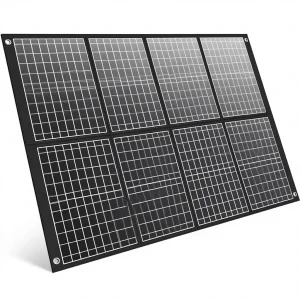
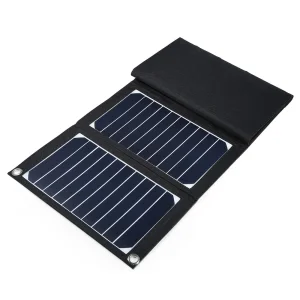
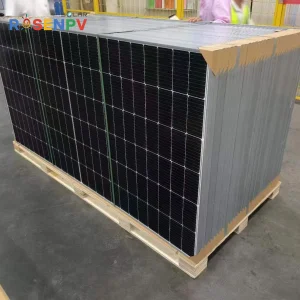
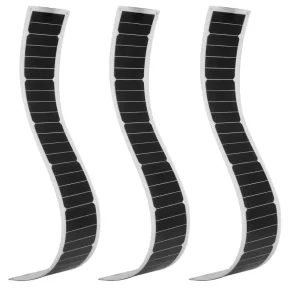
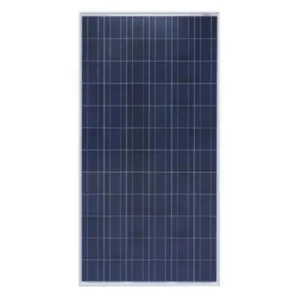
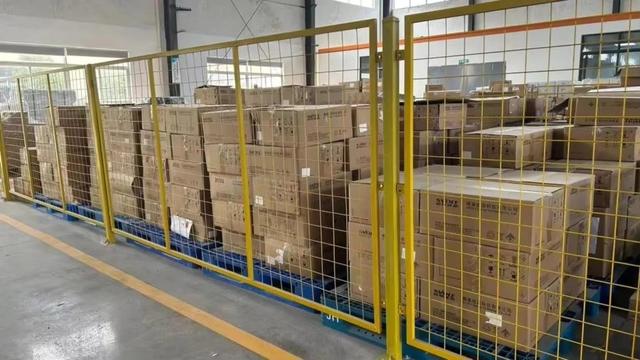
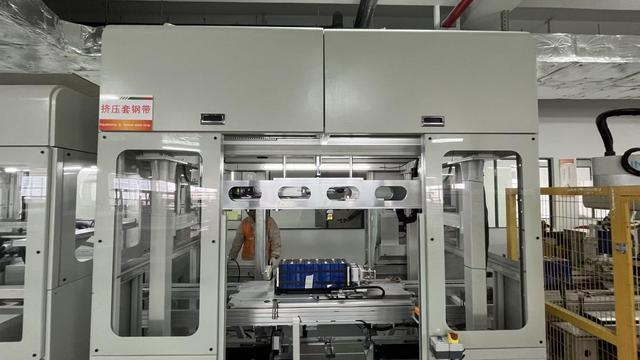
Inside Ningbo Halkirk Solar Co., Ltd. - Quality Testing and Automated Production Lines

 Halkirk Solar