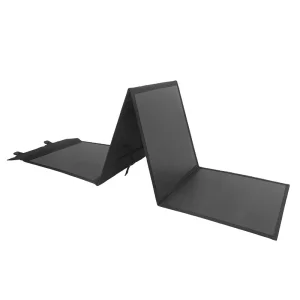
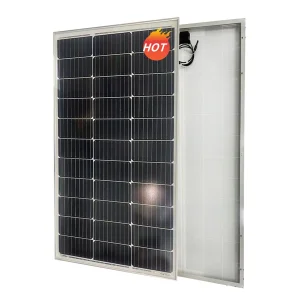
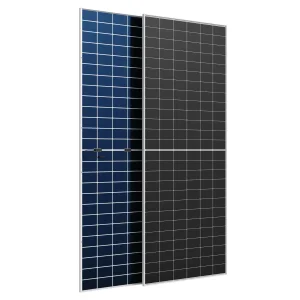
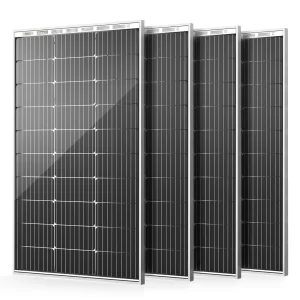
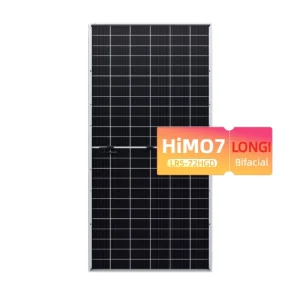
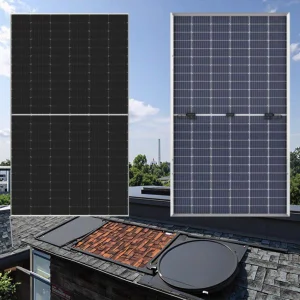
Direct supply from Ningbo Halkirk's advanced manufacturing facility. Discover our tier-one residential, commercial, and modular portable clean energy products.

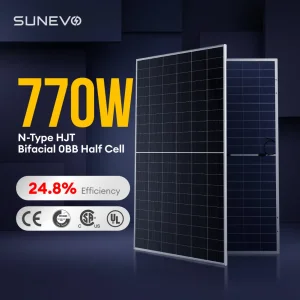
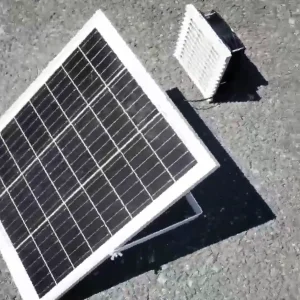
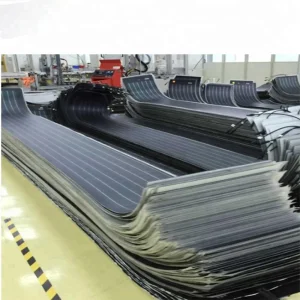
Analyzing Levelized Cost of Energy (LCOE) optimization and yield mechanics in utility-scale photovoltaic deployment.
As the global energy transition accelerates, utility-scale photovoltaic projects face intense downward pressure on feed-in tariffs. Maximizing energy generation per square meter has shifted from a secondary design consideration to a core financial imperative. Ningbo Halkirk Solar Co., Ltd., based in the industrial manufacturing hub of Ningbo, China, has emerged as a premier designer, manufacturer, and global exporter of high-efficiency solar systems and advanced solar tracker architectures. By integrating structural engineering, aerodynamic modeling, and real-time backtracking algorithms, we empower project developers to capture up to 25% more energy yield than traditional fixed-tilt systems.
Traditional mount components act passively, introducing aerodynamic load vulnerabilities while failing to adapt to diurnal solar variations. Halkirk's intelligent solar trackers continuously adjust the tilt angle of bifacial and high-capacity monocrystalline modules, optimizing the angle of incidence throughout the day and mitigating structural strain through automated wind stow protocols.
Through severe weather simulation, finite element analysis (FEA), and wind tunnel tests, our tracking systems are built to withstand high wind velocity zones and heavy snow loads. We integrate corrosion-resistant Zn-Al-Mg coatings and structural steel grades to guarantee a 25-year operational lifecycle, mirroring the linear warranties of modern N-type TOPCon panels.
Yield Generation Boost
Structural Lifespan
Control Enclosure Rating
Corrosion Resistance
Regional macro-trends, legislative drivers, and site constraints affecting tracker feasibility and economic modeling.
The adoption of solar trackers is highly dependent on geographic latitude, direct normal irradiance (DNI), and site-specific topography. Globally, utility developers in high-DNI regions (such as the southwestern United States, the Middle East, northern Chile, and parts of Australia) view tracking systems as standard equipment rather than an optional upgrade. At latitudes closer to the equator, single-axis trackers yield the highest financial returns by capturing consistent overhead solar paths.
Furthermore, land constraints in regions like Western Europe have accelerated the development of Agri-PV (Agricultural Photovoltaics). By elevating the tracker axis height and utilizing single-axis vertical rotation, developers allow mechanical harvesters and livestock to utilize the same land beneath the array. Halkirk Solar’s engineering department coordinates with local agricultural EPCs to deliver custom structural designs featuring elevated ground clearances, specialized torque tubes, and dynamic row-to-row spacing that preserves farmable soil while generating solar electricity.
In cold, mountainous regions (such as northern China, Canada, and Scandinavia), snow clearing cycles present major operational challenges. Traditional fixed structures allow snow to accumulate, causing localized micro-cracks and hot-spot degradation in high-efficiency monocrystalline cells. Halkirk’s intelligent trackers solve this issue via an automated "Snow Stow Mode", tilting the trackers to their maximum angle of inclination (up to 60 degrees) during winter precipitation events to shed snow loads naturally and restore immediate generation capacity once sun exposure returns.
Comparing structural configurations, astronomical tracking algorithms, and aerodynamic load solutions.
Evaluating 1-in-Portrait (1P) and 2-in-Portrait (2P) layouts. 1P designs feature low structural height, high torsional rigidity, and simple assembly, making them perfect for high wind zones. 2P configurations accommodate larger bifacial modules and optimize foundation piles per megawatt, ideal for uneven terrain and rocky soils.
During sunrise and sunset, standard geometric tracking causes adjacent rows to cast shadows on each other. Our microcontroller-driven AI backtracking system continuously calculates real-time topography, adjusting individual tracker angles to completely avoid shadow-casting, maximizing diffuse light capture.
Torsional flutter is the primary cause of tracker failure. Halkirk systems incorporate multi-point slewing drives and custom linear actuators. Combined with automated hydraulic dampers, our wind stow system locks the array at a safe, flat angle (0-15°) within minutes of sensor trigger, defending against extreme windstorms.
Customizing structural metallurgy, electrical enclosures, and dust/snow mitigation strategies for target regions.
Designed for dust mitigation and high ambient thermal profiles. Includes dual-lip seals for rotary bearings, IP67 electrical control enclosures, and integration with automated robotic waterless cleaning systems to remove sand build-up without wasting precious local water resources.
For coastal arrays within 1 km of shoreline salt-spray. Standard structural components are upgraded to hot-dip galvanized steel (HDG) with zinc coating thickness exceeding 85 microns, coupled with 316-grade stainless steel fasteners to guarantee structural integrity against saline corrosion.
Engineered for combined agricultural land use. By elevating torque tube axis height up to 2.8 meters and widening row pitch to 8-12 meters, the layout allows farm vehicles to operate underneath while optimization of tilting limits ensures crops receive sufficient PAR (Photosynthetically Active Radiation).
Designed to combat heavy snow loads and sub-zero temperatures. High-torque linear actuators overcome ice adhesion, while snow-sensor inputs automatically shift trackers to a steep 60° dump tilt during blizzard events, avoiding cell damage and heavy mechanical stress.
Overcoming complex, sloped layouts without expensive grading. Custom tracker configurations feature multi-point cardan joints and flexible drive links, accommodating north-south slopes up to 15% and minimizing site excavation costs.
Integrating trackers directly with battery storage (BESS) and backup generators. The tracking controller shares data with the plant's EMS (Energy Management System), optimizing diurnal charging curves and reducing reliance on high-cost diesel generation.
Integrating tier-1 monocrystalline & bifacial module production with automated tracking frame fabrication.
Ningbo Halkirk Solar Co., Ltd. is a professional China solar panel manufacturer and monocrystalline & bifacial solar module supplier, dedicated to delivering high-efficiency renewable energy solutions to customers worldwide. Located in the port city of Ningbo, China, our company integrates research and development, manufacturing, quality control, and global sales to provide reliable solar products for residential, commercial, industrial, and utility-scale applications.
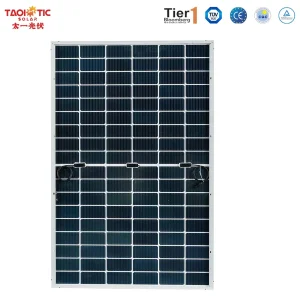
Halkirk Solar specializes in the production of monocrystalline solar panels, bifacial solar modules, TOPCon solar panels, N-type solar modules, off-grid solar solutions, on-grid solar systems, and customized photovoltaic products. Leveraging advanced cell technology and intelligent manufacturing processes, our products are designed to maximize energy output, improve conversion efficiency, and ensure long-term performance in diverse environmental conditions. Our modern manufacturing facility is equipped with automated production lines, precision testing equipment, and strict quality management systems. Every solar module undergoes comprehensive inspections and performance testing to guarantee superior reliability, durability, and compliance with international standards. We are committed to providing products that meet the evolving demands of the global renewable energy market.
To better serve international customers, Halkirk Solar offers flexible OEM and ODM services for solar brands, distributors, EPC contractors, wholesalers, and project developers. Our experienced engineering and technical teams work closely with clients to deliver customized solar solutions tailored to specific project requirements, market demands, and branding needs. Driven by innovation, sustainability, and customer satisfaction, Ningbo Halkirk Solar Co., Ltd. continues to expand its presence in global markets. We strive to become a trusted partner in the photovoltaic industry by providing high-quality solar modules and comprehensive clean energy solutions that contribute to a greener and more sustainable future.
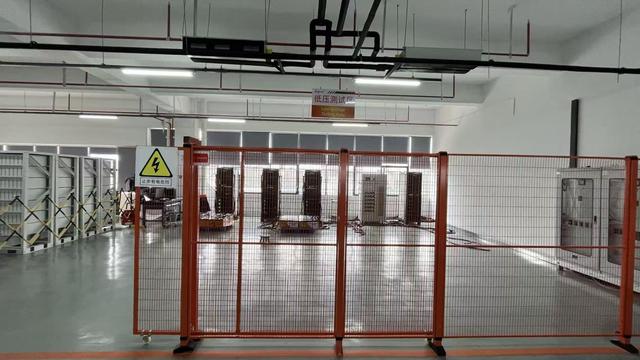
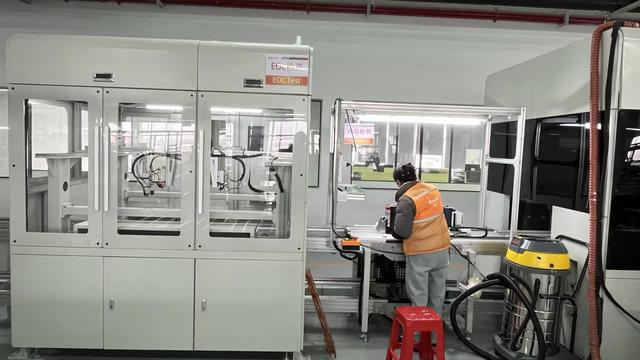
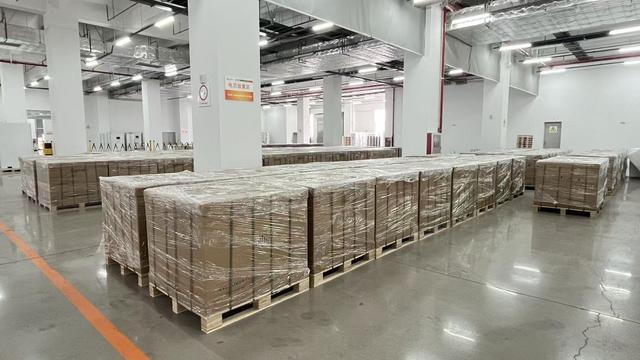
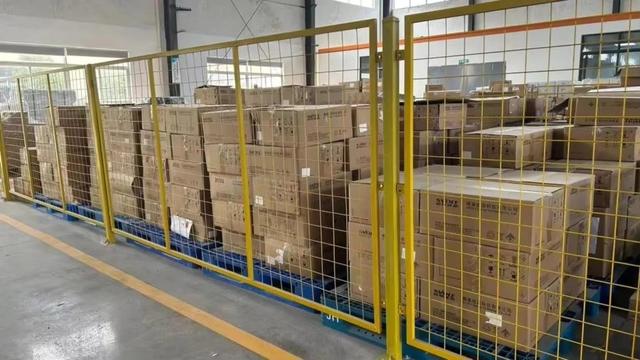
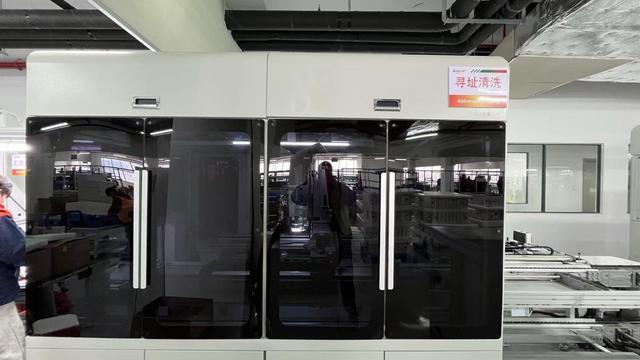
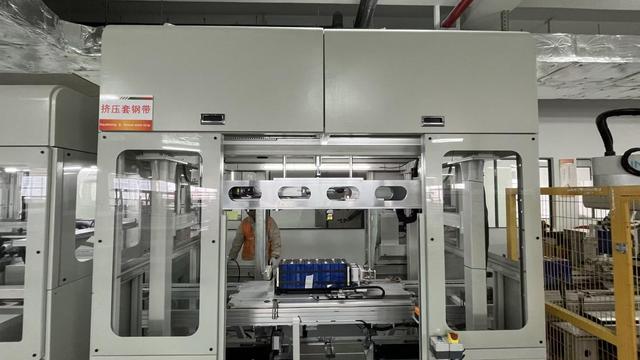
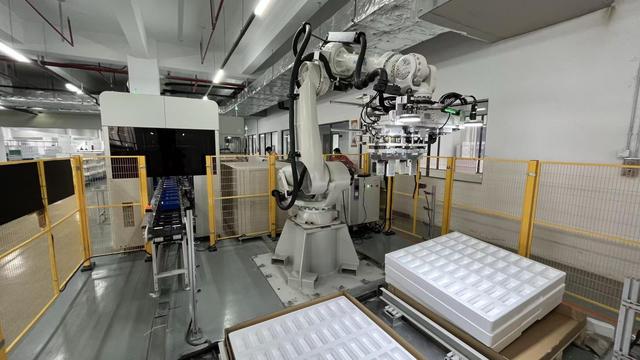
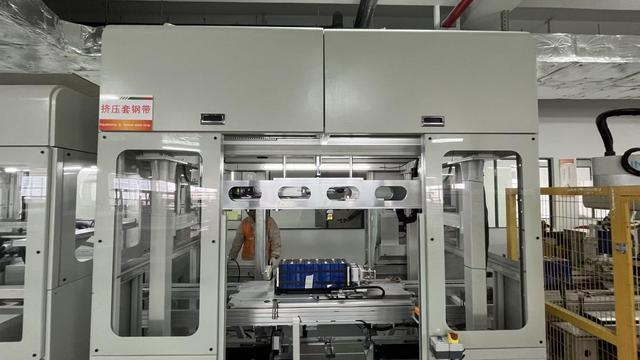
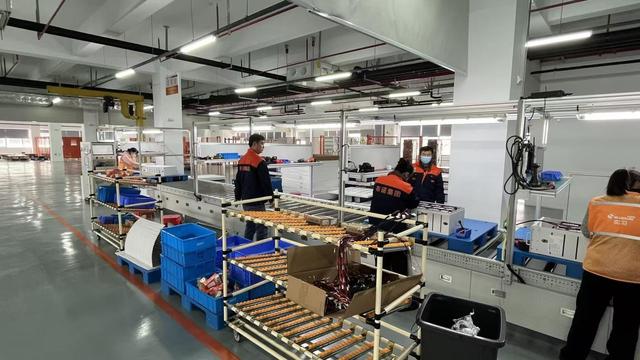
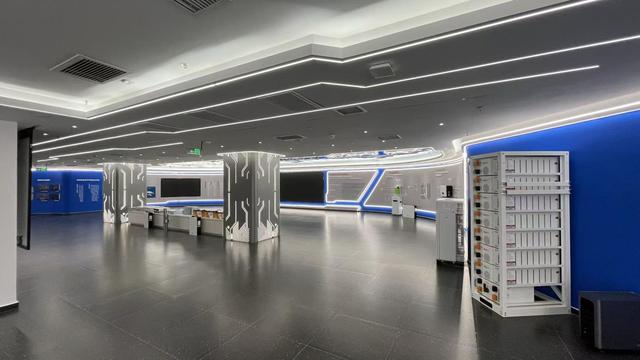
Uncompromised quality control testing, robotic welding, solar simulator tests, and tracker assembly lines.
Synergistic system design pairing single-axis tracking with double-glass bifacial modules.
The absolute peak of modern PV design efficiency is achieved by pairing bifacial solar modules with single-axis solar trackers. Fixed-tilt racking blocks the rear-side of bifacial panels, limiting albedo absorption. A tracking structure, conversely, elevates the torque tube and optimizes row spacing, creating a high clearance area underneath that allows ground reflected light (albedo) to freely reach the backside of the cells.
Depending on ground conditions, this synergy produces massive gains. For instance, on a standard gravel background (albedo ~20%), a tracker-equipped bifacial array yields an additional 8% to 15% generation over a monofacial tracker setup. When deployed over highly reflective surfaces like white membrane rooftops or snow fields (albedo up to 80%), the backside power boost can exceed 25%. Ningbo Halkirk Solar supplies fully integrated packages, including high-efficiency dual-glass monocrystalline modules and matched single-axis tracking frames, ensuring complete compatibility of load-bearing structural connection points and electrical harnesses.
Expert engineering answers regarding LCOE math, structural integrity under high wind loads, and tracker-to-panel compatibility.
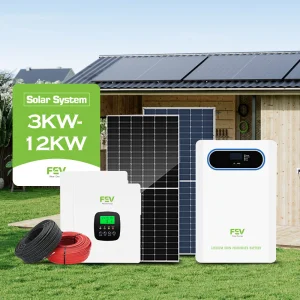
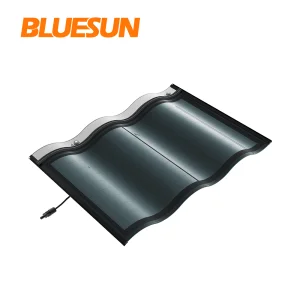
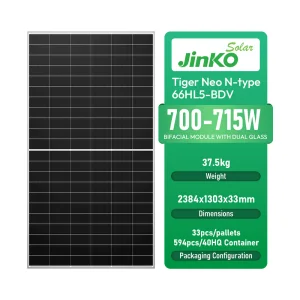
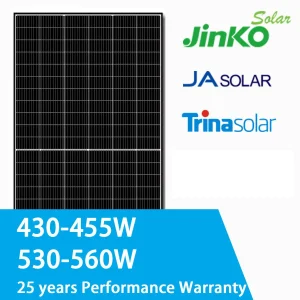
Maximize your power generation potential with our premium components, complete kits, and modern solar roof tiles.
 Halkirk Solar