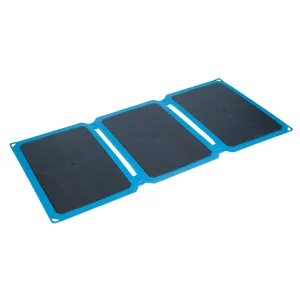
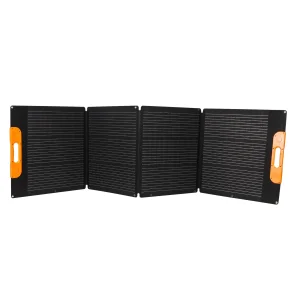
Kenya stands at the vanguard of the African renewable energy transition, harnessing over 90% of its power from clean sources. However, the last mile grid connectivity, especially in rural regions like the North Eastern and Rift Valley provinces, remains a bottleneck for modern agro-processing, humanitarian aid hubs, and telecommunications.
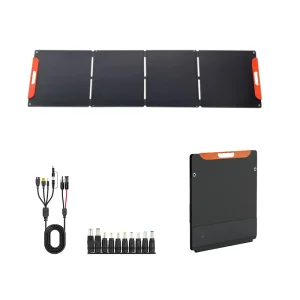
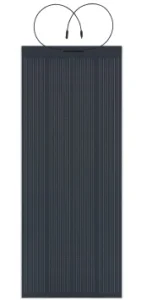
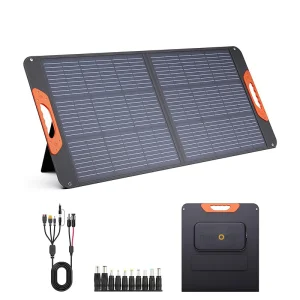
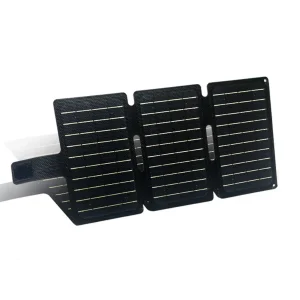
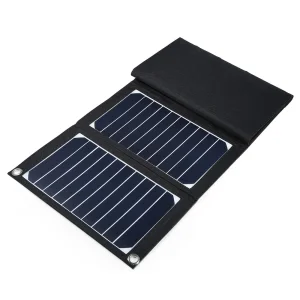
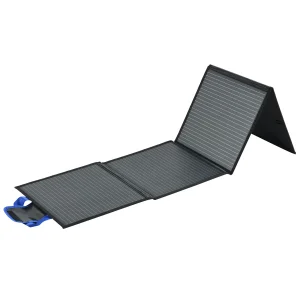
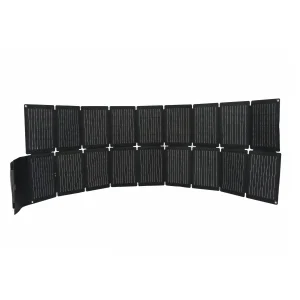
With solar insolation averaging 4.5–6.5 kWh/m²/day across the country, foldable and portable solar panels have emerged as vital infrastructure. These systems bypass traditional fixed array installation costs, offering immediate, robust, and mobile power solutions. Local micro-enterprises and large-scale agricultural projects are turning to foldable solar arrays to power IoT soil sensors, drip irrigation systems, and emergency cold chain logistics for fresh produce.
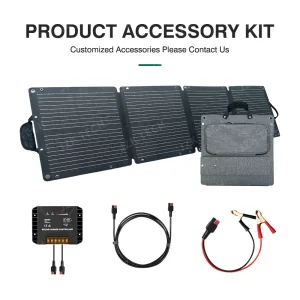
In humanitarian response clusters—such as Kakuma and Dadaab—reliable power means the survival of communication networks and medical refrigeration. Compact, high-efficiency monocrystalline solar kits provide immediately deployable energy for field clinics and regional administrative offices.
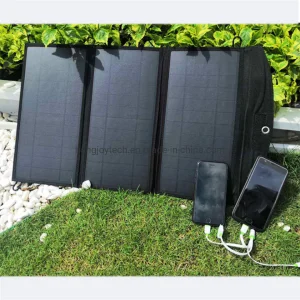
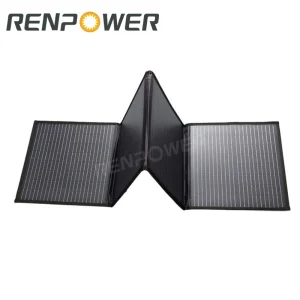
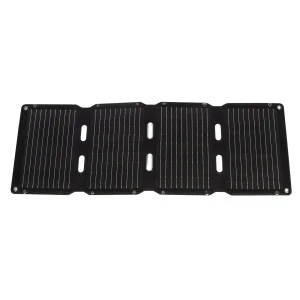
Similarly, Kenya's premier safari lodges and conservation patrols in the Maasai Mara and Laikipia rely heavily on mobile solar panels. By utilizing lightweight ETFE-coated folding modules, conservationists can monitor wildlife telemetry devices, drone recon flights, and base camps deep in the bush without relying on heavy, loud, and carbon-emitting diesel generators.
When importing solar equipment into East Africa, durability is the defining metric for Return on Investment (ROI). The equatorial Kenyan climate presents extreme UV exposure, high thermal spikes, and abrasive dust conditions.
"PET-laminated panels quickly degrade and delaminate under intense UV exposure within 12–18 months. Our manufacturing focus has shifted entirely to N-Type TOPCon and Back-Contact cells encapsulated in Ethylene Tetrafluoroethylene (ETFE) to guarantee a lifetime exceeding 10 years."
All solar modules exported to Kenya must comply with the Kenya Bureau of Standards (KEBS) and undergo Pre-Export Verification of Conformity (PVoC). We provide full documentation, including CE, IEC 61215, and ISO 9001 certificates, to prevent customs delays.
From our strategic deepwater port access at Ningbo-Zhoushan, we offer direct shipping lines to the Port of Mombasa. Cargo is seamlessly routed via the Standard Gauge Railway (SGR) directly to the Inland Container Depot (ICD) in Nairobi.
Kenya incentivizes solar components through specific VAT exemptions and duty relief schemes on clean energy goods. We organize exact product classification codes (HS Codes) to help you leverage maximum tax incentives and lower import costs.
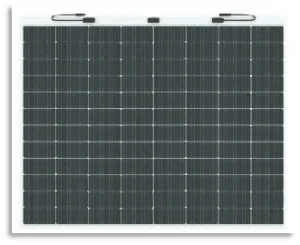
Ningbo Halkirk Solar Co., Ltd. is a professional China solar panel manufacturer and monocrystalline & bifacial solar module supplier, dedicated to delivering high-efficiency renewable energy solutions to customers worldwide. Located in Ningbo, China, the company integrates research and development, manufacturing, quality control, and global sales to provide reliable solar products for residential, commercial, industrial, and utility-scale applications.
Halkirk Solar specializes in the production of monocrystalline solar panels, bifacial solar modules, TOPCon solar panels, N-type solar modules, off-grid solar solutions, on-grid solar systems, and customized photovoltaic products. Leveraging advanced cell technology and intelligent manufacturing processes, our products are designed to maximize energy output, improve conversion efficiency, and ensure long-term performance in diverse environmental conditions.
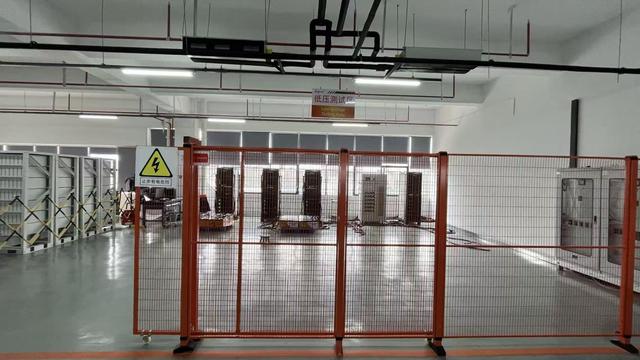
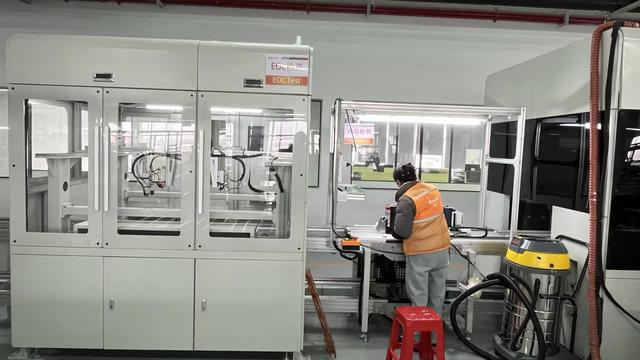
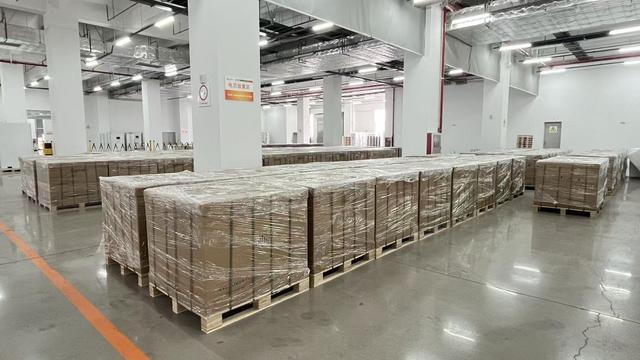
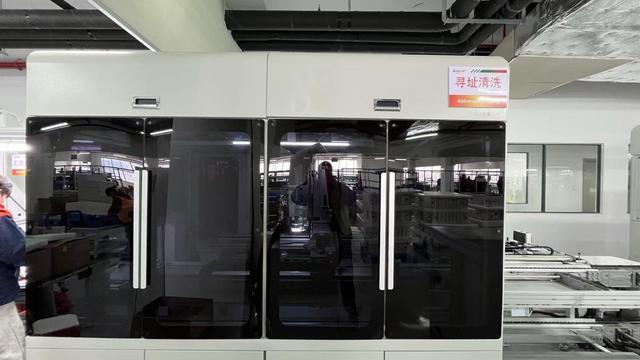
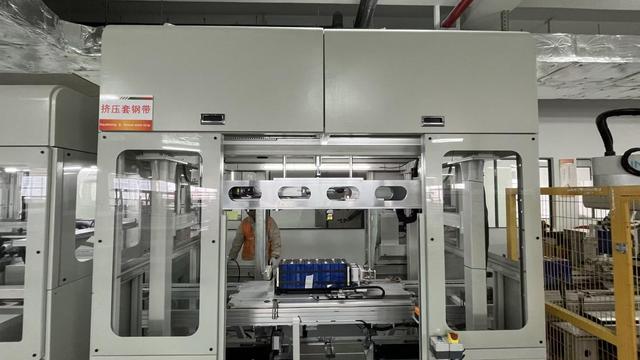
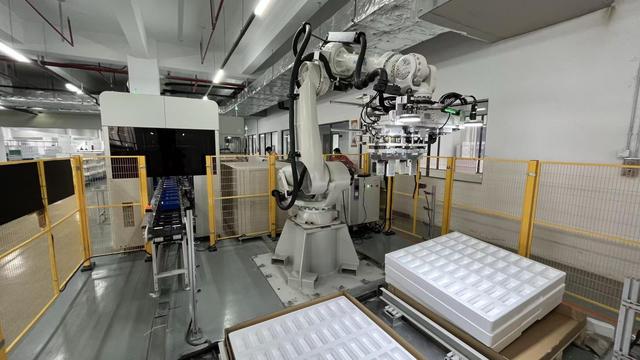
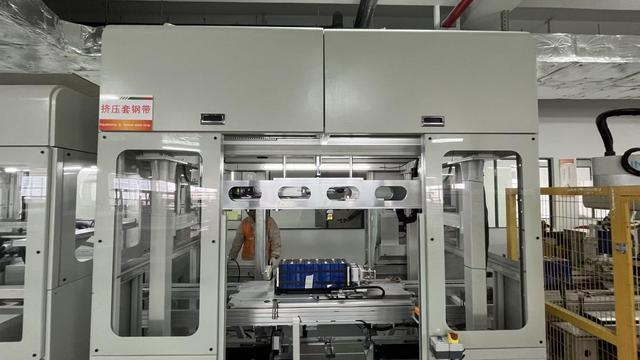
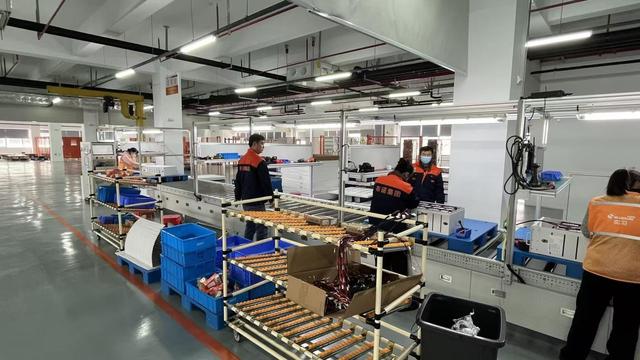
Our modern manufacturing facility is equipped with automated production lines, precision testing equipment, and strict quality management systems. Every solar module undergoes comprehensive inspections and performance testing to guarantee superior reliability, durability, and compliance with international standards. We are committed to providing products that meet the evolving demands of the global renewable energy market.
To better serve international customers, Halkirk Solar offers flexible OEM and ODM services for solar brands, distributors, EPC contractors, wholesalers, and project developers. Our experienced engineering and technical teams work closely with clients to deliver customized solar solutions tailored to specific project requirements, market demands, and branding needs.
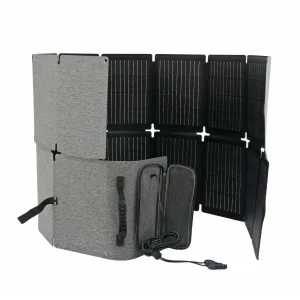
High temperatures can reduce the efficiency of standard PV modules due to the temperature coefficient. Ningbo Halkirk Solar utilizes premium monocrystalline and back-contact cells with low temperature coefficients (e.g., -0.35%/°C). The backing layers are designed to disperse heat rapidly, and our ETFE-coated models remain highly efficient without degrading or blistering, unlike lower-cost PET alternatives.
Importing solar panels into Kenya requires a Pre-Export Verification of Conformity (PVoC) issued in China to obtain a Certificate of Conformity (CoC) before shipping. Under East African Community rules, solar PV panels fall under HS Code 8541.43.00, which qualifies for a 0% import duty rate and VAT exemption schemes, significantly lowering the total cost of acquisition.
Yes. Ningbo Halkirk Solar Co., Ltd. offers full OEM/ODM customization services. We can customize fabric colors, logo prints, output interface configurations (such as USB-C Power Delivery, DC 5521 ports, or XT60 connectors), and adapt system architectures to match specific local micro-power station products popular in Nairobi and other regional hubs.
Our standard ETFE foldable panels feature a working lifespan of up to 10 years depending on deployment frequency and environment. We provide a comprehensive factory warranty covering material defects and performance thresholds. Each panel undergoes advanced Electroluminescence (EL) and flash tests at our Ningbo manufacturing facility to guarantee 0% initial degradation upon delivery.
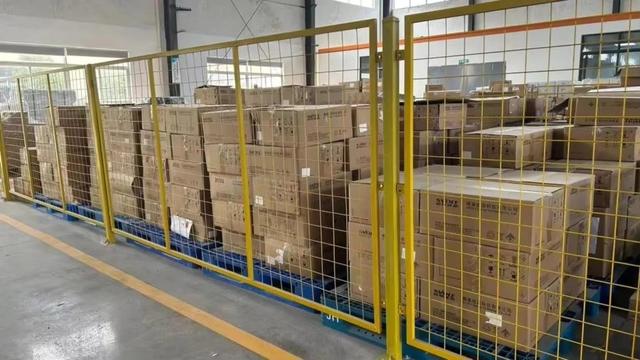
We use custom high-density honeycomb packaging and bubble wrap corners, placed inside sea-freight-grade multi-layer corrugated boxes. Pallets are shrink-wrapped and corner-reinforced to resist moisture and shock. This prevents cell micro-cracks during handling at the Ningbo port and long ocean transit to Mombasa.
 Halkirk Solar