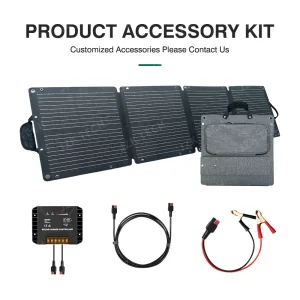
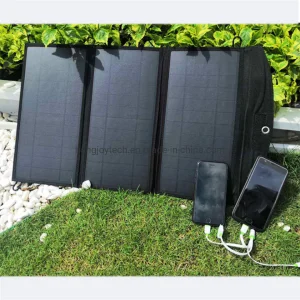
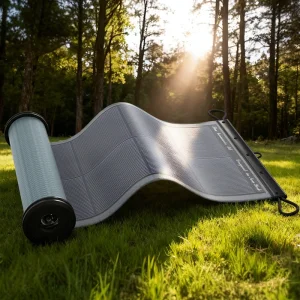
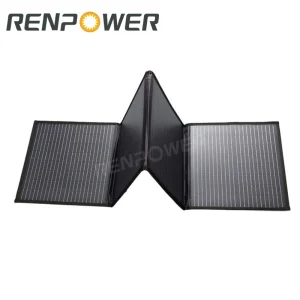
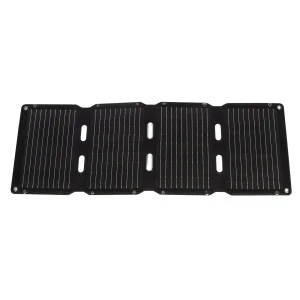
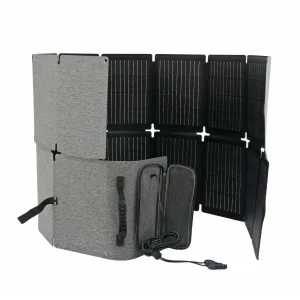
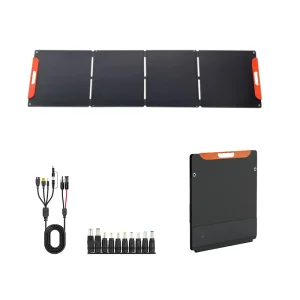
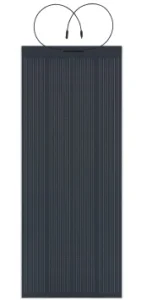
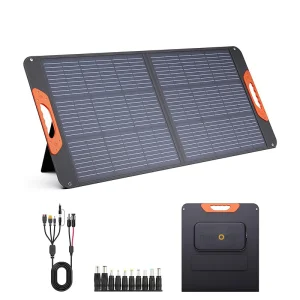
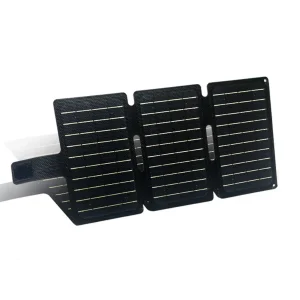
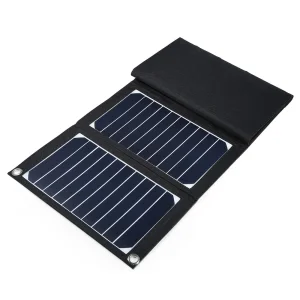
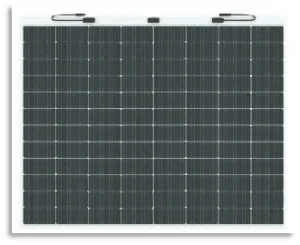
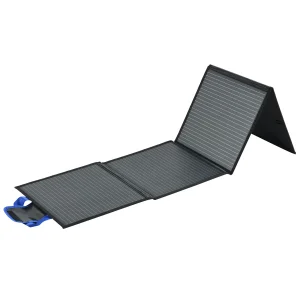
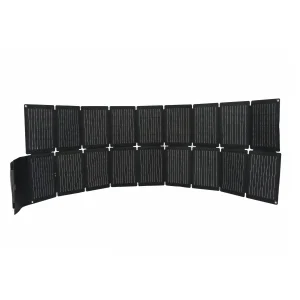
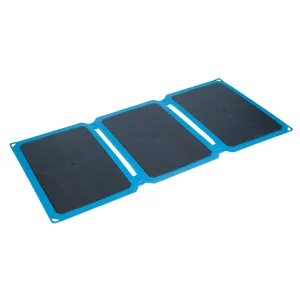
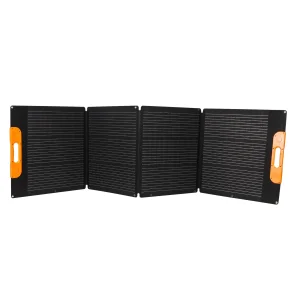
Engineered for high performance, weather resistance, and maximum power density in compact, foldable form factors.
As the metropolitan heart of South Korea, Seoul is undergoing a rapid clean energy transition. The Seoul Metropolitan Government's aggressive carbon-neutral initiatives, coupled with localized demand for off-grid resilience, have positioned portable and foldable solar panels as critical assets. Urban spaces, restricted by vertical high-rises and limited rooftop areas, require flexible, highly efficient energy solutions that do not rely on fixed installations.
Whether integrated into disaster-preparedness emergency kits for local district offices, deployed on IoT urban monitoring networks along the Han River, or packed by Seoul's weekend campers heading to Gangwon-do, portable solar technology is bridging the gap between urban life and clean energy self-sufficiency.
"By moving away from static, heavy photovoltaic setups, Seoul is pioneering micro-generation paradigms where citizens and public infrastructure carry their power sources with them."
Cell Conversion Efficiency
Waterproof Rating Standards
Transit Time to Seoul Ports
EL Testing Qualification
How businesses, municipal bodies, and consumers are integrating foldable solar technology.
Seoul’s Smart City infrastructure demands independent power for sensors monitoring air quality, traffic flow, and river levels. Lightweight rollable and foldable solar systems provide dynamic power without invasive cabling.
With seismic and climate contingencies climbing, municipal government storage facilities across Seoul house emergency backup generators. 100W to 200W foldable panels provide reliable charging for communications arrays and medical batteries.
The outdoor culture of Seoul's demographic demands high-end, aesthetic power options. Integrated ETFE, anti-scratch panels that plug directly into domestic portable power stations (EcoFlow, Jackery, local Korean brands) are now standard camping gear.
In mobile photovoltaics, lamination quality determines the operational lifespan. Traditional PET (Polyethylene Terephthalate) laminates tend to yellow, delaminate, and lose transmittance within 1-2 years under high UV exposure. To meet the high reliability standards demanded by commercial operators in Seoul, Ningbo Halkirk Solar Co., Ltd. utilizes advanced ETFE (Ethylene Tetrafluoroethylene) encapsulation.
| Feature / Metric | Standard PET Lamination | Premium ETFE Lamination (Halkirk Standard) |
|---|---|---|
| Light Transmittance | 88% - 90% | Up to 95% (Maximizes low-light generation) |
| Lifespan Expectancy | 1.5 - 2 Years | 5 - 8 Years (Resists UV degradation) |
| Thermal Resistance | Poor (Efficiency drops sharply above 45°C) | Excellent (Operates up to 85°C with minimal loss) |
| Surface Properties | Prone to scratching, non-self-cleaning | Anti-scratch, honeycomb self-cleaning texture |
| Waterproof Rating | IP65 (Splash-proof only) | IP67 / IP68 (Waterproof junction box & body) |
Furthermore, our use of back-contact solar cells yields superior conversion efficiencies of up to 23.5%. Unlike standard cells with metallic grid lines on the front face, back-contact designs move all electrical contacts to the rear, creating an unobstructed light-absorption surface. This design maintains performance under partial shading—a common issue in Seoul's urban high-rise landscapes.
Robust power ratings built to support heavy field tools, camping rigs, and portable power stations.
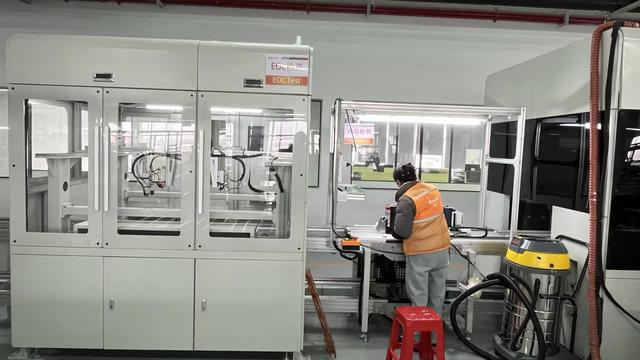
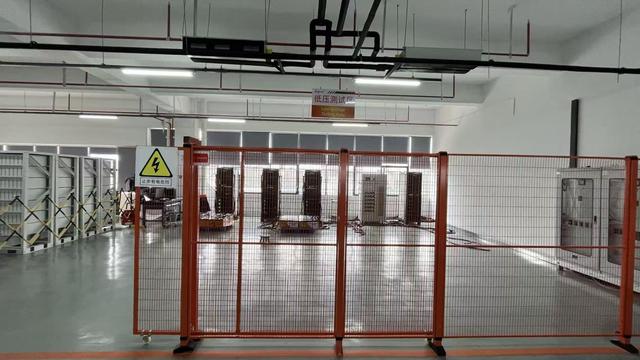
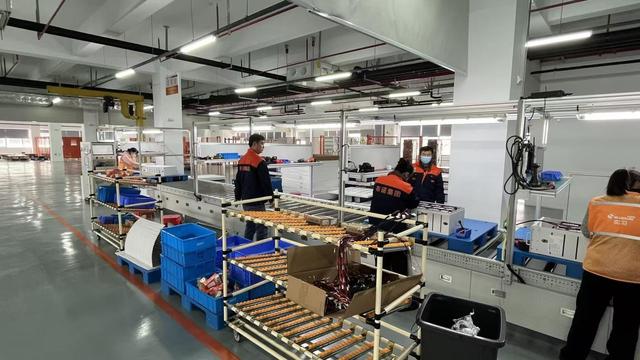
Ningbo Halkirk Solar Co., Ltd. is a professional China solar panel manufacturer and monocrystalline & bifacial solar module supplier, dedicated to delivering high-efficiency renewable energy solutions to customers worldwide. Located in Ningbo, China, the company integrates research and development, manufacturing, quality control, and global sales to provide reliable solar products for residential, commercial, industrial, and utility-scale applications.
We specialize in the production of monocrystalline solar panels, bifacial solar modules, TOPCon solar panels, N-type solar modules, off-grid solar solutions, on-grid solar systems, and customized photovoltaic products. Leveraging advanced cell technology and intelligent manufacturing processes, our products are designed to maximize energy output, improve conversion efficiency, and ensure long-term performance in diverse environmental conditions.
For Korean B2B clients, our location in Ningbo offers significant logistical advantages. Our proximity to the Ningbo-Zhoushan Port allows us to facilitate fast, cost-efficient shipping to Incheon, Busan, and Pyeongtaek ports within 2 to 3 days, providing Korean distributors with lean inventory cycles and reliable supply chains.
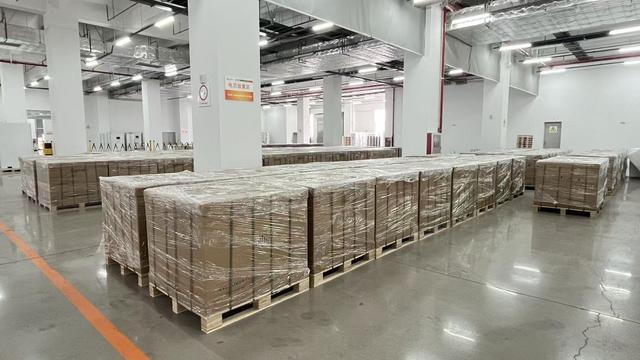
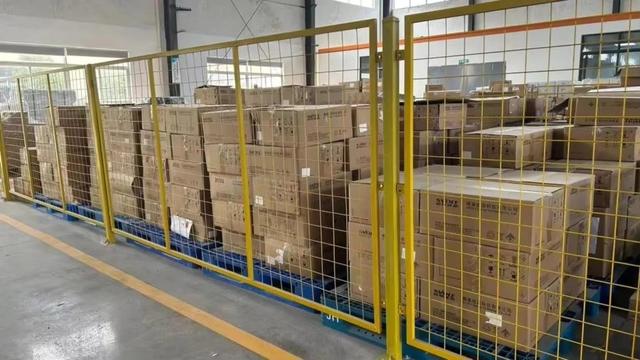
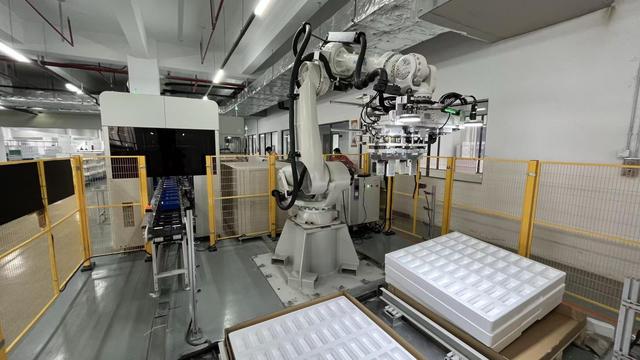
Navigating South Korea's import and safety frameworks is essential for a successful product launch. Ningbo Halkirk Solar designs products that comply with local guidelines and support smooth certification processes.
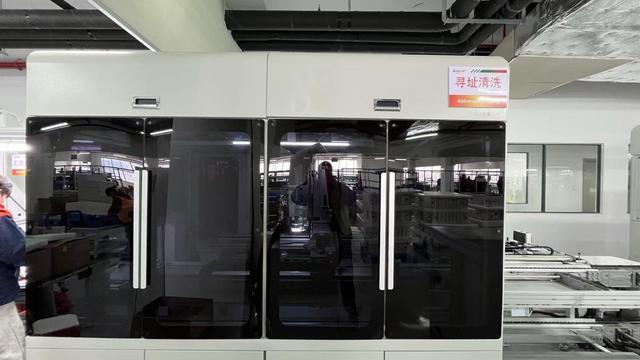
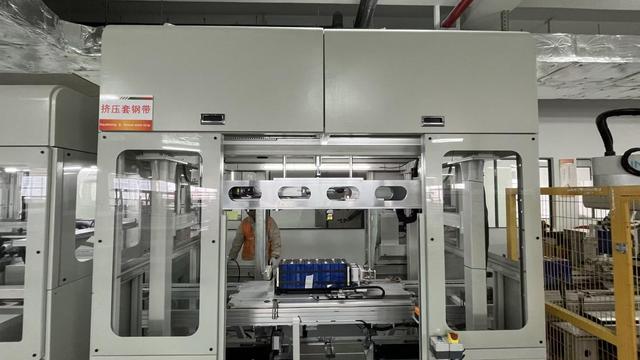
Every batch undergoes dual Electroluminescence (EL) testing, ensuring that your order is delivered to Seoul without micro-cracks or hidden cell defects.
Explore our complete catalog of foldable, rollable, and semi-flexible modules designed for the global market.
Crucial industrial design and procurement factors to consider when choosing a manufacturing partner.
For B2B imports, the solar panels must satisfy local safety and electromagnetic compatibility (EMC) regulations. Handheld and portable electronic devices or chargers with integrated voltage converters require KC (Korea Certification). At Halkirk Solar, we supply test reports and certificates (such as CE, FCC, RoHS) to assist our Korean clients with the local certification process.
Seoul experiences distinct seasonal shifts, from hot, humid summers to freezing winters. PET lamination can degrade under intense UV exposure and thermal stress, leading to delamination and yellowing. In contrast, ETFE (Ethylene Tetrafluoroethylene) provides high UV resistance, self-cleaning properties, and durability, maintaining light transmittance up to 95% over an extended operational life.
Yes. Through our OEM and ODM services, we configure junction boxes and output cables to match popular systems in the Korean market. We can supply direct DC outputs (such as XT60, Anderson, DC7909, MC4) as well as smart USB outputs with QC3.0 and USB-C Power Delivery protocols.
Our facility is situated close to Ningbo-Zhoushan Port. Maritime shipping to Incheon or Busan Port takes 2 to 3 days. This proximity enables fast transit times, low logistics costs, and simplified supply chain management for our Korean clients.
Micro-cracks can cause hot spots and reduce power output over time. We utilize automated laser cutting and precision temperature control during the lamination process. Each module undergoes Electroluminescence (EL) testing before and after lamination to verify cell integrity before dispatch.
Partner with Ningbo Halkirk Solar Co., Ltd. for scalable OEM/ODM production, competitive factory pricing, and quick logistics to South Korea.
Send Inquiry Now Halkirk Solar