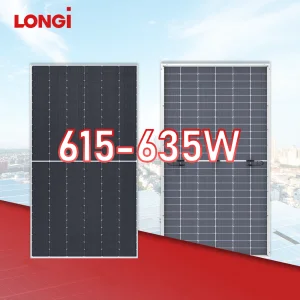
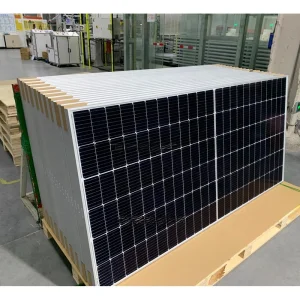
High-efficiency TOPCon and monocrystalline solutions optimized for the unique temperature coefficients and humidity demands of the Manila market.
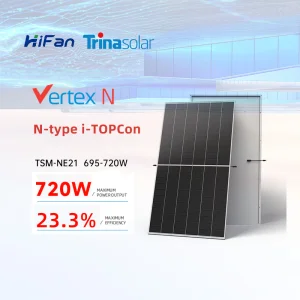
How distributed generation and escalating utility rates are driving N-type Tunnel Oxide Passivated Contact adoption in the National Capital Region.
Metro Manila, the economic heart of the Philippines, faces some of the highest electricity tariffs in the Association of Southeast Asian Nations (ASEAN) region. With commercial and industrial rates frequently fluctuating, businesses in major economic zones like Quezon City, Makati, Taguig (BGC), Pasay, and the adjacent industrial corridors of Cavite, Laguna, and Batangas (CALABARZON) are rapidly pivoting to self-generation. Photovoltaic (PV) installations have transitioned from a sustainability luxury to a core financial strategy.
For years, P-type PERC (Passivated Emitter and Rear Cell) technology was the standard for commercial installations. However, PERC is rapidly approaching its theoretical efficiency limit of 24.5%. N-type Tunnel Oxide Passivated Contact (TOPCon) technology breaks this ceiling. By inserting an ultra-thin silicon oxide tunnel layer followed by highly doped polycrystalline silicon on the rear side, TOPCon effectively reduces surface recombination and increases open-circuit voltage (Voc).
In hot tropical environments like Manila, where rooftop temperatures can exceed 65°C, N-type TOPCon panels offer a significantly better temperature coefficient compared to older P-type modules. When standard panels lose output due to ambient heat, TOPCon modules sustain high generation curves, yielding up to 3% to 5% more energy annually. Furthermore, N-type wafers are naturally immune to Light-Induced Degradation (LID) and exhibit near-zero Light and Elevated Temperature Induced Degradation (LeTID).
SEO Insight & Information Gain: Under standard operating conditions in Luzon, the Philippines, a 1MW solar array using TOPCon technology produces up to 80,000 kWh more electricity per year than a traditional PERC system, accelerating return on investment (ROI) by 8 to 14 months.
The average temperature in Metro Manila hovers around 27°C to 34°C, but commercial metal rooftops experience much higher localized temperatures. Standard P-type panels lose approximately 0.38% of their rated power for every degree above 25°C. In contrast, premium N-type TOPCon solar modules feature a temperature coefficient of just -0.30%/°C. Over a typical 8-hour daily generation window in Pasig or Valenzuela, this performance delta leads to thousands of pesos saved in levelized cost of energy (LCOE).
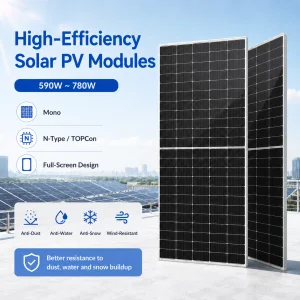
Aligning world-class intelligent solar manufacturing with local requirements in the Philippines.
Ningbo Halkirk Solar Co., Ltd. stands as a premier manufacturer of monocrystalline and bifacial solar modules, delivering cutting-edge technology from its base in Ningbo, China. Positioned near one of the world's most active shipping ports, Halkirk Solar optimizes logistics directly to the Port of Manila (North and South Harbors), ensuring reliable lead times for large-scale projects, distributors, and EPC (Engineering, Procurement, and Construction) firms across the archipelago.
Our state-of-the-art factories integrate smart manufacturing systems, automated cell cutting, and high-precision testing. By operating continuous cleanroom environments and real-time Quality Assurance (EL testing at multiple stages), we ensure that every single cell in our N-type TOPCon modules is free of micro-cracks and potential-induced degradation (PID) vectors before shipment.
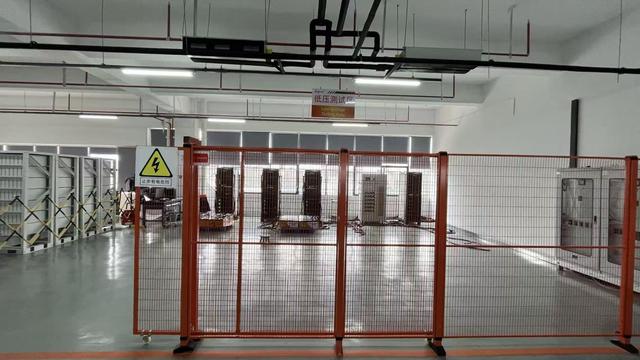
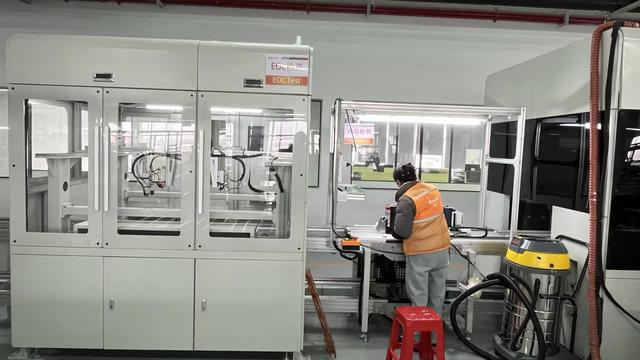
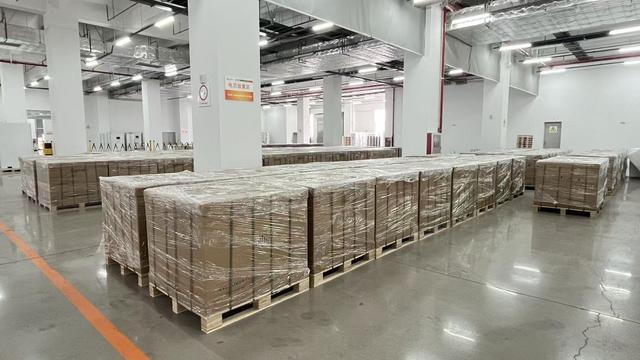
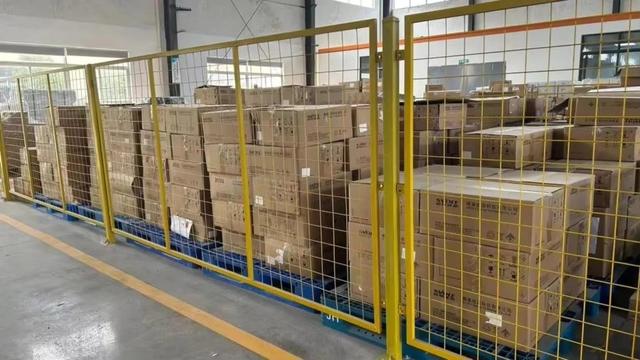
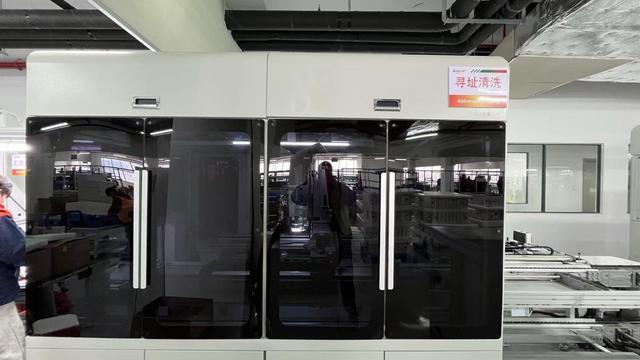
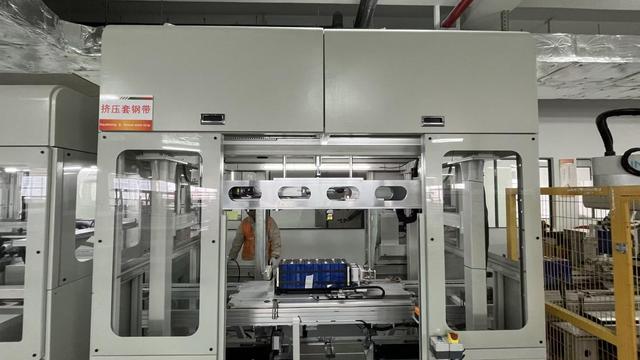
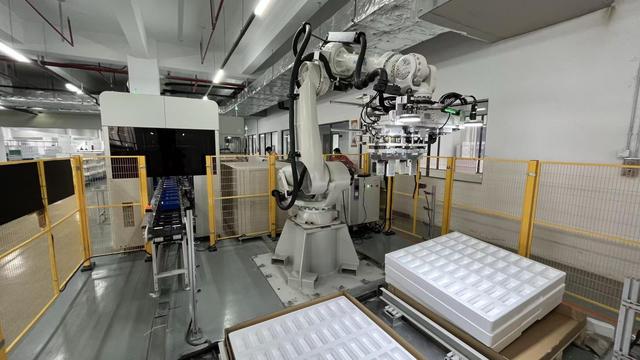
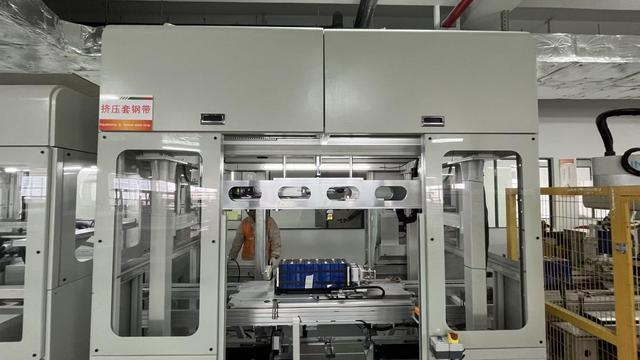
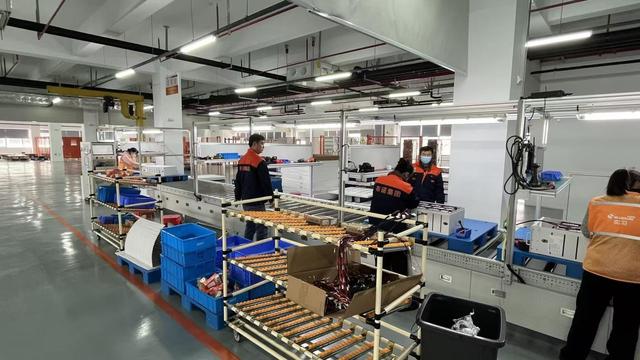
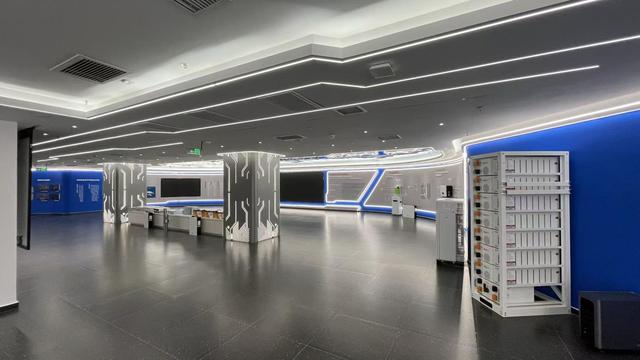
Through our dedicated OEM and ODM manufacturing pipelines, Halkirk Solar enables Philippines-based brands and EPC partners to source custom-engineered PV modules tailored to specific climate standards. This includes mechanical strength validation to resist intense typhoons, anti-salt mist coatings for coastal installations near Manila Bay, and custom frame designs for rapid commercial installation.
To assist developers in evaluating capital expenditure (CapEx) against long-term operation and maintenance (OpEx), we outline how N-Type TOPCon compares directly to historical standard Mono PERC and emerging Heterojunction (HJT) solar panels in tropical utility profiles.
| Parameters & Metrics | P-Type Mono PERC | N-Type TOPCon | N-Type HJT |
|---|---|---|---|
| Mass Production Efficiency | 20.5% - 21.8% | 22.2% - 23.2% | 22.8% - 23.8% |
| Temperature Coefficient | -0.35% to -0.38% / °C | -0.30% to -0.32% / °C | -0.26% to -0.28% / °C |
| Bifaciality Factor | 65% - 70% | 75% - 85% | 85% - 95% |
| First Year Degradation | 2.0% | 1.0% | 1.0% |
| Annual Degradation Rate | 0.55% | 0.40% | 0.37% |
| Manufacturing Cost (CapEx) | Lowest (Baseline) | Moderate (Highly Competitive) | High (Premium Premium) |
While HJT panels offer a marginal efficiency improvement over TOPCon, the high initial production and material costs of HJT often present a longer amortization timeline for businesses in the Philippines. This positions TOPCon as the current "sweet spot" for commercial utility projects: providing maximum energy harvest at an optimized cost-per-watt scale.
Adapting advanced PV architecture to real-world urban and coastal challenges in Luzon.
Flat and pitch-roof warehouses in dense manufacturing districts leverage TOPCon's low-light performance during the monsoon season (June to November), maintaining steady power generation even on heavily overcast days.
Manila's coastal exposure demands high resistance to salt spray and high humidity. Dual-glass N-type TOPCon modules provide hermetically sealed glass-on-glass designs that prevent water ingress and PID corrosion.
Commercial operators under Meralco's Net Metering system require accurate peak shaving. The accelerated early-morning and late-afternoon power production curves of TOPCon panels maximize exported energy credits.
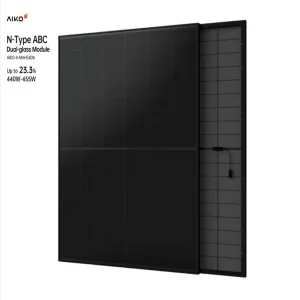
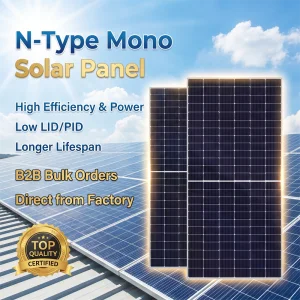
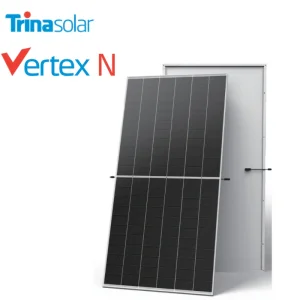
The complete range of N-type and premium monocrystalline solar modules, supporting custom requirements and direct logistics supply lines.
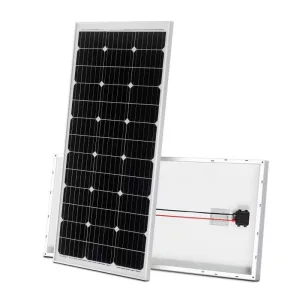
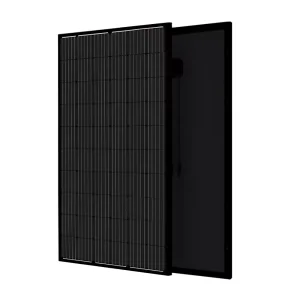
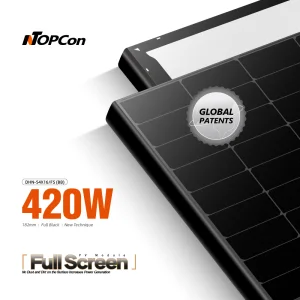
As the primary standard in global solar markets, N-type technology continues to advance. Our factories are implementing key manufacturing upgrades to support future system integration:
By investing in N-type TOPCon, commercial and utility projects across Manila secure a technology framework that remains compatible with next-generation smart inverters, tracking systems, and energy storage systems (ESS).
Partner with Ningbo Halkirk Solar Co., Ltd. for direct factory supply, customized solar engineering, and dedicated project support in Metro Manila.
Send Inquiry Now Halkirk Solar