High-yield solar solutions explicitly tailored for the Greater Sydney grid connection parameters, featuring extreme thermal endurance for Western Sydney's hot summer microclimates.
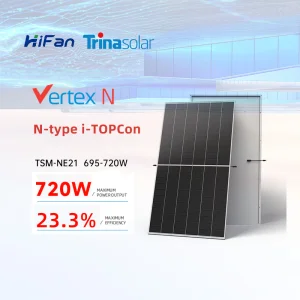
Designed for optimal BOS savings in large-scale installations across Western Sydney logistics hubs. Outstanding performance under low-light conditions.
Request Sydney Quote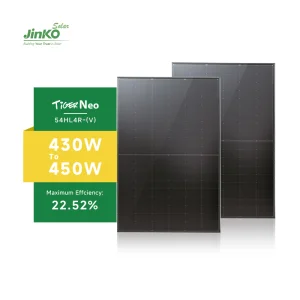
Elegant full-black design ideal for architectural integration in Sydney premium suburbs, balancing aesthetic luxury with TOPCon N-type generation efficiency.
Request Sydney Quote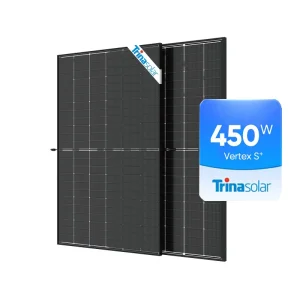
Bifacial double-glass structures providing extra power yield from Sydney coastal albedo, featuring a robust black frame design for harsh environment durability.
Request Sydney Quote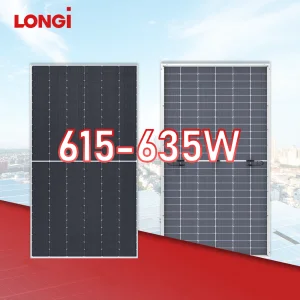
Heavy-duty dual glass modules optimized for off-grid operations and microgrid systems across NSW, backed by internationally recognized UL certifications.
Request Sydney QuoteThe transition toward renewable energy in New South Wales (NSW), and specifically the Greater Sydney region, is undergoing a profound structural shift. Guided by the Electricity Infrastructure Roadmap and the ambitious Net Zero Plan NSW, commercial developers, EPC contractors, and industrial facility owners are phasing out legacy P-type PERC systems. They are actively integrating N-type Tunnel Oxide Passivated Contact (TOPCon) solar technologies to secure higher yields, lower degradation curves, and optimal return on investment (ROI).
Sydney's solar application landscape is unique. It ranges from coastal properties in Botany Bay and Port Jackson, which require high salt-mist and ammonia resistance, to the scorching western corridors of Parramatta, Penrith, and Campbelltown. These western areas experience summer temperatures exceeding 40°C. Under these conditions, the temperature coefficient of the solar module dictates the financial success of the system. Conventional panels experience severe power drop-offs, whereas TOPCon technology thrives with its industry-leading thermal coefficient (-0.30%/°C), keeping generation losses to an absolute minimum.
Traditional P-type PERC panels are rapidly approaching their theoretical efficiency limit of approximately 24.5%. By contrast, N-type TOPCon cells utilize an ultra-thin silicon oxide tunneling layer paired with highly doped polycrystalline silicon, pushing industrial production cell efficiency beyond 26%. This translates directly into a higher power output per square meter. In space-restricted suburban Sydney rooftops, maximizing the watt-density is vital to offset rising grid electricity tariffs.
Moreover, the integration of solar arrays in Australia is subject to strict regulatory compliance governed by the Clean Energy Council (CEC). Any module installed in grid-connected Sydney must comply with the recently updated AS/NZS 4777.2 grid-connection standards and the strict safety guidelines of AS/NZS 5033. High-quality TOPCon manufacturers like Ningbo Halkirk Solar Co., Ltd. ensure that their N-type products undergo meticulous testing. This makes them fully compliant with Australian distribution network requirements, including those of Ausgrid, Endeavour Energy, and Essential Energy.
To understand why TOPCon has become the dominant technology in high-performance solar assets, we must look at the underlying solid-state physics. Tunnel Oxide Passivated Contact (TOPCon) architecture is designed to resolve the primary bottleneck of standard silicon solar cells: carrier recombination at the metal contacts.
A sub-2nm silicon dioxide (SiO2) layer acts as a quantum mechanical barrier. It allows electrons to tunnel through while preventing hole recombination, boosting VOC (open-circuit voltage).
A layer of highly phosphorus-doped polycrystalline silicon provides excellent passivated contact, reducing surface recombination velocity to under 10 cm/s.
N-type phosphorus doping eliminates boron-oxygen complexes, mitigating Light-Induced Degradation (LID) and ensuring consistent performance over decades.
In a standard P-type cell, boron doping makes it susceptible to Light-Induced Degradation (LID) when exposed to oxygen and sunlight. Because N-type TOPCon cells use phosphorus doping, they are completely immune to this effect. The first-year degradation rate drops from 2.0% for PERC down to less than 1.0% for TOPCon. This difference ensures a much more stable power generation profile over a 25- to 30-year lifetime.
For utility developers in New South Wales designing massive multi-megawatt systems, this long-term stability significantly lowers the Levelized Cost of Energy (LCOE). It also reduces the Balance of System (BOS) costs by requiring fewer mounting structures, cables, trackers, and combiners to achieve the target system capacity.
Performance metrics demonstrating the operational superiority of next-generation N-type solar solutions over legacy technologies in Australian conditions.
Ningbo Halkirk Solar Co., Ltd. is a professional China solar panel manufacturer and monocrystalline & bifacial solar module supplier, dedicated to delivering high-efficiency renewable energy solutions to customers worldwide. Located in Ningbo, China, the company integrates research and development, manufacturing, quality control, and global sales to provide reliable solar products for residential, commercial, industrial, and utility-scale applications.
Halkirk Solar specializes in the production of monocrystalline solar panels, bifacial solar modules, TOPCon solar panels, N-type solar modules, off-grid solar solutions, on-grid solar systems, and customized photovoltaic products. Leveraging advanced cell technology and intelligent manufacturing processes, our products are designed to maximize energy output, improve conversion efficiency, and ensure long-term performance in diverse environmental conditions.
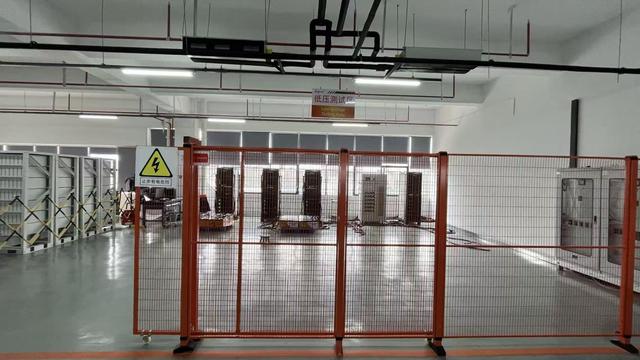
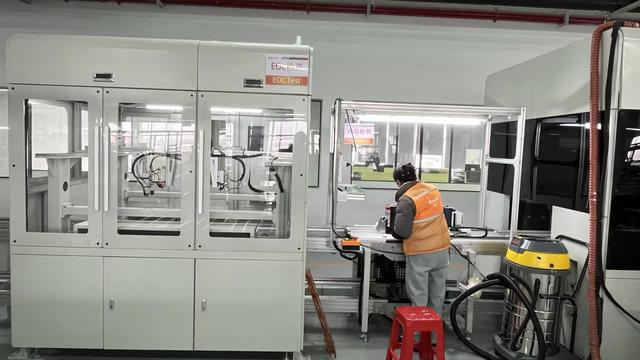
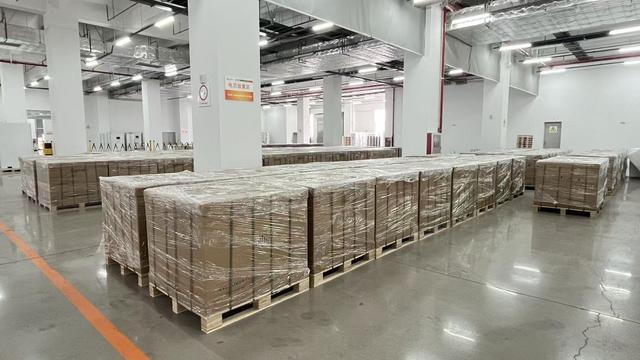
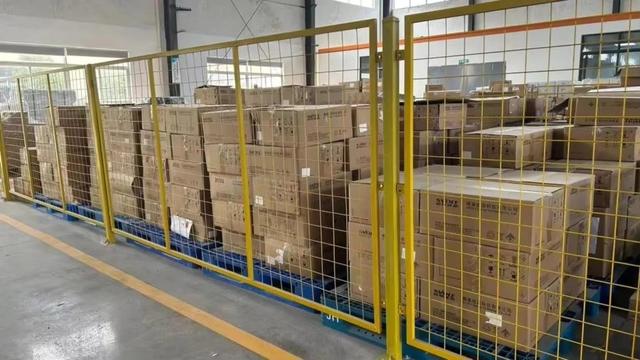
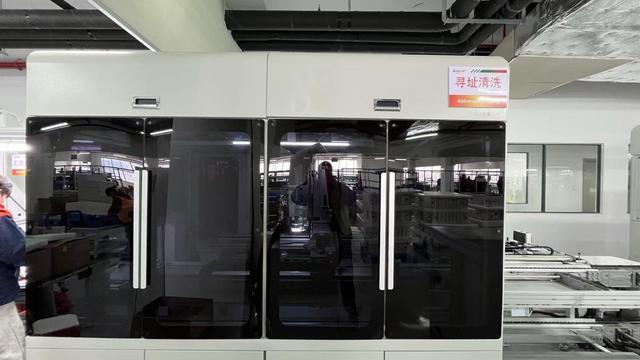
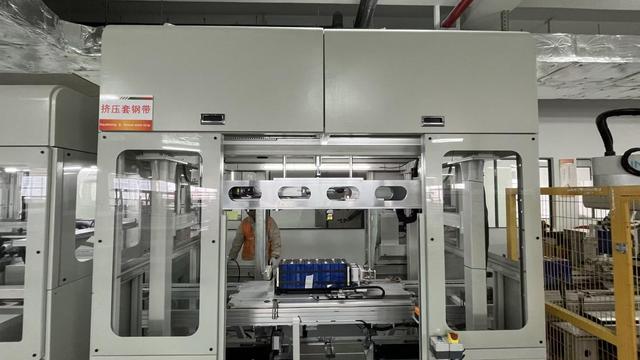
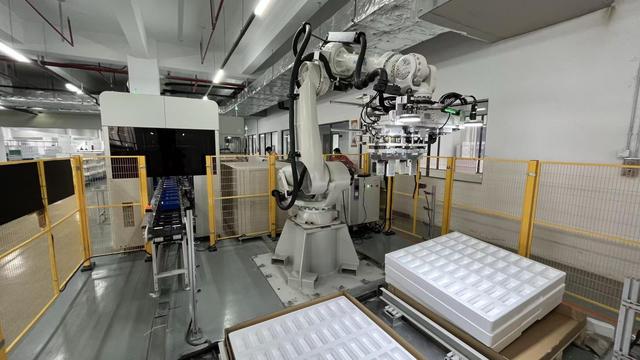
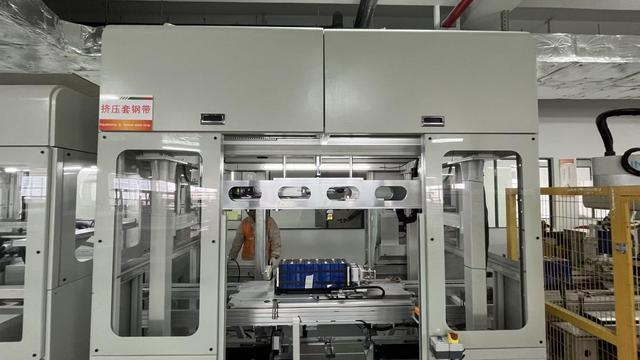
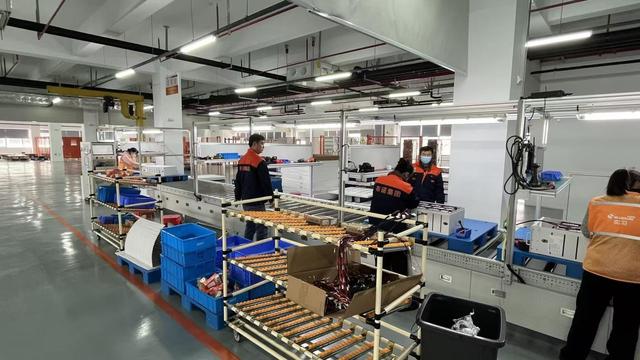
Our modern manufacturing facility is equipped with automated production lines, precision testing equipment, and strict quality management systems. Every solar module undergoes comprehensive inspections and performance testing to guarantee superior reliability, durability, and compliance with international standards. We are committed to providing products that meet the evolving demands of the global renewable energy market.
To better serve international customers, Halkirk Solar offers flexible OEM and ODM services for solar brands, distributors, EPC contractors, wholesalers, and project developers. Our experienced engineering and technical teams work closely with clients to deliver customized solar solutions tailored to specific project requirements, market demands, and branding needs.
Driven by innovation, sustainability, and customer satisfaction, Ningbo Halkirk Solar Co., Ltd. continues to expand its presence in global markets. We strive to become a trusted partner in the photovoltaic industry by providing high-quality solar modules and comprehensive clean energy solutions that contribute to a greener and more sustainable future.
These select models combine high watt-density, aesthetic frames, and compact footprints to suit residential and medium-sized commercial roofs in the Sydney metropolitan area.
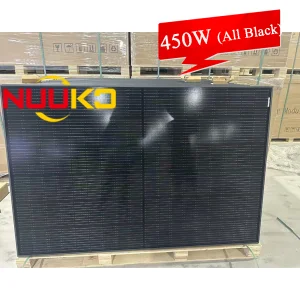
Available for immediate shipping and project staging, delivering high-efficiency half-cell monocrystalline yields for tight project deadlines.
Request Sydney Quote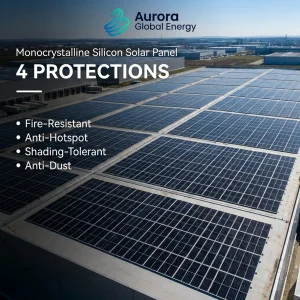
All-weather reliability engineered with customizable cells for Sydney architectural integrations and marine-grade installations.
Request Sydney Quote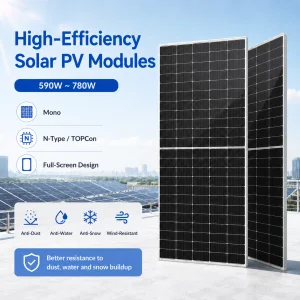
Optimized physical dimensions to maximize packing density on industrial roofs, accelerating return on investment for commercial estates.
Request Sydney Quote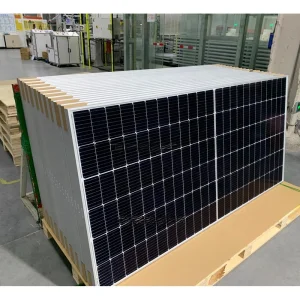
Perfect balance of performance and budget, utilizing Tier-1 manufacturing practices to deliver cost-effective power generation.
Request Sydney QuoteDeploying solar arrays in Australia, specifically in urban Sydney commercial networks, requires strict compliance with local regulations. First and foremost, modules must be approved by the Clean Energy Council (CEC) for installation under local rebates and commercial feed-in tariff frameworks. This ensures that safety designs, insulation properties, and mechanical wind load parameters are certified for Australian conditions.
Sydney coastal suburbs frequently face highly corrosive marine environments with high salt levels in the air. For installations within 5 kilometers of the shoreline, modules require certification under IEC 61701 for salt mist corrosion resistance. Our manufacturing processes include double-pass encapsulation utilizing POE (polyolefin elastomer) films rather than standard EVA. This provides superior protection against water vapor transmission and potential-induced degradation (PID).
Furthermore, in compliance with AS/NZS 5033 standards, fire safety ratings are critical. Double-glass configurations offer Class A fire protection, which is increasingly required by commercial property insurance underwriters in major hubs like Sydney Olympic Park, Macquarie Park, and the North Sydney CBD. Partnering with a manufacturer that controls its supply chain, from the wafer level in Ningbo to delivery at Port Botany, ensures that all compliance documentation is fully transparent and audit-ready.
Procuring solar modules directly from China to Sydney requires an experienced logistics partner. Standard transit times from Ningbo-Zhoushan Port to Port Botany, Sydney, typically range between 18 to 25 days, depending on shipping lines and route directness. For developers, coordinating these delivery schedules with project construction phases is key to minimizing storage fees at the port or on-site.
Our team works closely with major freight forwarders to offer flexible shipping arrangements, including Free on Board (FOB), Cost, Insurance, and Freight (CIF), and Delivered Duty Paid (DDP). Additionally, we provide comprehensive documentation support, including Australian Customs clearance paperwork, bills of lading, certificates of origin, and detailed flash test reports for every single container. This allows local engineers to verify the flash testing data of each module prior to mechanical installation on-site.
Heavy-duty, high-output N-type PV configurations engineered for high wind load durability, harsh industrial settings, and prolonged operational lifespan.
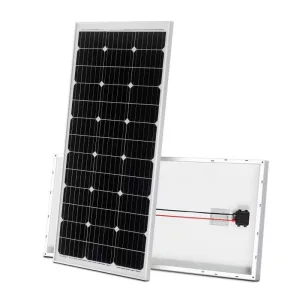
High-power bifacial layouts offering rear-side gains of up to 25% under optimal mounting conditions on commercial rooftops.
Request Sydney Quote
Equipped with highly durable anodized aluminum frames designed for quick clamp installation on standard metal deck roofs.
Request Sydney Quote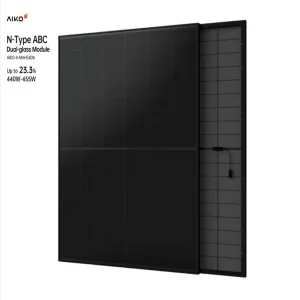
Premium dual-glass technology providing maximum physical panel protection alongside ultra-efficient N-type ABC design.
Request Sydney Quote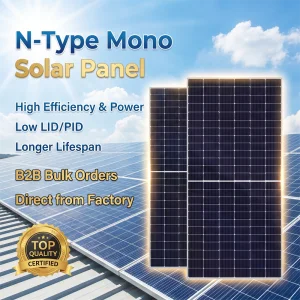
Designed for upgrading legacy installations, this model offers a higher output in the same physical footprint for C&I projects.
Request Sydney Quote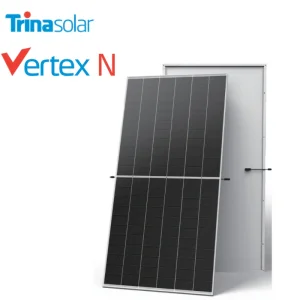
Delivering an ultra-high 720W power output, this model is built for modern ground-mount utility tracking systems.
Request Sydney Quote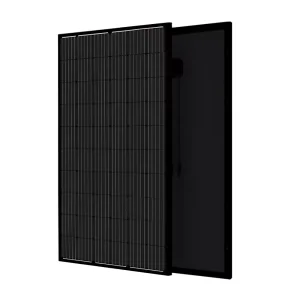
Backed by a reliable 25-year structural warranty, this half-cell module offers excellent cost efficiency for commercial projects.
Request Sydney Quote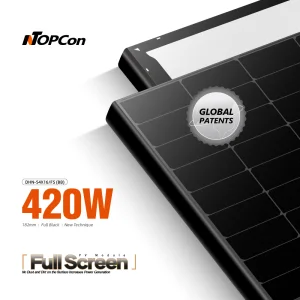
Features a sleek, dust-free outer frame design that minimizes dirt accumulation along the edges, reducing ongoing maintenance costs.
Request Sydney Quote
Fully TUV certified with a heavy-duty front glass cover, built to withstand hail and severe storm conditions across NSW.
Request Sydney QuoteAnswers to common technical and procurement questions for engineering companies, distributors, and developers operating in the Sydney metropolitan area.
Are you designing a utility array in New South Wales or retrofitting an industrial commercial warehouse in Sydney? Work with our project engineering team to configure the ideal N-type TOPCon module layout for your project.
 Halkirk Solar