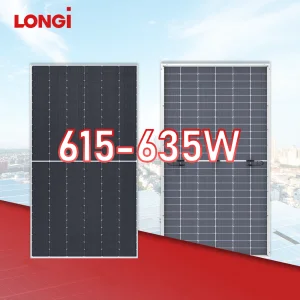
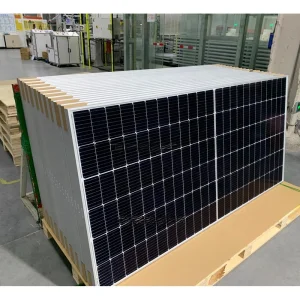
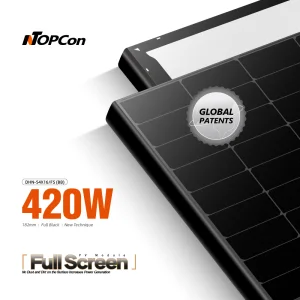
Explore our elite line of TOPCon and high-efficiency photovoltaic modules engineered for maximum yield, low degradation, and long-term viability in East African climates.
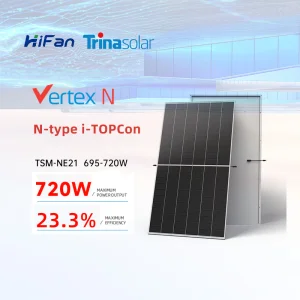
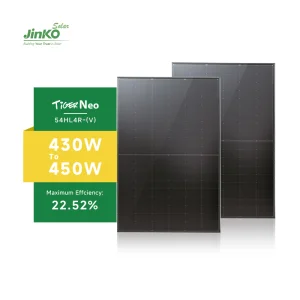
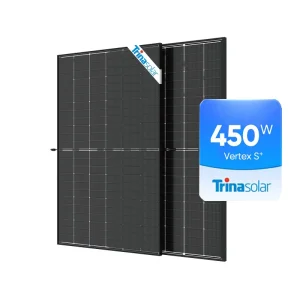
Ethiopia is undergoing a monumental transformation in its energy architecture. With a national strategy aimed at achieving universal electrification through the National Electrification Program (NEP 2.0), the government is prioritizing solar technology to supplement its massive hydropower assets. While hydropower provides the base load, persistent seasonal droughts demand a diversified grid. Solar power offers the ideal decentralized and grid-connected balancing solution.
Due to its geographical location near the equator, Ethiopia receives abundant solar radiation, with an average daily solar insolation of 5.5 kWh/m². The Rift Valley, Oromia, Tigray, Somali, and Amhara regions boast the country's highest levels of solar radiation, presenting a massive opportunity for commercial, industrial, and utility-scale solar generation. The adoption of high-efficiency N-Type TOPCon technology has emerged as a cornerstone for maximizing power output under high-temperature conditions characteristic of the Ethiopian lowlands.
An engineering perspective on why Tunnel Oxide Passivated Contact (TOPCon) technology delivers a superior levelized cost of energy (LCOE) in the Ethiopian environment.
Unlike P-type PERC cells, N-type TOPCon substrates are doped with phosphorus instead of boron, eliminating Boron-Oxygen complexes that cause Light-Induced Degradation (LID) and Light- and elevated Temperature-Induced Degradation (LeTID).
Operating at a temperature coefficient of -0.30%/°C, TOPCon panels sustain significantly lower power losses in hot semi-arid zones like Afar and Somali compared to PERC cells (-0.35%/°C), raising energy yield by 3% to 5%.
With a bifaciality rate of up to 85% (compared to 70% for PERC), our bifacial modules utilize reflected ground albedo in rural terrains to generate up to 25% additional power from the rear side.
| Performance Parameter | P-Type PERC Solar Modules | N-Type TOPCon PV Modules | Operational Benefit in Ethiopia |
|---|---|---|---|
| Cell Efficiency Limit | ~24.5% | ~28.7% (22.5%+ in production) | Higher power density, lower structural & balance of system (BOS) costs. |
| Temperature Coefficient | -0.35%/°C | -0.30%/°C | Minimizes efficiency loss in high-insolation, hot lowland regions. |
| Bifaciality Factor | 70% ± 5% | 80% ± 5% | Significantly higher rear-side power output on sandy or rocky dry soils. |
| First Year Degradation | 2.0% | 1.0% | Immediate boost in power output and faster ROI for project developers. |
| Annual Degradation Rate | 0.55% | 0.40% | Ensures high energy yield beyond the typical 25-year lifecycle. |
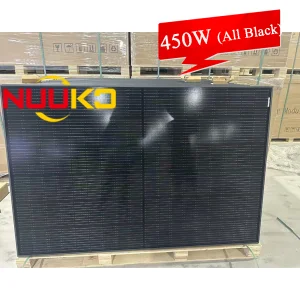
High-capacity monocrystalline modules designed to meet the rigorous energy demands of Ethiopian industrial parks and distributed generation networks.
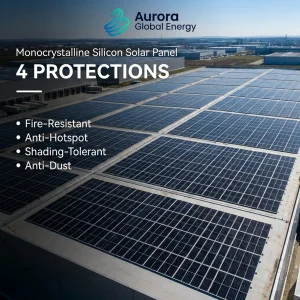
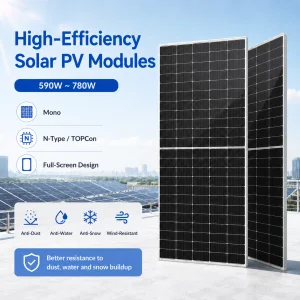
Addressing localized power challenges with targeted photovoltaic system integration.
Major manufacturing complexes like the Hawassa Industrial Park, Bole Lemi, and Adama Industrial Park face high energy demands. Fluctuations in the national grid can stall assembly lines, incurring high losses. Our MW-scale TOPCon roof and ground-mount solutions provide reliable, localized, captive power plants that stabilize grid voltages and reduce dependence on backup diesel generators.
Agriculture forms the backbone of Ethiopia's economy, employing over 70% of the population. Solar-powered irrigation systems (SPIS) utilizing our high-output N-type PV modules present a sustainable, zero-fuel method to pump groundwater. This helps Oromia and Amhara farmers transition to year-round double-cropping systems, boosting local food security.
Large parts of regional Ethiopia remain disconnected from the main transmission lines. Implementing hybrid solar mini-grids combined with energy storage (BESS) provides a fast, cost-effective way to supply clean, reliable energy to rural villages, health clinics, and schools, skipping the multi-year timelines needed for high-voltage grid extensions.
Exporting solar modules to East Africa requires a deep understanding of regional supply chains. Ningbo Halkirk Solar Co., Ltd. streamlines this process. Shipments depart directly from Ningbo Port, one of the world's largest logistics hubs, and travel via established maritime lanes to the Port of Djibouti. From Djibouti, cargo moves seamlessly along the Addis Ababa-Djibouti railway corridor to key inland dry ports like Modjo and Gelan.
Our logistics team works in close coordination with Ethiopian freight forwarders to manage import customs clearances. To encourage green energy adoption, the Ethiopian government provides duty-free privileges on select renewable energy components, including solar panels, controllers, and inverters. We supply comprehensive technical documentation—such as IEC/TUV certifications, Bill of Lading, Certificate of Origin, and packing lists—to help buyers leverage these import benefits.
Ningbo Halkirk Solar Co., Ltd. is a professional China solar panel manufacturer and monocrystalline & bifacial solar module supplier, dedicated to delivering high-efficiency renewable energy solutions to customers worldwide. Located in Ningbo, China, the company integrates research and development, manufacturing, quality control, and global sales to provide reliable solar products for residential, commercial, industrial, and utility-scale applications.
Halkirk Solar specializes in the production of monocrystalline solar panels, bifacial solar modules, TOPCon solar panels, N-type solar modules, off-grid solar solutions, on-grid solar systems, and customized photovoltaic products. Leveraging advanced cell technology and intelligent manufacturing processes, our products are designed to maximize energy output, improve conversion efficiency, and ensure long-term performance in diverse environmental conditions.
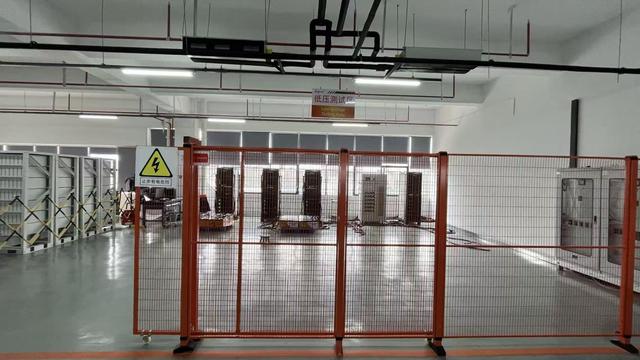
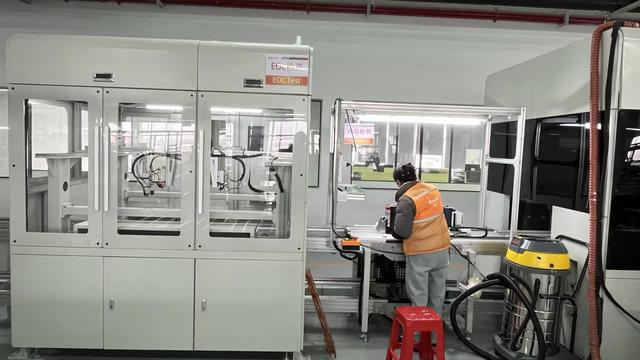
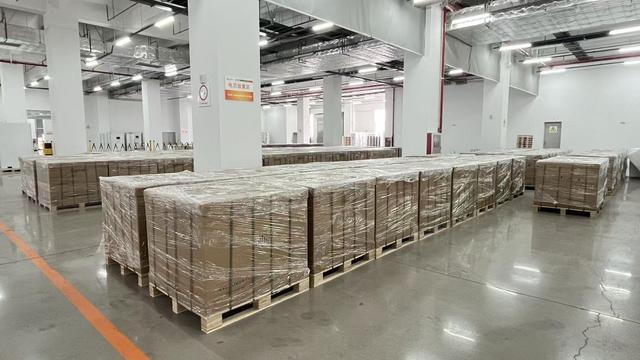
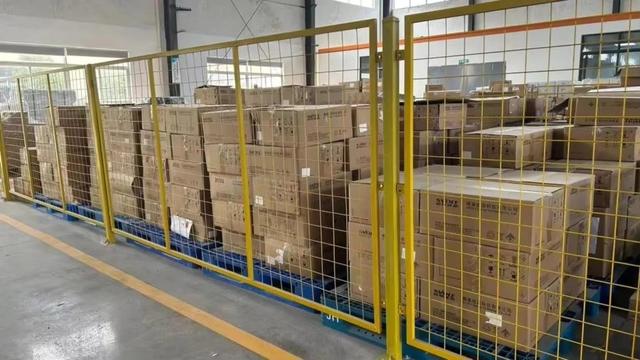
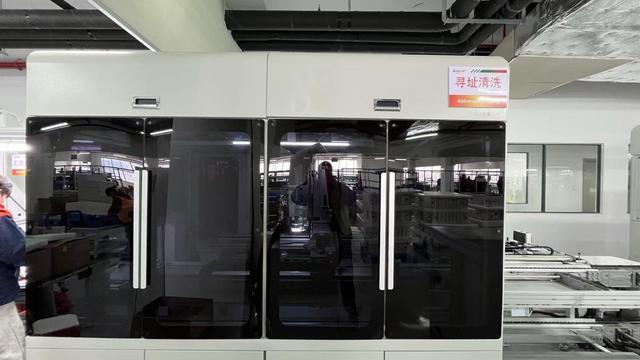
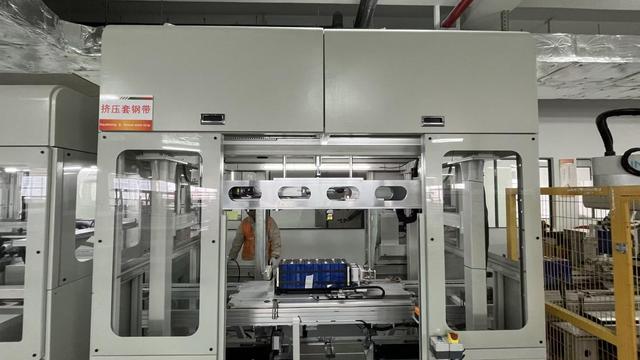
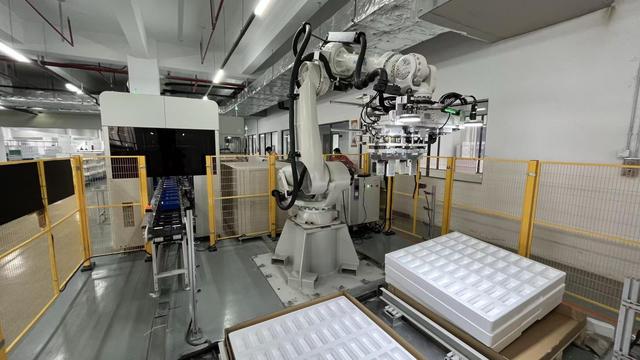
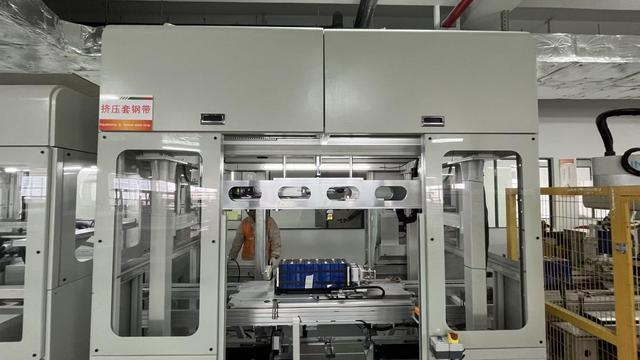
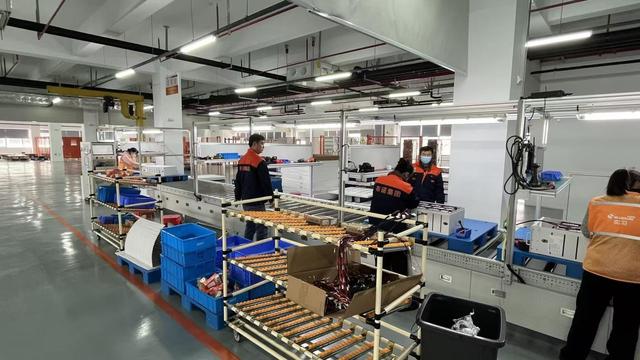
Our modern manufacturing facility is equipped with automated production lines, precision testing equipment, and strict quality management systems. Every solar module undergoes comprehensive inspections and performance testing to guarantee superior reliability, durability, and compliance with international standards. We are committed to providing products that meet the evolving demands of the global renewable energy market.
To better serve international customers, Halkirk Solar offers flexible OEM and ODM services for solar brands, distributors, EPC contractors, wholesalers, and project developers. Our experienced engineering and technical teams work closely with clients to deliver customized solar solutions tailored to specific project requirements, market demands, and branding needs. Driven by innovation, sustainability, and customer satisfaction, Ningbo Halkirk Solar Co., Ltd. continues to expand its presence in global markets. We strive to become a trusted partner in the photovoltaic industry by providing high-quality solar modules and comprehensive clean energy solutions that contribute to a greener and more sustainable future.

Partner with Ningbo Halkirk Solar for premium N-Type TOPCon panels. Get detailed technical specifications, custom container logistics, and direct manufacturer pricing.
Send Inquiry NowHow our ongoing research and development ensures long-term asset security for developers in the Horn of Africa.
Integrating selective emitter (SE) technologies and fine-line metallization processes to push commercial production cell efficiencies beyond 26.0% while keeping production costs low.
Transitioning pilot lines toward Perovskite-Silicon Tandem cell configurations. This integration aims to cross the 30% efficiency threshold, maximizing generation capacity per square meter.
Designing specific composite backsheets and specialized framing materials built to endure elevated UV index levels, dry soil winds, and dust accumulation without degrading.
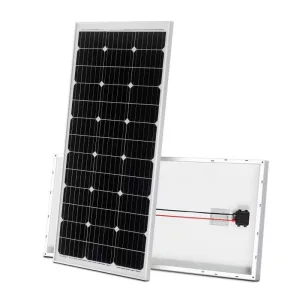
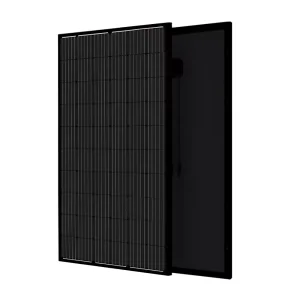
A complete selection of N-type, TOPCon, and bifacial solar modules engineered for high efficiency and long-term durability.
Essential answers for developers, EPC contractors, and distributors importing solar products into Ethiopia.
Get in touch with our engineering and procurement team for a customized, project-specific quote and comprehensive logistics support.
Send Inquiry Now Halkirk Solar