Direct procurement access to CE-certified high-efficiency photovoltaic modules engineered for utility-scale solar farms, commercial roof installations, and specialized flexible applications.
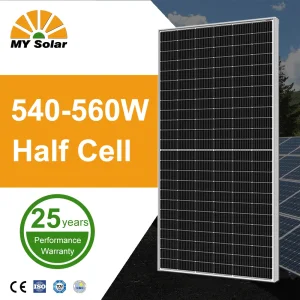
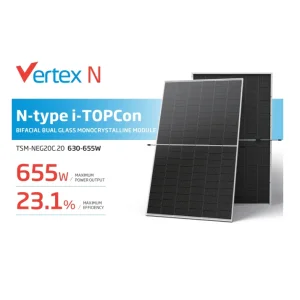
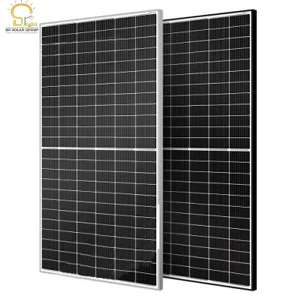
Evaluating the transition from p-type PERC to n-type TOPCon, HPBC, and Heterojunction (HJT) solar cells across multinational engineering, procurement, and construction (EPC) frameworks.
The global energy transition has placed unprecedented performance requirements on commercial and industrial (C&I) solar infrastructure. Industrial energy buyers, utility system developers, and EPC contractors no longer evaluate solar cells solely on peak power wattage (Wp). Today, procurement matrixes prioritize Levelized Cost of Electricity (LCOE) optimization, low temperature coefficients, minimal Light-Induced Degradation (LID), and rigorous compliance with international safety and quality standards, spearheaded by European CE certification (Conformité Européenne).
As commercial solar cell factories scale production capacity past hundreds of gigawatts worldwide, selecting a reliable OEM/ODM solar cell manufacturer has become a paramount financial risk mitigation strategy. Modern industrial solar deployments require robust supply chain traceability, environmental compliance, and advanced cell architectures capable of yielding superior real-world kilowatt-hour output per installed watt under variable irradiation conditions.
Understanding the underlying manufacturing technologies within a CE certified commercial solar cell factory allows procurement directors to audit factory operations effectively. From silicon wafer slicing (182mm M10 and 210mm G12 formats) to ultra-thin tunnel oxide passivation and advanced multi-busbar (MBB) metallization, cell engineering directly determines module longevity, mechanical load performance, and long-term financial yield for commercial assets.
An in-depth technical analysis comparing P-type PERC, N-type TOPCon, HPBC 2.0, and CIGS thin-film solar cell technologies manufactured in tier-1 commercial factories.
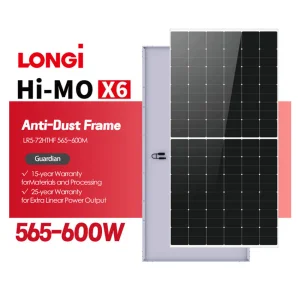
Tunnel Oxide Passivated Contact (TOPCon) represents the dominant commercial mainstream. By integrating an ultra-thin silicon oxide layer combined with polycrystalline silicon, TOPCon cells eliminate carrier recombination at the rear contacts, boosting commercial cell efficiencies beyond 25.5% with near-zero initial Light-Induced Degradation (LID).
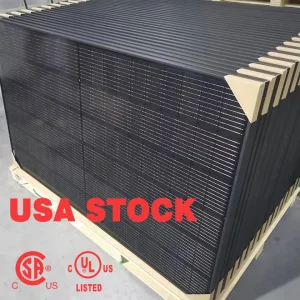
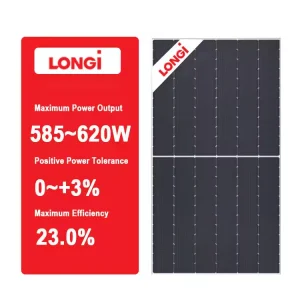
Hybrid Passivated Back Contact (HPBC) moves all busbars and electrode grid lines to the rear side of the solar cell. This eliminates front-side metal grid shading, maximizing light absorption area, delivering up to 23.2%+ module efficiency, and presenting a sleek, high-tech aesthetic suitable for modern commercial rooftops.
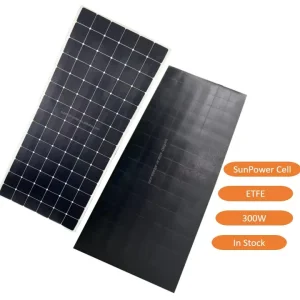
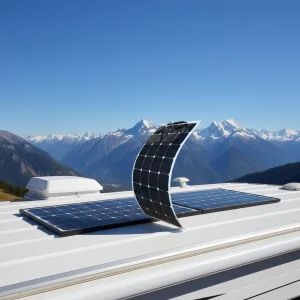
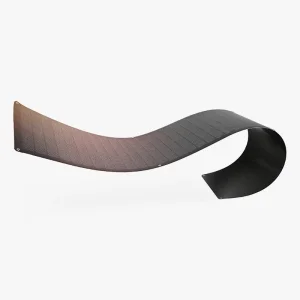
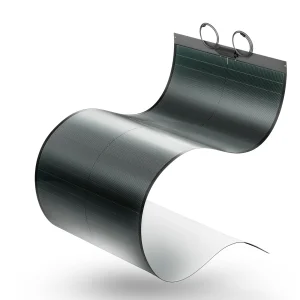
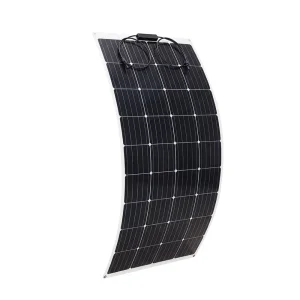
Copper Indium Gallium Selenide (CIGS) and specialized flexible monocrystalline modules provide ultra-lightweight power generation solutions. Designed specifically for low-load roofs, curved architectural structures, RVs, and marine vessels where rigid glass frames cannot be structurally supported.
| Solar Cell Technology | Avg. Cell Efficiency | Temp. Coefficient | Bifaciality Rating | Primary Commercial Application |
|---|---|---|---|---|
| N-Type TOPCon 2.0 | 25.2% - 25.8% | -0.30% / °C | 80% ± 5% | Utility Scale, Large C&I Rooftops, Ground Mounted |
| N-Type HPBC 2.0 (Back Contact) | 25.5% - 26.1% | -0.29% / °C | 70% ± 5% | Architectural C&I Rooftops, Premium Commercial BIPV |
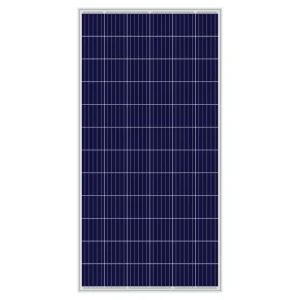
| P-Type PERC (Legacy Standard) | 23.0% - 23.5% | -0.35% / °C | 70% ± 5% | Cost-sensitive Retrofits, Secondary Utility Projects |
| CIGS Flexible Thin-Film | 16.5% - 19.5% | -0.26% / °C | N/A (Monofacial) | Low-load Rooftops, Transportation, Off-Grid Marine/RV |
| Perovskite-Silicon Tandem (Future) | 28.5% - 30.0%+ | -0.25% / °C | 85% ± 5% | Next-Gen Utility Infrastructure (R&D Pilot Phase) |
Future Technical Outlook: Commercial solar cell factories are accelerating transition roadmaps toward Perovskite-Silicon Tandem solar cell manufacturing. By stacking high-bandgap perovskite top cells onto silicon bottom cells, mass-production cell efficiency limits will surpass 30% within the next five to seven years, drastically redefining ROI calculations for commercial solar investments.
Ensuring legal market access, operational electrical safety, and long-term bankability under European Union Directives and IEC international standards.
For commercial buyers importing photovoltaic modules into Europe and international markets, the CE Certification is not merely a formality—it is a rigorous, mandatory proof of conformity with essential European health, safety, and environmental protection directives. A legitimate CE Certified Commercial Solar Cell Factory guarantees that every cell string and module assembly meets stringent physical, electrical, and thermal endurance tests.
Ensures electrical equipment operating within voltage ratings up to 1500V DC (the standard for modern utility and commercial solar strings) provides comprehensive insulation, grounding, and arc-fault prevention to protect installers and system operators.
Validates module design qualification and type approval. Testing protocols include Thermal Cycling (TC200), Humidity-Freeze (HF10), Damp Heat (DH1000), Mechanical Load (2400Pa wind / 5400Pa snow load), and Hailstone Impact testing.
Verifies that integrated solar panel electronics, smart junction boxes, or micro-inverter assemblies do not emit electromagnetic interference that interrupts surrounding commercial communications or industrial machinery.
Quality Assurance & Bankability Audits: In addition to CE markings, tier-1 commercial solar factories undergo independent third-party lab testing (TÜV Rheinland, TÜV SÜD, SGS, Intertek). Electroluminescence (EL) double-inspection before and after lamination identifies micro-cracks invisible to the human eye, ensuring long-term yield assurance and bankability approval for project financing.
Customized OEM/ODM solar cell and module production for global brand owners, EPC contractors, and industrial project developers.
Tailored cell layouts, anodized aluminum frame thickness (30mm to 40mm), black backsheet aesthetic customizations, and specialized junction box wire lengths engineered for specific inverter configurations.
Dual glass 2.0mm + 2.0mm or 3.2mm tempered glass options designed for harsh industrial environments, offering high salt mist and ammonia resistance for coastal or agricultural installations.
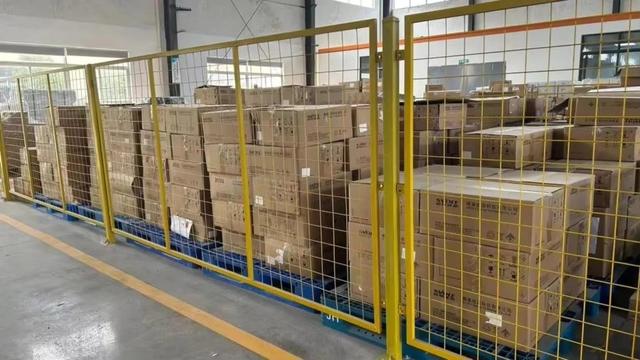
Global logistical networks enabling CIF, FOB, and DDP shipments to regional warehouses across Europe, North America, Southeast Asia, and Latin America, guaranteeing on-time project execution.
A leading Chinese manufacturer and supplier delivering integrated monocrystalline & bifacial solar solutions across global commercial and utility sectors.
Ningbo Halkirk Solar Co., Ltd. is a professional China solar panel manufacturer and monocrystalline & bifacial solar module supplier, dedicated to delivering high-efficiency renewable energy solutions to customers worldwide. Located in Ningbo, China, the company integrates research and development, manufacturing, quality control, and global sales to provide reliable solar products for residential, commercial, industrial, and utility-scale applications.
Halkirk Solar specializes in the production of monocrystalline solar panels, bifacial solar modules, TOPCon solar panels, N-type solar modules, off-grid solar solutions, on-grid solar systems, and customized photovoltaic products. Leveraging advanced cell technology and intelligent manufacturing processes, our products are designed to maximize energy output, improve conversion efficiency, and ensure long-term performance in diverse environmental conditions.
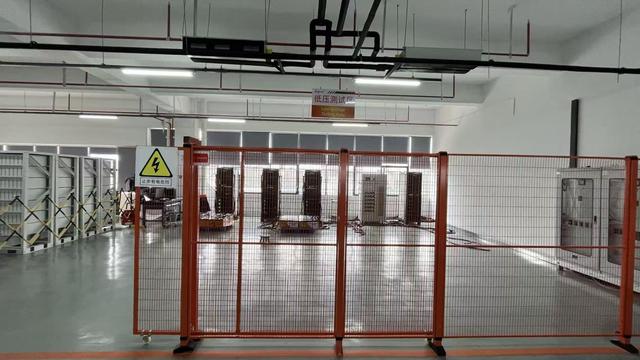
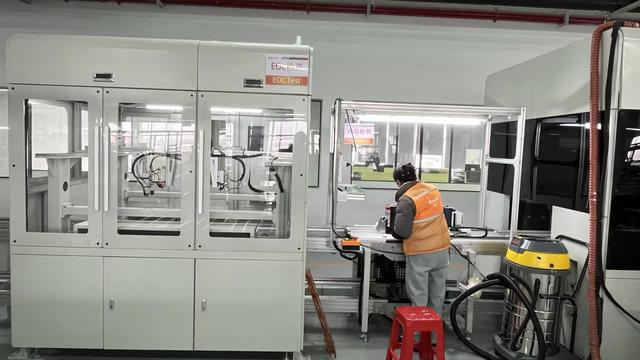
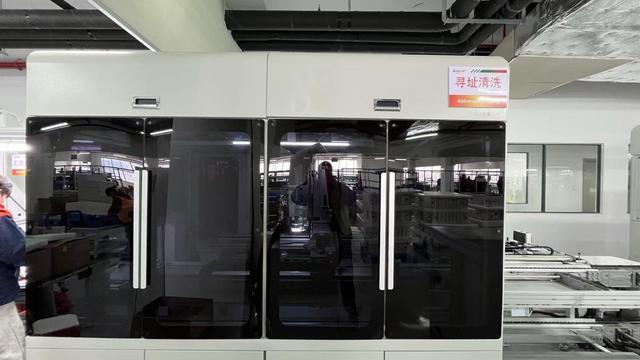
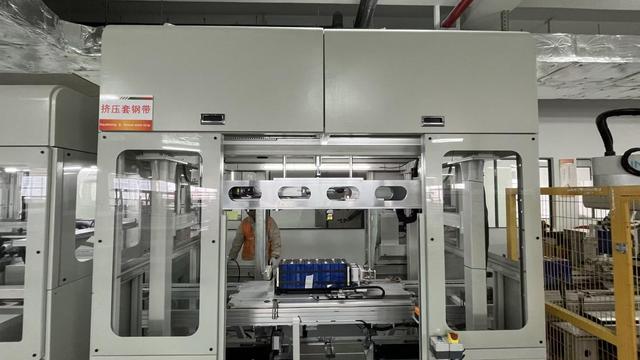
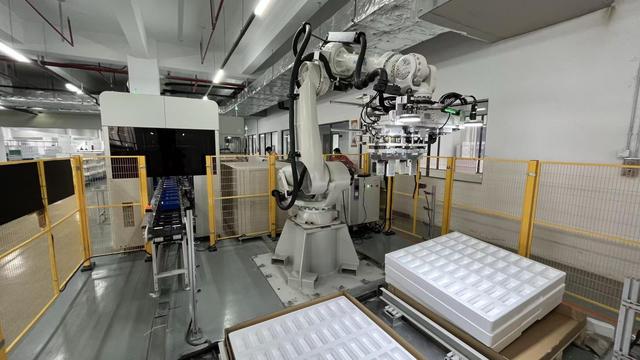
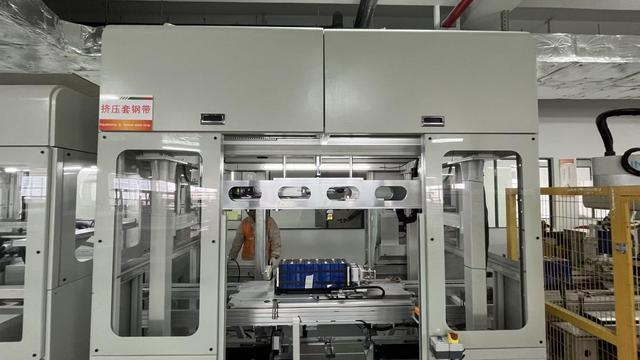
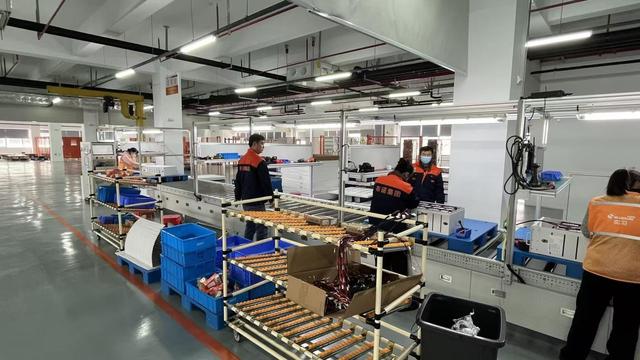
Our modern manufacturing facility is equipped with automated production lines, precision testing equipment, and strict quality management systems. Every solar module undergoes comprehensive inspections and performance testing to guarantee superior reliability, durability, and compliance with international standards. We are committed to providing products that meet the evolving demands of the global renewable energy market.
To better serve international customers, Halkirk Solar offers flexible OEM and ODM services for solar brands, distributors, EPC contractors, wholesalers, and project developers. Our experienced engineering and technical teams work closely with clients to deliver customized solar solutions tailored to specific project requirements, market demands, and branding needs.
Driven by innovation, sustainability, and customer satisfaction, Ningbo Halkirk Solar Co., Ltd. continues to expand its presence in global markets. We strive to become a trusted partner in the photovoltaic industry by providing high-quality solar modules and comprehensive clean energy solutions that contribute to a greener and more sustainable future.
Explore high-capacity N-Type, HPBC 2.0, CIGS flex panels, and ultra-large format 210mm solar modules for major commercial utility operations.
Addressing key technical, compliance, and procurement queries raised by enterprise energy managers, project developers, and EPC engineers.
A CE certified factory produces solar modules that strictly conform to European Union health, safety, and environmental protection standards. This entails compliance with the Low Voltage Directive (2014/35/EU), Electromagnetic Compatibility Directive (2014/30/EU), and passing rigorous physical testing under IEC 61215 and IEC 61730 certifications. CE certification enables seamless customs clearance and legal operation across all EU member states.
N-Type TOPCon and HPBC solar cells feature higher efficiency ceilings (25.5%+ vs ~23% PERC), lower temperature coefficients (-0.30%/°C vs -0.35%/°C), and significantly lower Light-Induced Degradation (LID). Over a project's 30-year operational life, N-type architecture yields up to 10-15% more total energy generation, substantially lowering the overall LCOE.
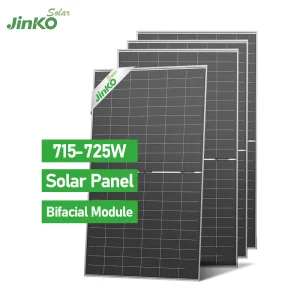
Bifacial dual-glass modules capture sunlight from both the front and rear sides via light reflected from the ground or roof surface (albedo). Depending on the surface reflectivity (e.g., white TPO roofs or light concrete), bifacial modules provide a 5% to 25% power gain over standard monofacial panels, enhancing financial return for commercial installations.
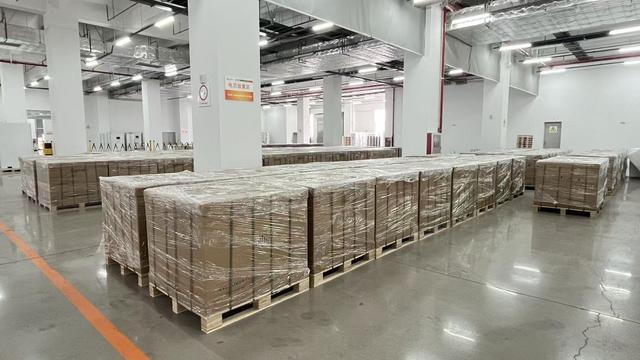
Ningbo Halkirk Solar operates automated cleanroom manufacturing facilities utilizing 100% inline double Electroluminescence (EL) testing to detect micro-cracks before and after lamination. Every panel is subjected to precise flash simulator testing, thermal cycle verification, and strict mechanical stress testing before final packaging and shipment.
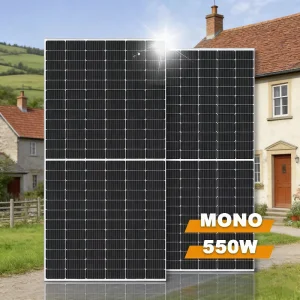
Halkirk Solar offers comprehensive OEM/ODM customization including specific cell size configurations (182mm / 210mm), power output ratings (300W up to 730W+), frame colors (silver anodized, matte black), custom backsheets, specialized cable lengths, and custom brand packaging tailored to local distribution requirements.
Flexible CIGS or lightweight mono panels are recommended for structural roofs that cannot support standard glass solar module loads (<10 kg/m² capacity), curved industrial architecture, or mobile commercial assets such as RVs, trailers, and marine vessels requiring zero wind-resistance penalties and aerodynamic mounting.
 Halkirk Solar