Explore our industrial and residential grade solar panels, engineered for high efficiency, durability, and reliable levelized cost of energy (LCOE).
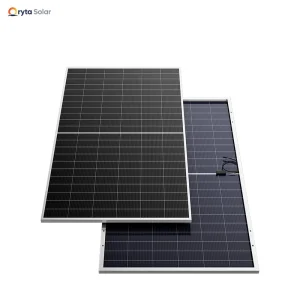
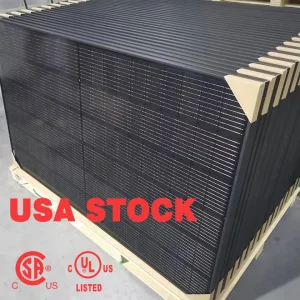
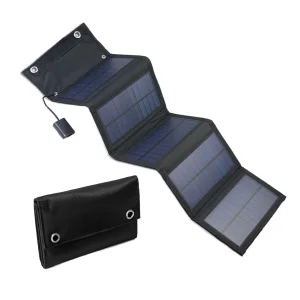
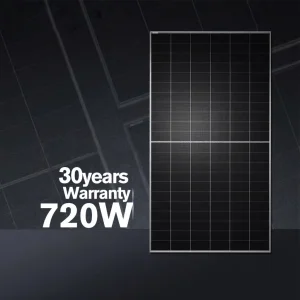
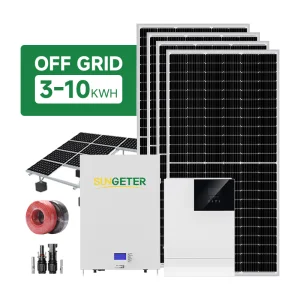
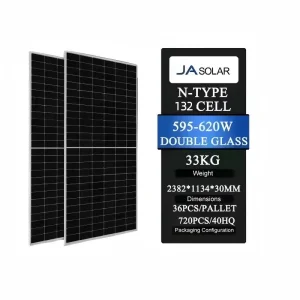
Advancing the clean energy frontier with automated PV manufacturing facilities and optimized utility-grade technologies.
Ningbo Halkirk Solar Co., Ltd. stands as a premier manufacturer and global supplier of high-efficiency silicon photovoltaic modules. Headquartered in the major manufacturing and port city of Ningbo, China, the company integrates advanced research and development (R&D), automated manufacturing lines, precision quality testing, and international distribution logistics. Our primary goal is the design and large-scale manufacturing of robust crystalline solar products engineered to meet demanding residential, commercial, industrial (C&I), and utility-scale application parameters worldwide.
Through active investment in cellular engineering and smart automated manufacturing processes, Halkirk Solar specializes in N-type HJT (Heterojunction Technology) solar modules, TOPCon solar panels, monocrystalline modules, bifacial double-glass structures, and versatile off-grid/on-grid power kits. Our equipment arrays are engineered to maximize energy density and limit levelized cost of energy (LCOE) while showing superior durability and microclimate adaptability. From structural mechanical integrity tests to precision optical inspections, Halkirk Solar ensures strict international compliance under recognized certification systems, including CE, TUV, and ISO standards.
"Our technical mandate is straightforward: combine high-purity silicon wafers with passivated contact cell architectures to yield modules that exhibit industry-leading temperature coefficients, minimal light-induced degradation (LID), and exceptional bifaciality. This ensures our partners receive consistent energy yield over a multi-decade operating lifecycle."
How our localized ecosystem in Ningbo, China translates to lower balance-of-system (BOS) costs and reliable product delivery.
The solar industry requires high logistics coordination and raw material availability. Ningbo Halkirk Solar Co., Ltd. capitalizes on the industrial concentration in China's Zhejiang province. This cluster links raw polysilicon processing, ingot pulling, wafer slicing, cell metallization, glass processing, and frame manufacturing. By sourcing primary materials within a tight regional radius, we protect our factory from global logistics shocks and maintain stable pricing models.
Additionally, our proximity to the Ningbo-Zhoushan Port (one of the world's largest container shipping hubs) offers direct shipping routes, reduced port fees, and rapid container loading. For commercial distributors, EPC firms, and energy project developers, this means significantly reduced transit times and highly reliable container planning.
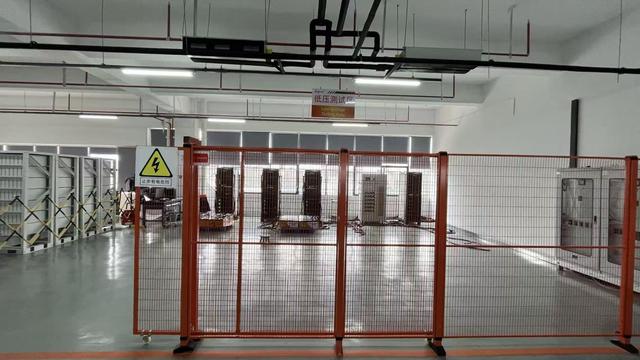
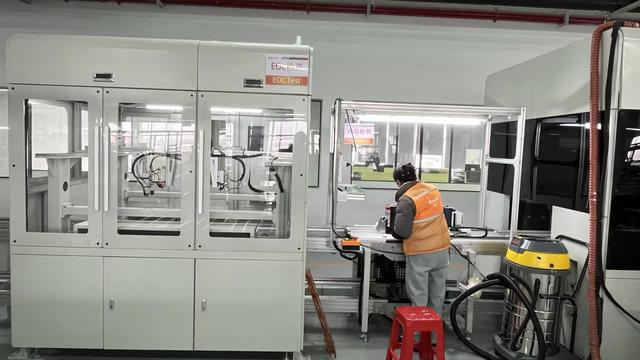
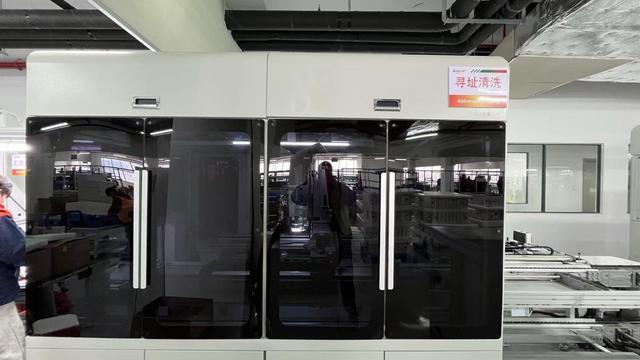
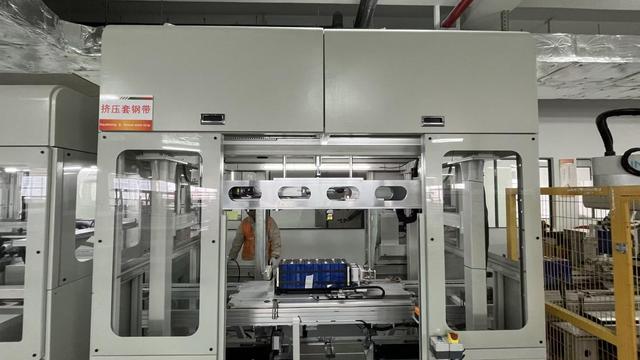
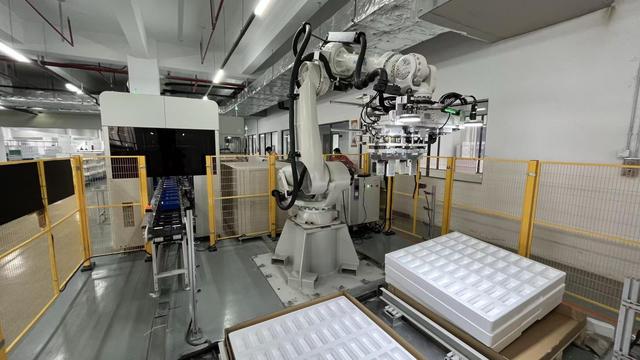
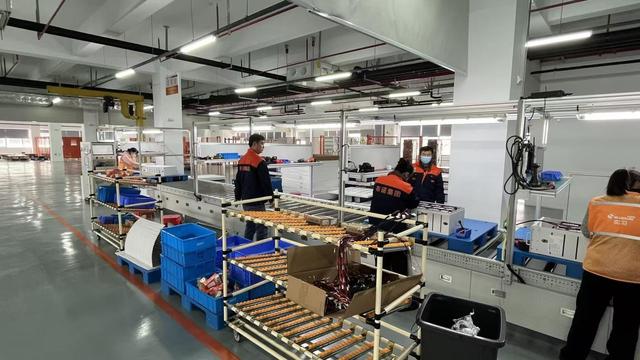
Our facility runs fully automated assembly lines equipped with automated optical inspection (AOI) machines and dual EL (electroluminescence) testing systems. This setup enables high-throughput production while verifying that every solar cell is free from micro-cracks, soldering anomalies, or internal cell shunt paths prior to shipping.
Direct supply contracts with top-tier silicon and wafer producers shield clients from raw material price spikes and guarantee consistent silicon wafer purity.
Direct access to international cargo lanes reduces overland shipping costs and allows for flexible FOB, CIF, or DDP delivery models.
Deep-dive analysis of N-Type TOPCon and Heterojunction (HJT) technologies compared to traditional P-type PERC cells.
Our TOPCon designs employ an ultra-thin silicon oxide tunnel layer combined with highly doped polycrystalline silicon. This architecture reduces carrier recombination velocity at the metal contacts, achieving high cell conversion efficiency (above 24.5%) and showing a superior temperature coefficient compared to legacy P-type PERC panels.
Our flagship 700W HJT modules use crystalline silicon core wafers sandwiched between thin layers of amorphous silicon. This dual-sided design boosts the bifaciality factor up to 85-90%. HJT modules have a very low temperature coefficient (-0.26%/°C), enabling high performance even in hot environments.
By splitting standard solar cells in half or overlaying them in a shingled configuration, we reduce internal current flows and limit resistive losses. This configuration increases shade tolerance and minimizes the mechanical stresses that often lead to micro-cracks over years of thermal cycling.
From a degradation perspective, N-type solar modules are immune to Light-Induced Degradation (LID) caused by boron-oxygen pairing, which is common in older P-type solar panels. Our N-type panels feature a first-year degradation rate under 1.0% and a linear annual degradation rate under 0.4%, compared to 0.55% for typical P-type modules. This extended output profile translates into more power generated per square meter over a 30-year lifetime.
Tailored solar solutions deployed in commercial, residential, agricultural, and marine environments.
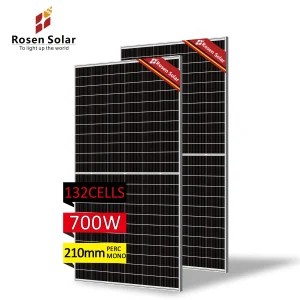
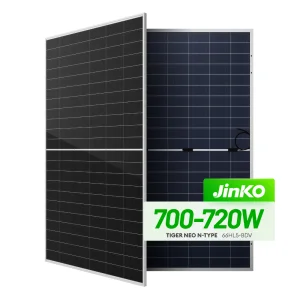
Large manufacturing facilities and warehouses require high power density to offset high electricity rates. Our 700W HJT bifacial panels and Jinko Solar 700W modules are designed for these applications. In commercial and industrial (C&I) installations with white or reflective roofing membranes, the bifacial design captures reflected light from the back side, increasing total generation capacity by up to 25% without enlarging the system footprint.
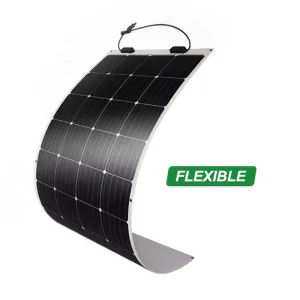
Modern farming practices often combine crop production with clean energy generation. The customized 0.5mm trapezoidal zinc-alloy metal roofing panels integrate directly with lightweight flexible solar modules. This helps farmers convert barn roofs and greenhouses into power plants without requiring costly structural reinforcement.
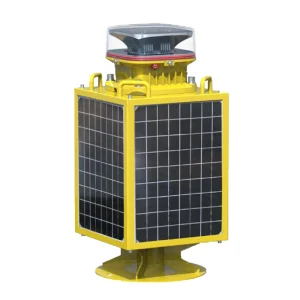
Marine environments require robust, weather-resistant equipment. Our Solar Marine Navigation Lights and portable flexible monocrystalline systems feature IP67/IP68 ingress protection and salt-spray resistant coatings. These systems provide reliable off-grid power for buoys, lighthouses, boats, and remote monitoring arrays.
Meeting international quality standards through testing, certifications, and local fulfillment hubs.
Exporting to highly regulated solar markets like the European Union and North America requires strict compliance with international standards. Ningbo Halkirk Solar Co., Ltd. ensures all solar modules carry the CE mark, verifying compliance with the Low Voltage Directive (LVD) and Electromagnetic Compatibility (EMC) standards. Furthermore, our modules undergo testing to meet IEC 61215 (for design qualification and type approval) and IEC 61730 (for module safety qualification).
These testing processes subject our panels to thermal cycling (ranging from -40°C to +85°C), damp heat tests (1,000 hours at 85% relative humidity), and mechanical load simulations (up to 5,400 Pa front load and 2,400 Pa wind load). This testing protocol ensures our panels can withstand heavy snow loads, strong winds, and high operating temperatures over decades of outdoor deployment.
To reduce delivery times for our North American partners, we maintain in-stock inventories of popular modules (including 440W and 450W Trina bifacial solar panels) at our Los Angeles, USA warehouse. This regional logistics presence enables local freight shipping, eliminates customs delays, and reduces project startup times for local contractors and installers.
We provide comprehensive OEM and ODM support for developers and EPC contractors. Our services include custom dimensions, unique frame colors (including all-black designs), specialized cable lengths, and custom junction box configurations. This ensures seamless integration with a wide variety of mounting systems and string inverters.
Explore our high-efficiency solar modules, flexible panels, and off-grid power solutions.
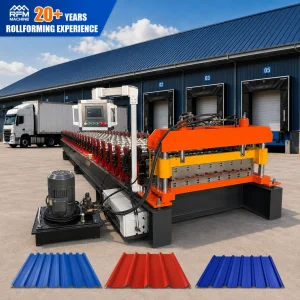
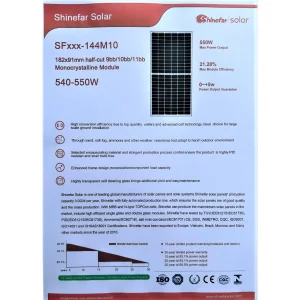
Addressing essential questions on N-type solar technologies, certifications, warranties, and supply chain logistics.
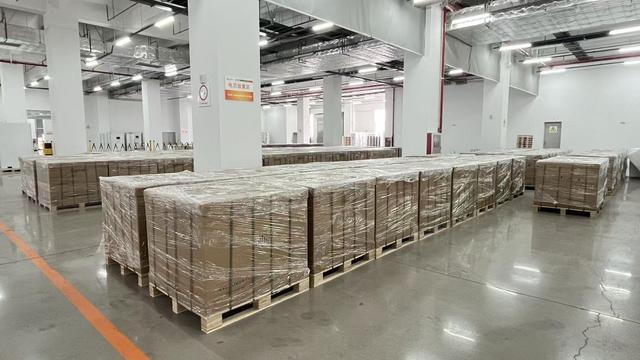
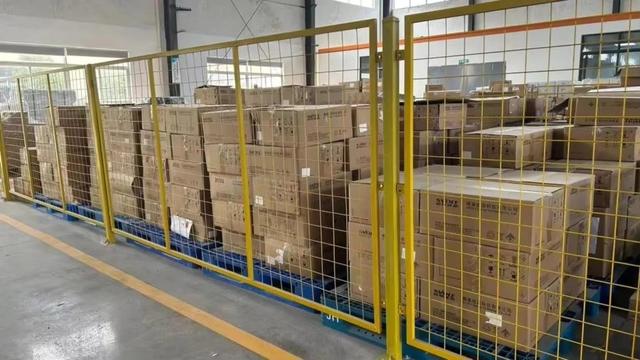
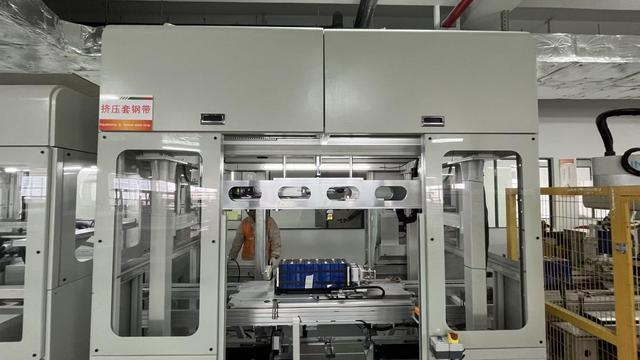
A visual look inside our manufacturing lines, testing chambers, and warehousing systems in Ningbo, China.

 Halkirk Solar