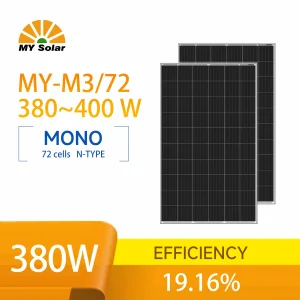
Explore our tier-one commercial, industrial, and portable solar units engineered for optimal yield under challenging environments.

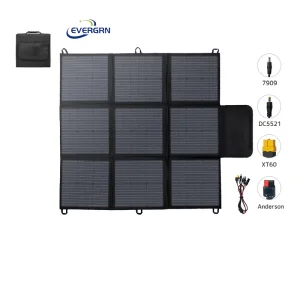
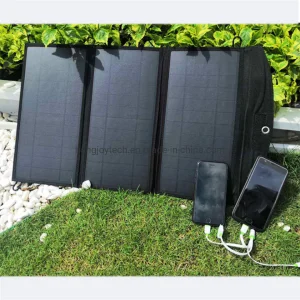
Ningbo Halkirk Solar Co., Ltd. is a professional China solar panel manufacturer and monocrystalline & bifacial solar module supplier, dedicated to delivering high-efficiency renewable energy solutions to customers worldwide. Located in Ningbo, China, the company integrates research and development, manufacturing, quality control, and global sales to provide reliable solar products for residential, commercial, industrial, and utility-scale applications.
Our company specializes in the production of monocrystalline solar panels, bifacial solar modules, TOPCon solar panels, N-type solar modules, off-grid solar solutions, on-grid solar systems, and customized photovoltaic products. Leveraging advanced cell technology and intelligent manufacturing processes, our products are designed to maximize energy output, improve conversion efficiency, and ensure long-term performance in diverse environmental conditions.
To better serve international customers, Halkirk Solar offers flexible OEM and ODM services for solar brands, distributors, EPC contractors, wholesalers, and project developers. Our experienced engineering and technical teams work closely with clients to deliver customized solar solutions tailored to specific project requirements, market demands, and branding needs. Driven by innovation, sustainability, and customer satisfaction, Ningbo Halkirk Solar Co., Ltd. continues to expand its presence in global markets. We strive to become a trusted partner in the photovoltaic industry by providing high-quality solar modules and comprehensive clean energy solutions that contribute to a greener and more sustainable future.
Evaluating the transition to next-generation photovoltaic cells to mitigate leveling cost of energy (LCOE) challenges across global infrastructure projects.
Modern utilities demand higher efficiency than legacy P-type PERC modules. N-type architectures (including TOPCon and HJT) offer almost zero Light-Induced Degradation (LID) and an exceptional temperature coefficient, translating to higher energy yields over their 30-year lifecycle.
Bifacial solar modules harvest solar irradiance from both front and rear sides. In C&I applications with high-albedo surfaces (such as light-colored concrete, gravel, or sand), rear-side power gain can increase the overall generation by 5% to 30%.
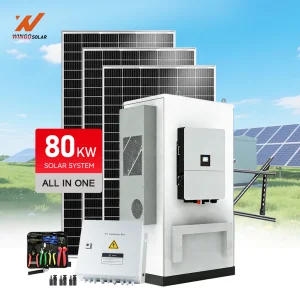
For isolated agricultural installations, rural areas, or off-grid remote operations, high-efficiency solar modules integrated with off-grid hybrid power systems (including industrial inverter-battery setups) guarantee stable grid-independent operations.
The supply chain integration of Ningbo, China, remains the global gold standard for manufacturing efficiency in solar module production. By grouping component raw materials, silicon wafer processors, backsheet manufacturers, and high-purity glass processors within close proximity, Ningbo factories minimize lead times and logistical overhead.
At Ningbo Halkirk Solar Co., Ltd., this systemic supply chain layout enables highly customizable OEM and ODM operations without inflating production costs. In addition to sourcing efficiencies, our automated assembly line leverages precision ribbon soldering, automatic bussing machines, and multi-stage testing to output modules that comply with international safety and performance standards.
Our modules are systematically optimized for mechanical strength, featuring wind load resistance up to 2400 Pa and snow load capabilities up to 5400 Pa. This ensures durability in harsh conditions, from high-latitude cold climates to humid equatorial regions.
Real-world imagery from the automated production facilities of Ningbo Halkirk Solar Co., Ltd.
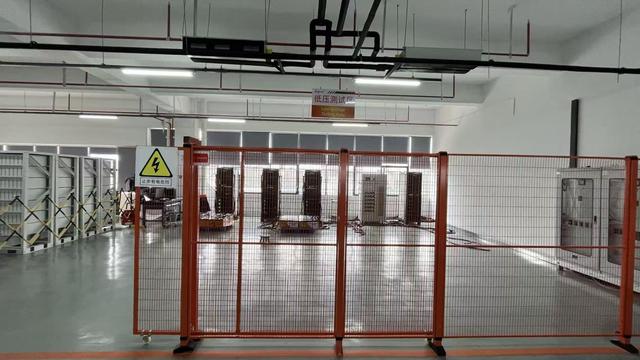
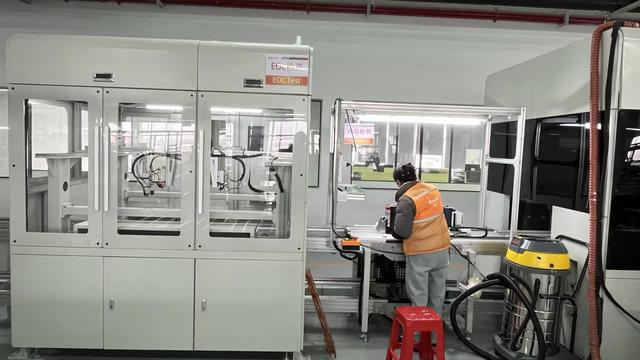
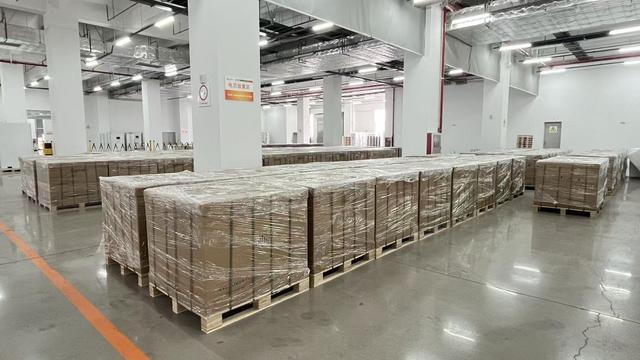
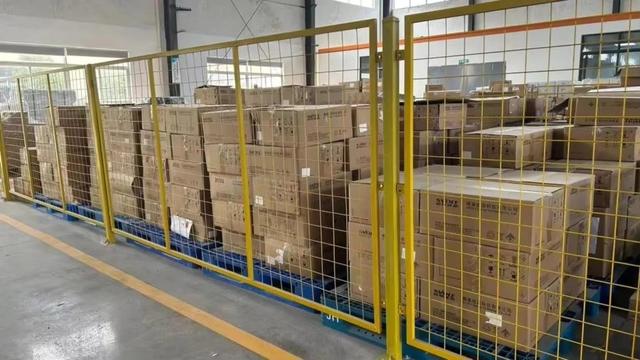
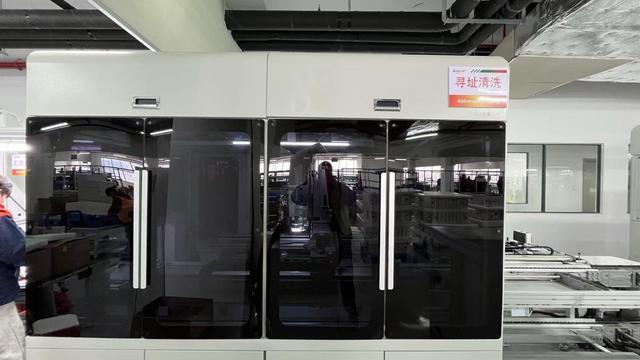
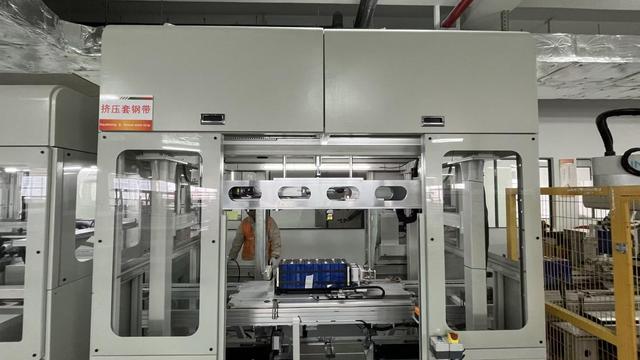
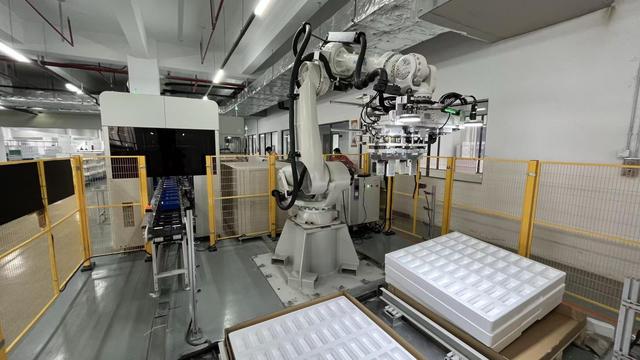
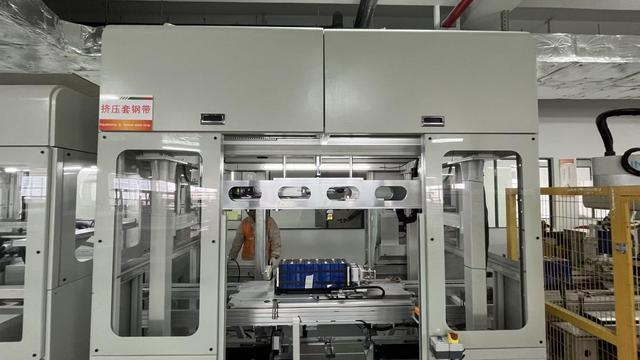
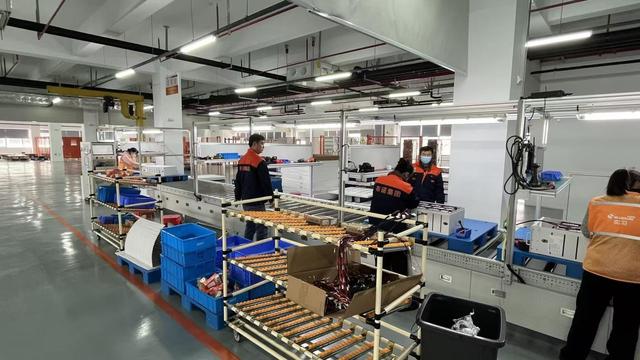

Different environments demand distinct physical and chemical PV properties. Here is how specialized modules optimize efficiency in target applications.
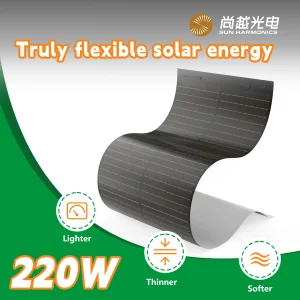
Standard heavy solar modules cannot adapt to curved vessel geometries or the rigorous environments of marine decks. The use of lightweight, 360-degree bendable CIGS panels offers high salt-mist resistance and prevents structural cracking under dynamic wind pressures while maintaining aerodynamic efficiency.
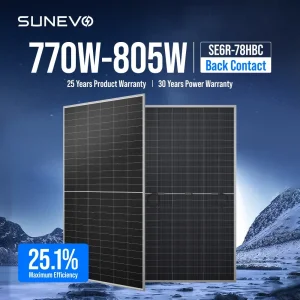
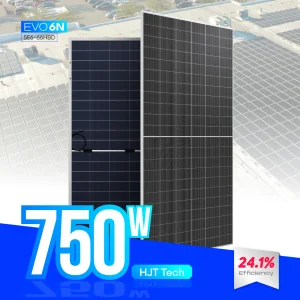
C&I structures require maximum power density to shorten payback periods. High-wattage N-Type Bifacial TOPCon or HJT modules ranging from 700W to 805W maximize roof utilization, allowing system designs with fewer racking elements and lower balance of system (BOS) costs.
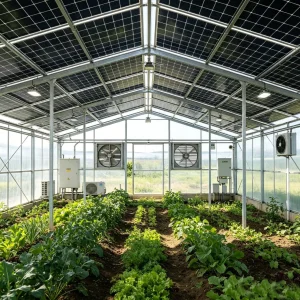
Integrating semi-transparent glass PV structures into multi-span agricultural greenhouses provides dual-action land use. Crop cultivation proceeds with optimal PAR transmission, while the integrated PV system powers automated irrigation, ventilation, and heating systems.
Analysis of raw material technology and engineering trends driving next-generation solar installations.
The photovoltaic landscape has undergone a major shift from traditional P-type Mono PERC to N-type TOPCon (Tunnel Oxide Passivated Contact) and Heterojunction (HJT) cells. TOPCon technology utilizes an ultra-thin silicon oxide layer combined with doped polycrystalline silicon, yielding efficiency potentials exceeding 25%.
HJT modules leverage amorphous silicon thin films on crystalline silicon wafers, delivering a low-temperature coefficient (-0.26%/°C) and higher bifaciality factor. This ensures they perform reliably in hot climates and low-light conditions.
With capital investment requiring longer paybacks, manufacturers are shifting warranties from 25 years to 30 years. Dual-glass N-Type designs reduce moisture ingress, leading to annual degradation rates below 0.4% after year one. This guarantees long-term power generation and lowers the Levelized Cost of Electricity (LCOE) for project financiers.
Furthermore, advanced smart grid integration, high-capacity hybrid industrial inverters, and battery storage solutions allow commercial facilities to operate independently of regional utilities, protecting them from price volatility.
Ensure supply chain viability, product quality, and risk mitigation when sourcing solar panels from China.
Answers to technical and performance queries regarding N-type cells, module lifecycles, and structural engineering.
Engineered for long-term reliability and high performance across residential, commercial, and utility-scale solar projects.
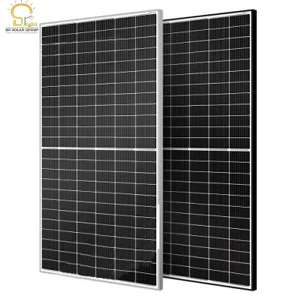


 Halkirk Solar