Premium grade PV hardware engineered for peak generation efficiency, long-term stability, and bankable asset valuations.

Analyzing systemic cost reductions, bankability criteria, and the critical integration of custom OEM value chains.
The global transition toward clean energy has evolved from a regulatory compliance obligation into a core driver of commercial and industrial (C&I) capital efficiency. As macro-economies face persistent volatility and rising grid-energy costs, utility-scale photovoltaic infrastructure represents a strategic hedge. However, deploying multi-megawatt systems requires sophisticated capital allocation models. Financing structures such as Power Purchase Agreements (PPAs), Capital Lease Agreements, and solar-focused Green Bonds have become crucial mechanisms. They enable enterprise-level stakeholders to bypass massive initial CapEx requirements, transforming solar adoption into a predictable, yielding OpEx model.
In this ecosystem, the role of a Custom OEM Solar Supplier & Exporter is central. Financial institutions and developers require absolute assurance that the solar assets they underwrite will hit performance targets over their 25- to 30-year operational lifetimes. By sourcing customized OEM components, developers can calibrate solar PV modules to precise regional environmental pressures (such as high wind-load tolerances, salt-spray resistance for coastal deployments, and optimized low-light behavior). This directly increases the asset's overall Levelized Cost of Energy (LCOE) rating and ensures long-term cash flow predictability.
Financial underwriters demand products with proven performance profiles. Custom OEM manufacturing ensures modules feature premium components, minimizing project risk indices and securing lower debt pricing.
Deploying advanced N-Type TOPCon and HJT cells with targeted dimensions maximizes density and yields, optimizing real estate usage in constrained industrial environments.
Higher conversion efficiency combined with lowered degradation rates ensures lower cost per kilowatt-hour, shortening payback cycles and increasing internal rates of return (IRR).
Exploring how advanced cell architecture, bifaciality, and materials science reshape modern solar ROI metrics.
The global PV sector is rapidly transitioning away from legacy P-type Al-BSF and standard PERC architectures to higher efficiency N-Type TOPCon (Tunnel Oxide Passivated Contact) and HJT (Heterojunction Technology) systems. For institutional financiers, this shift is critical. N-type substrates offer near-zero Light-Induced Degradation (LID) and significantly lower LeTID (Light and Elevated Temperature Induced Degradation) compared to traditional P-type modules. This preserves generation capacity during the early years of operation, maximizing front-loaded yields for power sale agreements.
Furthermore, the integration of bifacial technology, double-glass encapsulations, and advanced POE (Polyolefin Elastomer) films directly addresses environmental longevity. In areas with high ground albedo (such as sandy fields, gravel surfaces, or white membrane industrial rooftops), bifacial modules capture back-side irradiation, lifting overall generation by up to 10% to 30%. These technological parameters are critical for structural project financing, where minor efficiency losses can compound into multi-million dollar revenue deficits over long-term contracts.
With cell efficiencies exceeding 25.5%, N-Type TOPCon technology has become the industry benchmark. It offers a lower temperature coefficient (-0.30%/°C), ensuring steady power generation even in hot geographic locations.
By capturing reflected light on the rear side of the module, double-glass bifacial panels increase energy yield. This allows developers to reduce the physical footprint of their installation while meeting capacity targets.
Employing dual-glass designs and high-tensile alloy frames protects modules against micro-cracking during shipping and installation, keeping warranty claim rates low.
A leading Tier-1 monocrystalline & bifacial solar module supplier, integrating R&D, precision manufacturing, and customized OEM/ODM solutions.
Ningbo Halkirk Solar Co., Ltd. is a professional China solar panel manufacturer and monocrystalline & bifacial solar module supplier, dedicated to delivering high-efficiency renewable energy solutions to customers worldwide. Located in Ningbo, China, the company integrates research and development, manufacturing, quality control, and global sales to provide reliable solar products for residential, commercial, industrial, and utility-scale applications.
Halkirk Solar specializes in the production of monocrystalline solar panels, bifacial solar modules, TOPCon solar panels, N-type solar modules, off-grid solar solutions, on-grid solar systems, and customized photovoltaic products. Leveraging advanced cell technology and intelligent manufacturing processes, our products are designed to maximize energy output, improve conversion efficiency, and ensure long-term performance in diverse environmental conditions.
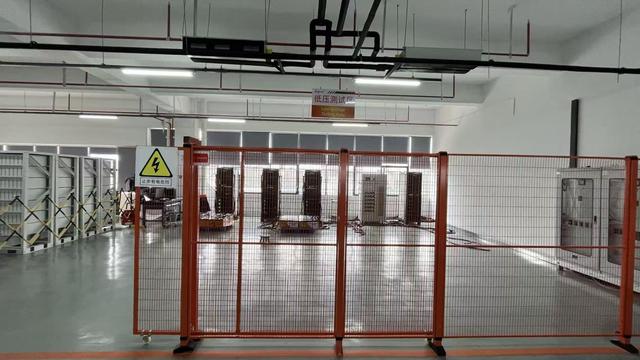
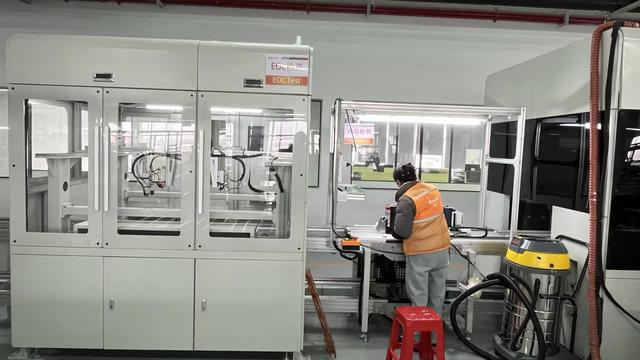
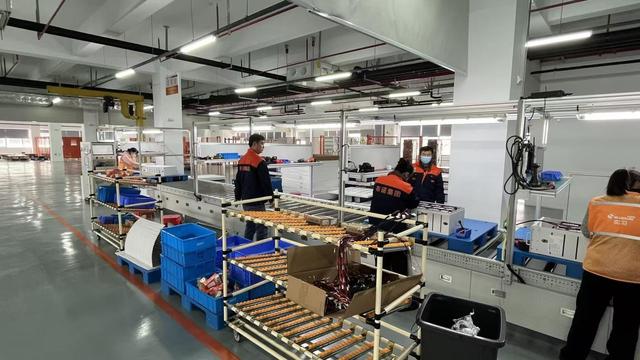
Our modern manufacturing facility is equipped with automated production lines, precision testing equipment, and strict quality management systems. Every solar module undergoes comprehensive inspections and performance testing to guarantee superior reliability, durability, and compliance with international standards. We are committed to providing products that meet the evolving demands of the global renewable energy market.
To better serve international customers, Halkirk Solar offers flexible OEM and ODM services for solar brands, distributors, EPC contractors, wholesalers, and project developers. Our experienced engineering and technical teams work closely with clients to deliver customized solar solutions tailored to specific project requirements, market demands, and branding needs.
Driven by innovation, sustainability, and customer satisfaction, Ningbo Halkirk Solar Co., Ltd. continues to expand its presence in global markets. We strive to become a trusted partner in the photovoltaic industry by providing high-quality solar modules and comprehensive clean energy solutions that contribute to a greener and more sustainable future.
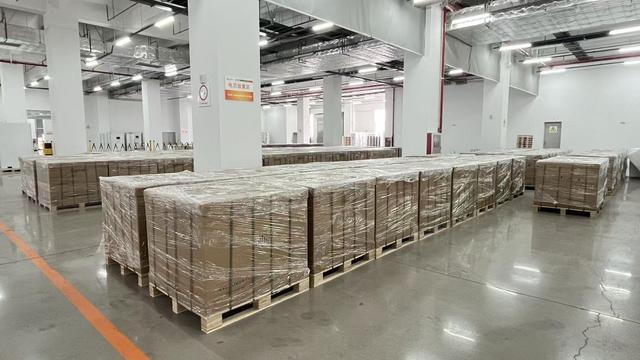
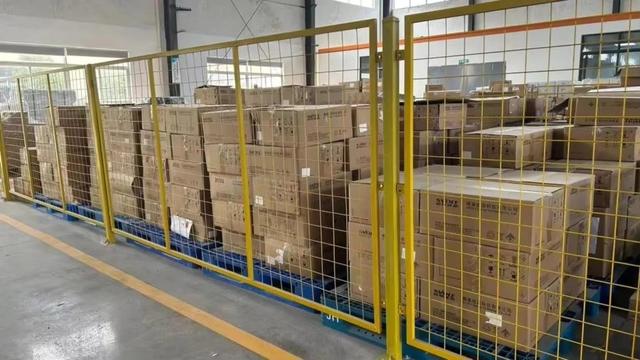
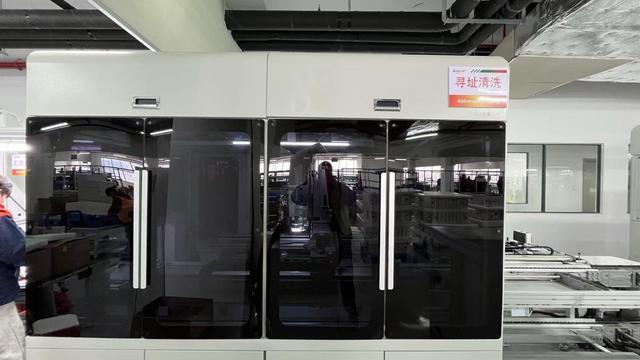
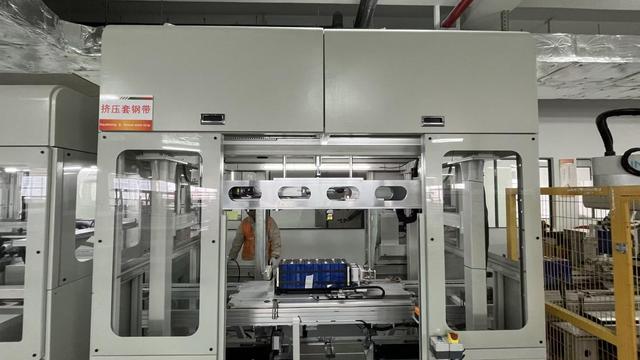
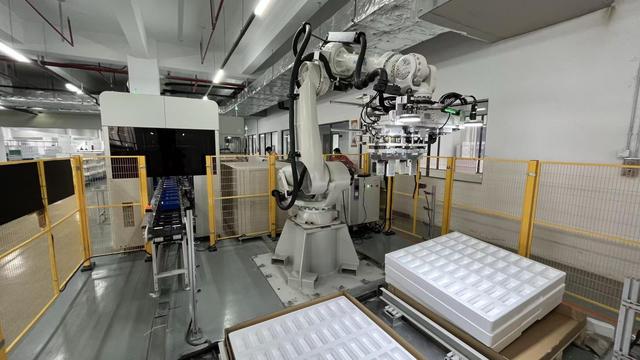
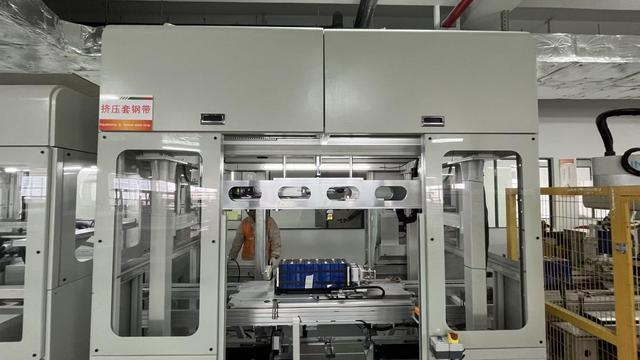
Our modern plant utilizes advanced automated manufacturing lines, stringent quality inspection procedures, and thermal cycle testing chambers to ensure reliability and performance. Below is an inside look at our manufacturing footprint:

How customized PV hardware adapts to regional policy requirements, environmental conditions, and grid infrastructure.
Different international markets present distinct challenges for solar project developers. To navigate these local nuances, Ningbo Halkirk Solar Co., Ltd. provides customized technological profiles that match regional requirements:
A look at the technology path driving solar module efficiency toward theoretical physics limits.
The industry is working to stack perovskite layers onto conventional silicon base cells, targeting efficiencies of 28% to 30%. This development could significantly reduce the cost-per-watt for future installations.
Integrating microinverters and safety rapid-shutdown systems directly into the module frame during the OEM assembly stage helps lower on-site installation labor costs.
Focusing on the use of lead-free soldering and recyclable glass/backsheet polymers to ease decommissioning and materials recovery at the end of the module's operational lifecycle.
Integrated supply chain and financial frameworks designed to streamline project deployment from conception to completion.
Large-scale solar development requires aligning technology, manufacturing capacity, and project finance timelines. Delays in module delivery can disrupt financial models and trigger penalties under power purchase agreements. Ningbo Halkirk Solar Co., Ltd. addresses this issue through structured logistical and manufacturing workflows:
Answers to common technical, logistics, and supply questions for commercial developers and PV buyers.
Engineered to meet international quality standards and provide reliable clean energy for global markets.
 Halkirk Solar