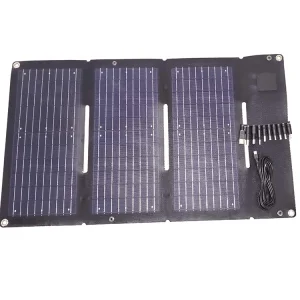
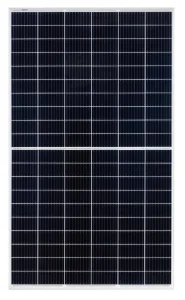
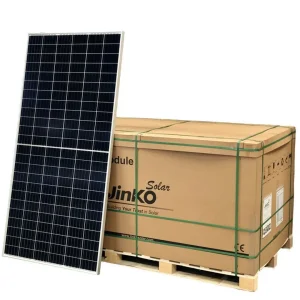
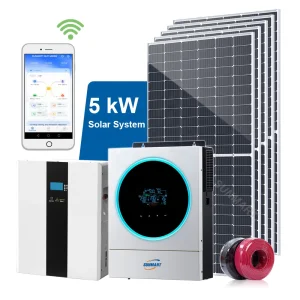
Explore our robust product line of premium photovoltaic panels, customized off-grid solar systems, and structural installation components.

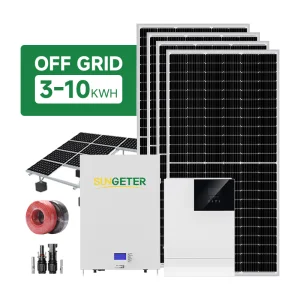
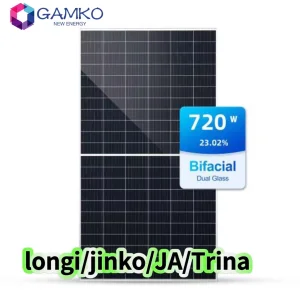
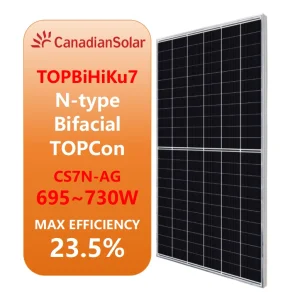
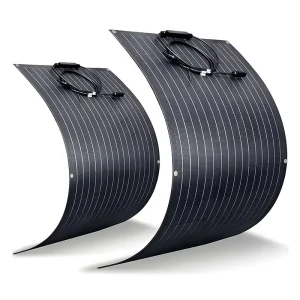
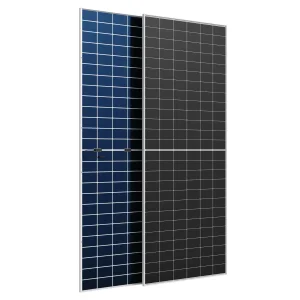
In the era of climate mitigation, modern agriculture and decentralized utility grids are transitioning away from high-emission diesel generators to solar water pumping systems. Globally, regions with high solar insolation coefficients, including Sub-Saharan Africa, South Asia, Latin America, and the Middle East, are adopting solar-powered hydraulic setups at a rapid clip. Traditional systems relied on expensive grid expansions or continuous combustion fuels, which dramatically inflated the Levelized Cost of Energy (LCOE) and operating margins of remote projects.
Solar water pumping represents an elegant convergence of photovoltaic power generation and fluid mechanics. As global agricultural output requires a projected 60% increase by 2050 to sustain population dynamics, smart, low-maintenance solar solutions remain pivotal. The transition from diesel configurations to solar pumping reduces operational expenditures (OPEX) close to zero after initial setup. Furthermore, in municipal infrastructure projects, remote water supply schemes utilizing advanced solar arrays ensure uninterrupted access to water, mitigating the vulnerabilities of traditional local energy grids.
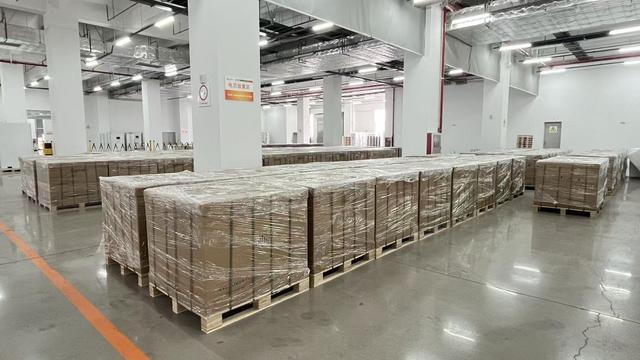
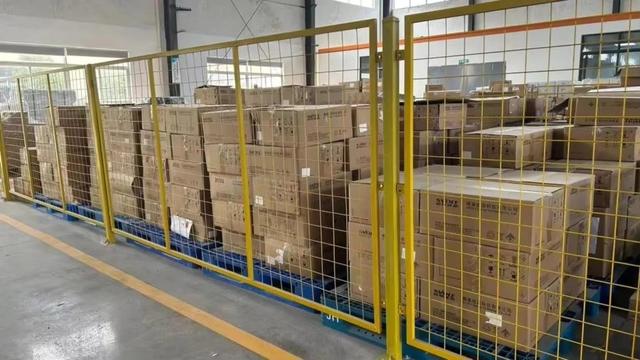
Ningbo Halkirk Solar Co., Ltd. is a prominent solar panel manufacturer and monocrystalline & bifacial solar module supplier, dedicated to delivering high-efficiency renewable energy solutions to customers worldwide. Located in Ningbo, China, the company integrates advanced research and development, manufacturing, stringent quality control protocols, and global sales pipelines to provide reliable solar products optimized for residential, commercial, industrial, and utility-scale solar pumping applications.
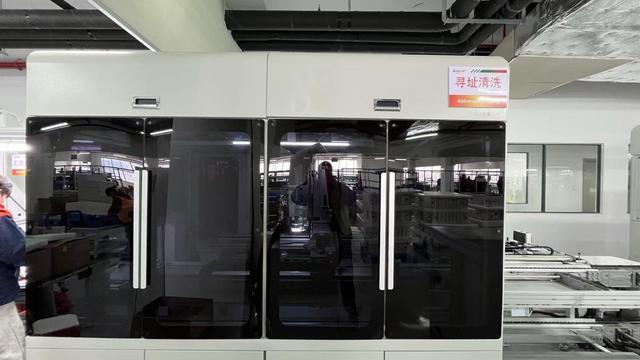
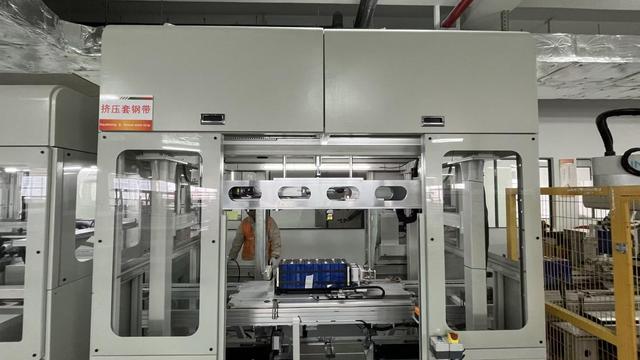
Halkirk Solar specializes in the production of high-performance monocrystalline solar panels, bifacial solar modules, TOPCon solar panels, N-type solar modules, off-grid solar systems, on-grid solar solutions, and customized photovoltaic integrations. Leveraging advanced cell technology and precision-controlled intelligent manufacturing processes, our products are engineered to maximize energy output, optimize conversion efficiency, and ensure long-term, trouble-free operation under diverse, challenging environmental conditions.
To service the specialized needs of international project developers, Halkirk Solar provides comprehensive, flexible OEM and ODM services for solar brands, agricultural distributors, EPC contractors, wholesalers, and project managers.
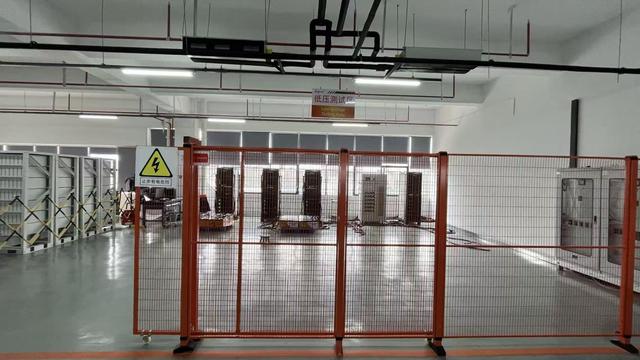
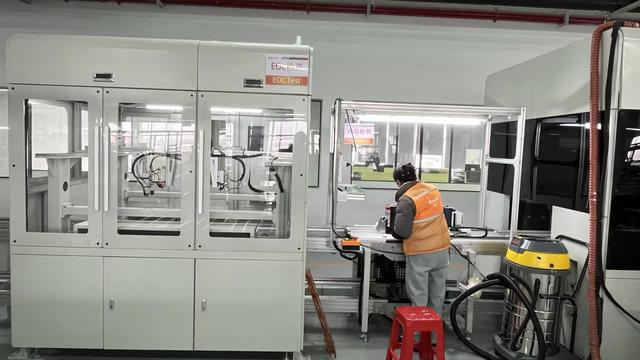

The solar pumping landscape has expanded beyond simple low-voltage DC diaphragm pumps. Modern deployments utilize sophisticated 3-phase AC PMSM (Permanent Magnet Synchronous Motors) driven by dynamic Variable Frequency Drives (VFD) paired with Maximum Power Point Tracking (MPPT) logic. These advancements optimize real-time torque and speed parameters to match incoming solar irradiance levels, resulting in continuous fluid discharge even during low-light conditions.
Optimized tracking algorithms achieve conversion efficiencies up to 99.8%. The frequency matches actual panel output, minimizing startup times and mechanical stress.
Leveraging higher bifaciality rates and lower temperature coefficients (-0.30%/°C) ensures high yield in extreme desert and tropical climates.
Intelligent current-sensing software detects load drops when well levels deplete, shutting off the pump immediately to protect internal bearings.
Looking toward the future, the integration of cellular IoT telemetry (LoRa, 4G, 5G) allows operators and agricultural managers to monitor volumetric water flow, cumulative yield, and system health status through centralized web dashboards. As smart irrigation techniques gain traction, variable flow configurations controlled by soil moisture sensors communicate directly with solar pumping controller setups.
A primary advantage of OEM/ODM solar water pumping systems is their versatility across varying geographies and operational paradigms. Standardized "off-the-shelf" solutions frequently fail to address the nuance of local soil conditions, well depths, water chemical composition, and daily volume requirements.
For multi-hectare operations, matching the pump's head-to-flow curve is critical. Using large-capacity high-flow systems (e.g., 30m³/h to 100m³/h) eliminates the need for expensive water storage structures. Our customized high-wattage N-Type solar panel setups generate stable energy output to maintain pressure thresholds across extensive drip lines.
In arid regions with deep underground aquifers, dynamic heads can exceed 150 to 250 meters. Such depths demand multi-stage centrifugal pumps paired with durable helical rotors. Custom-engineered solar pump controllers manage high open-circuit voltages (Voc) and handle initial high-torque demands without damaging electrical components.
Reliability is paramount when rural communities rely on single-well sources. OEM/ODM integrations incorporate robust hybrid AC/DC auto-switch controllers. When solar output is insufficient during prolonged monsoon seasons, the system automatically draws from back-up battery storage, local mini-grids, or auxiliary generators.
Partnering with Ningbo Halkirk Solar Co., Ltd. provides clients with a streamlined end-to-end production path. We tailor critical parameters to fit specific application requirements:
Essential questions answered by our leading photovoltaic application engineers to help you make informed procurement decisions.
Additional commercial components, high-power modules, and custom structural designs engineered to withstand harsh wind and load conditions.
 Halkirk Solar