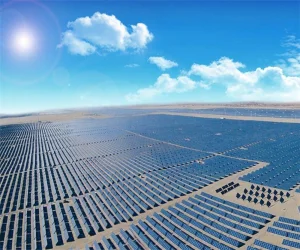
Explore our state-of-the-art monocrystalline cells, flexible panels, and utility-scale energy infrastructure.
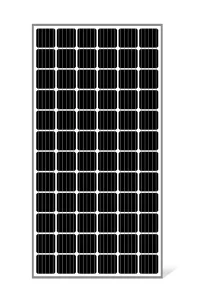
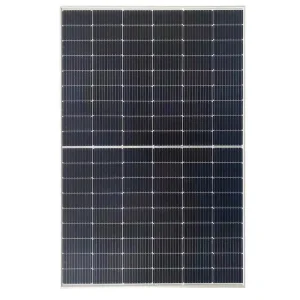
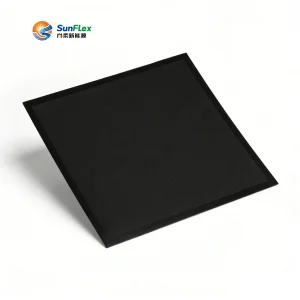
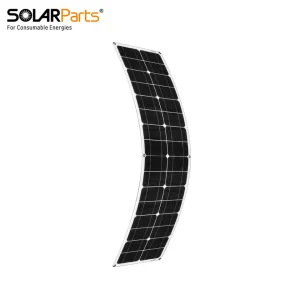
Evaluating how flexible, lightweight PV modules address structural limits, wind loads, and thermal integration on contemporary roofs.
In the global trajectory toward net-zero, conventional crystalline silicon photovoltaic (PV) modules have encountered a physical ceiling: structural weight limits. Standard double-glass or aluminum-framed modules exert a static structural load ranging from 15 to 25 kg/m². However, a vast portion of worldwide commercial and industrial (C&I) rooftops—specifically lightweight corrugated steel sheet roofs, membranous structures, and aged historical assets—cannot withstand this mechanical strain. This limitation is where the expertise of Ningbo Halkirk Solar Co., Ltd. shifts the paradigm, providing advanced, high-performance flexible solar modules engineered for structural optimization.
“By stripping away traditional heavy glass casings and mechanical racking systems, modern flexible solar modules reduce total installed structural load to less than 3.5 kg/m²—unlocking gigawatt-scale capacity across structurally compromised surfaces.”
This structural relief changes the economic equations for global Engineering, Procurement, and Construction (EPC) firms, real estate developers, and asset managers. Instead of performing expensive structural reinforcements to fit rigid panels, flexible solar modules can be applied directly to the existing substrate. This approach significantly reduces initial balance of system (BOS) costs while shortening project timelines from months to days.
B2B buyers, utility project engineers, and sustainability officers do not buy modules solely based on peak power output. They analyze parameters that govern the Levelized Cost of Energy (LCOE). The primary factors driving flexible solar module procurement include:
Additionally, flexible modules resolve aerodynamic issues. In regions prone to typhoons or heavy winds, typical mounting brackets create wind sails, stressing structural mounts. Adhesive-bonded flexible modules lay flat against the surface, eliminating wind lifting risks. They improve the overall aerodynamic profile of building facades and roofs, securing the installation for long-term operation.
The flexible solar market is transitioning from basic thin-film polymers to high-efficiency monocrystalline silicon and hybrid Perovskite structures. Historically, thin-film panels faced lower conversion efficiencies (around 10-12%). Today, Ningbo Halkirk Solar Co., Ltd. incorporates monocrystalline PERC, HJT, and N-type TOPCon cells into flexible form factors, delivering conversion efficiencies that rival rigid panels (exceeding 22%).
By using ETFE (Ethylene Tetrafluoroethylene) encapsulation rather than standard PET, these modules gain high UV protection, fire retardancy, and self-cleaning traits. This polymer layer protects the inner monocrystalline silicon from moisture ingress and salt-mist corrosion, making them suitable for marine and coastal operations.
Furthermore, indoor-optimized Perovskite technologies have introduced ultra-thin (0.6mm) profiles with up to 35% conversion efficiency under low-light conditions. This development transforms indoor IoT environments, powering smart building sensors and localized wireless automation networks without battery replacements.
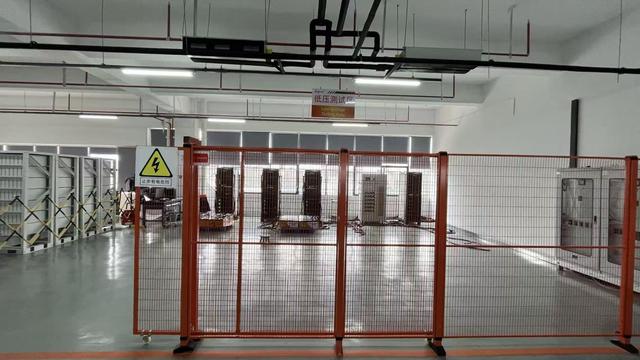
Integrating R&D, automated manufacturing, and strict quality control to deliver customizable Tier-1 standard PV products.
Based in the manufacturing hub of Ningbo, China, Ningbo Halkirk Solar Co., Ltd. is a dedicated solar panel manufacturer and monocrystalline & bifacial solar module supplier. We provide clean energy solutions to clients worldwide. The company integrates research and development, manufacturing, quality control, and international sales to deliver dependable solar systems for residential, commercial, industrial, and utility-scale projects.
Halkirk Solar specializes in producing monocrystalline solar panels, bifacial solar modules, TOPCon solar panels, N-type solar modules, off-grid systems, on-grid systems, and customized photovoltaic products. By leveraging advanced cell technology and automated production processes, our products are designed to optimize energy yield, improve conversion efficiency, and ensure stable, long-term performance under diverse environmental conditions.
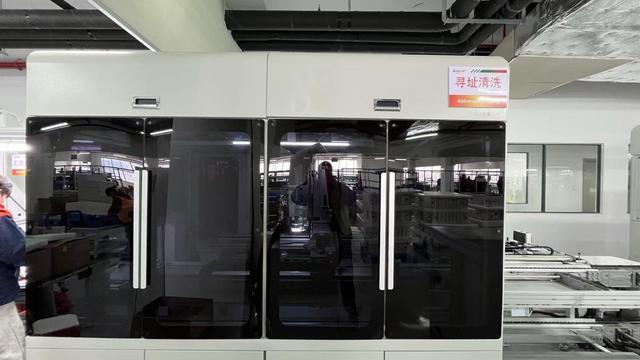
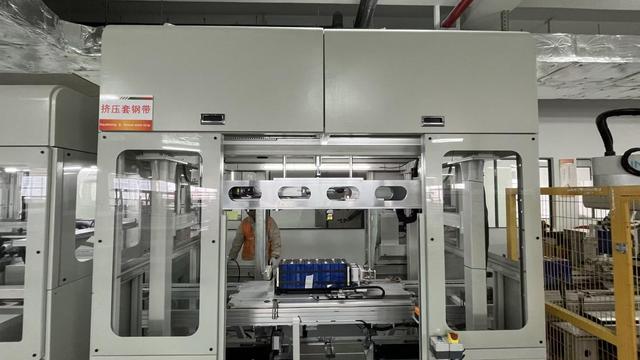
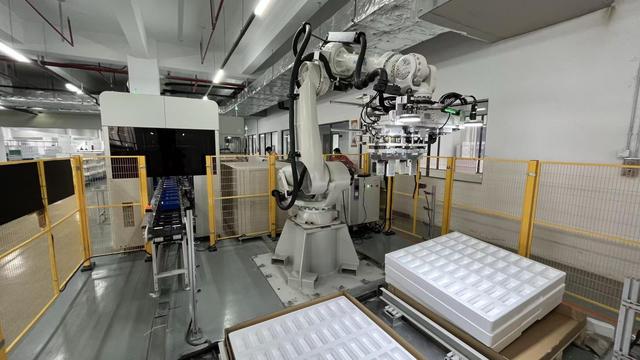
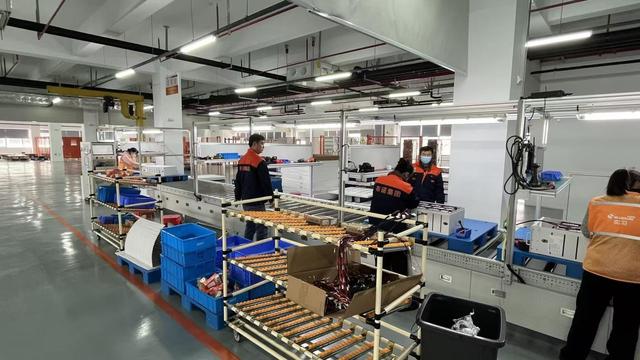
Our modern manufacturing facility features automated production lines, precise testing equipment, and comprehensive quality management systems. Every solar module undergoes detailed inspection and performance tests to ensure structural reliability, weather resistance, and compliance with international safety and performance standards.
To support our global client base, Halkirk Solar offers flexible OEM and ODM services to solar brands, distributors, EPC contractors, wholesalers, and project developers. Our engineering teams work alongside clients to deliver tailored solar configurations that align with specific site requirements, local grid parameters, and regional certification standards.
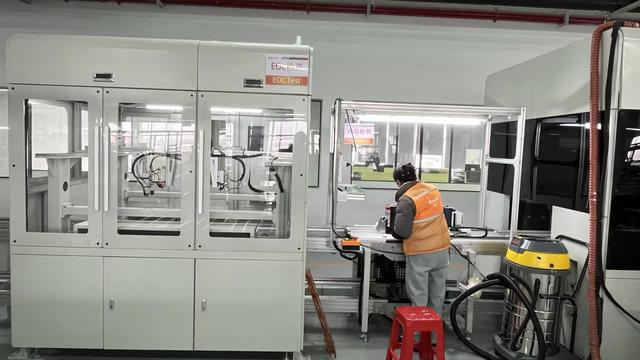
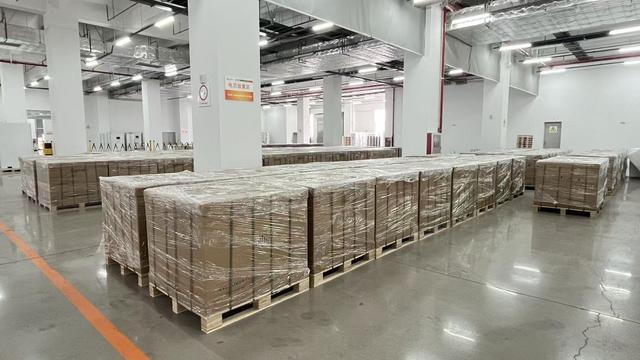
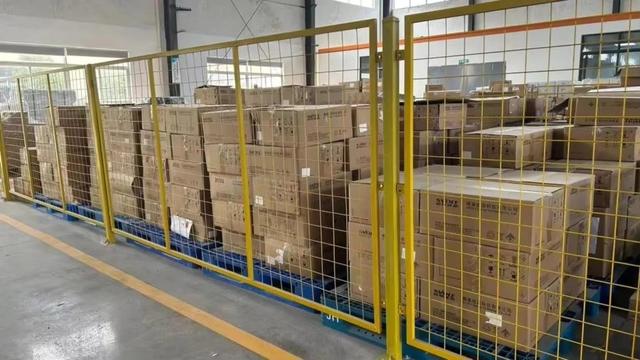
Why sourcing from Ningbo, China ensures continuous innovation, material sourcing security, and logistical advantages.
Sourcing from China's advanced PV clusters offers significant benefits for international purchasers. Ningbo Halkirk Solar Co., Ltd. utilizes Ningbo's deep-water port logistics and integrated supply chains. This geographical advantage helps secure essential raw materials—including solar silicon, backsheets, specialty structural adhesives, and junction boxes—reducing vulnerability to global transport interruptions.
Additionally, the adoption of Industry 4.0 protocols within China's solar manufacturing facilities minimizes production variability. Artificial intelligence inspects cells via electroluminescence (EL) testing before and after lamination, virtually eliminating micro-cracking and high-resistance contact points. Automated sorting ensures high power consistency between modules, which prevents mismatch losses in large arrays.
“Supply chain integration does not just lower production costs. It accelerates custom R&D cycles, allowing Halkirk Solar to transition a bespoke ODM design from CAD drawing to prototype testing within two to three weeks.”
Furthermore, China's established supplier networks allow exporters to navigate changing trade regulations and meet diverse compliance mandates. This includes providing detailed material provenance documents, carbon footprint tracking, and factory-level audits to satisfy European and North American buyers' strict environmental and supply-chain transparency requirements.
Examining how flexible solar PV performs across challenging commercial, transport, and IoT applications.
Flexible photovoltaic modules enable solar integration in environments where traditional rigid panels are impractical. Standard glass modules require robust steel support systems, rendering them unsuitable for several modern applications:
Answers to common engineering, sourcing, and logistics questions about flexible solar modules.
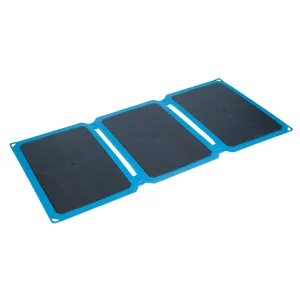
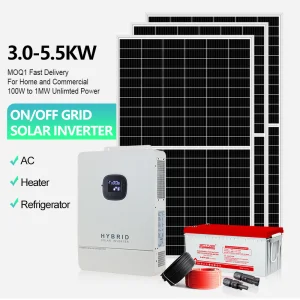
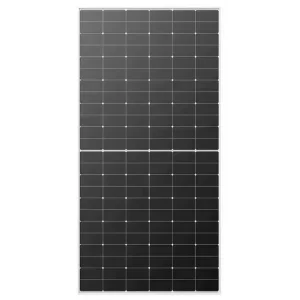
Explore utility storage systems, on-grid projects, and portable flexible modules designed for global deployment.
 Halkirk Solar