Explore our top-tier, high-efficiency monocrystalline modules, lightweight flexible panels, and intelligent inverters engineered for maximum power density.
A Global Standard in Photovoltaic Research, Precision Manufacturing, and EPC Supply Chains.
Ningbo Halkirk Solar Co., Ltd. stands as a premier global leader and specialized manufacturer of monocrystalline and bifacial solar modules. Strategically situated in the deep-water port city of Ningbo, China, we operate at the intersection of cutting-edge photovoltaic engineering and rapid global shipping logistics. Our corporate mission is clear: to deliver highly reliable, high-yield, and cost-optimized green power systems to international utilities, commercial enterprises, and specialized solar brands.
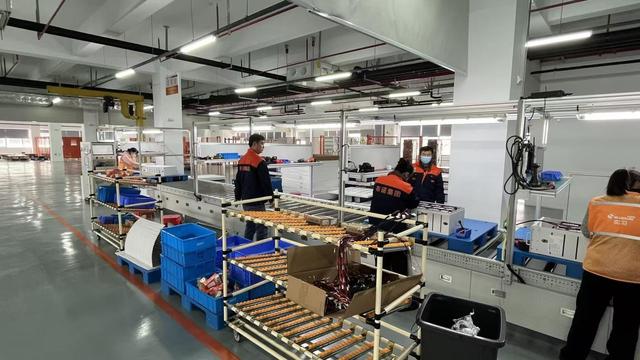
As a vertically integrated enterprise, Halkirk Solar controls the entire value chain from initial material procurement and R&D engineering, to automated line assembly, strict EL defect inspection, and complex shipping logistics. This allows us to ensure our TOPCon, N-Type, HJT, and IBC cell architectures remain at the peak of thermodynamic conversion limits, maintaining a bankable track record across Europe, the Middle East, the Americas, and Southeast Asia.
Maximizing yield, eliminating micro-defects, and ensuring supply chain continuity.
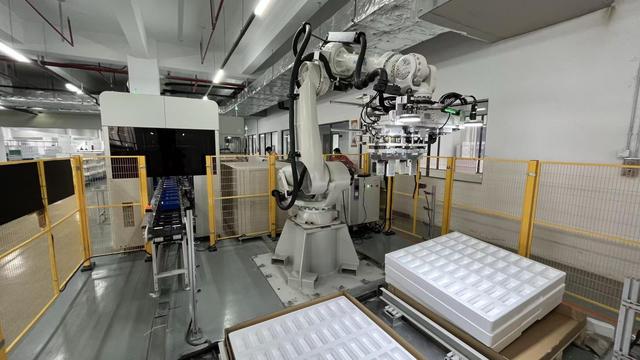
Our intelligent cleanroom lines leverage robotics for ribbon layout, stringing, and glass lamination, reducing manual handling tolerances to under ±0.1mm.
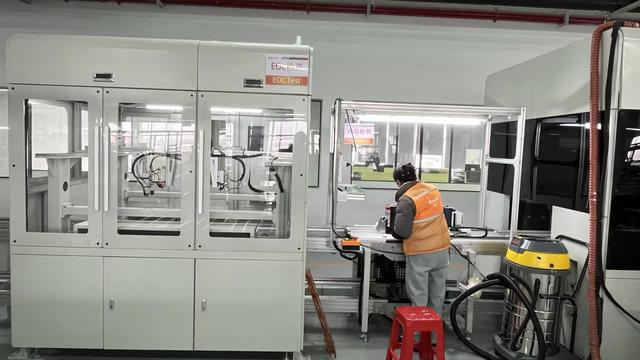
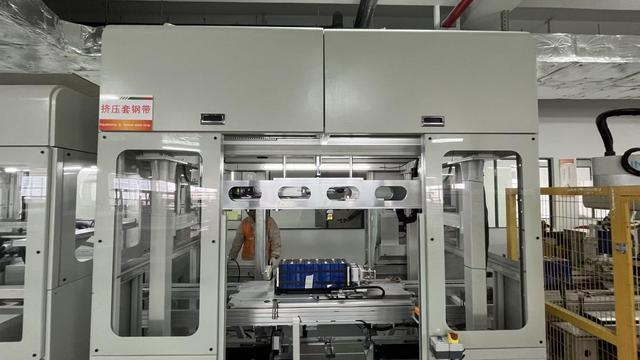
Every single photovoltaic module undergoes pre-lamination and post-lamination Electroluminescence (EL) scanning, guaranteeing zero microcracks, dead cells, or solder voids.
Proximity to Ningbo-Zhoushan Port—the world's top port by cargo throughput—enables direct shipping lanes, minimal transshipment delays, and competitive ocean freight routing.
Halkirk Solar’s manufacturing methodology goes beyond standard processing. Under Factory 4.0 guidelines, we use MES (Manufacturing Execution System) tracking, linking each module's serial number to its corresponding flash test data and EL signature. This guarantees traceability over the full 25-to-30-year operational lifetime of our modules, providing the data reassurance institutional lenders require for utility project financing.
Max Module Efficiency
Annual Supply Capacity
A-Grade Cell Assurance
Bifacial Linear Warranty
Customized designs matching the rigorous load-profile demands of every deployment sector.
For high-capacity ground-mount systems, we supply dual-glass bifacial modules that leverage albedo reflection, boosting system output by up to 25% depending on terrain characteristics. Fully compatible with hydraulic horizontal single-axis trackers.
Minimize structural roof loading without sacrificing power density. Our high-wattage monocrystalline arrays and integrated rectangular cell systems optimize roof footprints, bringing business facilities closer to net-zero self-consumption.
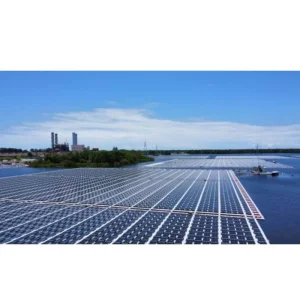
We manufacture salt-mist, ammonia-resistant, and high-load floating solar configurations. Features include heavy-duty HDPE framing and IP68 junction boxes designed to withstand high humidity and marine environment degradation.
Analyzing key structural differences across advanced solar cell architectures.
The photovoltaic industry is undergoing a structural transition from P-type PERC technology to advanced N-type platforms. The primary driver is thermodynamic efficiency limit boundaries. N-type silicon, doped with phosphorus, exhibits zero light-induced degradation (LID) and features a lower temperature coefficient. This ensures higher power retention in regions with elevated ambient temperatures, such as the Middle East and Central Australia.
| Cell Technology | Avg. Cell Efficiency | Temp. Coefficient (Pmax) | Bifaciality Factor | Primary Commercial Advantage |
|---|---|---|---|---|
| P-Type PERC | 22.8% - 23.2% | -0.34% / °C | 70% ± 5% | Highly cost-effective legacy setups |
| N-Type TOPCon | 25.5% - 26.3% | -0.30% / °C | 80% ± 5% | Optimized LID profile, excellent cost-to-performance ratio |
| HJT (Heterojunction) | 26.0% - 26.8% | -0.26% / °C | 85% ± 5% | Industry-leading bifacial output, superior hot climate yields |
| IBC (Back Contact) | 26.2% - 27.2% | -0.29% / °C | Minimal (Single side) | Aesthetic finish, maximum residential conversion density |
Ningbo Halkirk Solar Co., Ltd. actively integrates these cell structures across our product portfolio. By optimizing the metal contact patterns and utilizing ultra-thin tunnel oxide layers on our TOPCon line, we minimize recombination losses, achieving commercial module efficiencies of up to 23.8% in production environments.
Mitigating supply risks and matching strict bill-of-materials (BOM) criteria.
We source raw wafers, EVA encapsulation films, and backsheets from raw-material suppliers who meet strict international standard criteria, facilitating project financing and debt approvals from tier-one commercial banks.
Whether you require specific frame dimensions, custom module coloring (such as our premium All-Black series), or localized label markings, our engineering team manages complete product configuration changes to meet local market regulations.
Halkirk Solar supports global distribution models with container optimization strategies. We employ custom vertical packaging structures that minimize transit vibration damage, reducing micro-defects during rail, sea, and road freight operations. This helps ensure that the structural integrity tested at our factory matches the condition of the panels when they arrive at the job site.
Navigating dynamic trade tariffs, certifications, and delivery grids.
Global PV markets require strict compliance with national safety and grid integration standards. Ningbo Halkirk Solar maintains comprehensive compliance profiles to meet regulatory demands in key markets:
We work closely with logistics partners to mitigate trade risks. Our team handles anti-dumping tariff filings, import duties, and local compliance checks, ensuring a transparent supply chain from the Ningbo factory to the client’s designated location.
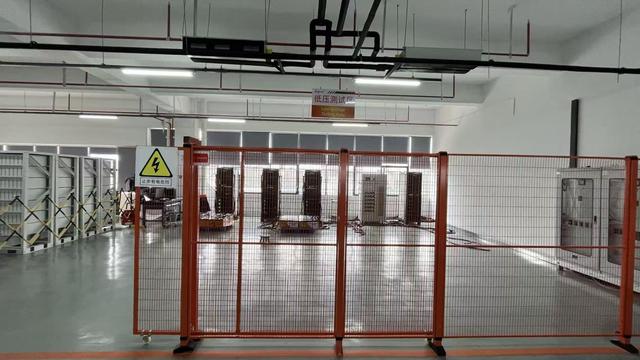
A look at Ningbo Halkirk Solar’s production facilities, automated testing systems, and packaging setups.
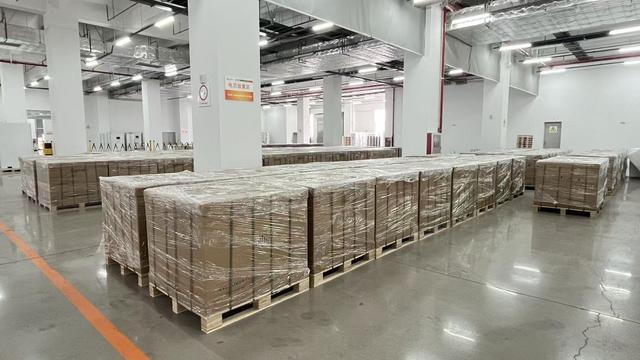
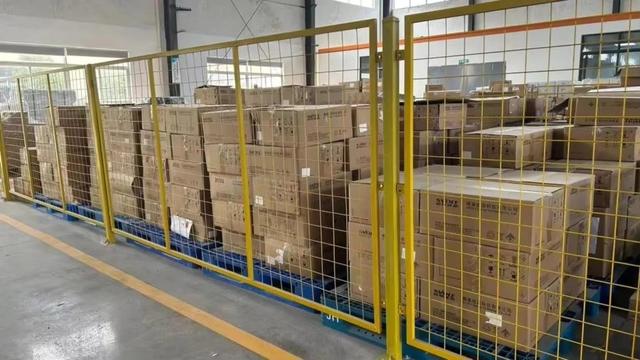
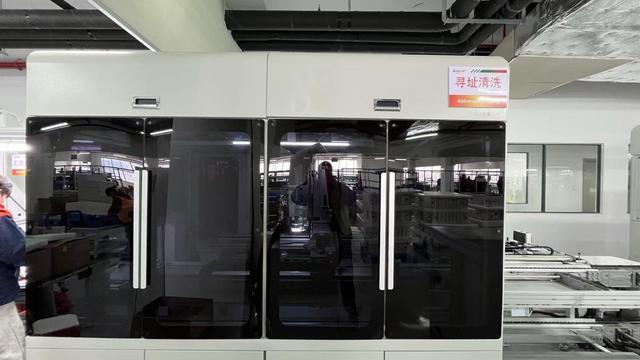
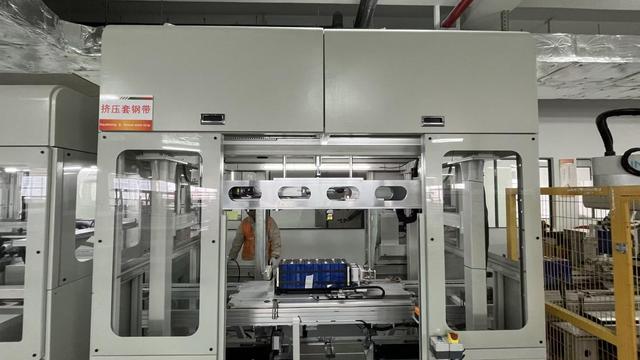

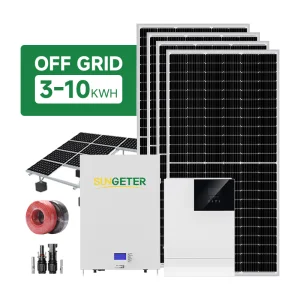
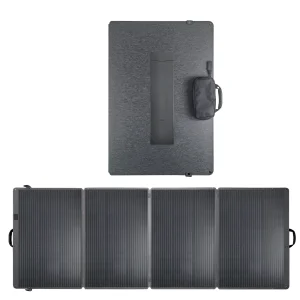
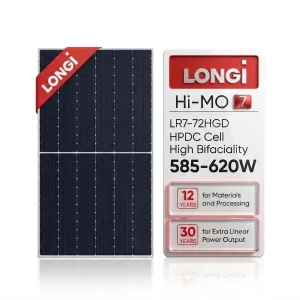
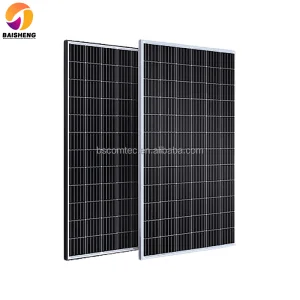
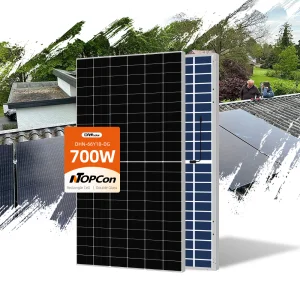
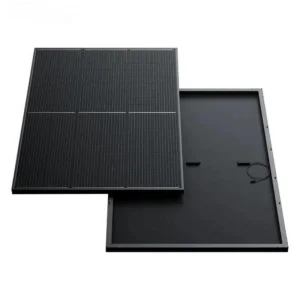
From portable outdoor configurations to utility-scale 1000W architectures, discover our versatile off-grid and on-grid equipment.
Addressing primary inquiries from engineers, purchasing agents, and solar developers.
N-type TOPCon modules exhibit significantly lower degradation curves. In standard P-type PERC panels, boron-oxygen complexes cause Light-Induced Degradation (LID) of 1.5% to 2% within the first year. N-type silicon utilizes phosphorus doping, which completely eliminates this specific degradation mechanism. First-year degradation for our TOPCon modules is typically capped below 1.0%, with subsequent annual linear power degradation restricted to 0.4% over 30 years, compared to 0.55% for P-type panels.
Every OEM/ODM order runs on dedicated production queues. Before full mass production, we generate a Golden Sample for mechanical, electrical, and structural evaluation. Components like customized junctions, specialized frames, and custom-length cables are sourced from qualified sub-vendors. We support third-party factory inspections (such as SGS or Intertek) at our Ningbo manufacturing facility to verify structural compliance before container seal and dispatch.
Halkirk Solar maintains direct shipping lanes from the nearby Ningbo-Zhoushan port to European hubs (Rotterdam, Hamburg) and Middle Eastern hubs (Jebel Ali, Dubai). In addition to direct container shipments (FCL), we utilize dedicated local warehouse allocations in Germany and Dubai to support localized, fast-turnaround deliveries for distributors and EPC developers requiring quick inventory replacement.
Yes. Our floating PV solutions are manufactured with specialized composite backing sheets, salt-resistant aluminum frames with anodization layer thickness exceeding 15 microns, and multi-busbar designs that handle structural flexing. They have passed standard IEC 61701 salt-mist corrosion testing and IEC 62716 ammonia corrosion testing, making them suitable for coastal reservoirs and aquaculture integration.
 Halkirk Solar