Top China Solar Load Assessment Manufacturers & Exporters

Engineered for Extremes: Advancing Photovoltaic Reliability Through Mechanical Strength, Micro-Crack Prevention, and Certified Global Compliance

Featured Mechanical Load Rated Solar Technologies

Explore our top-tier photovoltaic panels engineered to withstand maximum static and dynamic structural load pressures.
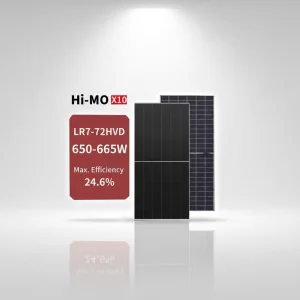
LONGi Hi-MO X10 Scientist Solar Panel

LONGi Hi-MO X10 Scientist Solar Panel for Large Scale Utility Solar Power Plant

View Technical Specifications
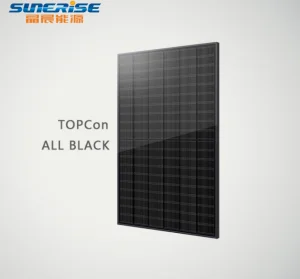
SUNERISE N-Type PV Module

SUNERISE N-Type for PV Module Solar Photovoltaic Panels 480W-500W Mono Facial

View Technical Specifications
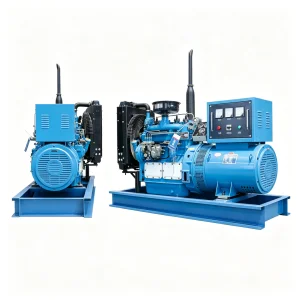
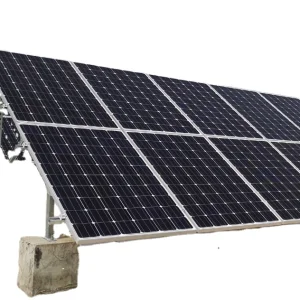
Solar Power Generator Off-Grid

Solar Power Generator Set For Off Grid Cabin And Tiny House Renewable Energy

View Technical Specifications
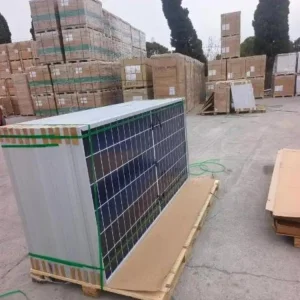
Solar Panel Mono Half Cell

Solar Panel Mono 400W to 700W Half Cell Original A Grade with TUV/CE

View Technical Specifications
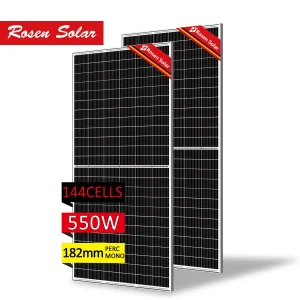
Rosen 550W Solar Power System

Rosen 550W Solar Panel off Grid Solar Power System Complete Setup

View Technical Specifications
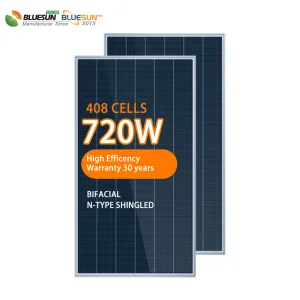
Bifacial Black Topcon Solar Panels

Bifacial Black For Topcon 700w 710w 720w Solar Panels N Type EU Warehouse

View Technical Specifications
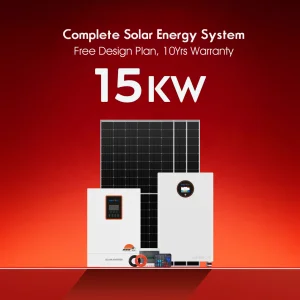
Off Grid Hybrid Solar Energy System

Off Grid Hybrid Solar Energy System 5KW 10KW 15KW Complete Kit

View Technical Specifications
Glass Solar Power Panels

Glass Solar Power Panels Transparent Home Flat Roof Corner Mount Red Tiles

View Technical Specifications

Understanding Solar Mechanical Load Assessments

Why structural load tolerance is the ultimate metric of long-term return on investment (ROI) in modern solar installations.

5400 Pa
Front Static Load (Snow)
2400 Pa
Back Dynamic Load (Wind)
< 0.5%
Annual Degradation Rate
Class A
Fire & Environmental Rating

In modern utility and commercial scale solar applications, the mechanical integrity of photovoltaic (PV) modules determines their survivability. Under severe environmental stress—ranging from cyclonic wind speeds to multi-ton snow loads—modules undergo microscopic flexure. If not properly assessed and engineered, this flexure causes cell micro-cracking, solder joint failure, and eventually localized hot spots that destroy power production.

A rigorous Solar Load Assessment goes beyond simple laboratory pressure testing. It involves the integration of high-tensile anodized aluminum frames, tempered glass chemistry, and highly resilient encapsulants (such as POE and EVA) that absorb structural stress. When choosing a manufacturing partner, understanding their structural testing protocols is paramount to avoiding catastrophic system failures during high-velocity wind events or heavy winters.

Static Load Capacity

Front-side pressure testing up to 5400 Pa simulates deep winter snow accumulations and static debris pressures, preventing structural sag.

Dynamic Wind Resilience

Rear-side wind uplift testing at 2400 Pa simulates heavy wind shear forces, turbulence, and cyclonic vortex shedding on tracking mounts.

Micro-Crack Mitigation

Advanced cell layout engineering and optimized busbar geometries protect individual silicon cells from cracking under repeated stress cycles.

Ningbo Halkirk Solar Co., Ltd.

Leading Global Supplier of High-Load Photovoltaic Systems

Ningbo Halkirk Solar Co., Ltd. is a professional China solar panel manufacturer and monocrystalline & bifacial solar module supplier, dedicated to delivering high-efficiency renewable energy solutions to customers worldwide. Located in Ningbo, China, the company integrates research and development, manufacturing, quality control, and global sales to provide reliable solar products for residential, commercial, industrial, and utility-scale applications.

Halkirk Solar specializes in the production of monocrystalline solar panels, bifacial solar modules, TOPCon solar panels, N-type solar modules, off-grid solar solutions, on-grid solar systems, and customized photovoltaic products. Leveraging advanced cell technology and intelligent manufacturing processes, our products are designed to maximize energy output, improve conversion efficiency, and ensure long-term performance in diverse environmental conditions.

To better serve international customers, Halkirk Solar offers flexible OEM and ODM services for solar brands, distributors, EPC contractors, wholesalers, and project developers. Our experienced engineering and technical teams work closely with clients to deliver customized solar solutions tailored to specific project requirements, market demands, and branding needs.
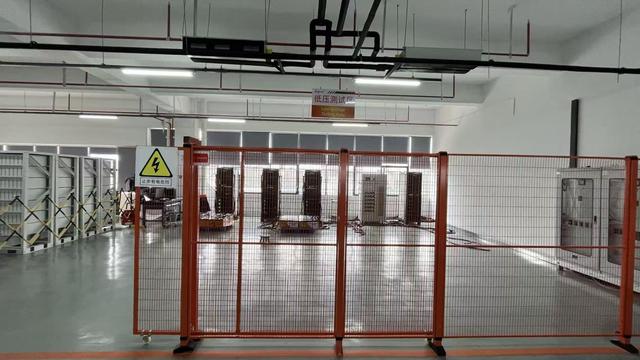
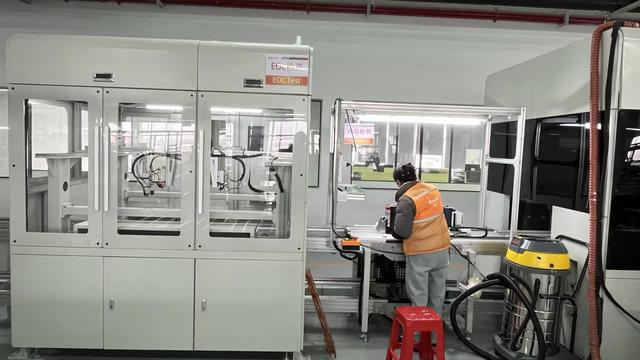
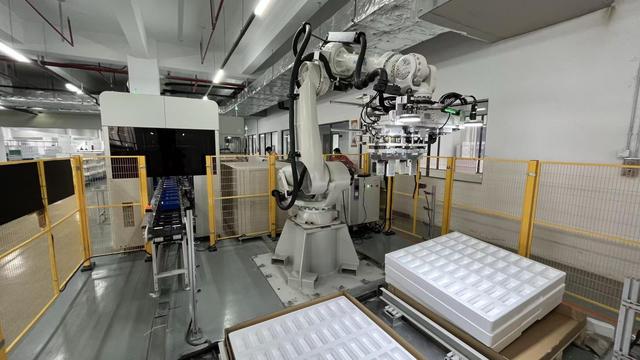
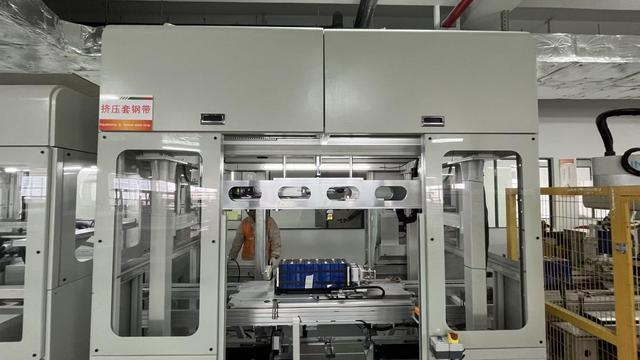
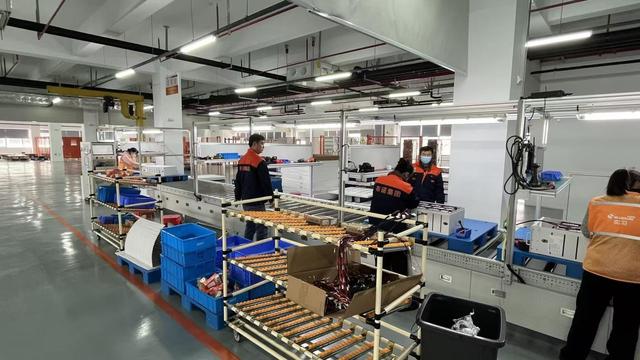
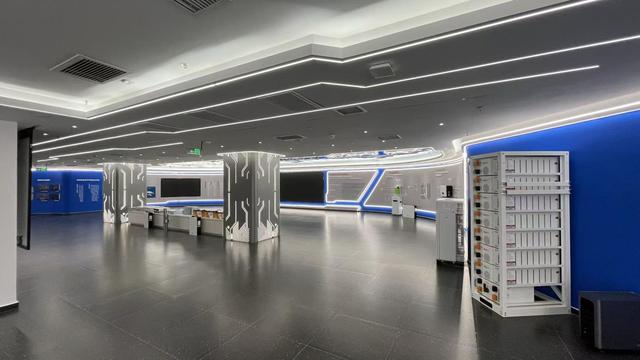
Ningbo Halkirk Factory Automation Solar Mechanical Testing Lab Automatic Soldering Assembly EL Testing Quality Check

China's Supply Chain Leadership in Solar Infrastructure

How Ningbo Halkirk Solar leverages the world's most advanced photovoltaic cluster to deliver unmatched quality and cost efficiency.

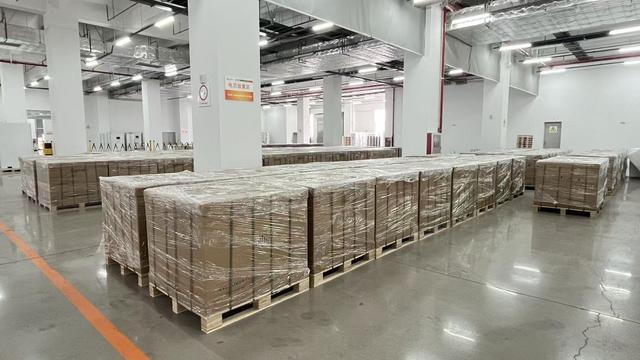
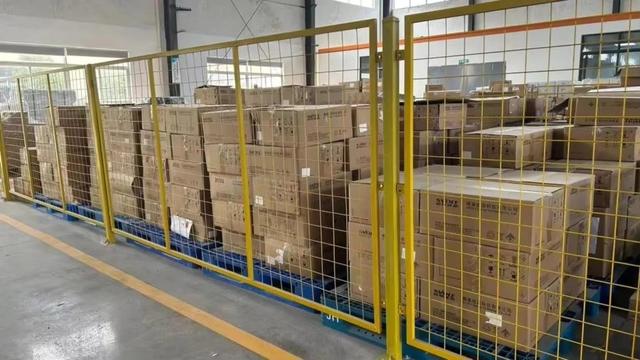
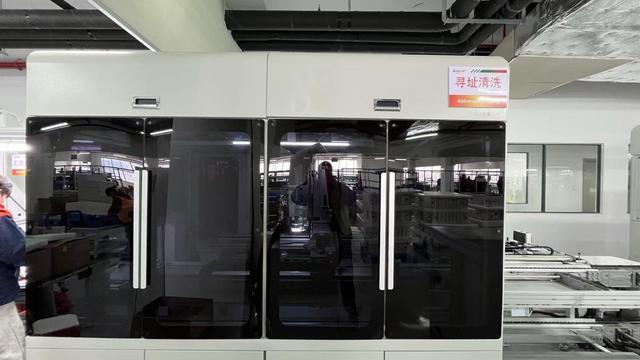
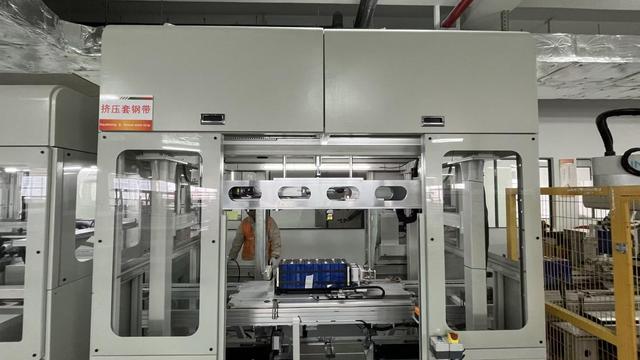
Our modern manufacturing facility is equipped with automated production lines, precision testing equipment, and strict quality management systems. Every solar module undergoes comprehensive inspections and performance testing to guarantee superior reliability, durability, and compliance with international standards. We are committed to providing products that meet the evolving demands of the global renewable energy market.

The Ningbo port industrial hub is the global center of logistics and supply chain optimization for photovoltaic technologies. By anchoring our manufacturing base in Ningbo, Halkirk Solar gains direct, localized access to premium raw materials: ultra-pure monocrystalline ingots, high-transparency tempered glass, high-tensile structural aluminum frames, and cutting-edge POE backing sheets. This structural clustering allows us to transition innovations from lab scale to industrial manufacturing at unprecedented speeds, while offering cost-competitive, high-performance solutions to global importers.
Localized Application & Mechanical Load Scenarios

Tailoring module engineering parameters to unique environmental constraints and regional building codes.

High Wind (Coastal & Island)

Monitored for dynamic micro-crack prevention under high-velocity wind loads. Ideal for coastal industrial hubs or offshore proximity installations.

Dynamic Uplift 2400 - 3600 Pa
Corrosion Class Class IEC 61701
Heavy Snow (Alpine & Northern)

Utilizes ultra-thick 3.2mm tempered glass and heavy-duty frame configurations to sustain high snow weight accumulation without deflection.

Downward Load 5400 - 8100 Pa
Frame Thickness 35mm - 40mm
High Heat (Desert & Arid)

TOPCon N-Type technology features low temperature coefficients. Modules perform reliably under high-radiation desert environments with intense dust loads.

Temp. Coefficient -0.30% / °C
Dust Proofing IP68 Junction Box

Global Procurement Guide: Solar Load Assessment Criteria

Key considerations for EPC contractors, developers, and distributors when auditing industrial manufacturing lines.

When selecting a utility-scale PV supplier, global buyers must audit both the design and testing phases. True mechanical resistance is achieved by matching structural analysis (Finite Element Analysis) with actual laboratory destruction testing. Below is the workflow applied by Halkirk Solar to ensure load-grade integrity:

  • Finite Element Method (FEM) Modeling: We simulate static stress distributions under extreme winds up to 60 m/s before prototyping frames and module backsheets.
  • Real-time Mechanical Load Testing (MLT): Physical modules are clamped onto mounting structures and subjected to positive/negative pressures for multiple cycles, assessing electrical continuity post-test.
  • Thermal Cycling Post-Load: Since mechanical deflection can weaken solder joints, we conduct thermal cycle tests (-40°C to +85°C) on stressed modules to monitor micro-cracking propagation.
  • Electroluminescence (EL) Defect Analysis: Implementing dual EL cameras pre- and post-lamination to capture micro-cracks invisible to the naked eye.

Modern engineering trends point toward TOPCon N-type bifacial modules, which demand double-glass encapsulation. Double-glass configurations naturally balance mechanical load stresses, distributing wind shear equally across the symmetrical glass sheets. This structural shift drastically reduces cell cracking compared to legacy single-glass backsheet models.

Solar Load Assessments: Technical Q&A

Expert technical insights regarding module mechanics, load limits, and international standard requirements.

What is the difference between static and dynamic load testing for solar panels?
Static load testing simulates steady pressure forces such as snow accumulation. The panel is pressed under static weight (typically 5400 Pa on the front) for an extended duration. Dynamic load testing simulates fluctuating forces, like wind gusts, storms, and turbulence, by cycling the panel between positive and negative pressures thousands of times (usually 2400 Pa). Dynamic testing is much more effective at highlighting potential micro-cracking issues.
How does Ningbo Halkirk Solar prevent micro-cracks under heavy wind and snow loads?
We employ three core design principles to mitigate micro-cracking: 1. Optimized frame design using 6065-T6 anodized aluminum alloy with deep mounting flange engagement. 2. Half-cut cell design, which reduces mechanical tension across the wafer size. 3. Premium POE (Polyolefin Elastomer) encapsulation, which has superior cushioning properties and moisture barrier traits compared to standard EVA.
What international standards govern solar mechanical load assessments?
The global standard is IEC 61215 (Design qualification and type approval for terrestrial PV modules), specifically Section 10.13 for static mechanical load and IEC 62782 for dynamic mechanical load testing. Furthermore, UL 1703 and UL 61730 certifications are required for integration into North American grids. All Ningbo Halkirk modules strictly conform to these benchmarks.
Can customized OEM/ODM panels be tested for specific structural local codes?
Yes. Under our OEM and ODM services, we work with project developers to simulate specific wind and snow loading conditions of the target installation site. We can adjust the glass thickness (e.g., upgrading from 2.0mm to 3.2mm double-glass), enhance frame alloy thickness, or customize mounting hole alignments to meet localized civil structural requirements.
Why are N-Type TOPCon modules structurally superior for high-load projects?
N-type TOPCon modules feature superior silicon purity and have a lower temperature coefficient. Combined with our half-cell cutting processes, the structural stress inside the cell layer is lower. When encapsulated in double-glass structures, the neutral stress axis sits directly within the silicon wafer plane, mitigating mechanical cracking compared to legacy P-type PERC structures.

Complete High-Performance PV Solutions Portfolio

Browse our extended catalog of high-efficiency utility modules, grid-tied and off-grid configurations.
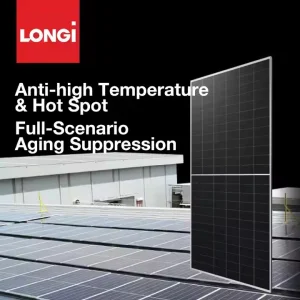
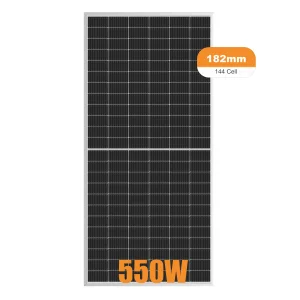
New Tech Longi Hi-MO9 Bifacial

New Tech Longi Hi-MO9 LR7-72HYD 625-660W N-Type BIPV Bifacial Solar Panel

View Technical Specifications
Sunway Solar Topcon N-type

Sunway Solar Power Panels Topcon N-type Mono China Stock Monocrystalline Panel

View Technical Specifications
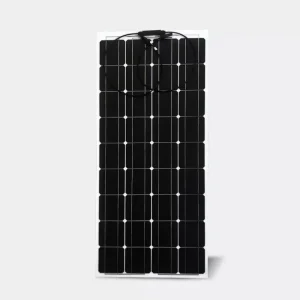
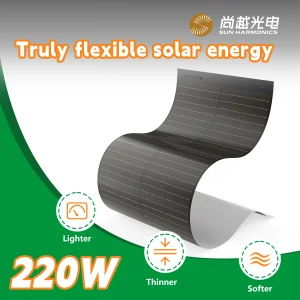
Flexible Solar Panels

Factory Direct Price for Global Wholesale Buyers, 220W Flexible Solar Panels

View Technical Specifications
Solar Roof Panel System

1-10kw Solar Roof Panel System Grid-Tied PERC & Half Cell High Efficiency

View Technical Specifications
Factory Price Solar Panels

Factory Price Solar Panels Solar Module 30W to 720W Solar Battery Cell PERC

View Technical Specifications
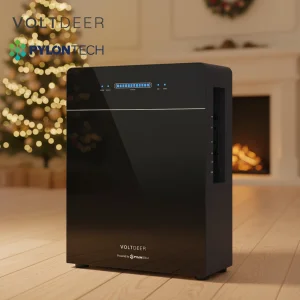
Germany Solar Hybrid Power System

Germany Stock Hybrid Solar Power System Solar Energy System Balcony Storage

View Technical Specifications
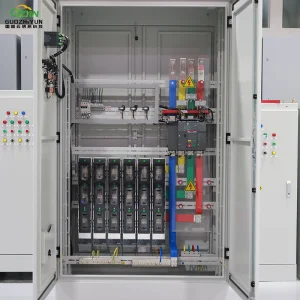
High Power PV Combiner Panel

High Power 1000A PV Grid Connected Solar Combiner Main Distribution Panel

View Technical Specifications
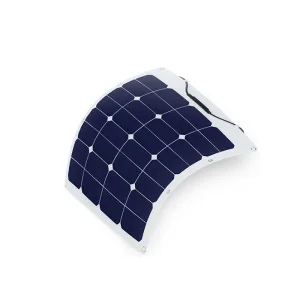
Flexible Solar Panel 50W

50w Solar Panel Flexible 12V Sunpower Frameless Module for Outdoor RV

View Technical Specifications