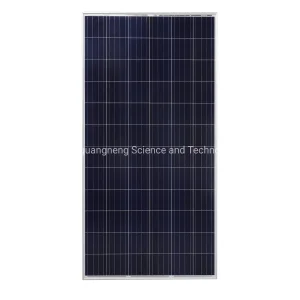
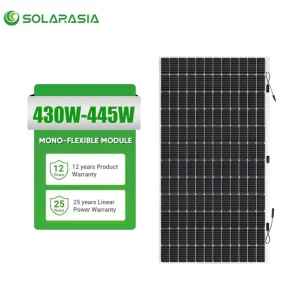
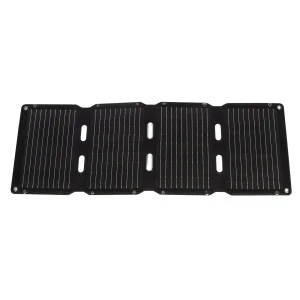
Explore our high-performance off-grid systems, customized modules, and integrated components engineered to maximize system reliability.
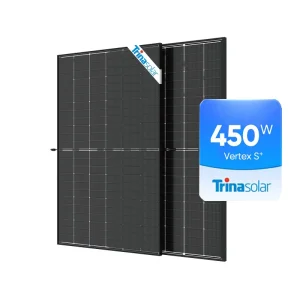
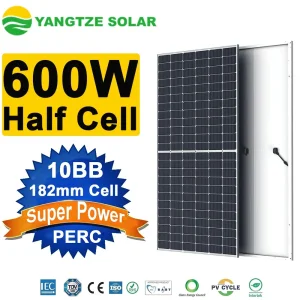

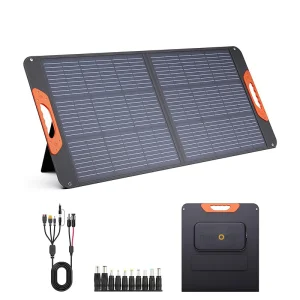
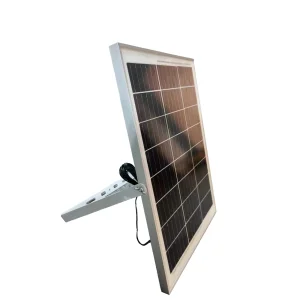
How charge controllers govern power conversion dynamics, manage battery health, and ensure global grid-edge resilience.
As the global transition to renewable energy accelerates, solar charge controllers have emerged as the central regulatory core of modern off-grid, hybrid, and microgrid solar energy systems. Unlike grid-tied architectures that feed power directly into utility networks, off-grid and hybrid energy configurations rely heavily on robust energy storage systems. The solar charge controller bridges the gap between the volatile output of high-power photovoltaic (PV) modules and the sensitive electrical limits of advanced battery chemistries.
By leveraging advanced Maximum Power Point Tracking (MPPT) algorithms, next-generation charge controllers continuously sample the voltage and current outputs of the solar array, dynamically shifting the operational resistance of the system to extract the maximum possible wattage under fluctuating meteorological conditions. This high-frequency tracking capability translates directly to system-wide efficiency gains, reducing the overall levelized cost of energy (LCOE) for residential, commercial, and industrial operators.
"Modern solar charge controllers do not merely restrict voltage; they act as intelligent telemetry gateways, performing complex energy conversions to optimize round-trip battery efficiency and extend system lifespans by up to 35%."
Deciding between topologies requires an analysis of thermal performance, module string configurations, and total array capacity.
In low-voltage, small-scale deployments such as marine vessels, recreational vehicles (RVs), and single-battery backup systems, Pulse Width Modulation (PWM) controllers offer a reliable, cost-effective method of charging. A PWM controller acts as a direct switch between the solar panels and the battery storage. Under load, the panel voltage is pulled down to match the battery voltage, which inherently limits the solar panel's energy output when its optimal voltage (Vmp) is significantly higher than the battery level.
Conversely, for medium- to utility-scale architectures employing high-voltage monocrystalline or bifacial PV panels (such as N-type TOPCon cells), MPPT controllers are mandatory. An MPPT charge controller utilizes a high-efficiency DC-to-DC buck converter. It decouples the PV array voltage from the battery bank voltage, allowing the PV array to operate at its most productive voltage curve while stepping down the output to safely charge the battery at optimal voltages. This technical superiority is outlined below:
| Parameters | Maximum Power Point Tracking (MPPT) | Pulse Width Modulation (PWM) |
|---|---|---|
| Conversion Efficiency | Typically 97% to 99% conversion efficiency. | Typically 75% to 80% conversion efficiency. |
| PV Array Input Voltage | High voltage tolerance (up to 150VDC - 250VDC or more). | Must match battery bank voltage nominal specs (e.g., 12V/24V/48V). |
| Performance in Cold Climates | Highly effective; harvests excess panel voltage due to low-temp drop. | Limited; cannot harvest the extra voltage headroom created by cold. |
| System Sizing Flexibilty | Allows long series-string wiring to reduce line losses. | Requires strictly matched parallel arrays, increasing copper cabling costs. |
| Ideal Application Focus | Commercial, Industrial (C&I), residential off-grid systems > 200W. | Small-scale caravans, telemetry, small boats, simple solar street lighting. |
Preserving the manufacturer's foundational core values, production capability, and global strategic presence.
Ningbo Halkirk Solar Co., Ltd. is a professional China solar panel manufacturer and monocrystalline & bifacial solar module supplier, dedicated to delivering high-efficiency renewable energy solutions to customers worldwide. Located in Ningbo, China, the company integrates research and development, manufacturing, quality control, and global sales to provide reliable solar products for residential, commercial, industrial, and utility-scale applications.
Halkirk Solar specializes in the production of monocrystalline solar panels, bifacial solar modules, TOPCon solar panels, N-type solar modules, off-grid solar solutions, on-grid solar systems, and customized photovoltaic products. Leveraging advanced cell technology and intelligent manufacturing processes, our products are designed to maximize energy output, improve conversion efficiency, and ensure long-term performance in diverse environmental conditions.
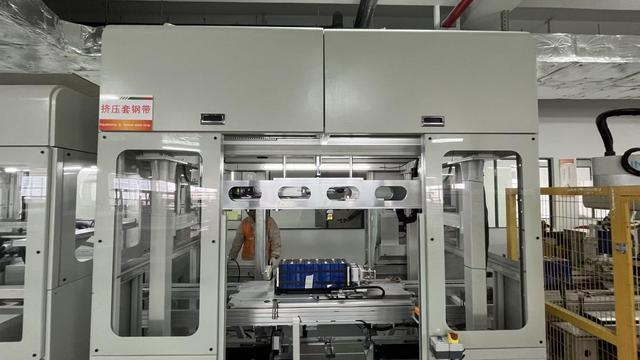
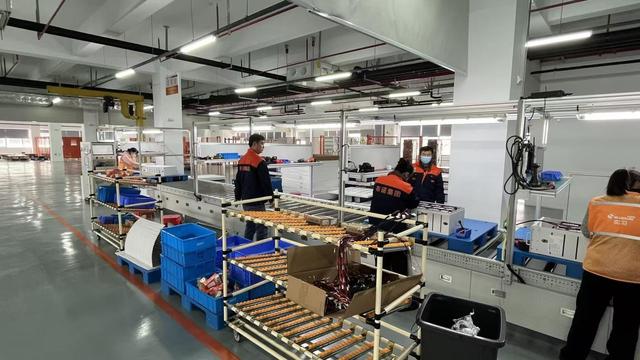
Our modern manufacturing facility is equipped with automated production lines, precision testing equipment, and strict quality management systems. Every solar module undergoes comprehensive inspections and performance testing to guarantee superior reliability, durability, and compliance with international standards. We are committed to providing products that meet the evolving demands of the global renewable energy market.
To better serve international customers, Halkirk Solar offers flexible OEM and ODM services for solar brands, distributors, EPC contractors, wholesalers, and project developers. Our experienced engineering and technical teams work closely with clients to deliver customized solar solutions tailored to specific project requirements, market demands, and branding needs.
Driven by innovation, sustainability, and customer satisfaction, Ningbo Halkirk Solar Co., Ltd. continues to expand its presence in global markets. We strive to become a trusted partner in the photovoltaic industry by providing high-quality solar modules and comprehensive clean energy solutions that contribute to a greener and more sustainable future.
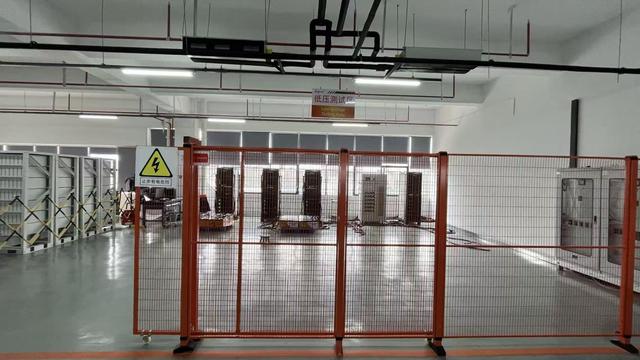
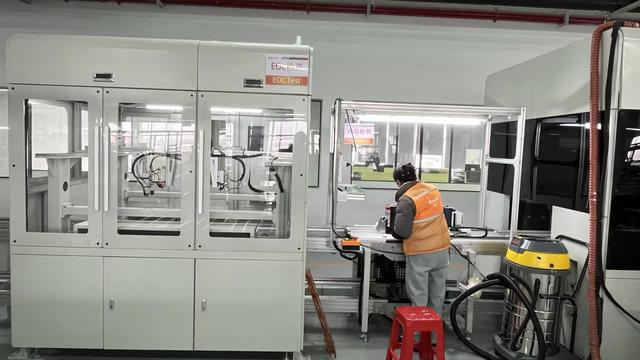


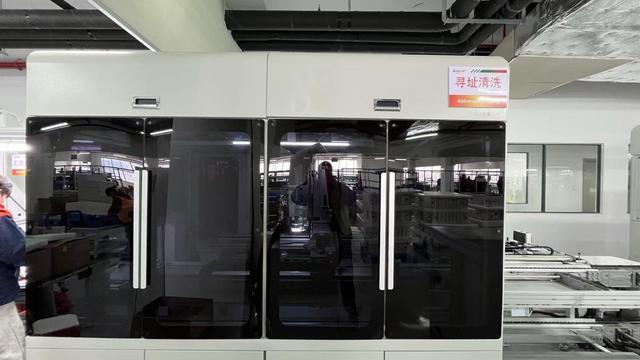
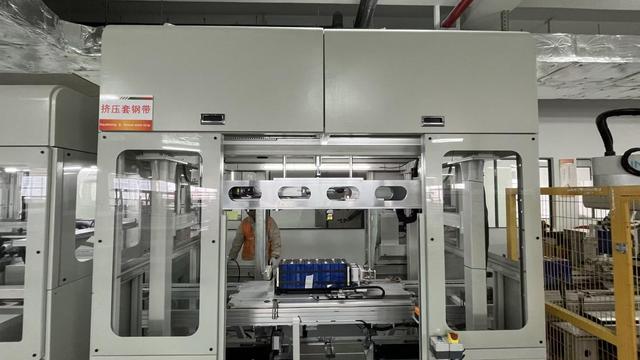
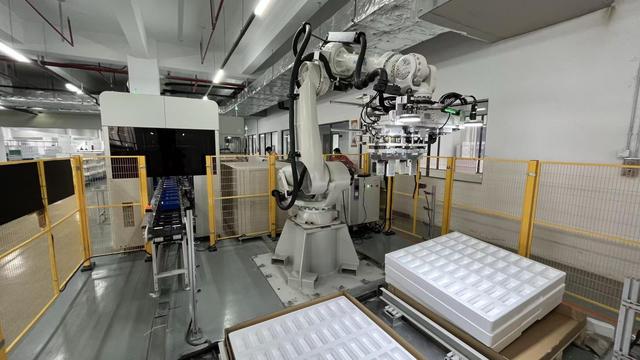

Exploring the convergence of high-efficiency silicon PV modules and intelligent power distribution networks.
As PV modules transition toward bifacial structures and higher current densities, controllers must employ multi-peak tracking algorithms to handle secondary energy peaks resulting from rear-side ground albedo reflection.
Future industrial-grade charge controllers feature native Modbus-RTU, CAN, and IoT protocols. Users can monitor thermal signatures, output curves, and battery state-of-health (SoH) via real-time cloud interfaces.
Silicon Carbide (SiC) and Gallium Nitride (GaN) switching components are gradually replacing traditional silicon MOSFETs. This lowers switching losses, significantly reduces thermal footprints, and raises peak efficiencies beyond 99%.
Meeting stringent global electrical guidelines is essential for industrial deployment approvals.
To safely deploy solar controllers globally, compliance with international certification frameworks is critical. Major importing regions like the European Union and North America demand adherence to rigorous standards governing electromagnetic interference (EMI), product durability, and thermal runaway prevention.
Deployments in the United States and Canada must satisfy UL 1741 standards (Inverters, Converters, Controllers, and Interconnection System Equipment for Use With Distributed Energy Resources). This ensures the controller can withstand severe transient grid surge phenomena, control short circuits, and protect against mechanical failures. Additionally, compliance with the National Electrical Code (NEC) rapid shutdown requirements ensures safety for first responders working near localized PV fields.
For European distribution, controllers must secure the CE Mark and comply with the Low Voltage Directive (LVD) 2014/35/EU, as well as the EMC Directive 2014/30/EU. Global installations rely on the IEC 62109-1 and IEC 62109-2 standards, which define electrical safety benchmarks for power conversion equipment in solar systems. Ningbo Halkirk Solar Co., Ltd. ensures all auxiliary equipment and modules align with these strict international metrics.
Adapting clean solar energy solutions to solve distinct localized infrastructure requirements.
For remote manufacturing sites and mining stations, combining multi-stage MPPT controllers with high-output monocrystalline PV systems ensures grid stability. It reduces reliance on expensive diesel generator fuel runs.
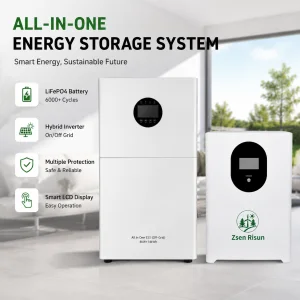
Integrating reliable charge controllers into residential lithium battery systems protects the cells against overcharging, regulates input currents, and helps homes achieve complete energy independence.
Waterproof solar carport structures generate localized energy for electric vehicles. Combining advanced charge controllers with EV chargers allows for high-efficiency DC-to-DC charging, minimizing conversion losses.
Resolving common installation, engineering, and sizing issues faced by project operators.
Discover our comprehensive collection of flexible panels, high-output industrial arrays, and residential off-grid system kits.


 Halkirk Solar