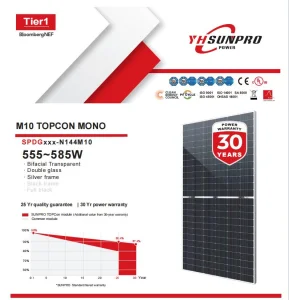
Engineered for high performance, wind resistance, and optimal yield in Japan's unique terrain.
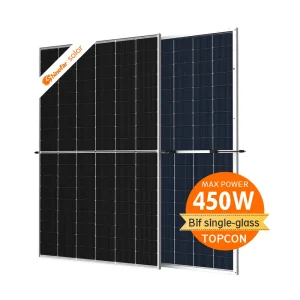
Japan's commitment to achieving carbon neutrality by 2050 has catalyzed a profound paradigm shift in its photovoltaic landscape. Following the progressive phasedown of the historic Feed-in Tariff (FIT) scheme and the emergence of the Feed-in Premium (FIP) model, the Japanese solar market demands unprecedented levels of efficiency, localized compliance, and structural resilience. High-efficiency Half-Cut (Half-Cell) Monocrystalline and Bifacial N-Type TOPCon modules represent the technological vanguard necessary to satisfy these sophisticated market conditions.
In regions such as Tohoku and Hokkaido, heavy snow accumulation presents severe mechanical loads on solar arrays. Conversely, in Japan’s coastal Prefectures, high relative humidity and salt-spray necessitate robust Anti-PID (Potential Induced Degradation) and anti-corrosive properties. Ningbo Halkirk Solar Co., Ltd., leveraging its proximity to major shipping routes out of Ningbo Port, is uniquely positioned to deliver tailored Japanese-market-specific PV modules. These products strictly comply with Japanese Industrial Standards (JIS) and METI regulatory frameworks, mitigating structural and financial risk for EPC contractors and IPP developers alike.
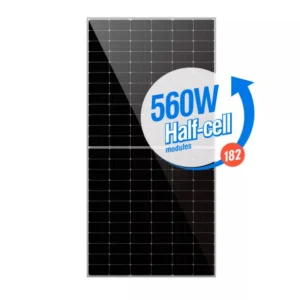
Unlike standard full-cell modules, half-cut cells halve the operational electrical current ($I$). Because power losses due to internal resistance are calculated via the formula $P_{loss} = I^2R$, reducing the current by 50% cuts internal resistive losses by 75%. In Japan, where land constraints necessitate installing panels on complex, hilly terrains (subject to variable shading from trees, mountains, or adjacent structures), the split-bypass diode configuration of half-cell modules ensures that if one half of the module is shaded, the remaining 50% continues to generate power at full capacity.
Independent upper and lower module sections ensure continuous power generation even under partial shadows or localized snow cover.
Lower internal operating temperatures prevent cell degradation and prolong lifetime yields under intense operational stress.
A typical 3-5% increase in total module efficiency compared to conventional full-cell structures, reducing overall BOS costs.
Certified to withstand heavy front side snow loads of up to 5400 Pa and rear side wind loads of 2400 Pa, matching extreme regional requirements.
Maximum Module Efficiency
Front-Side Snow Load Rating
Temp. Coefficient of Pmax
Linear Power Output Warranty
The Japanese utility and commercial rooftop markets are rapidly transitioning from traditional P-type PERC (Passivated Emitter and Rear Cell) technology to N-type TOPCon (Tunnel Oxide Passivated Contact) architectures. N-type modules possess an inherent immunity to Light-Induced Degradation (LID) and Light and Elevated Temperature-Induced Degradation (LeTID), resulting in an exceptionally stable long-term energy yield. Crucially for Japan's high land acquisition and site preparation costs, N-type TOPCon half-cell arrays offer a higher bifaciality factor (up to 80-85%), maximizing ground-mount and solar-sharing project ROI.
| Technology Parameter | Traditional P-Type PERC | Next-Gen N-Type TOPCon (Halkirk Solar) | Strategic Benefit for Japanese EPCs |
|---|---|---|---|
| Cell Efficiency Limit | ~24.5% | ~28.7% (Theoretical Limit) | Maximizes generation from restricted footprint land/rooftops. |
| Bifaciality Factor | 65% - 70% | 80% - 85% | Captures reflection from snow (Hokkaido) and gravel groundcover. |
| First-Year Degradation | 2.0% | < 1.0% | Secures baseline FIP premiums and satisfies investor covenants. |
| Temperature Coefficient | -0.35% / °C | -0.30% / °C to -0.32% / °C | Mitigates heat-induced output drops during hot Japanese summers. |
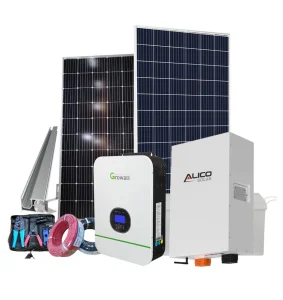
In addition to hardware provisioning, modern Japanese PV projects require integrated macro solutions designed to navigate strict regional grid connection rules (Grid Capacity Allocation). Halkirk Solar supports Japanese partners with comprehensive system design assistance, ranging from high-voltage commercial self-consumption schemes to large-scale ground-mount setups. Our systems are engineered to facilitate seamless integration with Japanese battery energy storage systems (BESS), ensuring stable frequency response and peak-shaving capabilities.
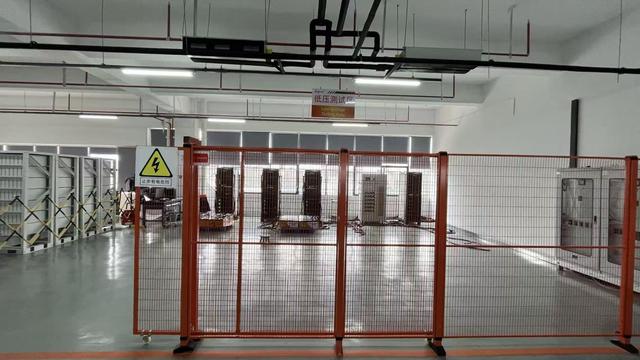
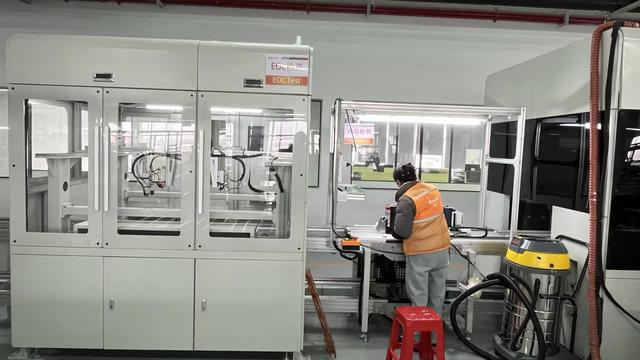
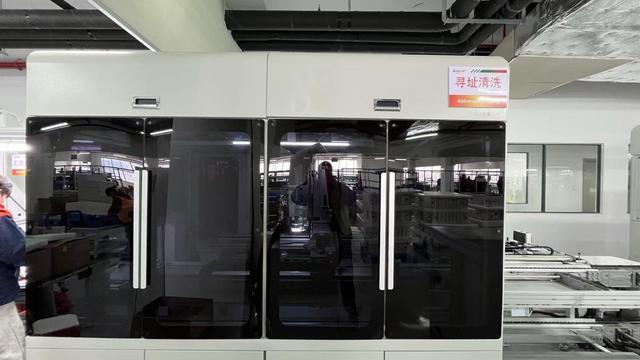
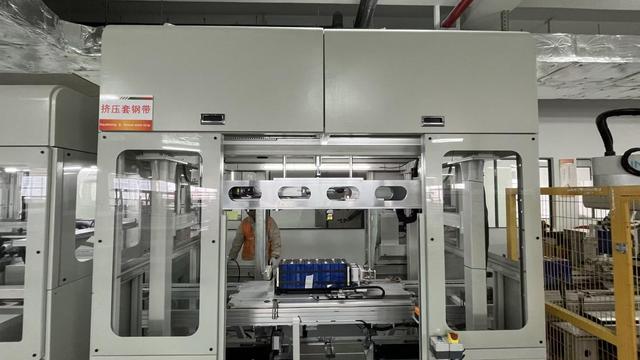
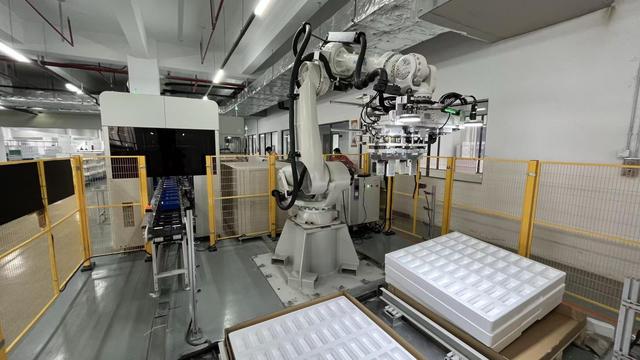
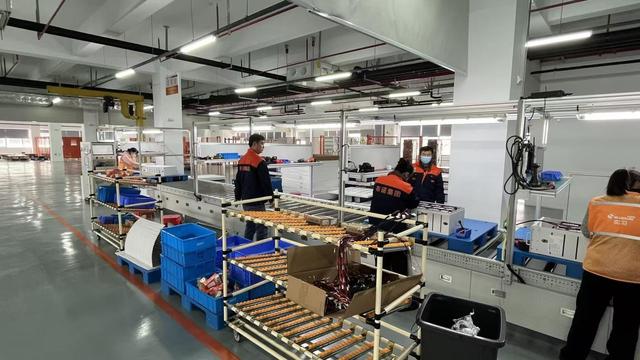
Ningbo Halkirk Solar Co., Ltd. operates a state-of-the-art manufacturing hub utilizing advanced Industry 4.0 automation. By replacing manual operations with robotic precision, our production line guarantees consistent structural alignment, minimized micro-cracks, and optimized cell-to-module (CTM) efficiency ratios. For Japanese clients, who demand rigorous cosmetic and operational perfection, our facility integrates dual-stage AI-driven Electroluminescence (EL) testing to detect and eliminate any micro-defects before packaging.
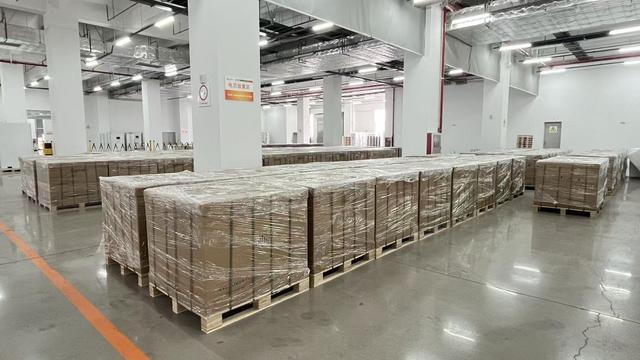
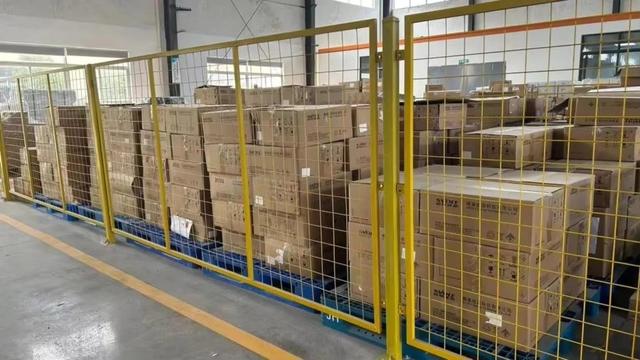
Strategically situated in Ningbo, China, we enjoy rapid transport times to all primary Japanese ports (Yokohama, Tokyo, Osaka, Nagoya, and Kobe) within 3 to 5 days, keeping freight costs to a minimum and preventing logistics-induced project delays. Furthermore, our flexible OEM and ODM services enable global distributors and domestic Japanese brands to customize frame designs, cable lengths, MC4 connectors, and branding to align with local market preferences.
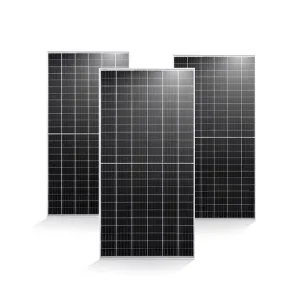
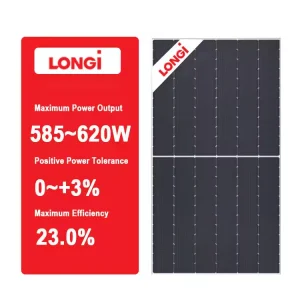
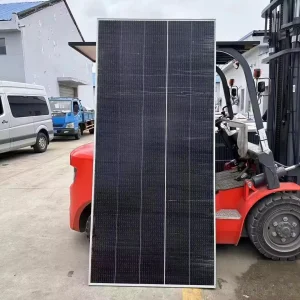
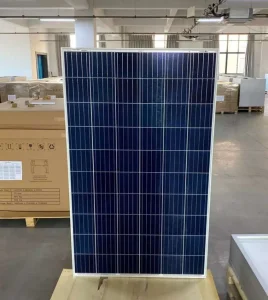
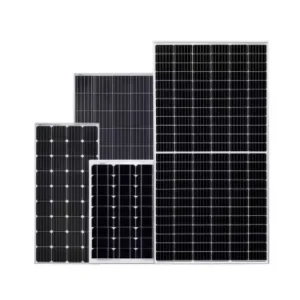
A comprehensive portfolio featuring high-power utility modules, space-saving residential systems, and innovative bifacial double-glass technologies.
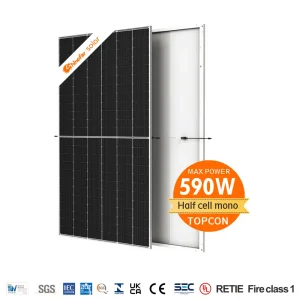
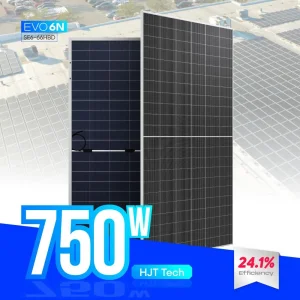
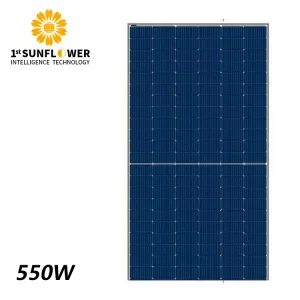
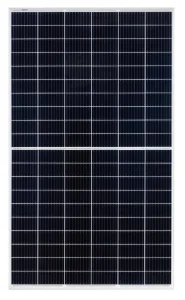
Ningbo Halkirk Solar Co., Ltd. is a professional China solar panel manufacturer and monocrystalline & bifacial solar module supplier, dedicated to delivering high-efficiency renewable energy solutions to customers worldwide. Located in Ningbo, China, the company integrates research and development, manufacturing, quality control, and global sales to provide reliable solar products for residential, commercial, industrial, and utility-scale applications.
Halkirk Solar specializes in the production of monocrystalline solar panels, bifacial solar modules, TOPCon solar panels, N-type solar modules, off-grid solar solutions, on-grid solar systems, and customized photovoltaic products. Leveraging advanced cell technology and intelligent manufacturing processes, our products are designed to maximize energy output, improve conversion efficiency, and ensure long-term performance in diverse environmental conditions.
Our modern manufacturing facility is equipped with automated production lines, precision testing equipment, and strict quality management systems. Every solar module undergoes comprehensive inspections and performance testing to guarantee superior reliability, durability, and compliance with international standards. We are committed to providing products that meet the evolving demands of the global renewable energy market.
To better serve international customers, Halkirk Solar offers flexible OEM and ODM services for solar brands, distributors, EPC contractors, wholesalers, and project developers. Our experienced engineering and technical teams work closely with clients to deliver customized solar solutions tailored to specific project requirements, market demands, and branding needs.
Driven by innovation, sustainability, and customer satisfaction, Ningbo Halkirk Solar Co., Ltd. continues to expand its presence in global markets. We strive to become a trusted partner in the photovoltaic industry by providing high-quality solar modules and comprehensive clean energy solutions that contribute to a greener and more sustainable future.

Key information regarding structural engineering, imports, grid codes, and reliability tests.
Consult with our engineering and procurement team for localized solutions, shipping schedules, and customized OEM quotes.
Send Inquiry Now Halkirk Solar