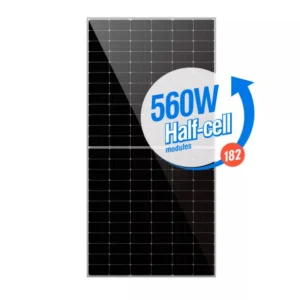
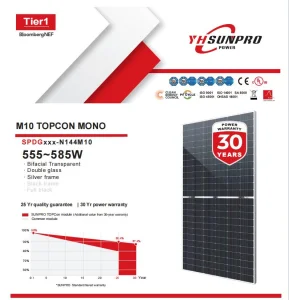
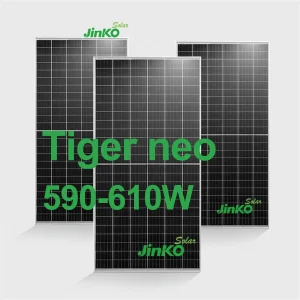
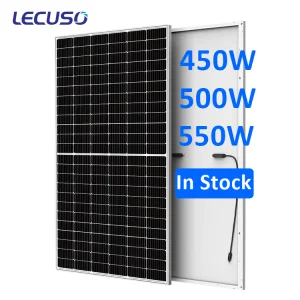
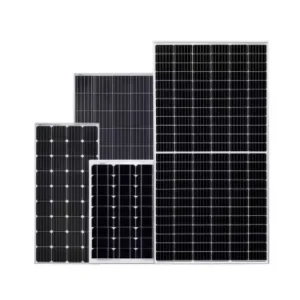
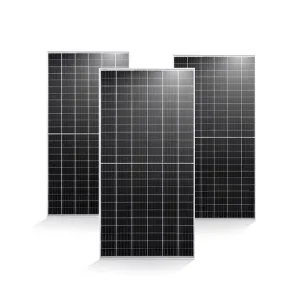
Specially handpicked, high-efficiency solar modules engineered for high ambient temperatures and dusty conditions in the GCC region.
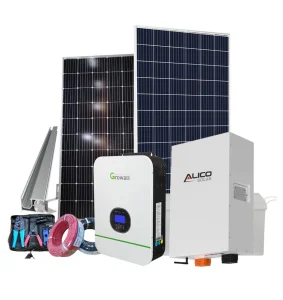
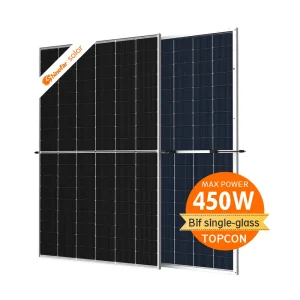
As one of the world's most hydrocarbon-abundant regions, the State of Kuwait is executing a massive strategic pivot. Under the framework of Kuwait Vision 2035 (New Kuwait), the nation is actively working to diversify its energy mix, targeting 15% of its power generation from renewable resources by 2030. Heavy focus is placed on utility-scale deployment like the Shagaya Renewable Energy Project alongside decentralized commercial & industrial (C&I) rooftop solar plants.
Kuwait regularly registers ambient summer temperatures exceeding 50°C. Standard solar modules suffer severe power degradation under these conditions. Half-Cell Monocrystalline designs slash the internal electrical resistance, reducing hot spot operating temperatures and maintaining reliable performance when the mercury rises.
Desert winds introduce heavy dust accumulation. In standard PV modules, partial shading from dust can shut down entire cell strings. The dual-symmetrical layout of Half-Cut cells isolates the upper and lower halves, ensuring that if dust blocks one half, the other half continues to generate power at full capacity.
With massive sandy expanses, Kuwait's terrain features high surface reflectivity (albedo). Combining half-cell geometry with Bifacial Double-Glass designs allows systems to capture rear-side reflected sunlight, delivering up to an additional 25% clean energy yield over traditional monofacial solar systems.
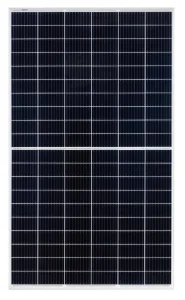
Standard solar panels comprise 60 or 72 full solar cells. A half-cell module cuts these cells in half using precision laser scribing, yielding 120 or 144 smaller cells. This simple geometric modification triggers massive improvements in thermodynamic behavior:
Power loss ($P_{loss}$) in a solar panel is proportional to the square of the current ($I$) times the electrical resistance ($R$), expressed as $P_{loss} = I^2 \times R$. By cutting the cell area in half, the current ($I$) traveling through each busbar is halved. Because the current is halved, the power losses generated inside the cell are reduced by 75% ($1/2^2 = 1/4$).
As PV modules heat up, their maximum power ($P_{max}$) drops. N-Type TOPCon and advanced Mono PERC half-cell panels feature superior temperature coefficients (down to -0.30% per °C). Standard poly or older mono panels hover around -0.39% per °C. In Kuwait's summer heat, this difference translates to a huge increase in energy yield over a plant's 25-year lifetime.
Hot spots occur when a cell is shaded or cracked and acts as a load instead of a power source, building up dangerous heat. The split junction-box architecture of our half-cell designs distributes heat evenly, lowering local temperatures by up to 15°C compared to full-cell configurations. This preserves structural integrity and eliminates fire hazards in extreme desert heat.
From high-scale solar farms in Jahra to commercial setups in Shuwaikh Industrial Area, we provide target-specific architectures.
Supporting clean energy grids with N-Type Bifacial double-glass half-cut modules. These systems utilize tracking mounts and offer extreme resistance to PID (Potential Induced Degradation) and harsh sandstorms.
Ideal for malls, warehouses, and factories in Kuwait City and Ahmadi. Half-cut designs ensure optimal production under typical roof obstructions (HVAC systems, structural columns, dust buildup).
Providing independent solar setups for rural farms, oil drilling rigs, and water desalination stations. Pairs high-capacity monocrystalline half-cell panels with robust battery banks for uninterrupted clean energy.
Ningbo Halkirk Solar Co., Ltd. is a professional China solar panel manufacturer and monocrystalline & bifacial solar module supplier, dedicated to delivering high-efficiency renewable energy solutions to customers worldwide. Located in Ningbo, China, the company integrates research and development, manufacturing, quality control, and global sales to provide reliable solar products for residential, commercial, industrial, and utility-scale applications.
Halkirk Solar specializes in the production of monocrystalline solar panels, bifacial solar modules, TOPCon solar panels, N-type solar modules, off-grid solar solutions, on-grid solar systems, and customized photovoltaic products. Leveraging advanced cell technology and intelligent manufacturing processes, our products are designed to maximize energy output, improve conversion efficiency, and ensure long-term performance in diverse environmental conditions.
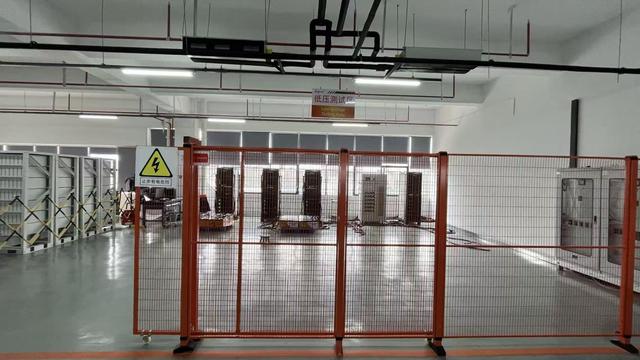
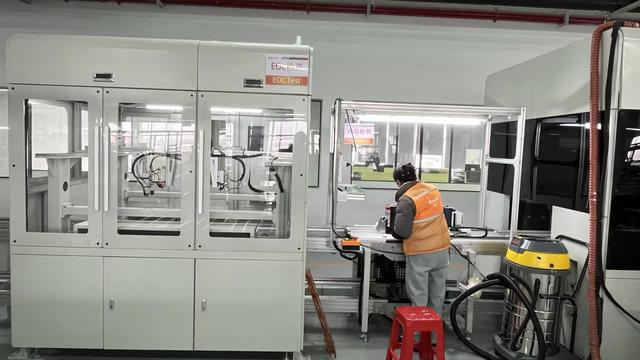
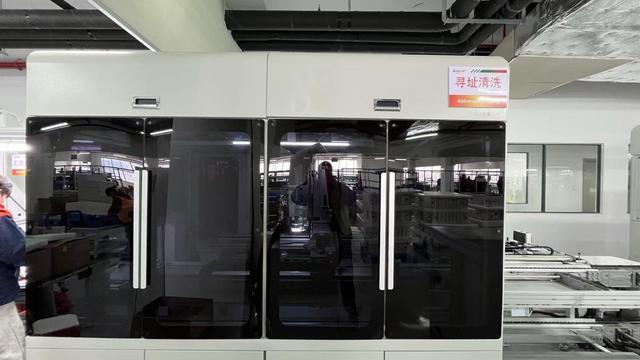
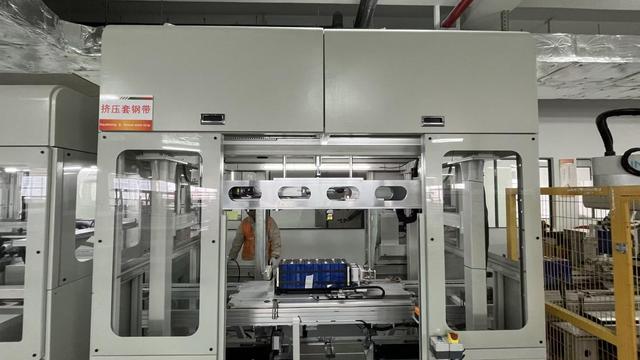
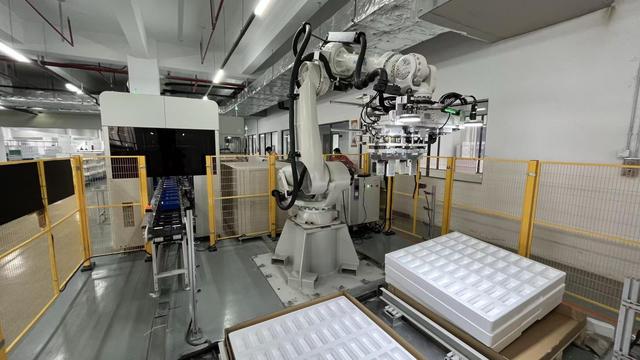
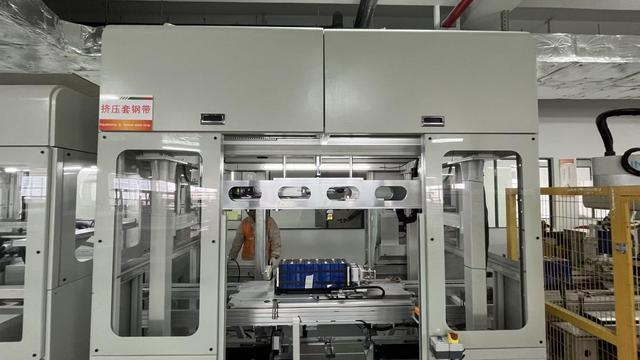
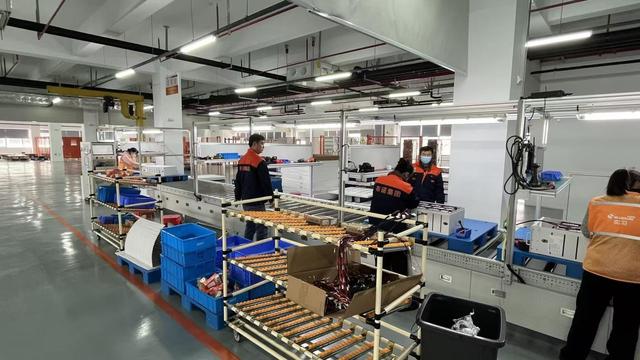
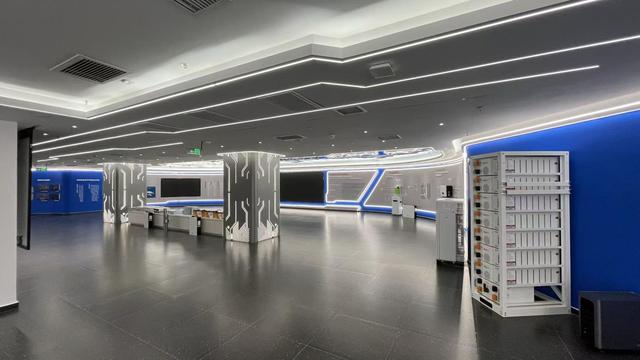
Our modern manufacturing facility is equipped with automated production lines, precision testing equipment, and strict quality management systems. Every solar module undergoes comprehensive inspections and performance testing to guarantee superior reliability, durability, and compliance with international standards. We are committed to providing products that meet the evolving demands of the global renewable energy market.
To better serve international customers, Halkirk Solar offers flexible OEM and ODM services for solar brands, distributors, EPC contractors, wholesalers, and project developers. Our experienced engineering and technical teams work closely with clients to deliver customized solar solutions tailored to specific project requirements, market demands, and branding needs.
Every panel undergoes triple EL (Electroluminescence) testing to catch micro-cracks, ensuring only faultless, premium modules leave our facility for Kuwait.
Custom size configurations, black-frame aesthetics, unique cable layouts, and specialized junction box setups designed for Middle Eastern EPC specifications.
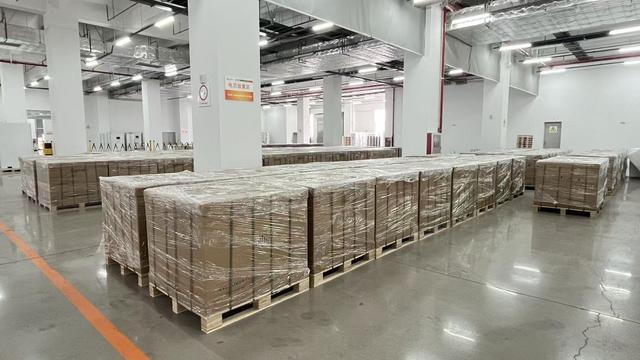
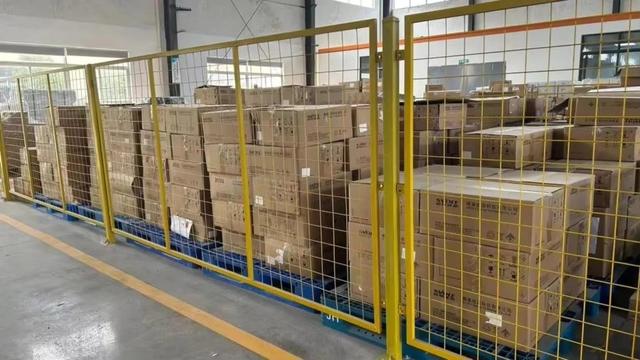
Direct and secure shipping links from Ningbo Port straight to Shuwaikh Port, Kuwait, ensuring reliable lead times and robust packaging protections.
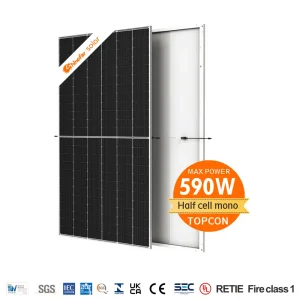
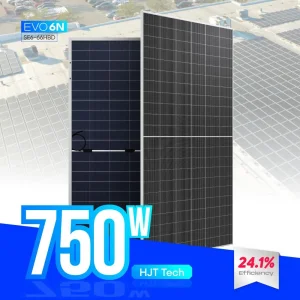
Browse our full range of high-performance half-cell PV options, designed to maximize ROI for commercial, industrial, and residential projects.
Get expert answers to technical questions about half-cell solar integration in high-temperature, high-dust environments.
Kuwait experiences intense summer temperatures (often exceeding 50°C) and heavy sand deposition. Standard panels lose significant power due to increased resistance at high temperatures. Half-cell panels cut cell current in half, reducing power losses from resistance by 75%. Additionally, if sand blocks the bottom half of a panel, the top half remains fully functional, preventing complete circuit shutdown.
Dust build-up can cause partial shading, which triggers localized hot spots in standard panels. Our half-cell panels use a split bypass diode layout. This separates the panel into top and bottom sections, allowing the unshaded half to keep generating power. This design also limits hot-spot temperatures to prevent micro-cracks and material degradation.
We offer direct maritime container shipping from Ningbo Port (close to our facility) to Shuwaikh Port or Shuaiba Port in Kuwait. All panels are packed in heavy-duty, seaworthy vertical crates with edge corner protection to eliminate transit vibrations and micro-cracking risks.
Yes, especially for projects in Kuwait. N-Type TOPCon panels feature a lower temperature coefficient (-0.30%/°C) compared to PERC (-0.35%/°C). They also show zero Light-Induced Degradation (LID) and offer higher bifacial power generation (up to 80-85% rear efficiency). Over a 25-to-30-year operational lifetime, N-Type TOPCon modules deliver a lower Levelized Cost of Energy (LCOE) and faster ROI.
Contact our expert engineering team for customized mechanical specs, load calculations, custom OEM configurations, or factory price quotes.
Send Inquiry Now Halkirk Solar