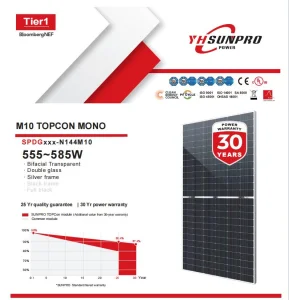
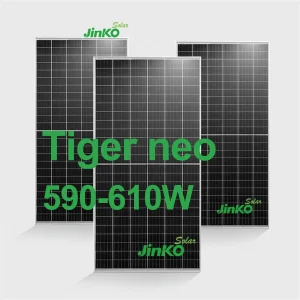
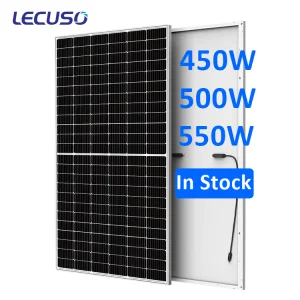
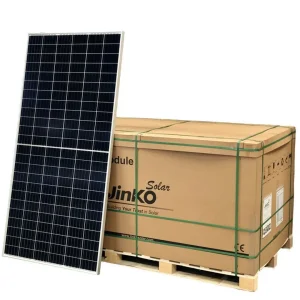
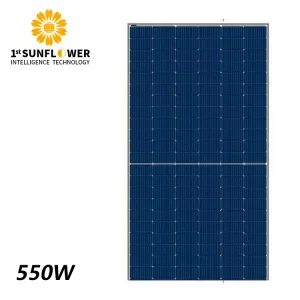
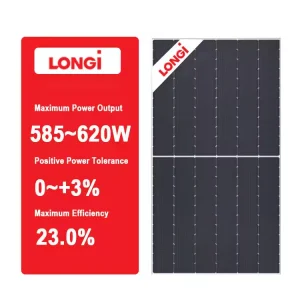
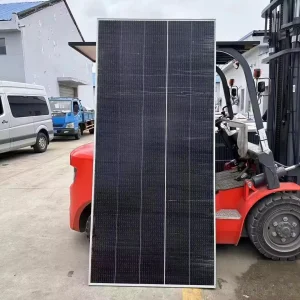
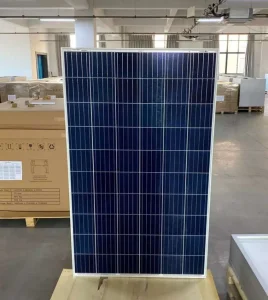
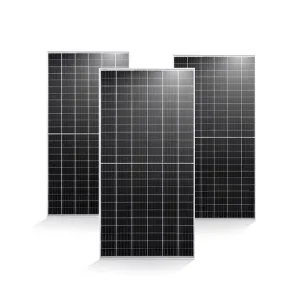
Engineered for high temperature coefficient tolerance and robust microgrid infrastructure across Luzon, Visayas, and Mindanao.
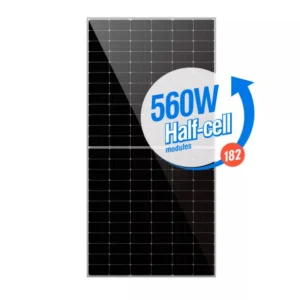
The Philippines represents one of the fastest-growing solar PV markets in Southeast Asia. Driven by high retail electricity tariffs, aggressive net-metering schemes, and the National Renewable Energy Program (NREP) targeting a 35% renewable energy share by 2030, commercial and industrial (C&I) sectors are rapidly embracing localized clean energy microgrids.
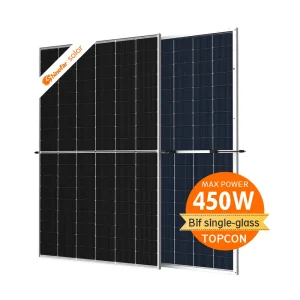
However, the archipelago presents unique climatic challenges: extreme humidity, high ambient temperatures that trigger power degradation, and seasonal typhoons with winds exceeding 250 km/h. To guarantee long-term operational viability, EPC contractors and power developers in Manila, Cebu, and Davao are moving away from traditional modules toward advanced Half-Cell Monocrystalline and Bifacial Photovoltaic technology.
Understanding the electrical architecture that drives superior yield in high-temperature, shaded environments.
By cutting a standard monocrystalline solar cell in half, its electrical current (I) is halved. According to Joule's Law (Power Loss = I²R), dividing the current by two reduces internal resistance-related power loss by 75%. This configuration decreases internal operating temperature by 1.5°C to 2.5°C compared to full-cell panels, yielding higher output under intense Philippine solar irradiance.
Additionally, half-cell modules feature unique independent upper and lower wiring circuits. When the lower half of the panel is shaded by trees or neighboring commercial buildings, the upper half continues to run at 100% capacity, preventing complete system outages.
| Parameter | Standard Full-Cell | Halkirk Half-Cell |
|---|---|---|
| Internal Resistance Loss | 100% (Baseline) | Reduced by 75% |
| Shading Power Mitigation | Complete string drop | Independent half-circuits |
| Hot-spot Temperature | Up to 150°C | < 90°C (Reduced degradation) |
| Bifacial Gain Option | Limited efficiency | Up to 25% additional yield |
Connecting Chinese automated production technology with global compliance and local distribution channels.
Ningbo Halkirk Solar Co., Ltd. is a professional China solar panel manufacturer and monocrystalline & bifacial solar module supplier, dedicated to delivering high-efficiency renewable energy solutions to customers worldwide. Located in Ningbo, China, the company integrates research and development, manufacturing, quality control, and global sales to provide reliable solar products for residential, commercial, industrial, and utility-scale applications.
Halkirk Solar specializes in the production of monocrystalline solar panels, bifacial solar modules, TOPCon solar panels, N-type solar modules, off-grid solar solutions, on-grid solar systems, and customized photovoltaic products. Leveraging advanced cell technology and intelligent manufacturing processes, our products are designed to maximize energy output, improve conversion efficiency, and ensure long-term performance in diverse environmental conditions.
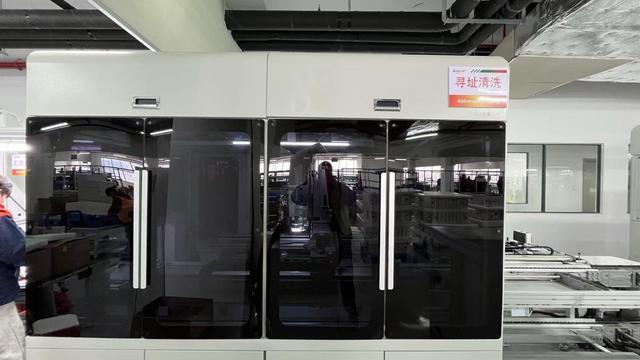
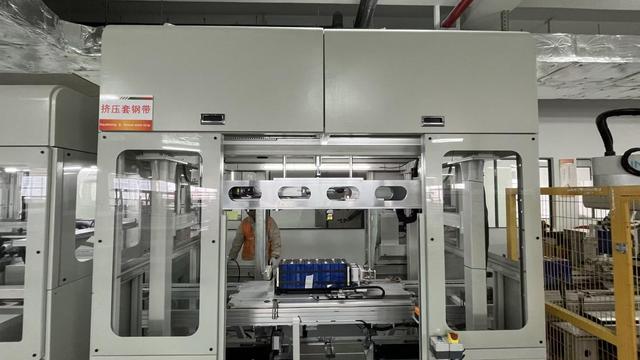
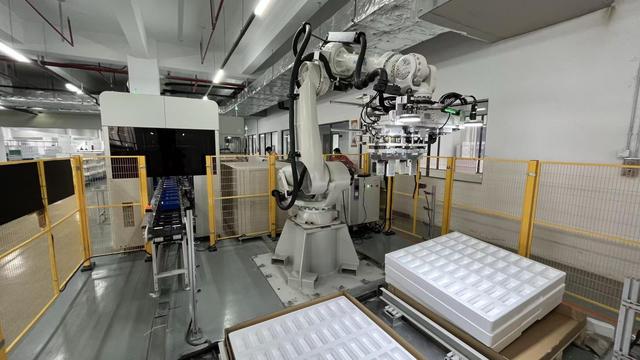
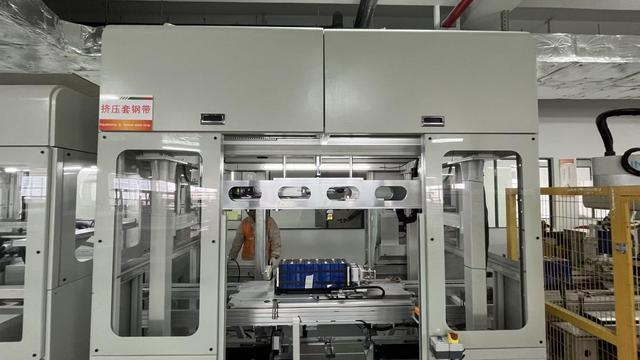
Our modern manufacturing facility is equipped with automated production lines, precision testing equipment, and strict quality management systems. Every solar module undergoes comprehensive inspections and performance testing to guarantee superior reliability, durability, and compliance with international standards. We are committed to providing products that meet the evolving demands of the global renewable energy market.
To better serve international customers, Halkirk Solar offers flexible OEM and ODM services for solar brands, distributors, EPC contractors, wholesalers, and project developers. Our experienced engineering and technical teams work closely with clients to deliver customized solar solutions tailored to specific project requirements, market demands, and branding needs.
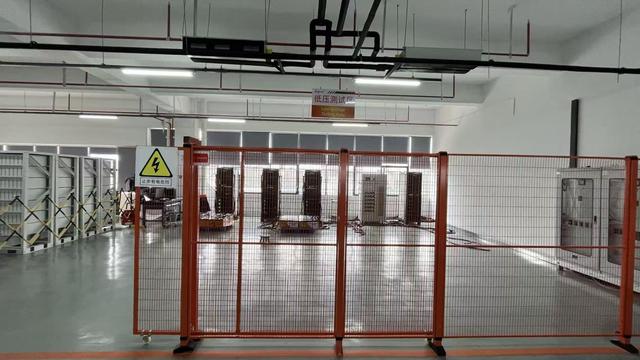
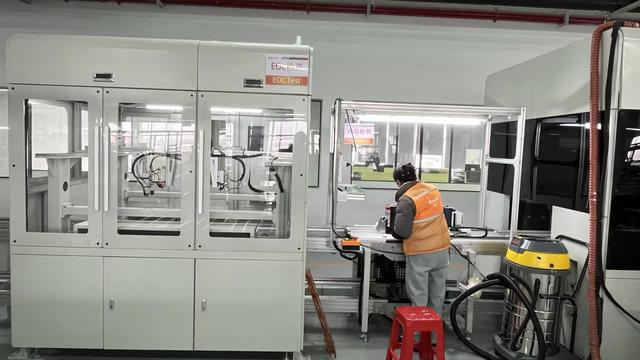
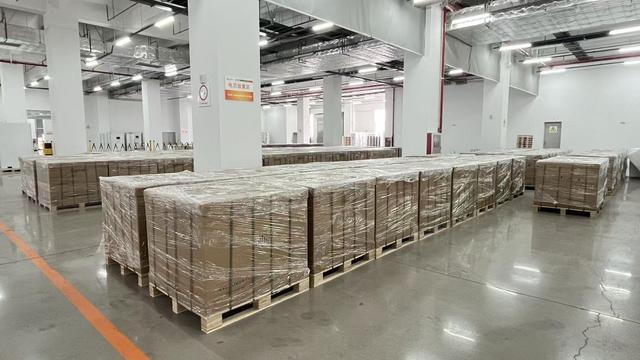
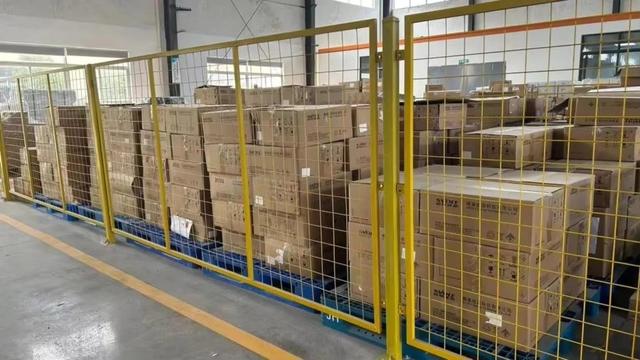
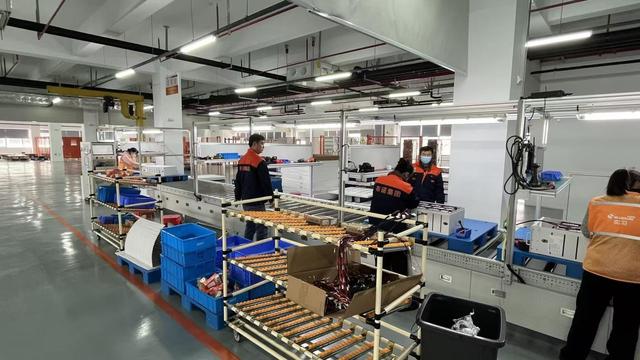
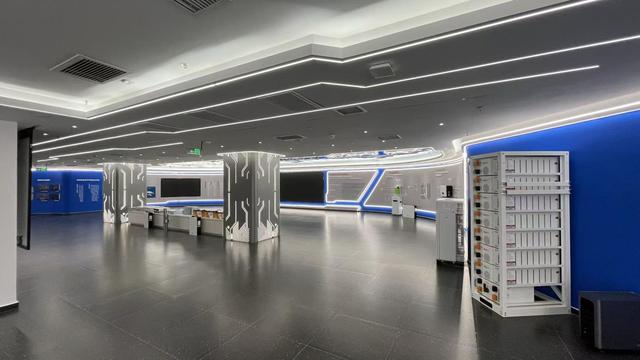
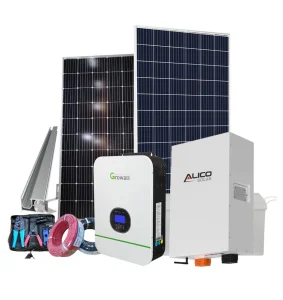
Operating a solar project in the Philippines requires strict adherence to localized engineering parameters. We supply integrated solutions that combine high-efficiency Half-Cell modules with smart energy storage interfaces, optimizing local energy self-reliance.
Ideal for manufacturing plants in Calabarzon and PEZA zones. Reduces high industrial generation charges from grid operators, enhancing cost predictability.
Integrating Half-Cell panels with battery storage setups to replace expensive, high-carbon diesel generators on remote resort islands and provincial towns.
Ningbo's proximity to the deep-water port of Beilun enables direct shipping routes to all major ports in the Philippines, minimizing transit time and inland logistics costs.
A full portfolio of monocrystalline and N-Type modules, compliant with TUV, CE, and Philippine PEC guidelines.
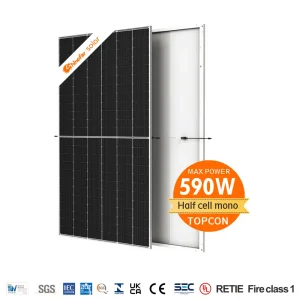
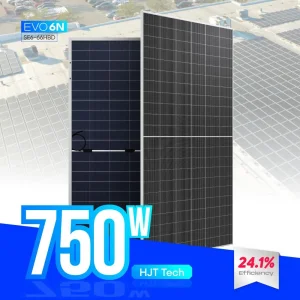
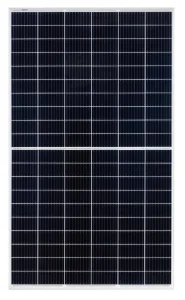
Advanced high-voltage modules for large-scale utility and industrial grids.
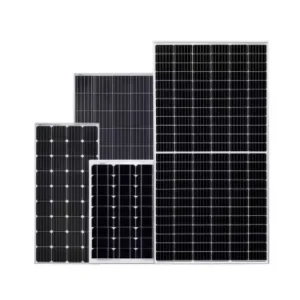
Crucial commercial and technical knowledge regarding solar PV implementation in the Philippine grid.
Half-cell technology reduces internal current by half, which effectively drops internal resistance loss by 75%. In high-irradiance tropical areas like central Luzon, this keeps the panel running cooler (reducing the heat-induced degradation rate). Crucially, the independent top and bottom routing layout prevents full-panel shutoffs when only a portion of the module is shaded by surrounding foliage, buildings, or powerlines.
Our panels feature a heavy-duty, anodized aluminum alloy frame engineered with drainage holes to prevent water accumulation. This design is certified to withstand front mechanical loads up to 5400 Pa (equivalent to extreme wind and snow load tolerances) and rear mechanical loads up to 2400 Pa, ensuring structural safety during super typhoons.
We provide full customs compliance documentation including Bill of Lading, Certificate of Origin (Form E for tariff reductions under CAFTA), CE, TUV, and SGS testing reports. Our engineering team assists developers in securing Philippine PEC (Philippine Electrical Code) alignments and local utility compliance for grid connection.
For standard batch order sizes (ranging from 100kW up to multi-megawatt configurations), transit time from Ningbo Port to the Port of Manila takes 7-10 days. Shipping to Visayas (Cebu) takes 10-12 days, and shipping to Mindanao (Davao) takes 12-14 days. We partner with Tier-1 logistics carriers to manage customs clearance and terminal logistics efficiently.
 Halkirk Solar