High-efficiency solar solutions engineered to maximize yield in Central Europe's climatic conditions.
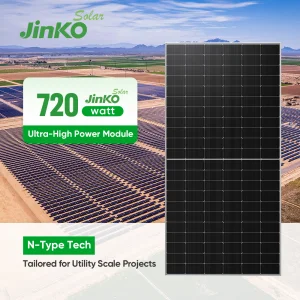
Slovakia is currently experiencing a profound paradigm shift in its energy landscape. Driven by the European Green Deal and the updated National Energy and Climate Plan (NECP), the Slovak Republic has committed to scaling up its renewable energy capacity. The country's commercial, industrial (C&I), and utility-scale sectors are actively migrating away from legacy fossil fuel dependence toward advanced photovoltaic systems.
Slovakia's geography presents unique climatic considerations for solar developers. The southwestern plains, including the regions around Bratislava, Trnava, and Nitra, receive favorable solar irradiance, whereas the northern and eastern regions experience lower ambient temperatures and variable cloud cover. To achieve optimal economic returns, developers require solar modules that maintain outstanding efficiency under low-light conditions and possess a low temperature coefficient. This is where Heterojunction Technology (HJT) panels offer a clear competitive advantage over traditional Tunnel Oxide Passivated Contact (TOPCon) and Passivated Emitter and Rear Cell (PERC) platforms.
Slovakian grid constraints managed by the national transmission system operator, SEPS (Slovenská elektrizačná prenosová sústava), mandate strict grid compliance parameters. Industrial power plants must maximize their generation profile within limited physical interconnection caps. Integrating HJT bifacial modules enables developers to optimize the Levelized Cost of Energy (LCOE) by generating up to 10%-15% more yield per square meter compared to standard systems, ensuring stable power delivery back to the grid and accelerated ROI.
To appreciate the value proposition of HJT, it is necessary to examine the technological infrastructure. Heterojunction technology combines the benefits of crystalline silicon (c-Si) with the excellent absorption and passivation qualities of thin-film amorphous silicon (a-Si:H) on a single wafer structure.
This hybrid cell architecture eliminates standard carrier recombination losses. By coating both sides of an N-type monocrystalline wafer with ultra-thin layers of intrinsic and doped amorphous silicon, HJT achieves open-circuit voltages ($V_{oc}$) exceeding 750 mV. This direct physical configuration results in several core operational benefits:
| Parameter | P-Type PERC | N-Type TOPCon | N-Type HJT (Halkirk Solar Spec) |
|---|---|---|---|
| Cell Efficiency Limit | ~24.5% | ~28.7% | >29.2% (Tandem Potential >33%) |
| Temperature Coefficient | -0.35%/°C | -0.30%/°C | -0.26%/°C |
| Bifaciality Factor | 70% - 75% | 80% - 85% | 85% - 92% |
| First-Year Degradation | 2.0% | 1.0% | < 1.0% |
| Annual Degradation (Yr 2-30) | 0.55% | 0.40% | 0.375% |
From the perspective of a utility-scale developer in Europe or North America, procurement decisions are governed by Balance of System (BOS) cost reduction and overall LCOE minimization. As shipping rates, land costs, structural framing, and electrical labor continue to fluctuate, deploying high-power-density HJT modules acts as an effective counter-measure.
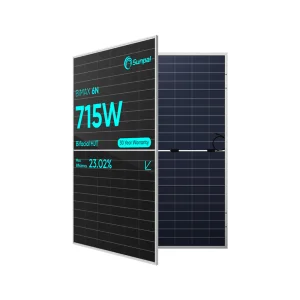
By outputting up to 730W+ per module (such as the Sunpal HJT series), developers can achieve the same target MW plant capacity with fewer individual components. This reduces the number of tracking structures, mounting rails, DC cables, combiner boxes, and inverter interfaces. In turn, labor hours on-site are significantly curtailed, and structural footprints are minimized—a crucial factor when negotiating land lease agreements in density-restricted European countries like Slovakia.
Furthermore, because HJT modules have a longer functional lifecycle (backed by our robust 30-year linear performance warranty), the total energy yield ($kWh$) generated over the lifetime of the project is up to 25% higher compared to PERC installations. When calculated within an LCOE model, the minor upfront premium of HJT is rapidly amortized, yielding superior long-term financial returns and lower financing interest rates from ESG-focused European banks.
Ningbo Halkirk Solar Co., Ltd. is a leading China solar panel manufacturer and monocrystalline & bifacial solar module supplier, dedicated to delivering high-efficiency renewable energy solutions to customers worldwide. Strategically situated in the deep-water port city of Ningbo, China, the company integrates advanced research and development, smart manufacturing, strict quality control, and global logistics to provide reliable solar products for residential, commercial, industrial, and utility-scale applications.
Halkirk Solar specializes in the production of high-efficiency monocrystalline solar panels, bifacial solar modules, TOPCon solar panels, N-type solar modules, off-grid solar solutions, on-grid solar systems, and customized photovoltaic products. Leveraging state-of-the-art cell passivation technologies and intelligent automated manufacturing, our products are designed to maximize energy output, improve conversion efficiency, and ensure long-term performance in diverse and harsh environmental conditions.
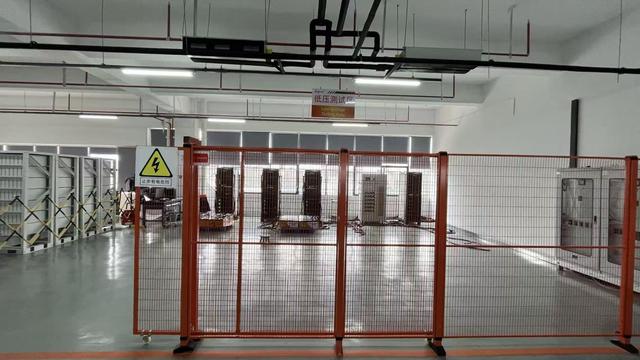
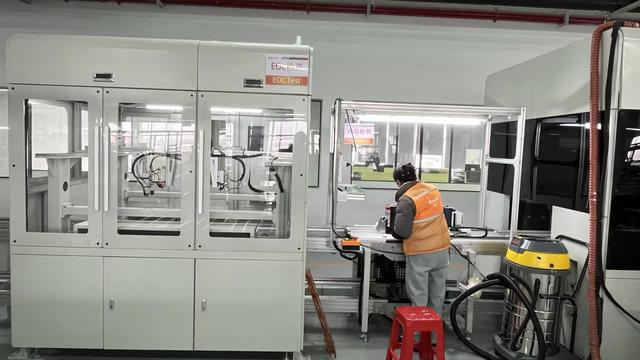
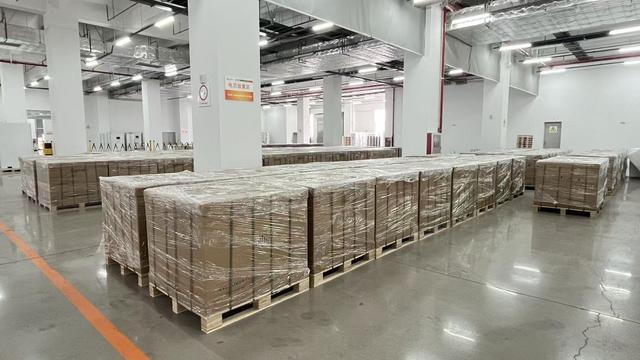
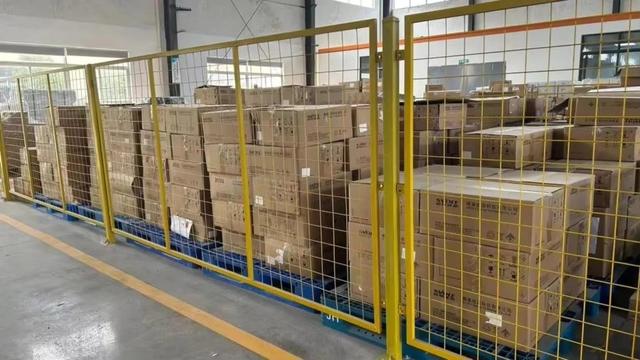
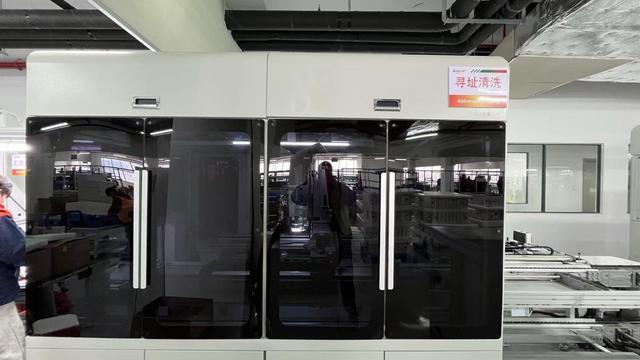
Our modern manufacturing facility is equipped with automated production lines, precision EL (Electroluminescence) testing equipment, and strict quality management systems. Every solar module undergoes comprehensive double-stage EL inspections and high-accuracy sun simulator testing to guarantee superior reliability, zero micro-cracks, durability, and full compliance with international standards. We are committed to providing products that meet the evolving demands of the global renewable energy market.
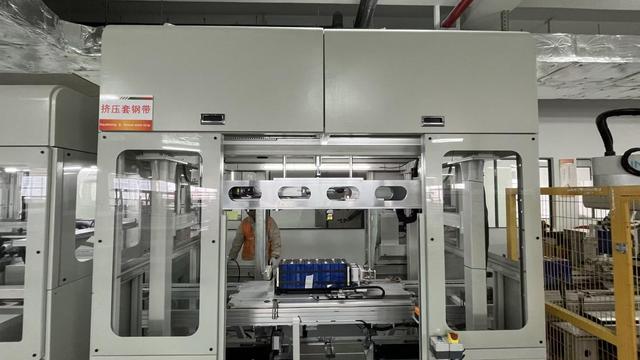
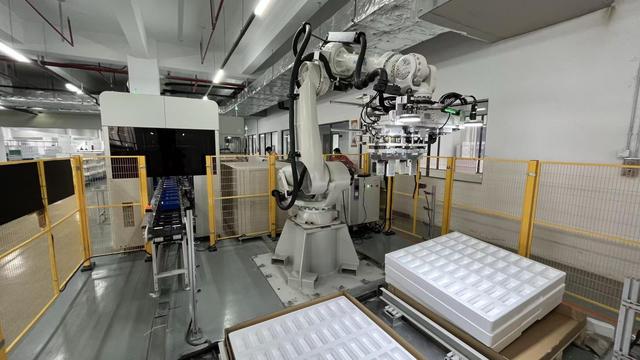
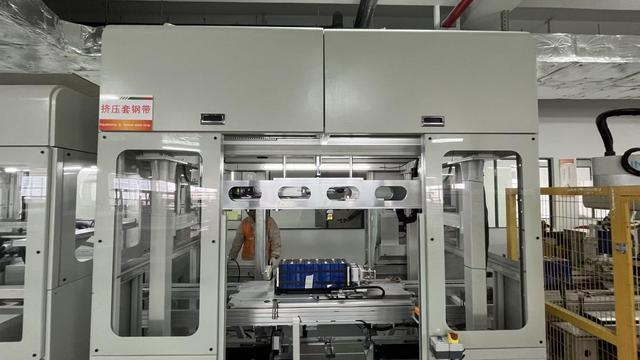
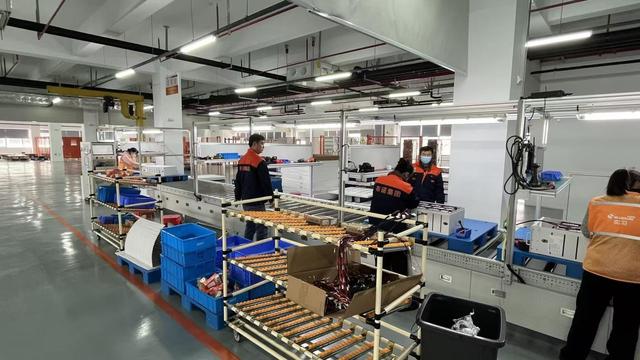

To better serve international customers, Halkirk Solar offers flexible OEM and ODM services for solar brands, distributors, EPC contractors, wholesalers, and project developers. Our experienced engineering and technical teams work closely with clients to deliver customized solar solutions tailored to specific project requirements, environmental conditions, local grid regulations, and branding needs. From custom frame designs and junction box configurations to tailored packaging styles, we ensure your specific procurement expectations are met with precision.
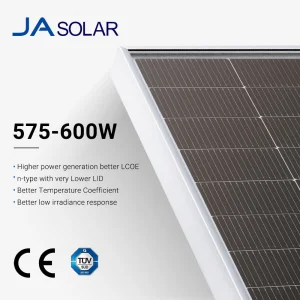
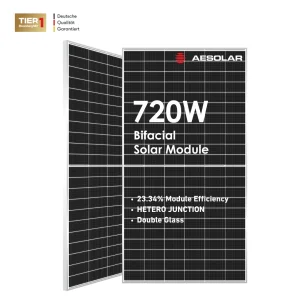
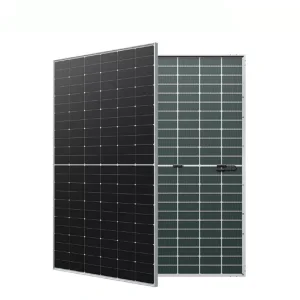
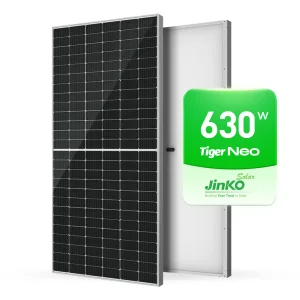
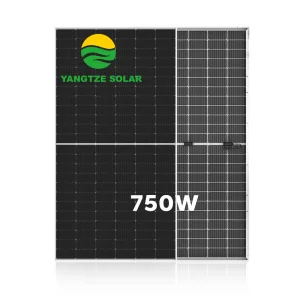
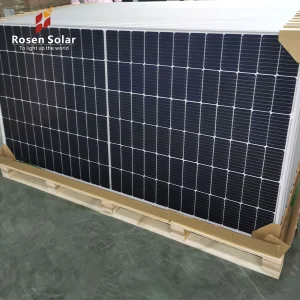
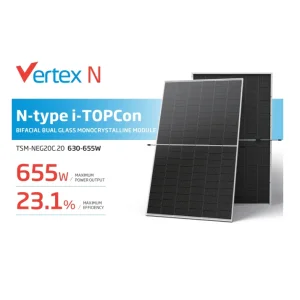
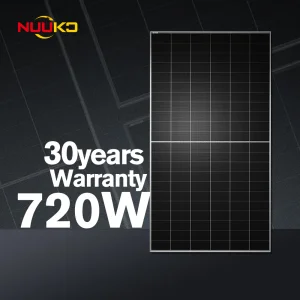
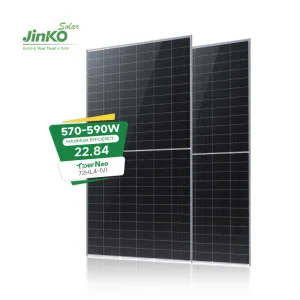
Explore our diverse portfolio of high-efficiency solar modules, optimized for residential rooftops and utility-scale installations.
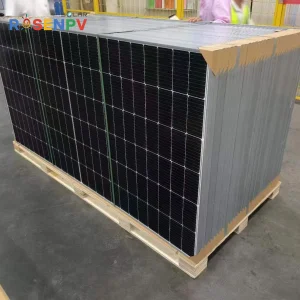
Deploying PV systems in Slovakia requires strict adherence to European regulations and local administrative guidelines. When sourcing HJT solar panels, EPC contractors and system operators must ensure compliance across three core domains:
1. Electrical Safety and International Standards: All modules sourced from Ningbo Halkirk Solar Co., Ltd. are certified by internationally accredited institutions including TÜV Rheinland, TÜV SÜD, and CE. This guarantees compliance with safety and construction protocols under standard IEC 61215 and IEC 61730 certifications, which are prerequisites for connection to the Slovak grid network operated by local regional distributors like SSD (Stredoslovenská distribučná), ZSD (Západoslovenská distribučná), and VSD (Východoslovenská distribučná).
2. ESG & Sustainability Compliance: Under the European Union's CSRD (Corporate Sustainability Reporting Directive), procurement managers are increasingly legally obligated to audit their supply chains. Halkirk Solar ensures full transparency in raw silicon sourcing, cell processing, and module assembly. By maintaining modern, energy-efficient automated manufacturing lines, we minimize the carbon footprint associated with our modules' embodied energy profile, positioning our panels favorably for EU-funded green subsidy applications.
3. Logistics, Warehousing, and Local Delivery: To mitigate international transport risks, we coordinate closely with major European logistics networks, leveraging regional warehouses to facilitate rapid, secure delivery directly to construction sites across Slovakia. We handle customs clearances and import documentation, allowing Slovak installers to focus on on-site civil works and commissioning schedules.
Explore deep technical and commercial insights regarding Heterojunction modules for industrial developers.
 Halkirk Solar