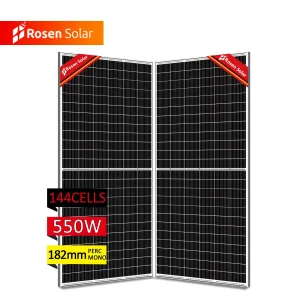
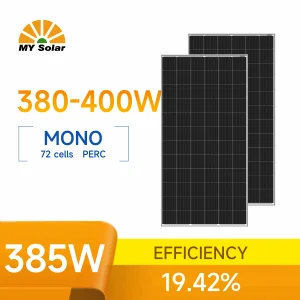
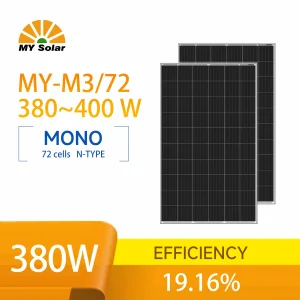
Azerbaijan is undergoing a structural energy transition, transforming from a traditional hydrocarbons leader to an Eastern European green power supplier. Backed by presidential decrees targeting 30% renewable capacity by 2030, the country is actively expanding its PV infrastructure. With vast dry flatlands in the Kur-Araz Lowland and intense coastal solar yields across the Absheron Peninsula, Azerbaijan offers premium solar radiation conditions of 1,500 to over 2,000 kWh/m² annually. This potential, combined with the strategic development of the Middle Corridor transit routes, positions the country as a major solar hub connecting Eastern Europe, Central Asia, and the Caspian region.
Strategic Market Outlook: Standardizing solar infrastructure in Azerbaijan requires robust technology that mitigates high summer ambient temperatures (frequently exceeding 40°C in inland regions) and heavy dust storms. The Levelized Cost of Energy (LCOE) must be meticulously optimized, which is why monocrystalline PERC (Passivated Emitter and Rear Cell) technology remains the leading utility-scale and commercial standard.
Ningbo Halkirk Solar Co., Ltd. provides advanced solar panel solutions that balance structural durability with outstanding efficiency. By combining cost-effective engineering with high efficiency, our PERC products offer local EPC contractors, state organizations, and commercial developers in Baku, Sumgait, and Nakhchivan a reliable, low-LCOE solution optimized for the region's dry, windy climate.
PERC technology enhances efficiency by adding a passivated emitter and rear cell structure. A dielectric passivation layer is integrated on the backside of the silicon cell, which reflects unabsorbed light back into the cell for a second absorption pass. This structure significantly increases long-wavelength absorption, enabling high energy yields even in low-light and diffuse twilight conditions, which are common during winter in northern Azerbaijan.
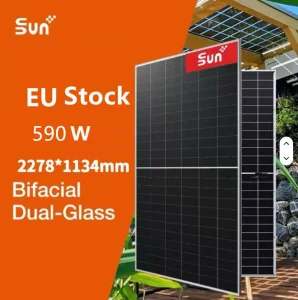
Our bifacial PERC modules feature a dual-glass configuration that captures reflected light from dry, sandy soils and light-colored rocky surfaces, generating up to 25% additional power from the rear side.
With a temperature coefficient of -0.35%/°C, our PERC panels minimize power degradation during extreme summer heatwaves in Azerbaijan compared to standard BSF modules.
Using premium silicon wafers doped with gallium, our manufacturing process reduces Light-Induced Degradation (LID), securing consistent power output over a 25-year operational lifetime.
| Module Metric | Ningbo Halkirk PERC Standard | Traditional Al-BSF Standard | Local Market Advantage |
|---|---|---|---|
| Cell Efficiency | 22.5% – 22.8% | 18.5% – 19.8% | Higher power output per square meter |
| Temp. Coefficient (Pmax) | -0.35% / °C | -0.41% / °C | Prevents yield loss in hot summer months |
| Bifaciality Factor | 70% ± 5% | N/A (Monofacial only) | Utilizes albedo reflection from rocky soils |
| Annual Degradation Year 2-25 | < 0.55% | < 0.70% | Ensures high long-term investment security |
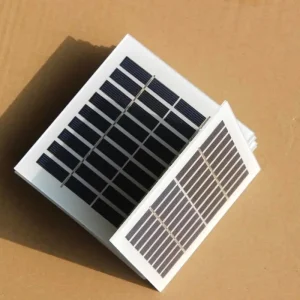
Solar projects require optimized component selections tailored to local geographic and environmental conditions. Our high-efficiency PERC modules are engineered to meet the unique challenges of Azerbaijan's diverse regions:
Coastal PV installations near Sumgait and Baku must withstand high wind loads and saline air. Our PERC modules feature anodized aluminum alloy frames and salt-mist corrosion resistance (IEC 61701 certified), protecting them from the humid, salt-heavy atmosphere of the Caspian Sea.
In arid regions like Nakhchivan and Central Aran, dry dust deposits can significantly reduce solar generation. Our modules use anti-reflective, high-transmission glass with a hydrophobic coating, minimizing dust adhesion and simplifying cleaning maintenance.
Supporting the government's smart village initiative, our PERC panels offer high power density, maximizing energy output in confined, space-restricted mountainous regions and rooftop arrays.
Securing reliable supply lines is essential for maintaining project timelines. Ningbo Halkirk Solar Co., Ltd. coordinates shipments directly from Ningbo Port via the Trans-Caspian International Transport Route (the Middle Corridor), delivering modules to the Port of Baku in Alat. This route minimizes transport delays, helping developers avoid project extensions.
Full Container Load (FCL) shipping handles heavy 40ft High Cube containers, protecting panels from transport shocks and moisture damage.
Our documentation matches local custom regulations and the State Agency on Alternative and Renewable Energy Sources standards, streamlining customs clearance.
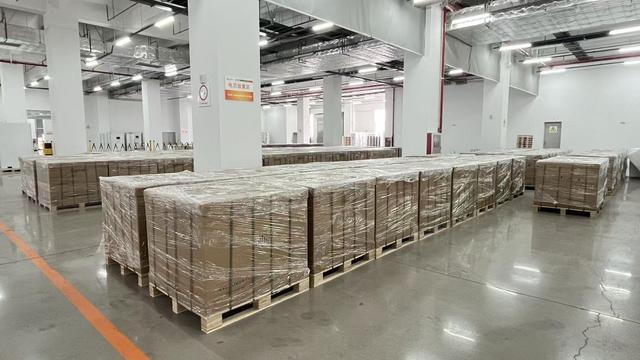
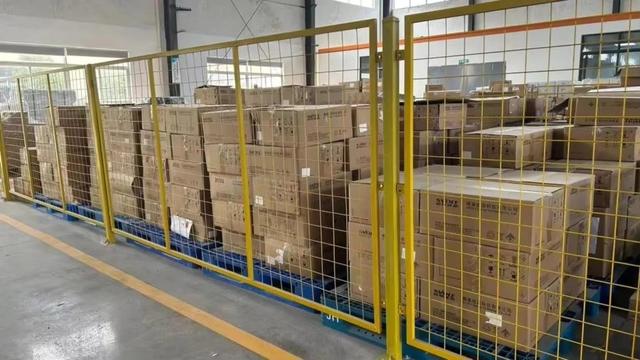
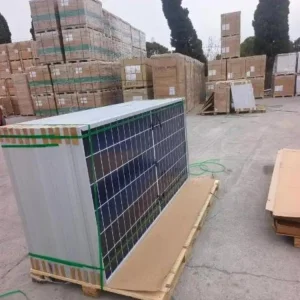
Panels are packaged using anti-collapse wooden boxes and vertical alignment supports, preventing microcracks during transit across sea and rail routes.
Ningbo Halkirk Solar Co., Ltd. is a manufacturer and global supplier of high-efficiency monocrystalline and bifacial solar modules. Strategically based in Ningbo, China, the company integrates advanced R&D, smart manufacturing, and comprehensive quality control to deliver durable PV products worldwide.
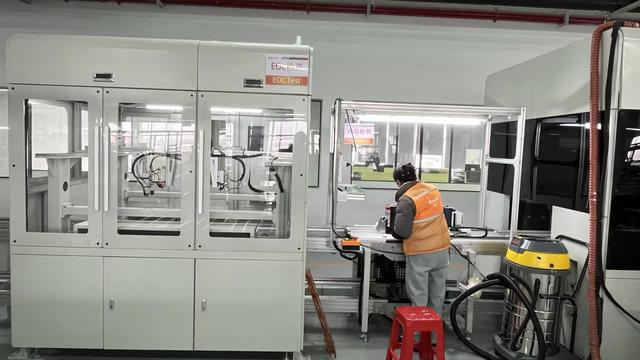
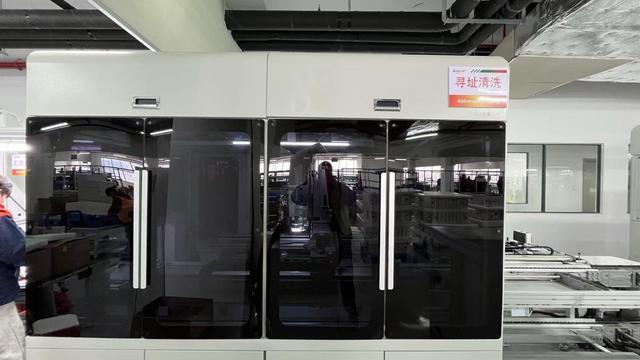
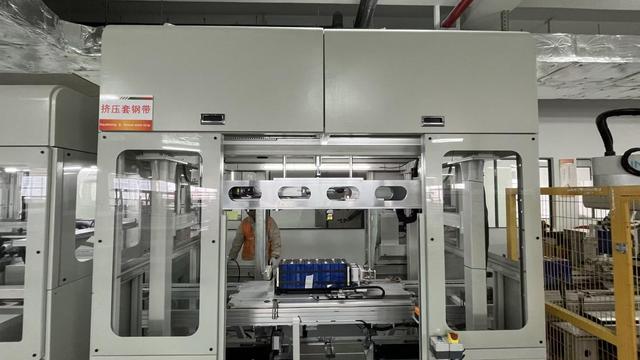
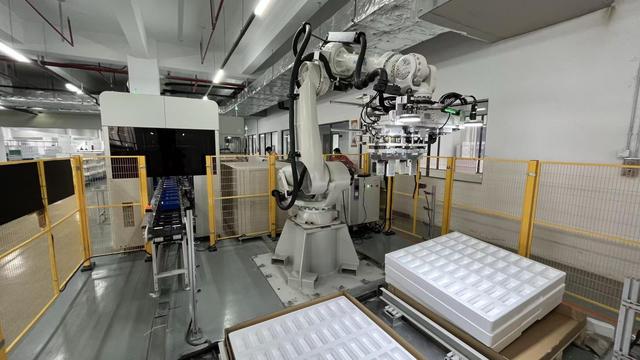
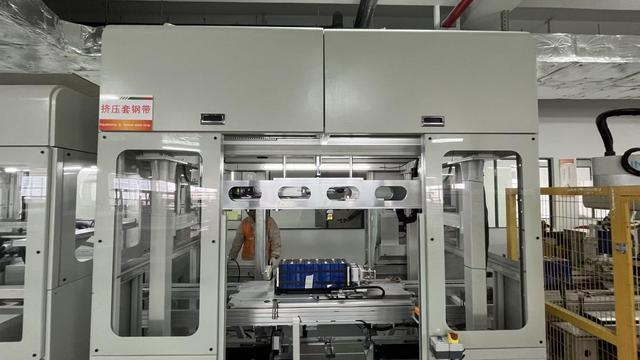
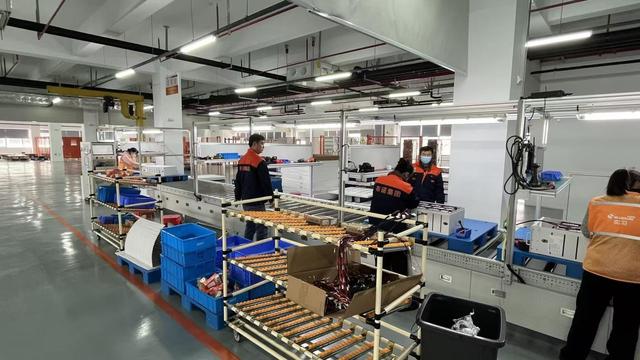
Our automated production facilities allow us to offer tailored OEM and ODM services for international solar brands, local distributors, EPC contractors, and project developers. By maintaining strict quality control systems, each module undergoes dual electroluminescence (EL) testing, flash testing, and mechanical load verification to ensure consistent long-term performance.
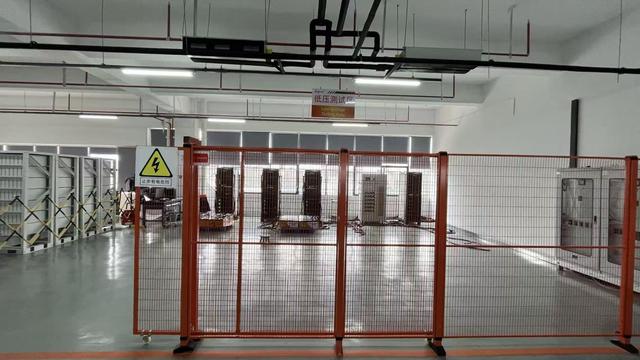
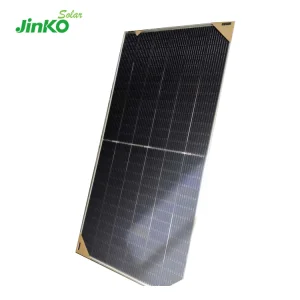
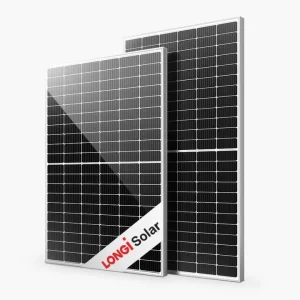
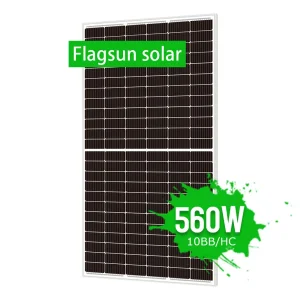
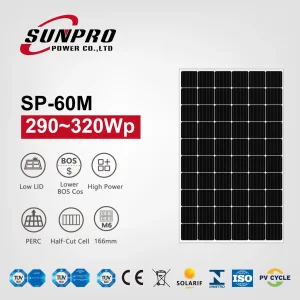
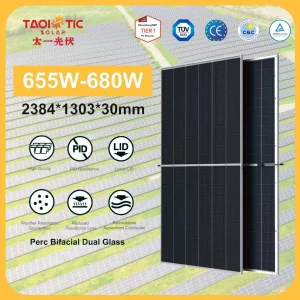
Our PERC (Passivated Emitter and Rear Cell) panels are engineered with an optimized temperature coefficient of -0.35%/°C. Unlike standard panels that experience significant output drops as temperatures exceed 40°C in inland regions like the Kur-Araz lowland, our modules maintain higher efficiency. Additionally, their enhanced rear passivation layer reflects long-wavelength light, reducing heat absorption inside the cell and improving overall stability.
Bifacial solar panels feature dual-glass encapsulation, allowing them to capture reflected light from the ground (albedo). In regions like Nakhchivan and the Absheron Peninsula, where dry, sandy, or rocky terrains have high reflectivity, our bifacial modules can achieve an additional 10% to 25% energy yield from the rear side, significantly lowering the overall Levelized Cost of Energy (LCOE).
We pack our solar modules in reinforced wooden crates with integrated shock protection to withstand transit via the Trans-Caspian International Transport Route. We handle all shipping details up to the Port of Baku (Alat), ensuring that developers receive products on time and free of microcracks.
Yes. Our modules are CE certified and fully compliant with IEC 61215 and IEC 61730 international standards, which are recognized by the Azerbaijan Standardization Agency (Azstand), Azeryenerji, and Azerishiq. We also provide complete electrical data files (PAN files) to support grid connection modeling.
 Halkirk Solar