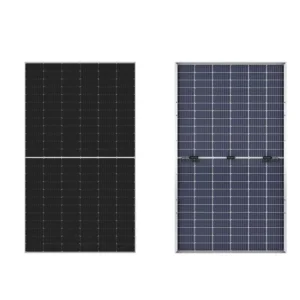
Engineered to comply with local AS/NZS regulations for structural integrity, extreme wind load pressures, and marine environment salt-spray resilience.
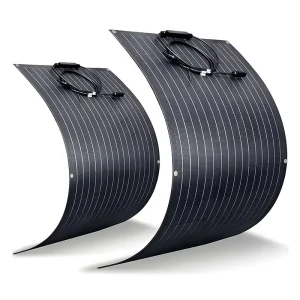
Analyzing Localized Microclimate Challenges, Global Supply Chains, and the Structural Physics of Building-Integrated Photovoltaics (BIPV).
Melbourne, the capital of Victoria, operates under a demanding set of atmospheric conditions defined by rapid weather shifts ("four seasons in one day") and localized microclimates. From coastal salt spray in Geelong and Frankston to severe inland thermal variances in Campbellfield and Dandenong, commercial solar rooftop projects must withstand highly specific structural and environmental stresses.
Architects, electrical engineers, and commercial property developers in Victoria face strict statutory compliance, notably AS/NZS 1170.2 (Structural Design Actions for Wind Loads) and the Clean Energy Council (CEC) certifications. Melbourne experiences intense wind gusts that create high aerodynamic uplift forces on flat industrial steel-clad roofs (e.g., LYSAGHT KLIP-LOK® profiles). Consequently, solar module frames, glass thickness, and clamping engineering must be specified with a minimum downward design load capacity of 5400 Pa and a wind uplift rating of 2400 Pa.
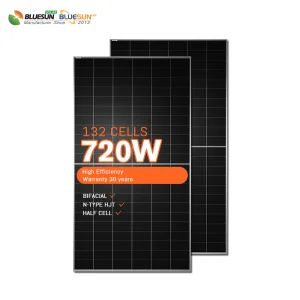
Furthermore, Melbourne's average annual solar exposure ranges from 14 to 15 MJ/m² per day. To maximize yield under persistent cloud cover (especially during the southern winter), solar systems must deploy modules that exhibit superior low-light (irradiance) performance. This is why commercial engineering specifications are rapidly transitioning away from standard P-type PERC technology toward N-type TOPCon (Tunnel Oxide Passivated Contact) and HJT (Heterojunction Technology) cell designs, which offer a lower temperature coefficient of -0.30%/°C and virtually zero Light-Induced Degradation (LID).
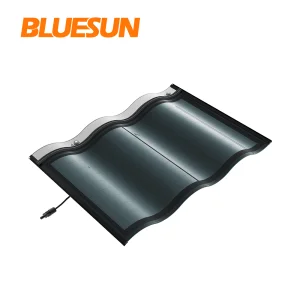
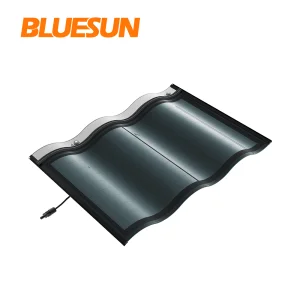
Globally, the photovoltaic market is experiencing a profound transition from basic utility-scale solar farms to sophisticated Building-Integrated Photovoltaics (BIPV). Globally, metropolitan centers are enforcing net-zero building regulations, prompting modern commercial builds to move beyond bolt-on solar panels. BIPV solutions like double-glass solar roof tiles function simultaneously as structural roofing membranes and active clean energy generators.
Bifacial solar technology has also become a standard requirement. By capturing reflected light (albedo) from the roof surface, bifacial modules can boost energy yields by 10% to 30%. On light-colored reflective membrane roofs (such as TPO or high-albedo concrete roofs common in modern Melbourne warehouse developments), bifacial modules deliver optimized Levelized Cost of Energy (LCOE), dramatically shortening the return on investment (ROI) timeline for institutional owners.
Ningbo Halkirk Solar Co., Ltd. sits at the center of the global PV supply chain. Centered in the advanced industrial zone of Ningbo, China, our manufacturing facilities operate close to the Ningbo-Zhoushan Port—the world's busiest port by cargo tonnage. This location minimizes transport time and land logistics costs, enabling seamless container shipments directly to the Port of Melbourne.
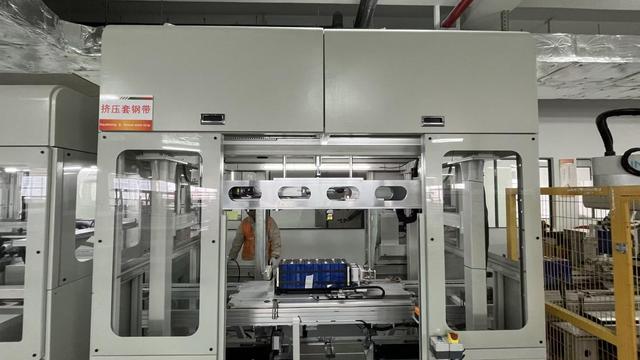
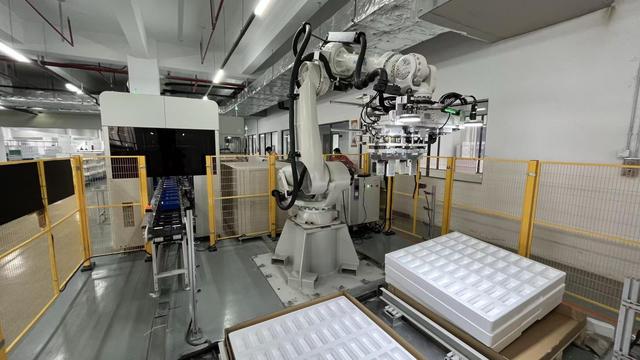
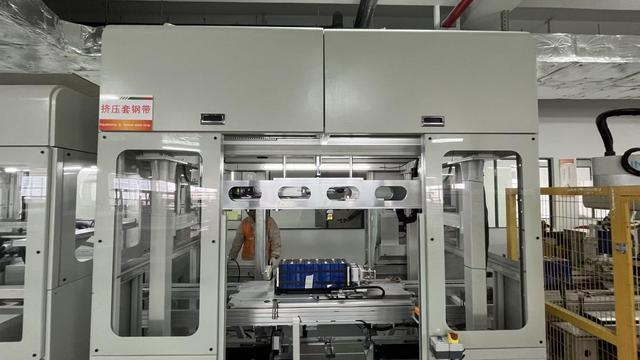
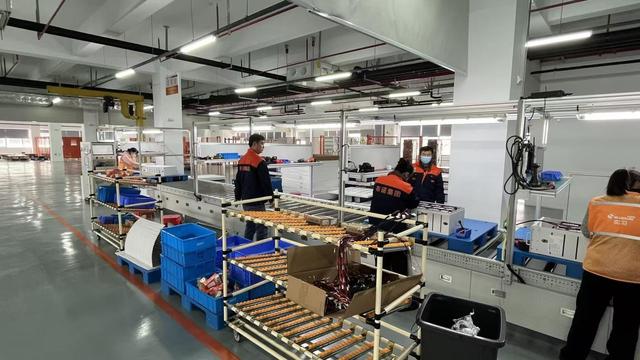
The efficiency of our China-based automated gigafactory is built on advanced manufacturing processes:
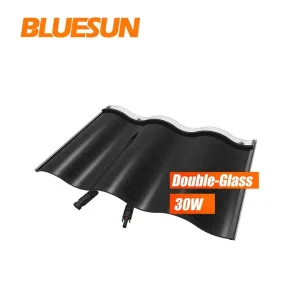
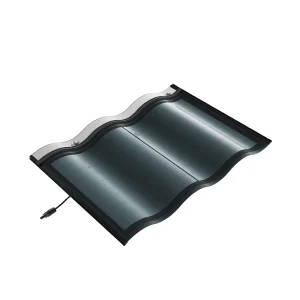
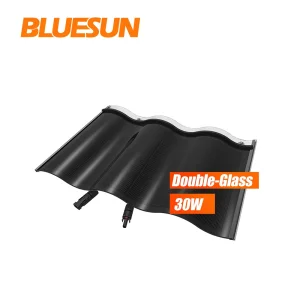
In Melbourne's established suburbs (such as Toorak, Brighton, and Kew), historic preservation and clean aesthetics make standard racking systems problematic. BIPV solar tiles offer an elegant alternative. By replacing slate, clay, or concrete tiles with dual-glass monocrystalline solar tiles, homeowners achieve energy independence without altering their property's architectural profile. Our double-glass solar tiles are engineered to standard roofing dimensions, integrating directly with existing guttering and flashing profiles.
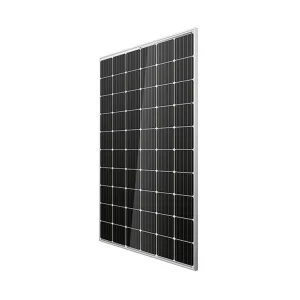
On the commercial front, Melbourne's vast outer-east and western industrial developments feature large-span distribution centers. These buildings are ideal candidates for our high-capacity 550W to 700W TOPCon mono modules. These panels offer lower installation labor costs per watt, optimize DC-to-AC ratios on high-power commercial inverters, and work seamlessly with modern smart microinverters and battery storage setups.
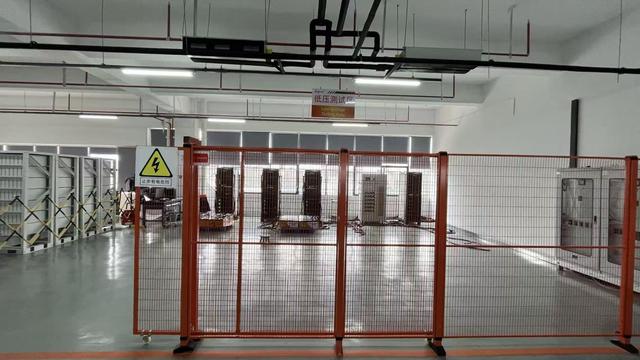
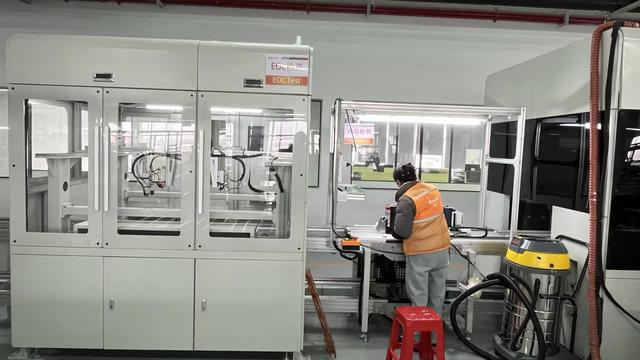
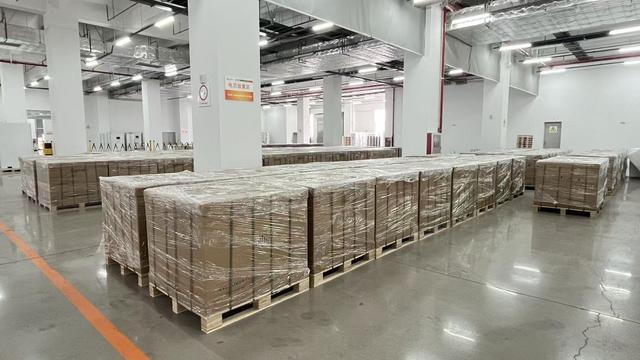
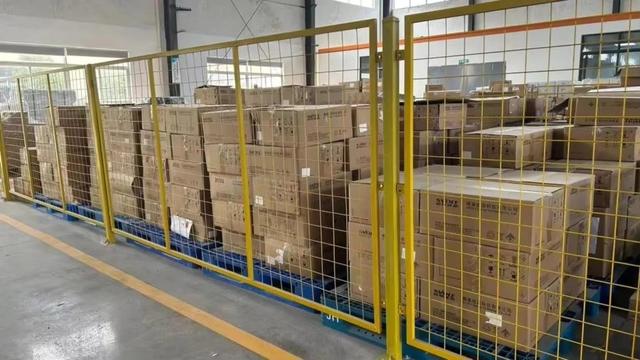
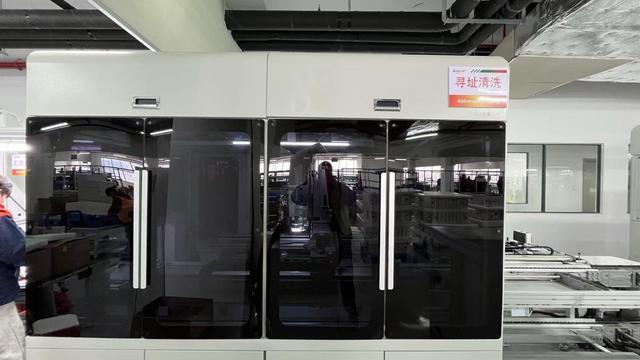
Visual quality assurance, automated production lines, and high-capacity loading docks delivering Tier-1 class photovoltaic modules to Melbourne importers.
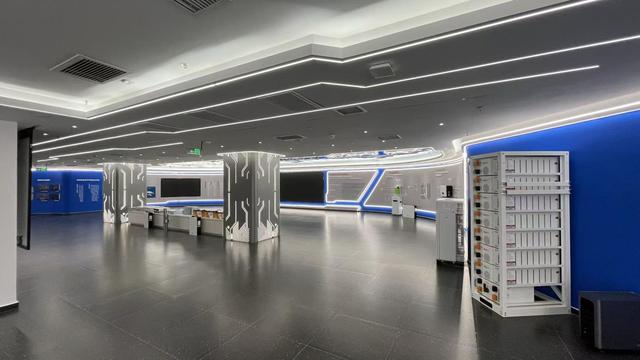
Ningbo Halkirk Solar Co., Ltd. is a professional China solar panel manufacturer and monocrystalline & bifacial solar module supplier, dedicated to delivering high-efficiency renewable energy solutions to customers worldwide. Located in Ningbo, China, the company integrates research and development, manufacturing, quality control, and global sales to provide reliable solar products for residential, commercial, industrial, and utility-scale applications.
Halkirk Solar specializes in the production of monocrystalline solar panels, bifacial solar modules, TOPCon solar panels, N-type solar modules, off-grid solar solutions, on-grid solar systems, and customized photovoltaic products. Leveraging advanced cell technology and intelligent manufacturing processes, our products are designed to maximize energy output, improve conversion efficiency, and ensure long-term performance in diverse environmental conditions.
Our modern manufacturing facility is equipped with automated production lines, precision testing equipment, and strict quality management systems. Every solar module undergoes comprehensive inspections and performance testing to guarantee superior reliability, durability, and compliance with international standards. We are committed to providing products that meet the evolving demands of the global renewable energy market.
To better serve international customers, Halkirk Solar offers flexible OEM and ODM services for solar brands, distributors, EPC contractors, wholesalers, and project developers. Our experienced engineering and technical teams work closely with clients to deliver customized solar solutions tailored to specific project requirements, market demands, and branding needs.
Driven by innovation, sustainability, and customer satisfaction, Ningbo Halkirk Solar Co., Ltd. continues to expand its presence in global markets. We strive to become a trusted partner in the photovoltaic industry by providing high-quality solar modules and comprehensive clean energy solutions that contribute to a greener and more sustainable future.
| Performance Metric | Ningbo Halkirk N-Type TOPCon | Standard P-Type PERC | Impact on Melbourne Projects |
|---|---|---|---|
| Cell Efficiency Limit | 28.7% (Commercial production: 22.5%+) | 24.5% (Commercial production: 21.0%) | Increases capacity by 8-10% within the same footprint. |
| Bifaciality Factor | 80% - 85% | 65% - 70% | Higher energy harvest from reflective concrete and flat roofs. |
| Temperature Coefficient | -0.30% / °C | -0.35% / °C | More stable performance on hot summer days in northern Melbourne. |
| First Year Degradation | < 1.0% | < 2.0% | Higher long-term yield and more secure project financing. |
| Annual Linear Degradation | 0.40% over 30 Years | 0.55% over 25 Years | Guarantees stable performance over a 30-year operational lifespan. |
Explore our complete catalog of high-efficiency modules, premium double-glass solar tiles, and specialized roofing accessories built for global developers.
Technical clarifications, compliance standards, and logistics details for Melbourne solar project coordinators and wholesale procurement managers.
Yes. Our PV products are manufactured to meet global testing standards. For Victorian systems, we provide modules certified to IEC 61215 and IEC 61730 standards. These are listed on the Clean Energy Council (CEC) approved PV modules database, enabling projects to secure Small-scale Technology Certificates (STCs) or Large-scale Generation Certificates (LGCs) under Australia's renewable energy framework.
Our BIPV solar roof tiles feature a double-glass laminated configuration. This design provides structural protection, enabling them to meet AS/NZS 1170.2 requirements. Interlocking tile mounts offer watertight performance, preventing water ingress even during storm conditions that affect standard tile roofs.
Standard sea freight transit times from Ningbo-Zhoushan Port to the Port of Melbourne range between 18 to 22 days. When factoring in order processing, factory production runs, port delivery, and customs clearance, we recommend planning for an overall window of 6 to 8 weeks from final production sign-off to delivery at your Melbourne warehouse.
N-type TOPCon cells use a thin passivated tunnel oxide layer to reduce internal carrier recombination. This design delivers higher efficiency under diffuse light conditions, such as winter overcast days in Melbourne, compared to traditional P-type panels. TOPCon also has a lower annual degradation rate, preserving output over time.
Yes. We specialize in custom OEM and ODM services. For large commercial profiles or specific architectural mandates, we can customize glass colors, dimensions, frame colors, cell configurations, and cable lengths to match your structural design requirements.
Our double-glass modules feature a 30-year linear performance warranty. Output is guaranteed to remain at or above 87.4% of original nominal capacity by year 30. Standard systems also include a 15-year materials and workmanship warranty.
Yes, our modules are certified under IEC 61701 for salt mist corrosion resistance. This testing makes them suitable for installation in coastal environments where ocean salt spray is common.
To get a customized quote for your project, click the "Send Inquiry Now" button to access our contact form. Please provide your system sizing, bill of materials, delivery address, and import schedule, and our engineering team will assist you.
Partner with Ningbo Halkirk Solar Co., Ltd. for direct-from-factory pricing, custom OEM solutions, and certified high-efficiency PV panels built for Australia.
Send Inquiry Now Halkirk Solar