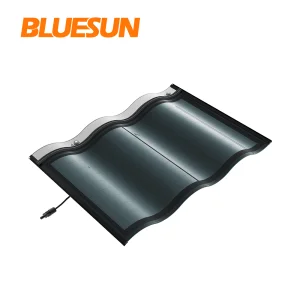
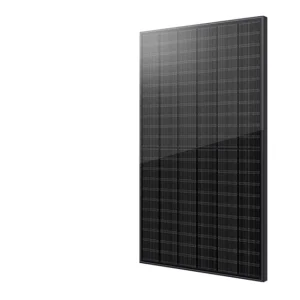
Engineered to adapt to diverse structural forms—from heritage roofs in Salzburg to modern alpine structures.
Driven by the ambitious goals of the Austrian Renewable Energy Expansion Act (EAG), the nation aims to transition to 100% renewable electricity supply by 2030 and complete climate neutrality by 2040. Commercial and Industrial (C&I) sectors face double challenges: rising grid parity pressures and stringent land conservation laws that strictly regulate open-field photovoltaic arrays.
Consequently, the optimization of roof spaces on industrial warehouses, agricultural facilities, and public infrastructures in regions like Lower Austria, Styria, and Upper Austria has become the prime focal point of green development. Solar installations in Austria must cope with distinct localized challenges: steep alpine topographies, strict local municipal architectural codes, and intense winter snow loads.
As a global OEM/ODM manufacturer, Ningbo Halkirk Solar Co., Ltd. bridges this gap by delivering advanced solar modules built to handle extreme physical loads, supporting Austrian developers in achieving optimal Levelized Cost of Energy (LCOE) targets.
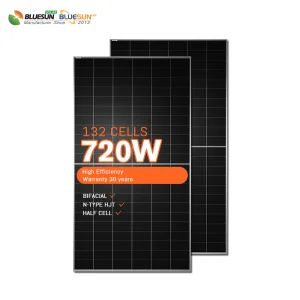
Combining structural safety with high-density N-Type cell configurations to deliver steady yields even in overcast or winter conditions.
Utilizes tunnel oxide passivating contacts to reduce recombination losses. This results in an industry-leading temperature coefficient of -0.30%/°C, significantly outperforming traditional PERC cells in hot summer conditions, and offering greater efficiency under weak light conditions during typical Austrian winter overcasts.
Austrian alpine locations experience extensive snow cover which serves as a highly reflective background (albedo effect). Our double-glass bifacial modules tap into this ground-reflected light, generating up to 25% additional power from the rear side, boosting total daily system yields during the winter months.
Replaces traditional plastic backsheets with high-tempered dual-glass sheets. This prevents moisture ingress, protects the silicon cells from high wind shear, acid rain, and micro-cracking caused by cyclic snow loading-deflection cycles, guaranteeing a 30-year operational life.
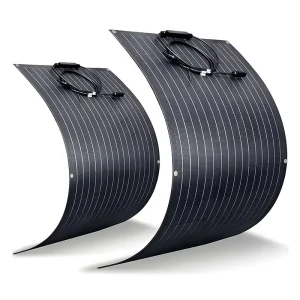
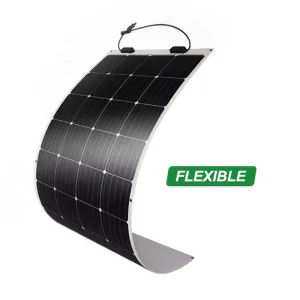
Specialized solar integrations designed for lightweight industrial sheets, non-traditional roof shapes, and independent alpine off-grid cabins.
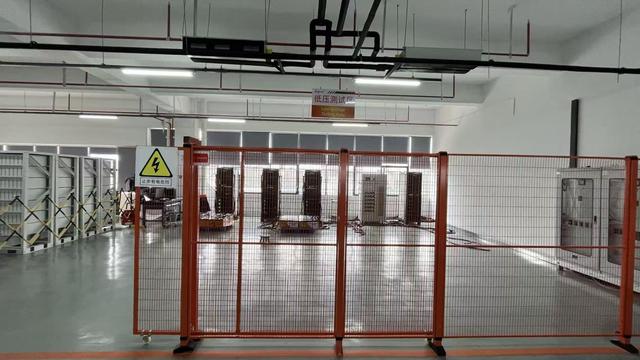
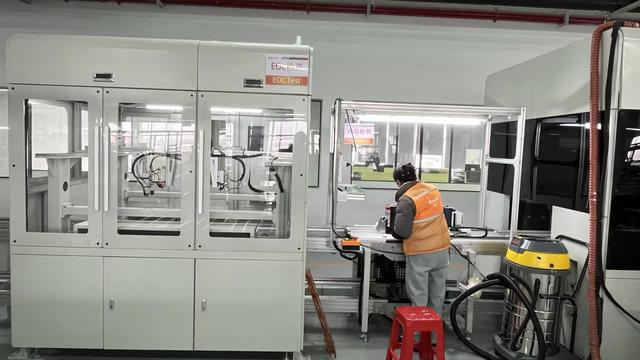
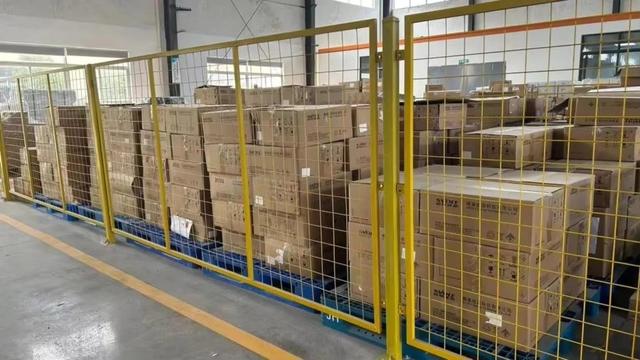
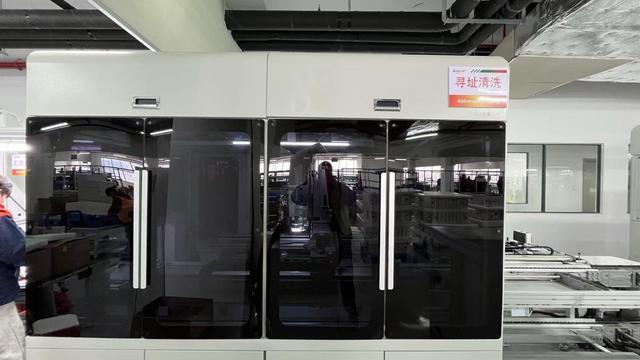
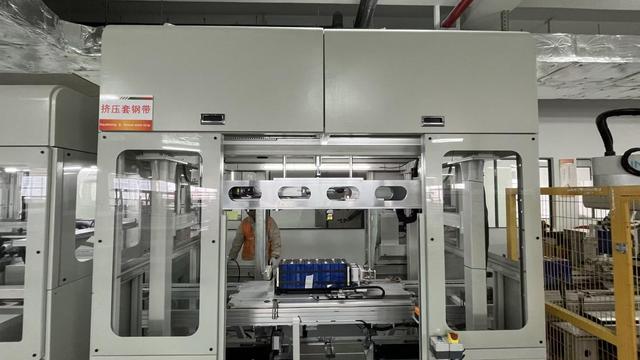
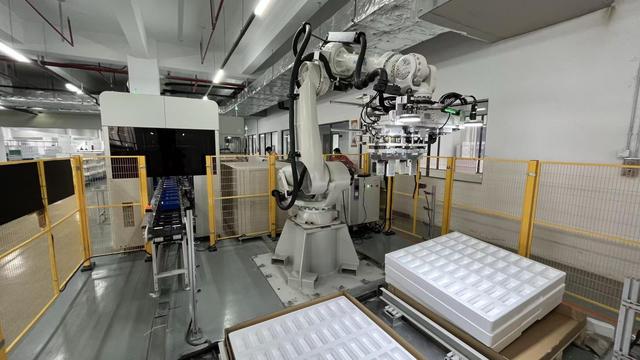
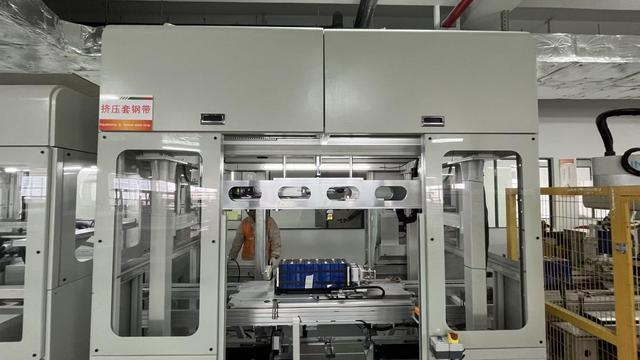
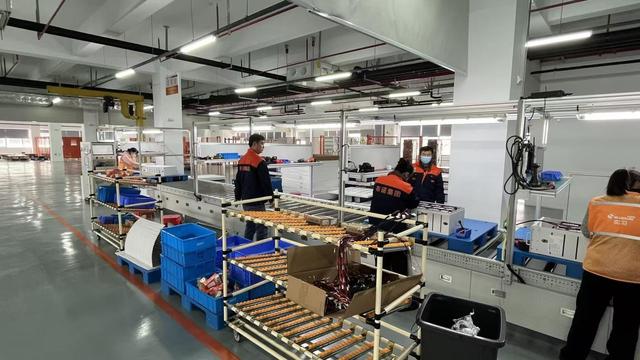
Ningbo Halkirk Solar Co., Ltd. operates a highly advanced, fully automated manufacturing facility located strategically in the industrial core of Ningbo, China. By deploying Industry 4.0 principles, we combine automated laser scribing, high-accuracy string lay-up, and computerized multi-busbar (MBB) soldering with rigorous, multi-stage inspection technologies.
To assure perfect product performance, every manufactured module passes through three separate Electroluminescence (EL) tests: post-soldering, post-lamination, and pre-final packaging. This triple-check process guarantees that micro-cracks, dark spots, or cell misalignments are identified and eliminated before the products leave our factory floor.
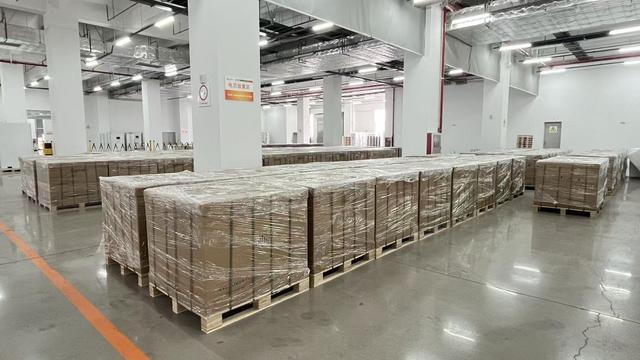
Operating near the Port of Ningbo provides us with unparalleled logistics advantages. We maintain stable, year-round access to global freight lanes, offering our Austrian clients rapid transit schedules, direct custom clearance coordination, and reduced shipping overheads. This raw materials-to-port integration ensures competitive unit prices and protects against supply chain volatility.
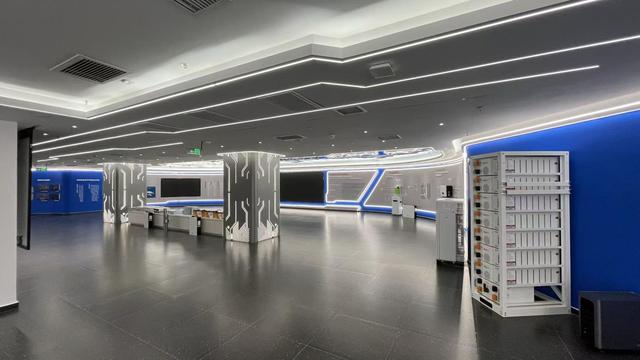
Our physical production lines in Ningbo are open to third-party audits and direct remote validation for large utility-scale bids in the European market.
Ensuring effortless project clearance and compliance with municipal and national technical directives.
Entering the Austrian solar market demands rigorous compliance with European safety rules and specific domestic grid-connection standards. All solar hardware exported by Ningbo Halkirk Solar to Austria is engineered and manufactured to conform to these localized frameworks:
| Regulation / Certificate | Austrian Target Application | Compliance Details & Engineering Specifications |
|---|---|---|
| OVE Directive R25 / EN 50549 | Grid Connection Approval | Ensures inverters and modules conform to domestic grid stability, low-voltage ride-through (LVRT) support, and frequency deviation margins. |
| CE / EN 61215 Series | Standard Structural Safety | Certified performance under thermal cycling, damp-heat exposure, mechanical stress testing, and outdoor exposure limits. |
| IEC 61730 Class A | Fire and Electrical Safety | Guarantees low flame-spread indices, high electrical insulation thresholds up to 1500V DC system installations. |
| Alpine Snow-Load Standard | Physical Load Resistance | Structural calculations certified for 5400 Pa downward load, supporting dense snowfall in Vorarlberg, Tyrol, and Salzburg. |
A broad array of double-glass panels and building-integrated PV options designed to meet diverse architectural and energy goals.
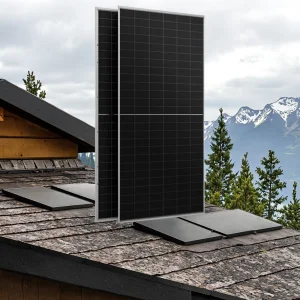
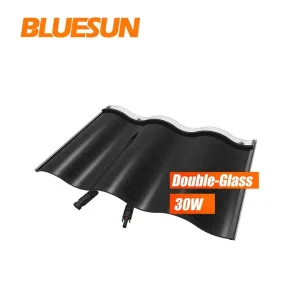
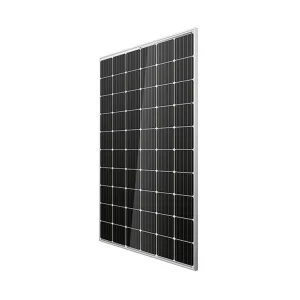
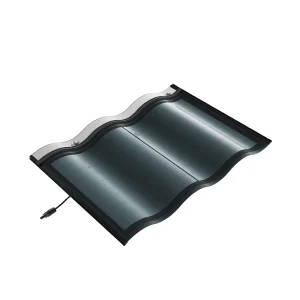
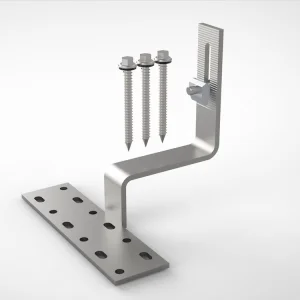
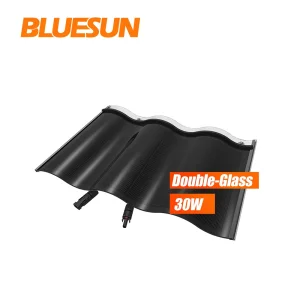
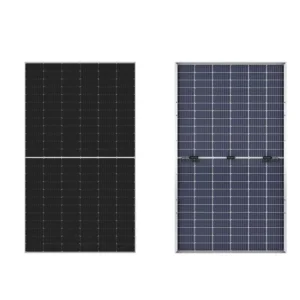
Large C&I warehouses present massive energy potentials. However, structural and weight load restrictions often limit traditional solar panel applications.
Preserving the historical aesthetic of historic towns in Lower Austria and Tyrol is highly valued. Architectural Building-Integrated PV (BIPV) offers a clean solution.
Key indicators for project developers, EPC contractors, and international solar importers sourcing high-efficiency modules.
Ningbo Halkirk Solar offers customized solar configurations (dimensions, backsheets, junction box lengths, customized framing styles) to meet specific local project requirements.
High conversion efficiencies up to 22.8% translate to higher kilowatt-hour output per square meter, directly shortening the amortization period for Austrian commercial businesses.
Shipments from Ningbo Port are protected in high-strength packing cases, minimizing micro-cracking risks during transit to European distribution hubs.
Addressing core technical questions from Austrian architects, commercial installers, and project engineers.
Connect directly with our technical support team in Ningbo for structural calculations, compliance reports, and container-level pricing schedules.
Send Inquiry Now Halkirk Solar