China Best Solar Project Development Suppliers & Exporters

Empowering Global Utility-Scale & Commercial De-carbonization through High-Efficiency PV Modules, Intelligent Manufacturing, and Reliable Supply Chain Engineering.

Premium Solar PV Modules & Systems (Segment A)

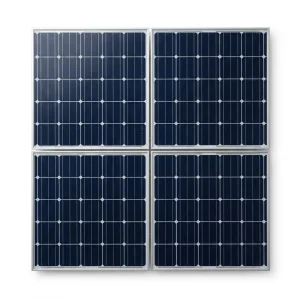
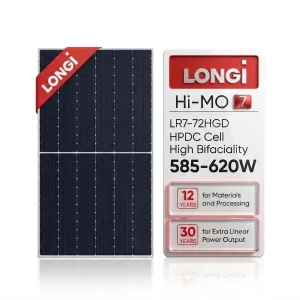
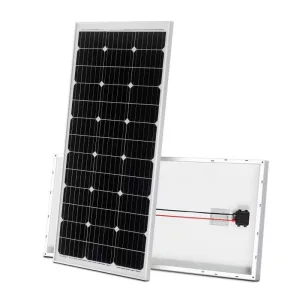
620W HPDC Bifacial IBC PERC Solar Panel
For Photovoltaic Module 620W HPDC Bifacial IBC PERC All Black Solar Panel 23.0% Max Efficiency High-Capacity Utility Scale
Explore Specifications
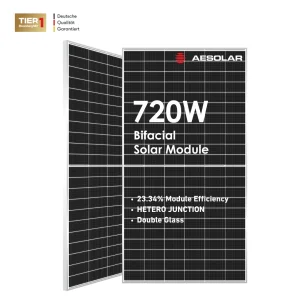
AE Solar 720W Bifacial HJT Module
AE Solar 720W BIFACIAL Double Glass - N-TYPE HJT Solar Module 132 Half-Cut Cells | 210mm Silver Frame Tier1 Solar Panel
Explore Specifications
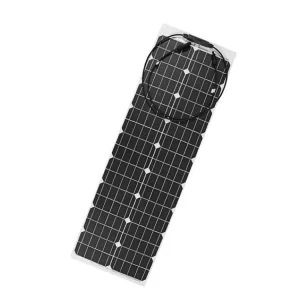
Flexible 60W Thin Film Rollable Panel
Flexible Solar Panel Panels Flexible 60w Solar Panel HOT SALE 60W Thin Film Etfe Flexible Solar Panel Flexible Rollable
Explore Specifications
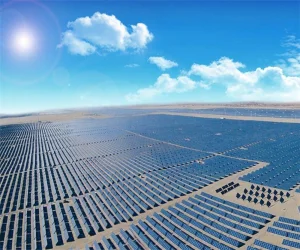
5MW Grid Industrial Utility PV System
5mw on Grid Industrial Utility Scale Solar Pv System
Explore Specifications
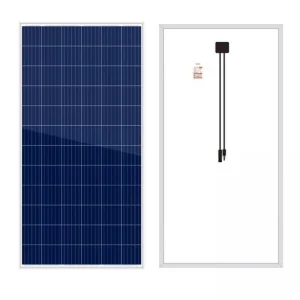
Double Glass Solar Panel 550W
Solar Panel Solar Cell 144 Mono Half Cut 530W 535W 540W 545W 550W Solar Double Glass
Explore Specifications
Jinko 620W Bifacial Solar Panel
Jinko 620w Solar Panel Bifacial Solar Power Panel 700w 720w Mono Monocrystalline PV Modules for House
Explore Specifications
Jinko N Type 580W Solar Panels
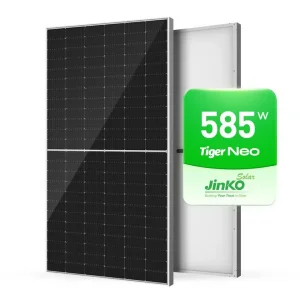
Jinko N Type Black Frame 565W 570W 575W 580 W Neo Solar Panels EU Stock for Home and Commercial Use
Explore Specifications
300W Flexible Solar Panels
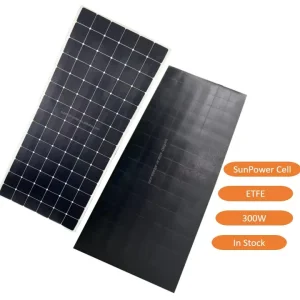
Factory Supply Panneau Solaire Flexible De 300w 290W Flexible Solar Panels 48.7V Stock for Fast Shipping
Explore Specifications

Global Solar Project Development: Structural Shifts & Technological Frontiers

Unlocking sustainable value and reducing the Levelized Cost of Energy (LCOE) across international energy grids.

The global solar energy paradigm is transitioning from subsidy-driven capacity addition to highly competitive merchant and PPA (Power Purchase Agreement) market dynamics. Solar project developers worldwide now face complex challenges: balancing initial capital expenditure (CAPEX) with long-term operational efficiency (OPEX), meeting strict grid compliance requirements, and mitigating supply chain uncertainties.

Technological advancement is the primary lever to resolve these tensions. The emergence of high-capacity modules exceeding 600W and 700W has revolutionized project balance of system (BOS) economics. By integrating higher wattage modules, projects require fewer mounting systems, less cabling, smaller land envelopes, and reduced labor, translating directly to a lowered LCOE.

Furthermore, energy storage pairing (PV + ESS) has transitioned from a niche premium solution to a baseline requirement in many jurisdictions. As grid networks face curtailment challenges and high penetration volatility, manufacturers must design modules that work synergistically with modern string inverters and centralized battery systems to deliver stable power dispatchability.

Performance & Scale Indicators

Key milestones and performance metrics defining modern utility and C&I project development globally.

23.0% Peak Efficiency
720W Max Module Output
N-Type Dominant tech
85% Bifaciality Factor

The Next-Generation PV Cell Technology Paradigms

Deciphering N-Type TOPCon, HJT, and IBC cell architectures to optimize project returns.

TOPCon (Tunnel Oxide Passivated Contact)

N-type TOPCon technology has become the industry standard for high-performance projects. Utilizing an ultra-thin silicon oxide layer combined with highly doped polycrystalline silicon, TOPCon cells exhibit a lower temperature coefficient (-0.30%/°C) and zero Light Induced Degradation (LID). This architecture delivers high bifaciality, yielding up to 10% more energy in high-albedo environments compared to legacy PERC modules.

HJT (Heterojunction Technology)

HJT modules integrate crystalline silicon with thin-film amorphous silicon layers. HJT features a low temperature coefficient of -0.26%/°C and an outstanding bifaciality factor exceeding 85%. Additionally, HJT's symmetrical structure eliminates polarization degradation and simplifies manufacturing steps, providing stable energy output over a 30-year lifecycle.

IBC (Interdigitated Back Contact)

By moving all grid electrodes to the rear side of the cell, IBC panels eliminate front-surface shading. This results in high conversion efficiency of up to 23.0%+ and clean aesthetics. IBC is highly suited for residential installations, architectural BIPV, and premium commercial rooftops where energy density and visual design are critical.

China's Factory 4.0: Supply Chain Resilience & Quality Control

How vertically integrated manufacturing and advanced automation deliver reliability to international developers.

The Power of Vertical Integration & Logistics Hubs

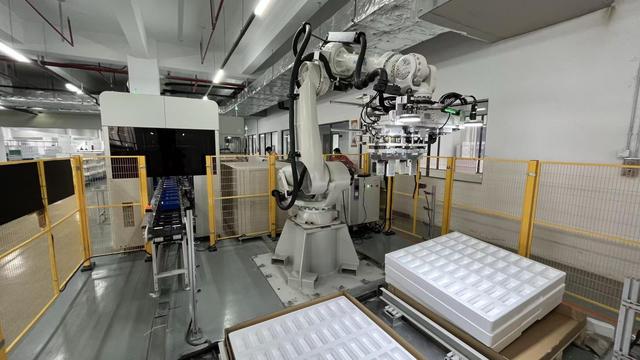
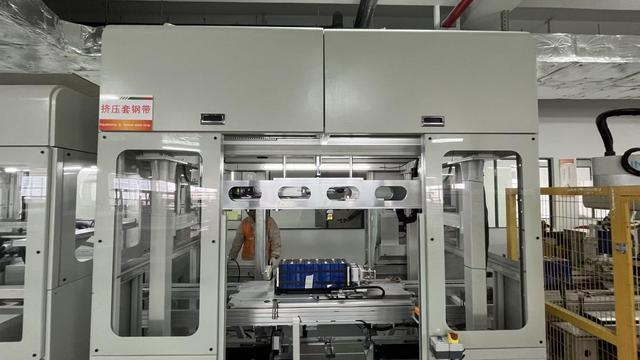
Chinese solar manufacturing has transitioned to "Factory 4.0" operations, which feature automated material handling, inline EL (Electroluminescence) testing, and machine-learning-driven quality control. These developments ensure consistent quality across gigawatt-scale production runs.

Through automation, critical parameters such as busbar alignment, lamination temperature, and junction box adhesion are continuously monitored. This level of precision minimizes micro-cracks, hot spots, and early module degradation, helping modules perform reliably in challenging climates.

Additionally, Ningbo's location as a major global shipping hub streamlines supply chain logistics. Proximity to raw materials and direct access to port infrastructure reduce transit times and shipping costs, helping global developers meet strict project construction timelines.

Rigorous Testing Protocols Applied to Export Modules:

  • Dynamic Mechanical Load Testing: Confirms structural integrity under high wind and snow loads.
  • Dual-Stage EL Inspections: Done pre- and post-lamination to prevent micro-cracks from leaving the factory floor.
  • TUV & IEC Conformity: Verifies insulation resistance, wet leakage currents, and bypass diode reliability.
  • PID Resistance Verification: Modules undergo strict testing (85°C, 85% RH for 96 hours) to prevent Potential Induced Degradation.

Localized Application Scenarios: Engineering for Diverse Terrains

Adapting PV module technology to perform in various climates, from arid deserts to high-latitude installations.

Utility-Scale Drylands & Deserts

High temperatures and dust storms require modules with low temperature coefficients and durable encapsulation. Bifacial double-glass modules leverage ground albedo reflectivity to boost yield, while specialized anti-soiling coatings reduce dirt accumulation and cleaning frequency.

Coastal, Offshore & Floating PV

Water-borne arrays require resistance to PID, salt mist, and high relative humidity. POE (Polyolefin Elastomer) encapsulation materials provide water-barrier properties, preventing vapor penetration and maintaining long-term grid safety.

Commercial & Industrial (C&I) Rooftops

Rooftop systems often face limited space and load restrictions. Light-weight, high-efficiency panels (such as IBC or all-black configurations) maximize energy density while integrating safety features like rapid shutdown systems and arc fault protection.

Ningbo Halkirk Solar Co., Ltd.

Your Integrated Manufacturer of Monocrystalline, Bifacial, and N-Type TOPCon Photovoltaic Solutions.

Ningbo Halkirk Solar Co., Ltd. is a professional China solar panel manufacturer and monocrystalline & bifacial solar module supplier, dedicated to delivering high-efficiency renewable energy solutions to customers worldwide. Located in Ningbo, China, the company integrates research and development, manufacturing, quality control, and global sales to provide reliable solar products for residential, commercial, industrial, and utility-scale applications.

Halkirk Solar specializes in the production of monocrystalline solar panels, bifacial solar modules, TOPCon solar panels, N-type solar modules, off-grid solar solutions, on-grid solar systems, and customized photovoltaic products. Leveraging advanced cell technology and intelligent manufacturing processes, our products are designed to maximize energy output, improve conversion efficiency, and ensure long-term performance in diverse environmental conditions.

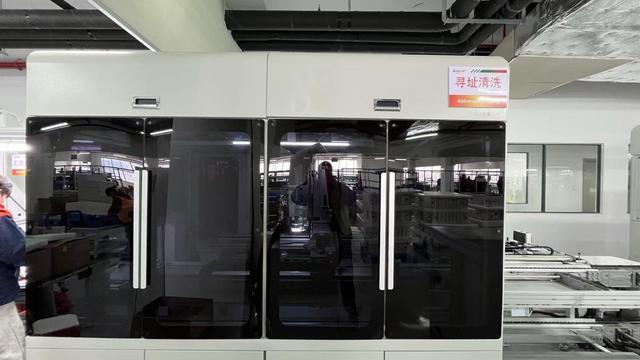
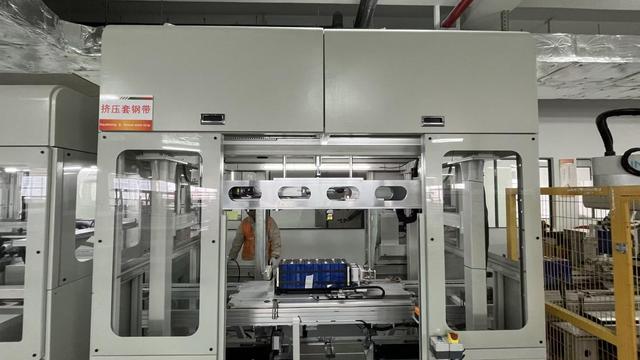
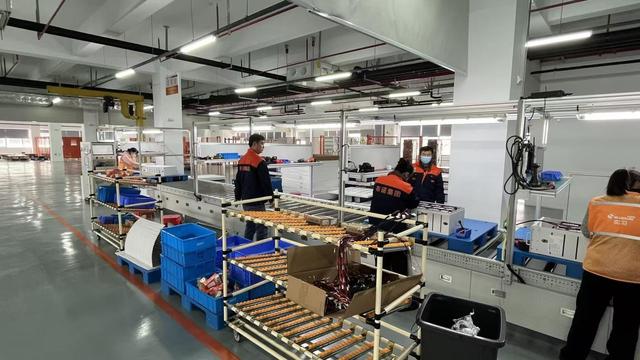
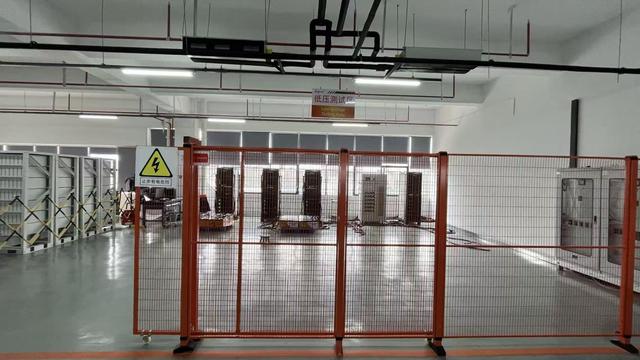
Our modern manufacturing facility is equipped with automated production lines, precision testing equipment, and strict quality management systems. Every solar module undergoes comprehensive inspections and performance testing to guarantee superior reliability, durability, and compliance with international standards. We are committed to providing products that meet the evolving demands of the global renewable energy market.

To better serve international customers, Halkirk Solar offers flexible OEM and ODM services for solar brands, distributors, EPC contractors, wholesalers, and project developers. Our experienced engineering and technical teams work closely with clients to deliver customized solar solutions tailored to specific project requirements, market demands, and branding needs.

Driven by innovation, sustainability, and customer satisfaction, Ningbo Halkirk Solar Co., Ltd. continues to expand its presence in global markets. We strive to become a trusted partner in the photovoltaic industry by providing high-quality solar modules and comprehensive clean energy solutions that contribute to a greener and more sustainable future.
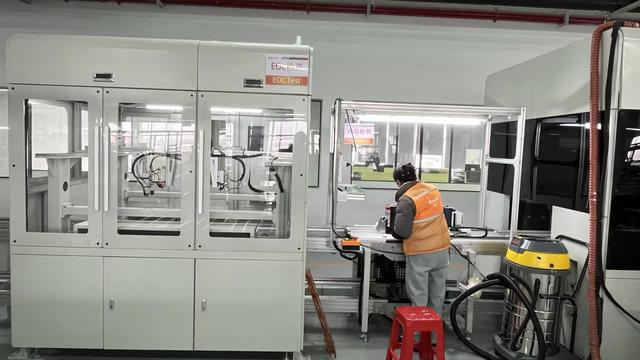
Ningbo Halkirk Production Operations 1
Ningbo Halkirk Production Operations 2
Ningbo Halkirk Automated Laminating Inspection
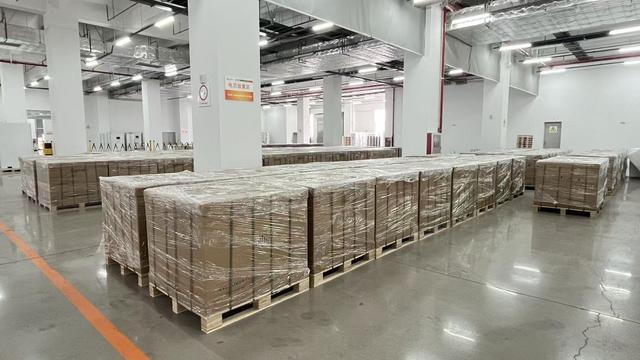
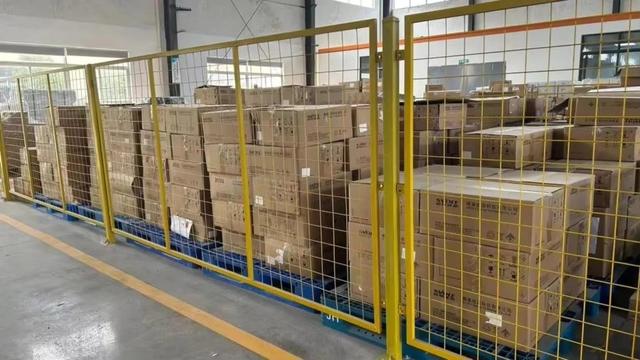
Ningbo Halkirk Warehousing Logistics
Ningbo Halkirk EL Testing Station
Ningbo Halkirk QC Laboratory Testing
Ningbo Halkirk Solar Cell Assembly
Ningbo Halkirk Raw Material Verification
Ningbo Halkirk Finished Panel Palletizing
Ningbo Halkirk Custom Project Shipping Preparation

Technical Procurement FAQ

Essential insights for developers, engineers, and supply chain managers.
What are the main operational differences between N-Type TOPCon and P-Type PERC modules?
N-Type TOPCon panels feature zero Light Induced Degradation (LID) because they are doped with phosphorus rather than boron, preventing the boron-oxygen defect common in PERC cells. TOPCon also delivers a lower temperature coefficient (-0.30%/°C vs. -0.35%/°C for PERC) and a higher bifaciality factor (up to 80-85% vs. 70% for PERC), which increases energy yield in hot climates and reflective environments.
How do bifacial modules reduce Levelized Cost of Energy (LCOE) in utility-scale projects?
Bifacial modules capture light from both the front and rear sides. By utilizing ground albedo (reflectivity from gravel, sand, or white roofs), they can increase energy output by 5% to 25% without proportionally increasing installation costs. This additional yield spreads fixed BOS and land development costs over a larger volume of generated electricity, lowering the project's overall LCOE.
What OEM/ODM customization services does Ningbo Halkirk Solar Co., Ltd. provide?
We offer customized solar solutions tailored to specific project requirements. Our services include custom glass thickness configuration (e.g., 2.0mm/2.0mm dual-glass), specialized frame colors (like all-black profiles), customized cable lengths and connector brands (e.g., MC4 compatible), and branding options. We also provide engineering support to optimize layout designs for local wind and snow loads.
How are shipping risks mitigated for high-capacity monocrystalline panel shipments?
We package our modules vertically inside reinforced crates with corner protectors to prevent micro-cracks and cell stress during transit. Containers are loaded with dunnage bags to restrict movement during ocean shipping. Every batch also undergoes pre-shipment testing, and we provide comprehensive marine cargo insurance to protect the logistics chain.
Why is the temperature coefficient critical for high-temperature solar installations?
Solar panel power output decreases as cell temperatures rise above the standard 25°C. With a low temperature coefficient (-0.26%/°C for HJT and -0.30%/°C for TOPCon), modules lose less power under intense sunlight. This ensures stable power generation in desert regions and hot climates compared to older cell technologies.

Premium Solar PV Modules & Systems (Segment B)

Jinko Monocrystalline 1000W Bifacial
Jinko Monocrystalline Solar Power Panels 1000W 720 Watts 625W 600W Bifacial Double Glass Solar Panel
Explore Specifications
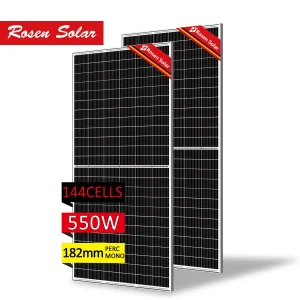
Rosen 550W Off Grid Solar Power System
Rosen 550W Solar Panel off Grid Solar Power System
Explore Specifications
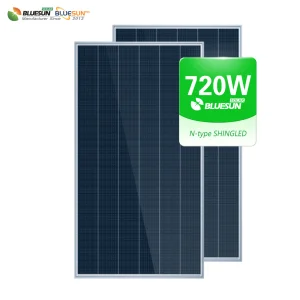
Bluesun 720W Monocrystalline Bifacial Panels
Bluesun Best Price Solar Panel New Stock 700W 720W Monocrystalline Solar Panels Shingled N-type Bifacial Solar Panels
Explore Specifications
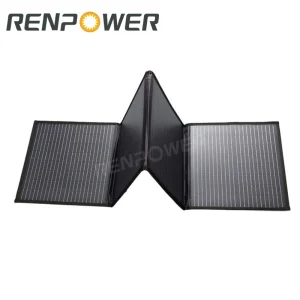
60W Waterproof Foldable Solar Panel
60W Waterproof Foldable Solar Panel for Laptops Cell Phones Solar Generators 12vbatteries
Explore Specifications
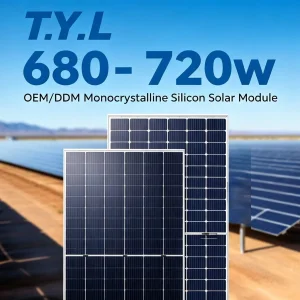
720W N-Type Bifacial Module
Factory Direct 680-720W N-Type Bifacial Solar Module High Yield Large Utility-Scale Grid Solar Power Plant Household Backup
Explore Specifications
Tier 1 N-Type TOPCon Double Glass PV Module
Tier 1 N-Type TOPCon Bifacial Solar Panel 182N-72HD Double Glass PV Module for Large Scale Ground Utility Projects
Explore Specifications
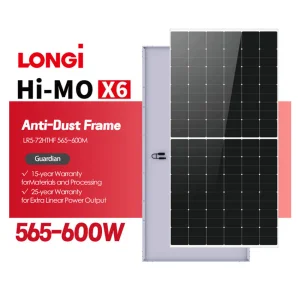
Longi LR5-72HTHF 600W Module
Longi Lr5-72hthf 565-600m 144 Cells Solar Panel N Type 210mm Half Cell Topcon for Home and Commercial System Use
Explore Specifications
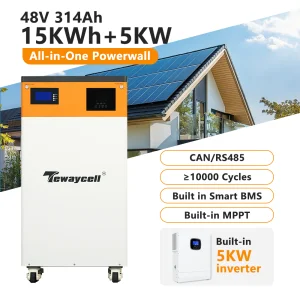
USA Warehouse 10KWH Battery Energy System
USA Warehouse Off Grid Solar Energy System 5KW 6KW 10KWH 16KWH Energy Storage System Lithium Battery Battery Pack Solar Inverter
Explore Specifications