Direct supply of high-yield solar panels engineered for minimal maintenance overhead and optimal lifetime ROI.
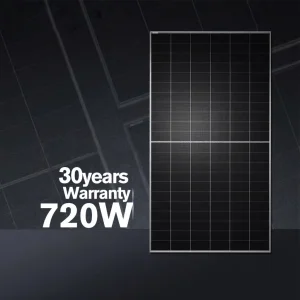
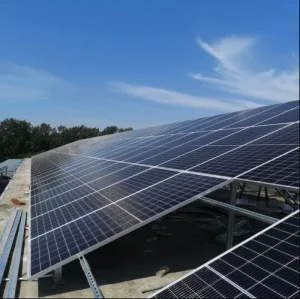
In the modern solar industry, deploying high-efficiency panels is only half the battle. As utility-scale and Commercial & Industrial (C&I) installations scale up to 700W+ capacities, the Levelized Cost of Energy (LCOE) is heavily determined by operational uptime and preventative degradation control. Reactive maintenance is no longer economically viable. Sustaining an annual degradation rate below the industry average of 0.5% requires deep manufacturing-level insight into the materials, cell architectures, and structural interfaces.
Ningbo Halkirk Solar Co., Ltd. bridges the gap between cell manufacturing and field maintenance. By analyzing panel behavior at the factory level, we integrate predictive diagnostic frameworks directly into the design of our monocrystalline, bifacial, and N-type TOPCon modules. This synergy guarantees that whether you are an EPC contractor, a wholesale distributor, or an asset developer, your installations receive factory-certified preventative maintenance support that addresses the root causes of module degradation, rather than merely treating the symptoms.
Performance Warranty Support
Annual N-Type Degradation Rate
Dual EL Inspected in Factory
Global Parts Dispatch SLA
A trusted pioneer in vertical PV module manufacturing and tailored lifecycle maintenance services.
Ningbo Halkirk Solar Co., Ltd. is a professional China solar panel manufacturer and monocrystalline & bifacial solar module supplier, dedicated to delivering high-efficiency renewable energy solutions to customers worldwide. Located in Ningbo, China, the company integrates research and development, manufacturing, quality control, and global sales to provide reliable solar products for residential, commercial, industrial, and utility-scale applications.
Halkirk Solar specializes in the production of monocrystalline solar panels, bifacial solar modules, TOPCon solar panels, N-type solar modules, off-grid solar solutions, on-grid solar systems, and customized photovoltaic products. Leveraging advanced cell technology and intelligent manufacturing processes, our products are designed to maximize energy output, improve conversion efficiency, and ensure long-term performance in diverse environmental conditions.
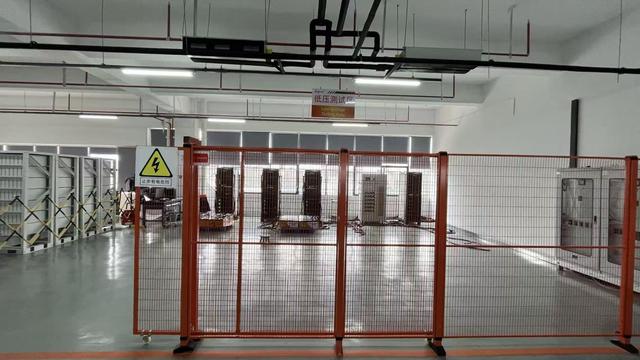
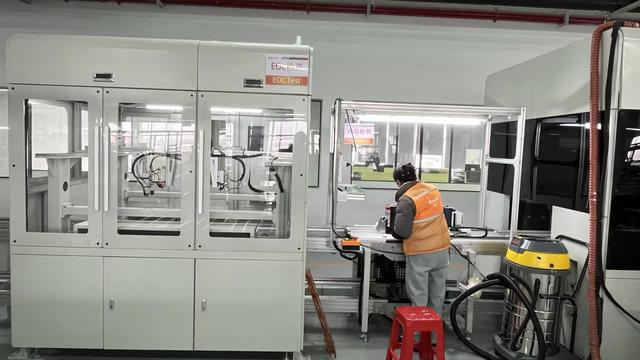
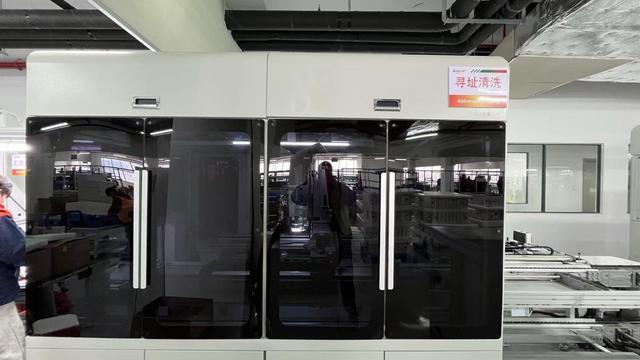
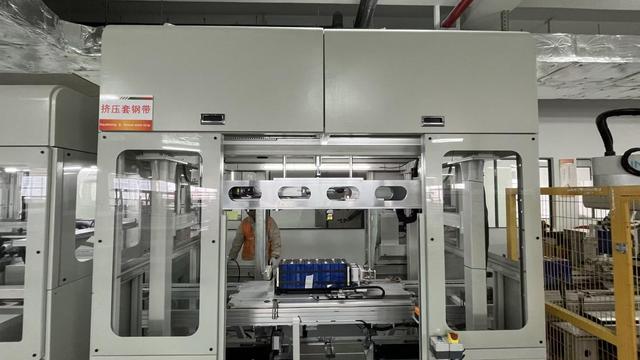
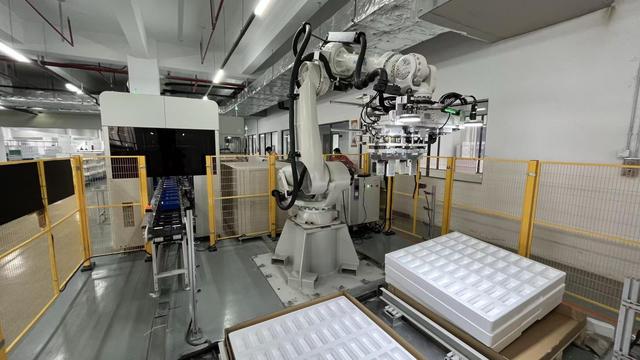
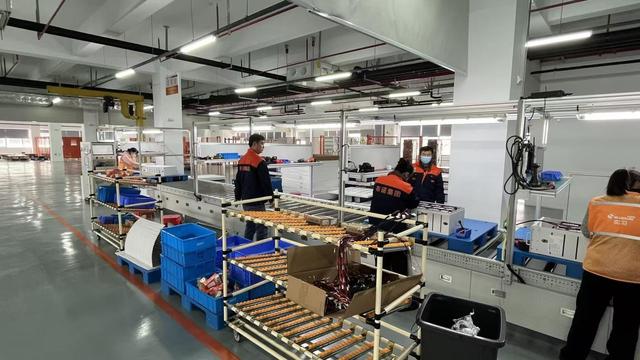
Our modern manufacturing facility is equipped with automated production lines, precision testing equipment, and strict quality management systems. Every solar module undergoes comprehensive inspections and performance testing to guarantee superior reliability, durability, and compliance with international standards. We are committed to providing products that meet the evolving demands of the global renewable energy market.
To better serve international customers, Halkirk Solar offers flexible OEM and ODM services for solar brands, distributors, EPC contractors, wholesalers, and project developers. Our experienced engineering and technical teams work closely with clients to deliver customized solar solutions tailored to specific project requirements, market demands, and branding needs.
How shifting module trends alter maintenance dynamics and risk management portfolios.
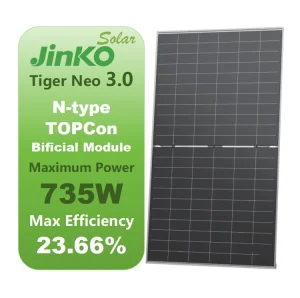
The widespread adoption of ultra-high-power modules like the Jinko Tiger Neo 3.0 or 720W HJT bifacial modules changes physical maintenance requirements. Heavy structural loads demand advanced mechanical stress checks and customized torque specs on racking systems during routine inspections.
Bifacial technology relies on ground reflectivity (albedo). Maintenance protocols must now include ground cover clearance and underside inspection to clean dirt accumulation on back-sheets, maximizing the 10% to 25% extra generation potential of bifacial modules.
N-Type cells (TOPCon & HJT) display superior resistance to Light-Induced Degradation (LID). However, maintaining high voltages (1500V) in damp environments requires precise grounding and anti-PID checks at the string box level to prevent early array decay.
Industrial maintenance protocols to prolong structural integrity and electronic efficiency.
To provide information gain beyond standard cleaning manuals, Halkirk Solar incorporates actual manufacturing quality indicators into field diagnosis. Over time, physical stress, wind, and thermal expansion cause micro-cracks inside cells that are invisible to the naked eye. If left unmonitored, these micro-cracks form hot spots, causing module burning and reduced generation efficiency.
Tailoring preventative solar maintenance based on climate, terrain, and atmospheric composition.
Desert and high-dust regions (e.g., Middle East, Southwest US) require structured waterless robotic cleaning. Traditional wet cleaning in hot climates risks thermal shock, leading to glass breakage. Dry anti-abrasion cleaning techniques protect anti-reflective glass coatings.
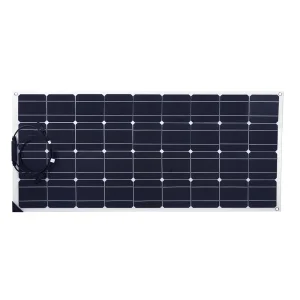
Salt mist corrosion deteriorates aluminum frames and degrades encapsulation polymers. Utilizing materials like ETFE (seen in our 100W Marine Flexible Solar Panel) alongside biannual fresh-water rinsing prevents electrochemical corrosion and protects framing contacts.
Building-Integrated Photovoltaics (BIPV) require specialized maintenance access due to high incline mounting. Rapid shutdown systems and string-level micro-inverter monitoring are key components of urban rooftop safety checklists.
Leveraging Ningbo's industrial cluster to secure spare parts availability and fast O&M turnaround.
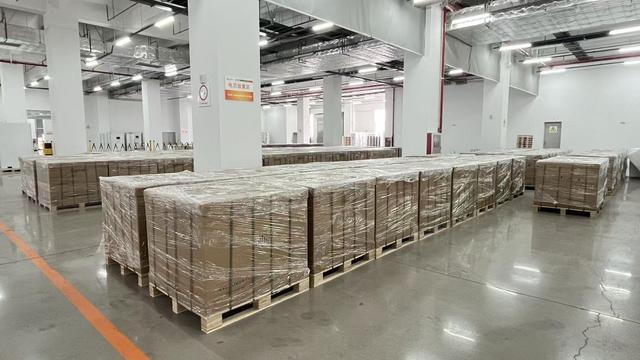
One of the largest risks in international solar maintenance is the time lost waiting for specialized spare parts (e.g., custom modules, junction boxes, connectors, specialized wiring). Ningbo Halkirk Solar Co., Ltd. leverages its strategic location in Ningbo—one of the world's most active maritime shipping hubs—to guarantee swift, reliable delivery of maintenance components.
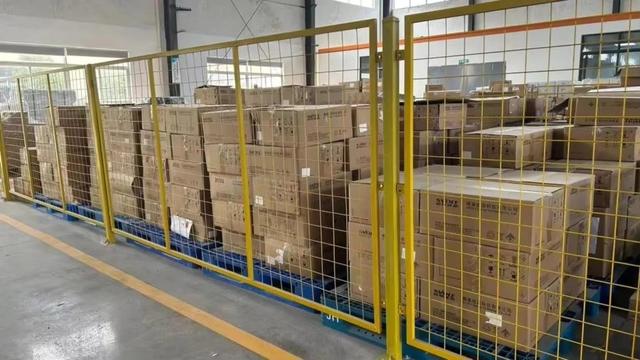
By operating integrated warehousing alongside our module production line, we maintain constant inventory of critical replacements. For international EPCs and O&M providers, this translates to shorter downtime during system upgrades or storm-damage repairs. We can bundle system parts, including customized monocrystalline cells, bypass diodes, aluminum frame rails, and specialized adhesives, shipping them directly to regional distribution centers in Europe, North America, and Australia.
Furthermore, our supply chain links directly with raw material suppliers (polysilicon, solar glass, EVA/POE backsheets), shielding our clients from market price swings and ensuring consistent material grades for warranty replacements.
Ensuring system updates match national electrical codes and grid-connection requirements.
All Halkirk modules and replacement kits carry TUV, CE, and IEC 61215/61730 certifications. This ensures replacement parts align with local grid safety codes, maintaining plant certification status.
We work alongside regional EPC teams and certified solar technicians worldwide, supplying them with diagnostic equipment, documentation, and remote monitoring data to execute field maintenance programs.
Our OEM and ODM capabilities allow us to build custom-sized retrofits for discontinued panel models, helping older systems resume peak production without costly structural re-engineering.
Detailed insights from our engineering and maintenance planning department.
PV system degradation typically results from Potential Induced Degradation (PID), Light-Induced Degradation (LID), and mechanical cell micro-cracks. Ningbo Halkirk Solar Co., Ltd. mitigates these risks during manufacturing. We utilize N-Type TOPCon and HJT cell designs which lack boron-oxygen complexes, eliminating classic LID. To combat PID, we use high-insulation POE encapsulation films instead of standard EVA, and conduct double EL (electroluminescence) imaging—both before and after lamination—to ensure no micro-cracks leave the factory.
Soiling (dust, sand, pollen, bird droppings) can reduce power output by 5% to over 30% in high-exposure areas. If soil accumulates unevenly, it blocks sunlight to individual cells, causing reverse bias and localized hot spots that can degrade materials. In dry, high-dust environments, we advise scheduled dry brush cleaning using automated robots or rotating microfiber wipers. For humid coastal zones, fresh-water rinsing is best to clear salt crusting, carried out during early morning or evening hours to avoid thermal stress.
Bifacial modules capture light on both sides to increase overall output. This means back-side maintenance is just as important as front-side care. Racking supports must be checked to ensure they do not cast shadows on the rear cells. Ground cover (albedo surface) must be kept clear of weeds, standing water, or dark debris. Back-surface junction boxes and cables should also be inspected regularly to ensure they remain clear of wind-blown dust and debris.
When older solar arrays need maintenance, developers often find that the original modules are discontinued, and replacing them with modern panels requires updating frames and inverters. Halkirk provides customized retrofitting services. We manufacture panels with custom dimensions, voltages, and frame designs that match obsolete system specifications. This helps EPCs restore historical capacity without re-engineering the racking or replacing functioning grid-tied inverters.
By avoiding middle-tier distributors, Halkirk guarantees direct quality control and trace-level tracking. In shipping out of Ningbo Port, we coordinates directly with international shipping lines, reducing transit times. This direct pipeline ensures that replacement parts match the original manufacturing tolerances and carry full factory warranties, lowering overall project risk.
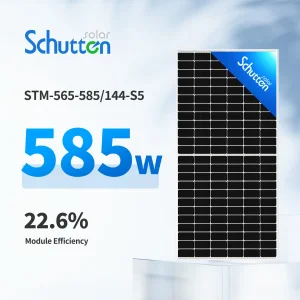
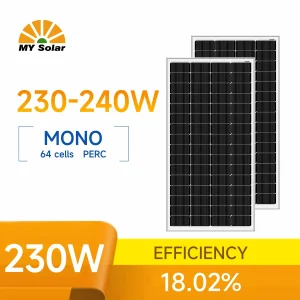
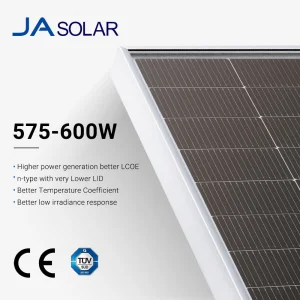
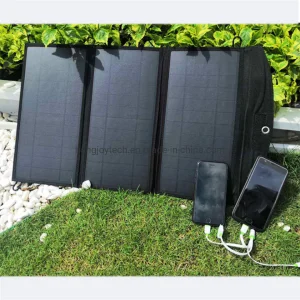
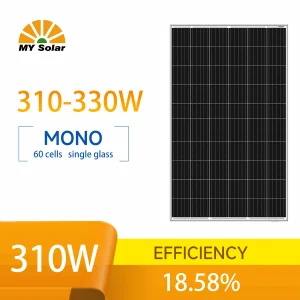
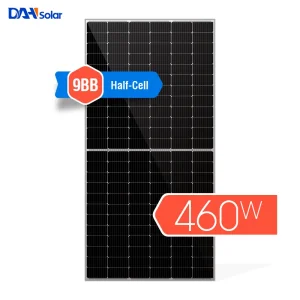
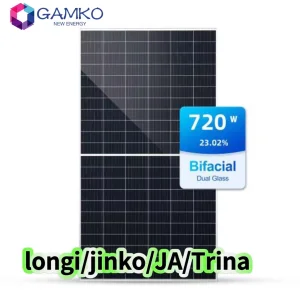
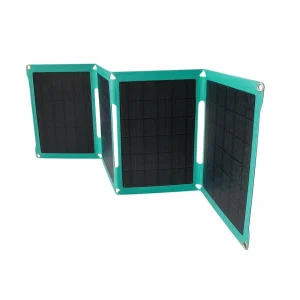
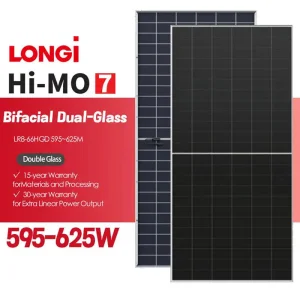
Explore our specialized range of high-efficiency utility modules, flexible marine panels, and portable kits.
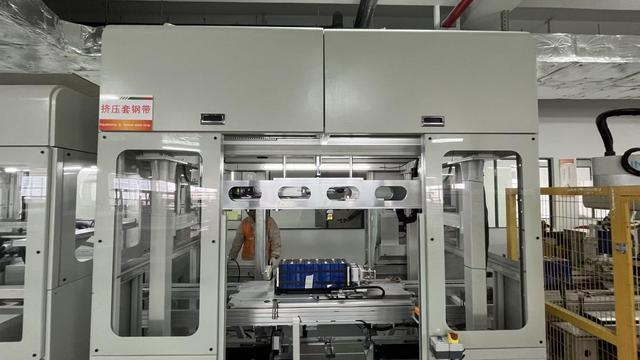
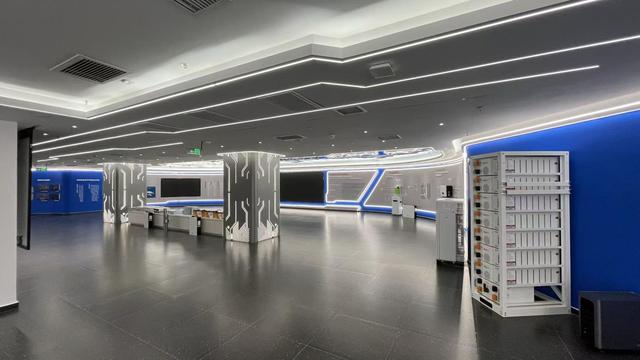
Inside our modern facility: where automated precision assembly meets rigorous testing standards.
 Halkirk Solar