High-performance solar configurations engineered for low degradation, zero-emission amortization, and maximized ROI.
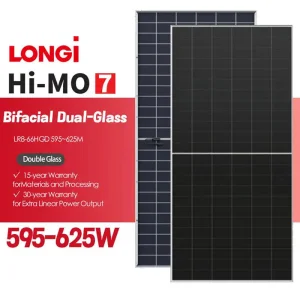
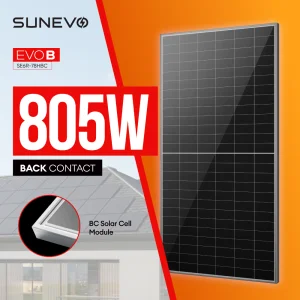
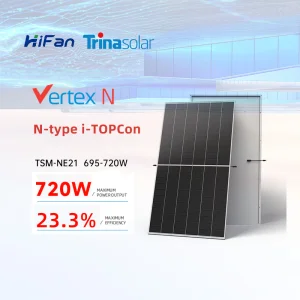
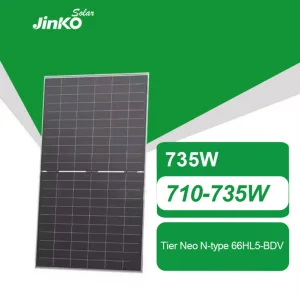
Ningbo Halkirk Solar Co., Ltd. is a professional China solar panel manufacturer and monocrystalline & bifacial solar module supplier, dedicated to delivering high-efficiency renewable energy solutions to customers worldwide. Located in Ningbo, China, the company integrates research and development, manufacturing, quality control, and global sales to provide reliable solar products for residential, commercial, industrial, and utility-scale applications.
Halkirk Solar specializes in the production of monocrystalline solar panels, bifacial solar modules, TOPCon solar panels, N-type solar modules, off-grid solar solutions, on-grid solar systems, and customized photovoltaic products. Leveraging advanced cell technology and intelligent manufacturing processes, our products are designed to maximize energy output, improve conversion efficiency, and ensure long-term performance in diverse environmental conditions.
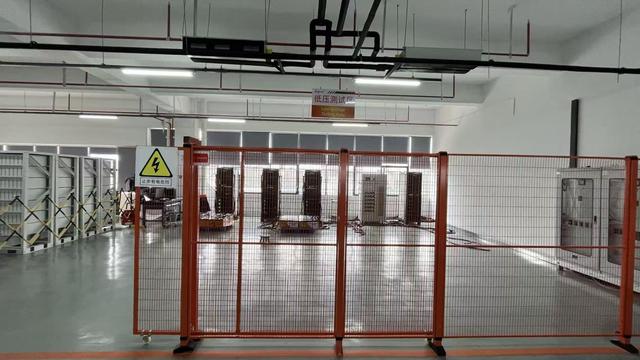
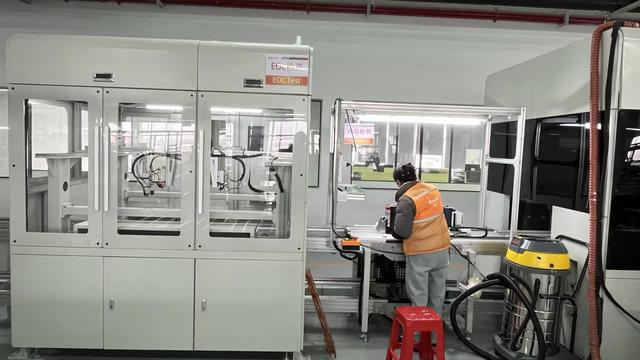
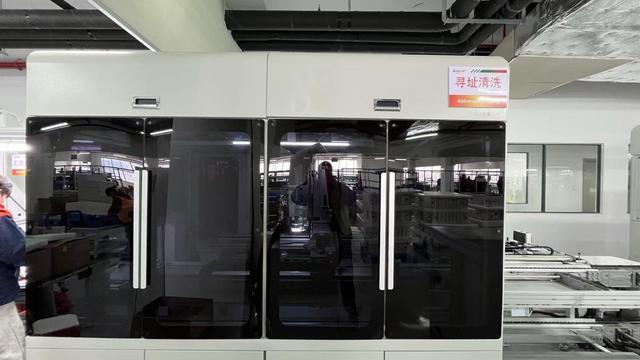
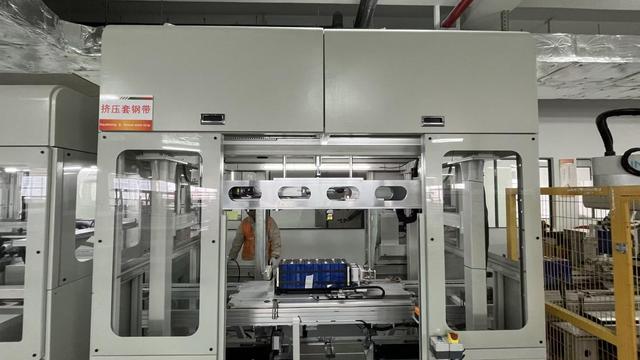
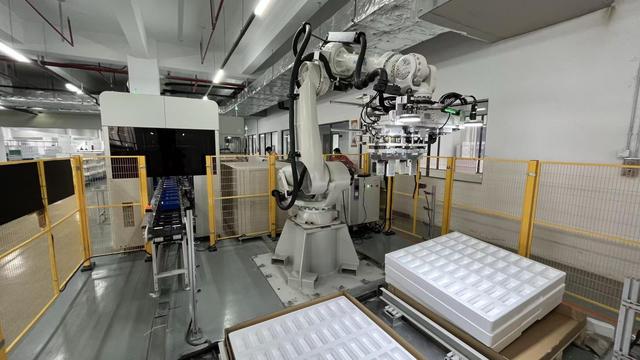
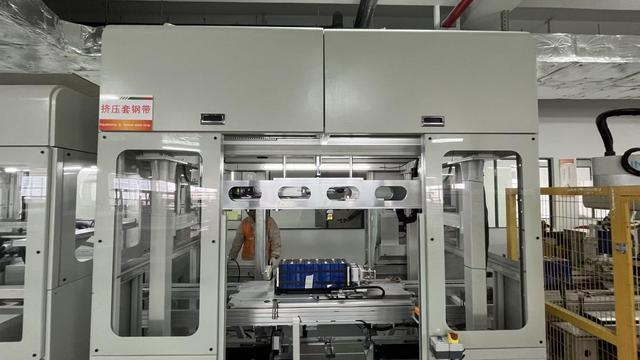
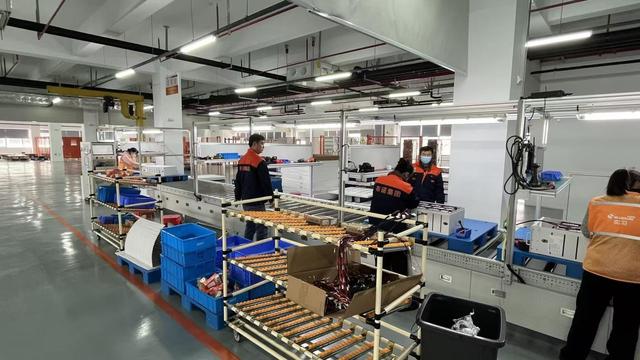
Our modern manufacturing facility is equipped with automated production lines, precision testing equipment, and strict quality management systems. Every solar module undergoes comprehensive inspections and performance testing to guarantee superior reliability, durability, and compliance with international standards. We are committed to providing products that meet the evolving demands of the global renewable energy market.
To better serve international customers, Halkirk Solar offers flexible OEM and ODM services for solar brands, distributors, EPC contractors, wholesalers, and project developers. Our experienced engineering and technical teams work closely with clients to deliver customized solar solutions tailored to specific project requirements, market demands, and branding needs.
A data-driven deep dive into the carbon footprint reduction, raw material accountability, and life cycle analysis (LCA) of high-yield solar modules.
Standard photovoltaic (PV) modules pay back their energy footprint within 0.7 to 1.2 years depending on geographical installation zones. By integrating N-type monocrystalline substrates, Halkirk Solar reduces this amortization window further, securing rapid net-zero energy generation for commercial developers.
Our OEM manufacturing frameworks align with global circular economy standards. We implement zero-waste silicon recycling protocols during the ingot wafer slicing stage and prioritize non-toxic components, significantly decreasing the biological toxicity indexes during decommissioning phases.
Traditional PV degradation results in lower output, increasing the environmental cost per kWh. Utilizing advanced POE encapsulation and N-type double glass structures prevents LID (Light Induced Degradation) and PID (Potential Induced Degradation), maintaining a >87.4% performance index at 30 years.
From an ESG (Environmental, Social, and Governance) compliance perspective, the environmental viability of solar energy is evaluated through its Levelized Carbon Intensity (LCI). Standard coal-fired grids output roughly 800-1000g CO2/kWh. In contrast, the life-cycle environmental impact of Ningbo Halkirk Solar’s high-efficiency systems sits at approximately 15-28g CO2/kWh, including manufacturing, shipping, and recycling phases. By opting for optimized OEM modules with localized balance-of-system (BOS) components, developers can effectively mitigate Scope 3 greenhouse gas emissions, establishing a solid baseline for corporate sustainability accounting.
Why sourcing solar modules from the industrial clusters of Ningbo, China ensures unmatched cost efficiency and technological resilience.
China currently supplies over 80% of the world’s solar supply chain components. Operating from Ningbo, one of the world's most active deepwater ports, Halkirk Solar leverages a concentrated industrial cluster. This provides significant advantages:
Our integrated approach drastically reduces lead times for complex commercial procurements:
By centering operations inside the Ningbo industrial zone, we eliminate redundant transshipment nodes, passing the cost savings directly to project developers.
Navigating tariff landscapes, grid integration policies, and green import certifications across global regions.
We ensure full compliance with the European Union's Carbon Border Adjustment Mechanism (CBAM) requirements and Waste Electrical and Electronic Equipment (WEEE) regulations, securing seamless tariff clearances and end-of-life accountability.
Halkirk solar panels hold strict certifications under IEC 61215 and IEC 61730 parameters, along with UL 61730 standards. This guarantees long-term durability and electrical safety under extreme environmental conditions.
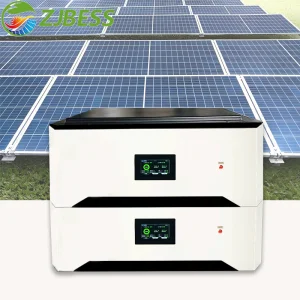
Our customized off-grid and on-grid solar packages offer system configurations that conform to regional grid codes. Our smart inverter integration and hybrid battery storage kits meet strict utility standards for grid interconnection.
Meeting the strict compliance demands of global utility developers, EPC contractors, and corporate sustainability officers.
Full visibility of manufacturing carbon intensity from raw ingot crystal growth to final modular array packaging.
Supply chain auditing guaranteeing non-conflict minerals, verified quartz sourcing, and ethical manufacturing practices.
Maximizing spatial energy density and bifacial power gains to reduce the Levelized Cost of Energy (LCOE) over time.
Providing verifiable carbon offsets, reduced lead-content, and recyclable component options for eco-labeled projects.
Deploying specialized PV systems tailored to challenging marine, utility, agricultural, and industrial climates.
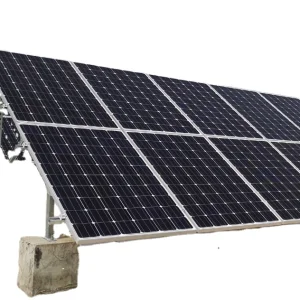
Ideal for desert or high-albedo ground structures. Deploying double-glass N-type panels yields up to 30% additional backside power generation, absorbing reflected light from sand, snow, or light concrete substrates.
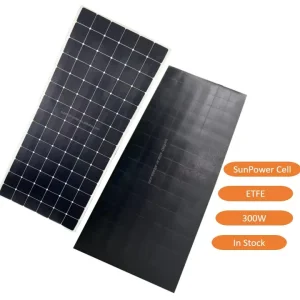
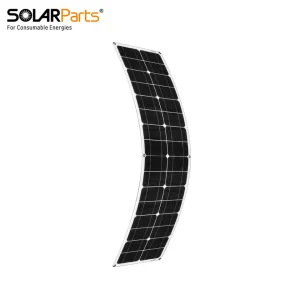
For seaside applications, floating PV, or off-grid boats. Employing custom flexible, waterproof monocrystalline modules (6W to 300W) ensures high resistance to salt mist corrosion, wind loads up to 2400Pa, and snow loads up to 5400Pa.
High-density solar roof projects utilizing half-cell TOPCon and PERC systems maximize available rooftop footprints, minimizing building weight stress while offering high fire-safety classifications (Class A rating).
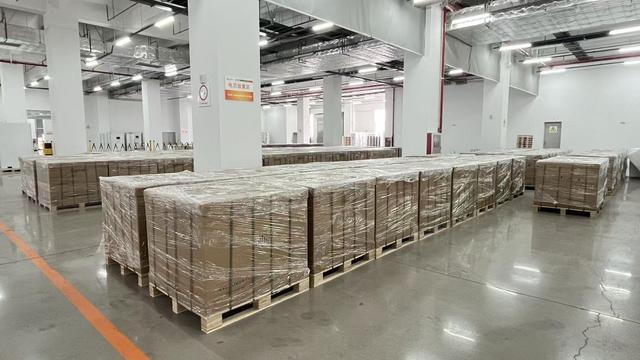
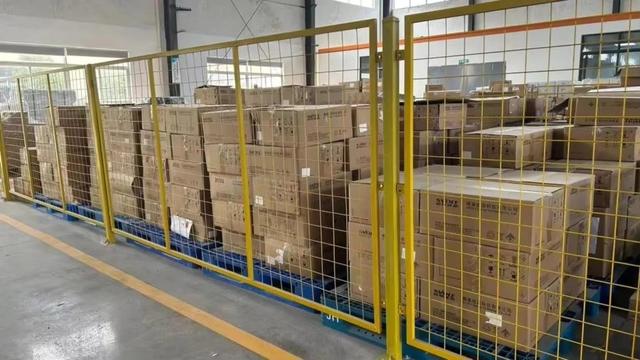
Explore Ningbo Halkirk Solar’s automated assembly lines, inspection stages, and component warehouses.

Technical explanations on product selection, environmental specifications, and customized OEM integration.
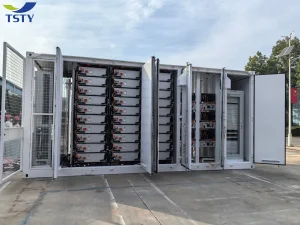
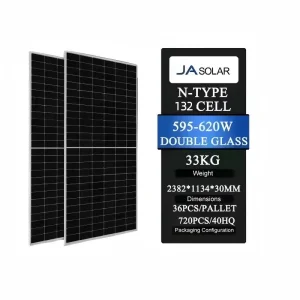
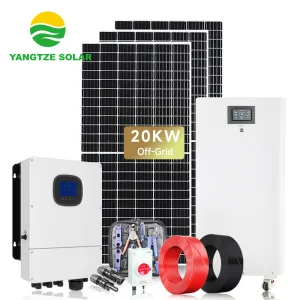
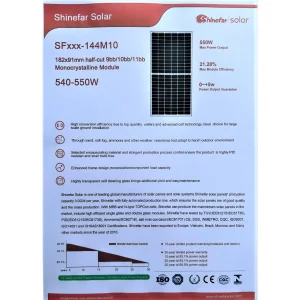
From off-grid micro-generators to megawatt-scale utility battery containers, discover our full industrial product catalog.

 Halkirk Solar