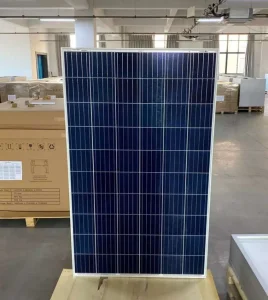
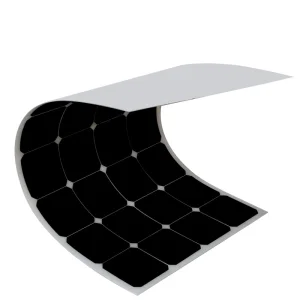
Explore our premium high-efficiency solar modules engineered for minimal LCA emissions and maximum power generation.
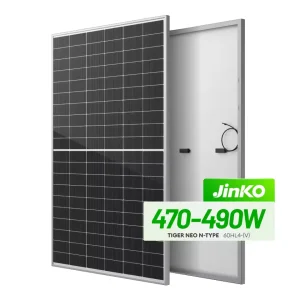
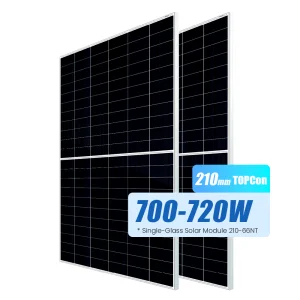
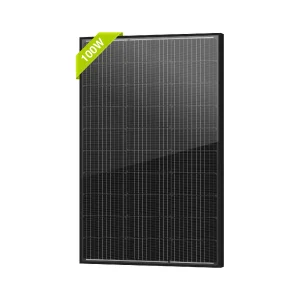
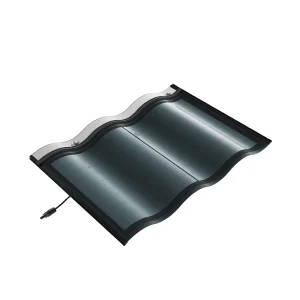
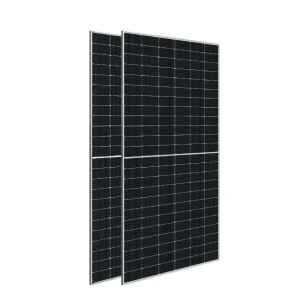
Ningbo Halkirk Solar Co., Ltd. is a professional China solar panel manufacturer and monocrystalline & bifacial solar module supplier, dedicated to delivering high-efficiency renewable energy solutions to customers worldwide. Located in Ningbo, China, the company integrates research and development, manufacturing, quality control, and global sales to provide reliable solar products for residential, commercial, industrial, and utility-scale applications.
We specialize in the production of monocrystalline solar panels, bifacial solar modules, TOPCon solar panels, N-type solar modules, off-grid solar solutions, on-grid solar systems, and customized photovoltaic products. Leveraging advanced cell technology and intelligent manufacturing processes, our products are designed to maximize energy output, improve conversion efficiency, and ensure long-term performance in diverse environmental conditions.
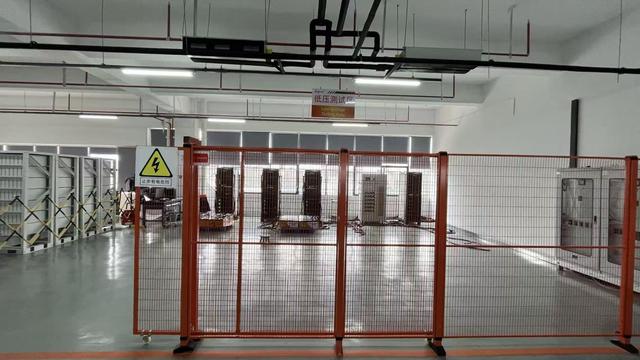
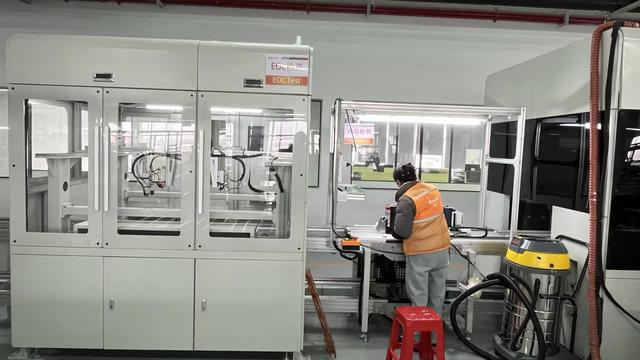
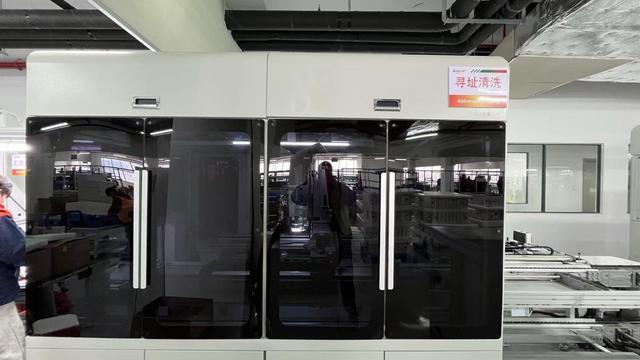
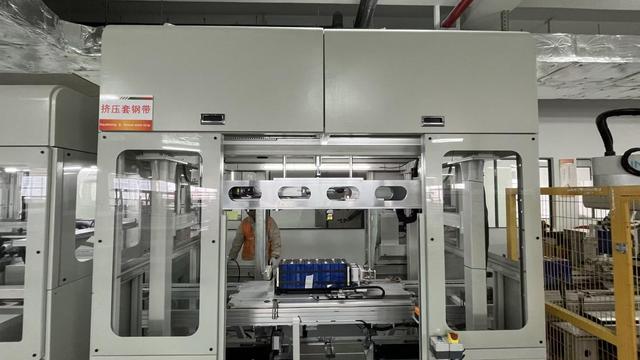
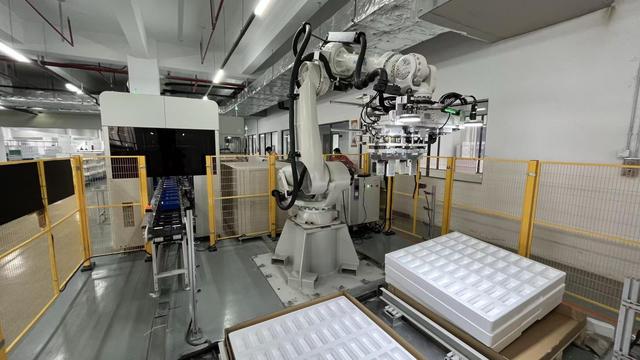
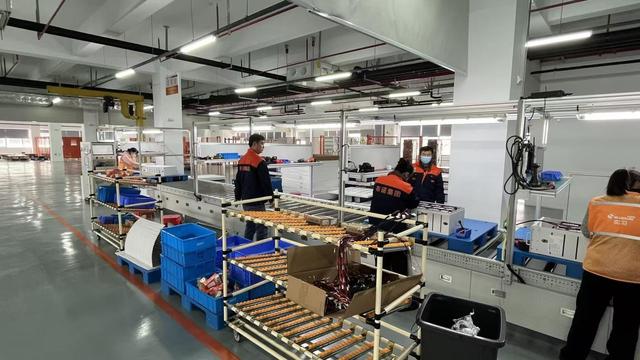
Our modern manufacturing facility is equipped with automated production lines, precision testing equipment, and strict quality management systems. Every solar module undergoes comprehensive inspections and performance testing to guarantee superior reliability, durability, and compliance with international standards. We are committed to providing products that meet the evolving demands of the global renewable energy market.
To better serve international customers, Halkirk Solar offers flexible OEM and ODM services for solar brands, distributors, EPC contractors, wholesalers, and project developers. Our experienced engineering and technical teams work closely with clients to deliver customized solar solutions tailored to specific project requirements, market demands, and branding needs.
How we measure and lower the environmental impact across our supply chain.
A comprehensive technical deep dive into carbon metrics, compliance policies, and manufacturing standards for global developers.
Global regulatory frameworks such as the European Union's Carbon Border Adjustment Mechanism (CBAM), France's CRE carbon thresholds (PPE2), and ESG mandates are shifting procurement focus from upfront cost (LCOE) to embedded life-cycle emissions. Our R&D efforts are targeted at optimizing the Life Cycle Assessment (LCA) to facilitate seamless compliance with European and North American carbon import regulations.
The carbon footprint of a solar module is measured in kilograms of carbon dioxide equivalent per kilowatt-peak (kg CO₂ eq/kWp) or per kilowatt-hour generated (g CO₂ eq/kWh). Upstream processes—specifically polysilicon refinement and wafer crystallization—account for over 70% of total emissions. Halkirk Solar optimizes energy consumption at this critical stage by sourcing from hydro-powered silicon plants.
At our automated Ningbo facility, we utilize high-precision module assembly line configurations, reduce cell waste margins, transition to mercury-free/lead-free soldering processes, and source 100% recyclable structural packaging. Additionally, our location adjacent to the Ningbo-Zhoushan port significantly reduces emissions during international maritime shipping.
For international tier-one distributors and EPC contractors, procuring solar modules is no longer just about wattage. Environmental sustainability is now a crucial factor in public and corporate tenders. Standard monocrystalline modules can carry carbon intensity figures ranging from 550 to 800 kg CO₂ eq/kWp depending on the grid mix of the manufacturing region.
Halkirk Solar offers specialized low-carbon OEM solutions. By substituting conventional backsheets with ultra-thin double-glass architecture and incorporating low-temperature metallurgy (such as in our HJT and TOPCon lineups), we decrease the energy intensity of module construction. Our ODM services include bespoke product sizing, alternative frame options, and custom cell architectures designed to meet specific regulatory requirements.
We ensure that our products comply with strict international regulatory and sustainability requirements.
Under the EU Green Deal, photovoltaic products imported into the European market must align with strict reporting rules. Environmental Product Declarations (EPDs) verify the environmental footprint of our modules from cradle to grave. By tracking our Scope 1, Scope 2, and upstream Scope 3 emissions, we help developers mitigate prospective border taxes and secure priority access to European project pipelines.
For projects bidding in the CRE (Commission de Régulation de l'Énergie) tenders, procuring modules with verified low-carbon footprints is a prerequisite. Our manufacturing protocols permit raw materials sourcing adjustments (e.g., using polysilicon sourced outside of carbon-heavy coal grids) to target the required CRE thresholds. We provide the necessary documentation and support to help our clients successfully navigate these stringent bidding processes.
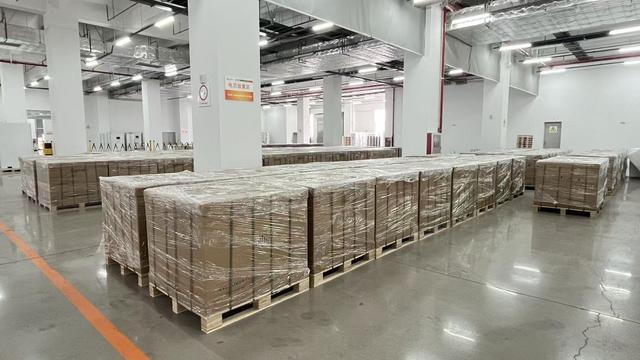
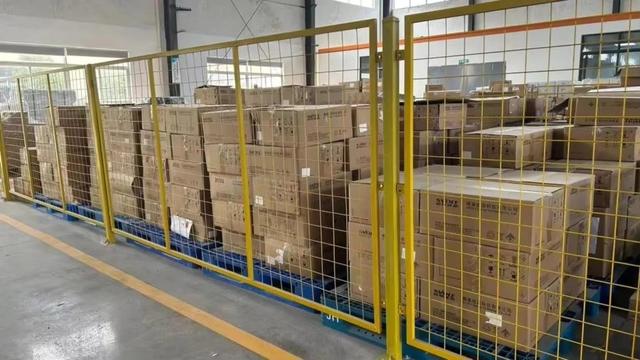
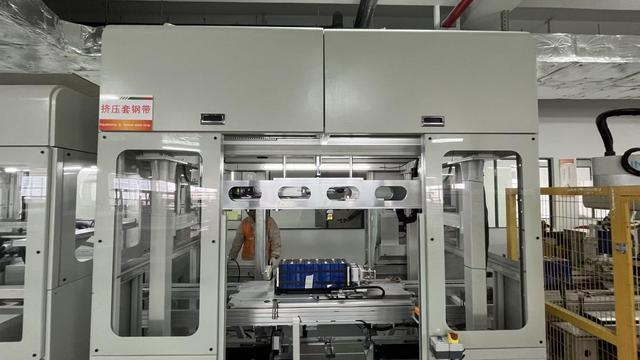
Inside our advanced production base: where next-generation solar technology meets automated clean energy manufacturing.

Get professional insights on carbon footprints, compliance certificates, and ODM/OEM options.
Explore our high-power solar solutions, portable panels, and specialized industrial solar arrays.
 Halkirk Solar