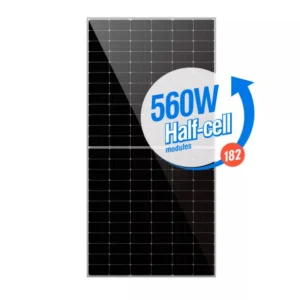
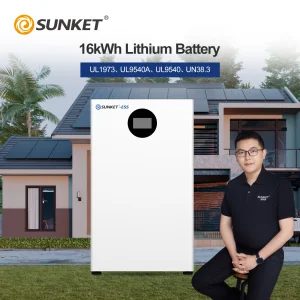
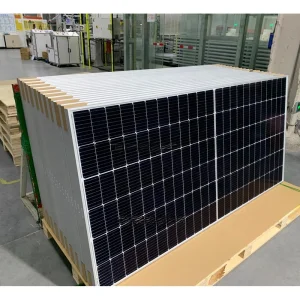
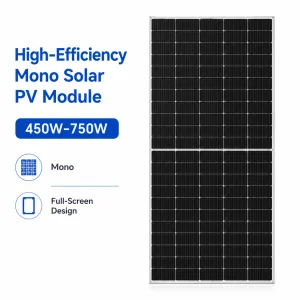
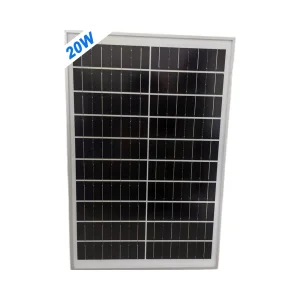
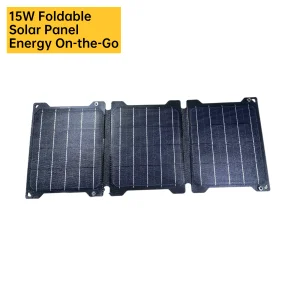
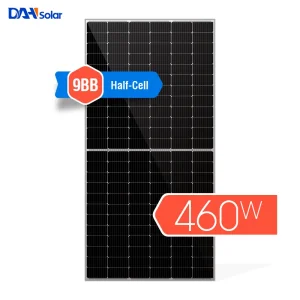
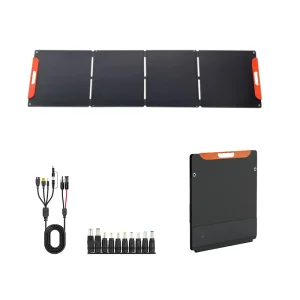
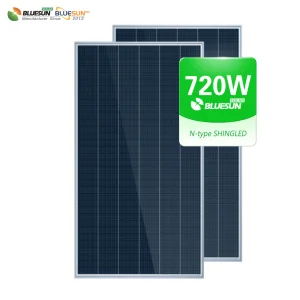
Pioneering standard-setting efficiency designs for utility-scale, commercial, and off-grid high-performance integrations.
Unpacking the structural, electronic, and thermodynamic differences that make TOPCon the current dominant PV paradigm.
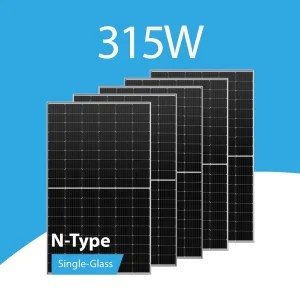
In the rapidly evolving global solar landscape, Tunnel Oxide Passivated Contact (TOPCon) technology represents a major evolutionary leap over traditional P-type PERC (Passivated Emitter and Rear Cell) structures. By incorporating an ultra-thin tunnel oxide layer combined with highly doped polycrystalline silicon, TOPCon panels significantly reduce minority carrier recombination velocity. This structural optimization elevates open-circuit voltages ($V_{oc}$) above 720 mV and achieves superior cell-level conversion efficiencies.
Unlike p-type wafers, N-type wafers used in TOPCon modules are doped with phosphorus rather than boron. This completely eliminates boron-oxygen complexing, rendering the cells immune to conventional Light-Induced Degradation (LID) and LeTID. Long-term field installations exhibit exceptionally high performance preservation over their entire life cycle.
TOPCon modules offer a temperature coefficient as low as -0.30%/°C, outperforming traditional PERC panels (-0.35%/°C). In regions with high ambient temperatures, such as the Middle East, Northern Africa, and parts of Australia, this difference translates to a substantial increase in annual energy output, minimizing thermal power degradation.
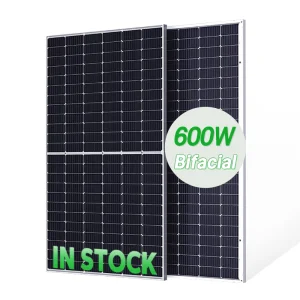
With a bifaciality index exceeding 80%, TOPCon modules capture reflected solar irradiance from the rear side with outstanding efficiency. This design is highly beneficial on reflective terrains such as desert sand, gravel, snow, and white concrete flat commercial roofs, boosting yields by an additional 10% to 25% depending on local albedo conditions.
Your Premier Partner for High-Efficiency PV Engineering and Supply Chain Optimization
Ningbo Halkirk Solar Co., Ltd. is a professional China solar panel manufacturer and monocrystalline & bifacial solar module supplier, dedicated to delivering high-efficiency renewable energy solutions to customers worldwide. Located in Ningbo, China, the company integrates research and development, manufacturing, quality control, and global sales to provide reliable solar products for residential, commercial, industrial, and utility-scale applications.
Halkirk Solar specializes in the production of monocrystalline solar panels, bifacial solar modules, TOPCon solar panels, N-type solar modules, off-grid solar solutions, on-grid solar systems, and customized photovoltaic products. Leveraging advanced cell technology and intelligent manufacturing processes, our products are designed to maximize energy output, improve conversion efficiency, and ensure long-term performance in diverse environmental conditions.
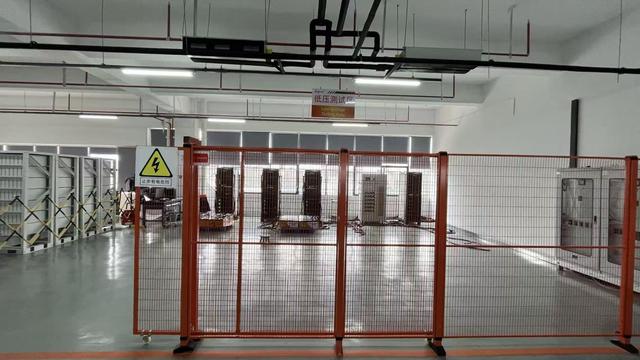
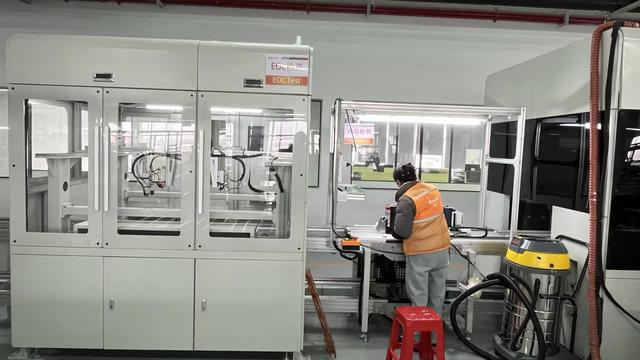
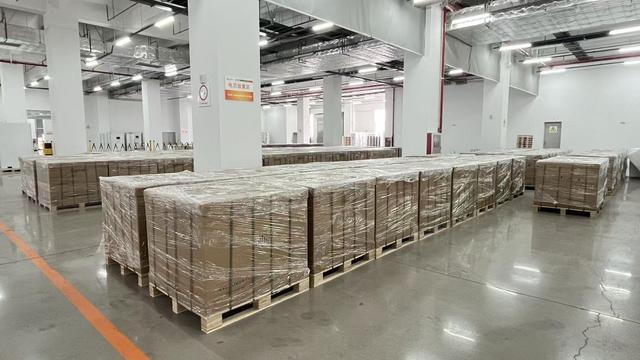
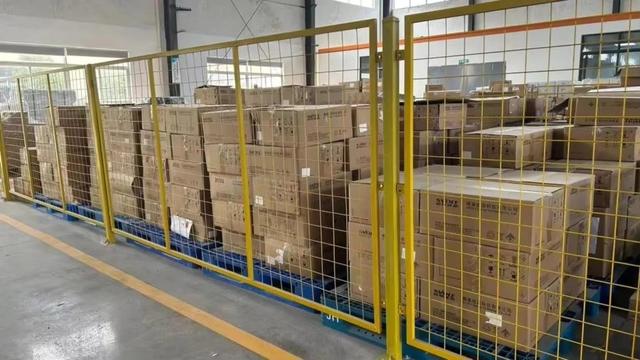
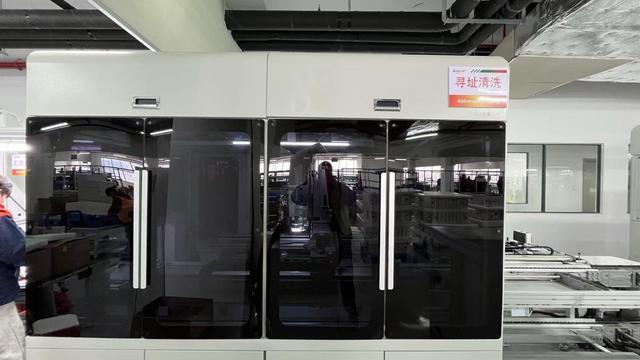
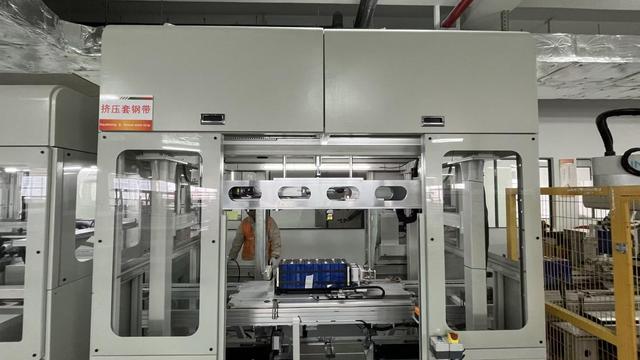
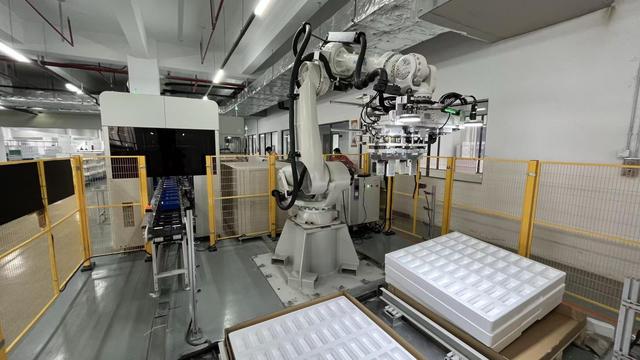
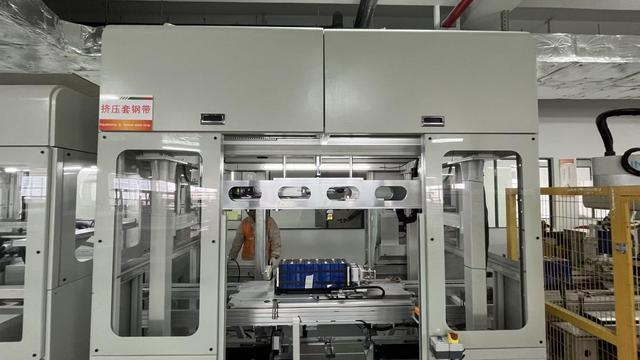
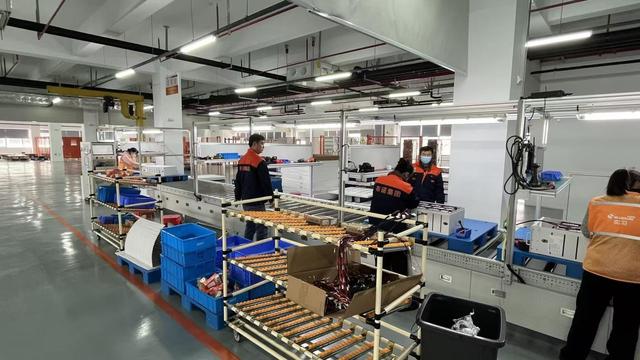
Our modern manufacturing facility is equipped with automated production lines, precision testing equipment, and strict quality management systems. Every solar module undergoes comprehensive inspections and performance testing to guarantee superior reliability, durability, and compliance with international standards. We are committed to providing products that meet the evolving demands of the global renewable energy market.
To better serve international customers, Halkirk Solar offers flexible OEM and ODM services for solar brands, distributors, EPC contractors, wholesalers, and project developers. Our experienced engineering and technical teams work closely with clients to deliver customized solar solutions tailored to specific project requirements, market demands, and branding needs.
Driven by innovation, sustainability, and customer satisfaction, Ningbo Halkirk Solar Co., Ltd. continues to expand its presence in global markets. We strive to become a trusted partner in the photovoltaic industry by providing high-quality solar modules and comprehensive clean energy solutions that contribute to a greener and more sustainable future.
How N-Type TOPCon stacks up against traditional and emerging silicon technologies.
| Feature / Metric | P-Type PERC | N-Type TOPCon | N-Type HJT | Back Contact (BC) |
|---|---|---|---|---|
| Practical Cell Efficiency | 23.0% - 23.5% | 25.5% - 26.5% | 25.8% - 26.8% | 26.5% - 27.3% |
| Module Conversion Rate | 20.8% - 21.6% | 22.3% - 23.2% | 22.5% - 23.5% | 22.8% - 24.0% |
| Bifaciality Factor | 65% - 70% | 80% - 85% | 85% - 95% | 40% - 60% |
| Temperature Coefficient | -0.35% / °C | -0.30% / °C | -0.26% / °C | -0.29% / °C |
| LID / LeTID Susceptibility | Moderate to High | Negligible (Zero) | Negligible (Zero) | Low |
| Capital Expenditure (CAPEX) | Low (Baseline) | Moderate (Easily Upgraded) | High (New Lines Only) | High |
Understanding why over 80% of global PV shipments originate from clusters like Ningbo.
The manufacturing corridor in eastern China brings ingot pulling, wafer slicing, cell processing, and final module encapsulation within small geographical clusters. This proximity reduces logistical friction, allows for real-time adjustments to raw material fluctuations, and minimizes the embodied carbon footprint of domestic transport.
State-of-the-art factories employ advanced robotics, machine vision inspection systems, and integrated AI tools. High-speed stringers and automatic positioning systems ensure module durability and microcrack-free output, preventing cell damage during physical processing.
Operating near the Ningbo-Zhoushan port, the world's busiest container gateway, facilitates immediate ocean transport options to the EU, North and South America, and APAC regions. Safe and efficient routing shortens international lead times and optimizes transport container load factors.
How different sectors maximize return on investment (ROI) with high-efficiency N-type solar components.
For factories and logistics warehouses with limited rooftop space, TOPCon's conversion rate of up to 23.2% allows for greater installed capacity per square meter. In net-metering schemes, this maximizes self-consumption rates and shortens the project's financial payback period.
Large-scale solar projects use single-axis tracking systems combined with bifacial TOPCon modules. Leveraging the high bifaciality factor, these arrays capture reflected light from the ground, boosting overall energy yield and lowering the project's Levelized Cost of Electricity (LCOE).
By mounting semi-transparent or elevated bifacial TOPCon modules above agricultural fields, projects generate clean energy while providing shade for crops below. This dual-use land strategy maximizes space utilization and supports local agricultural productivity.
Strict engineering standards and certification paths for international compliance.
Guarantees that modules withstand mechanical stress, thermal cycling, damp heat, and potential-induced degradation (PID). Compliance ensures consistent performance under varying environmental conditions.
Validates adherence to rigorous safety standards, electrical isolation criteria, and fire protection requirements across European markets.
Ensures compliance with electrical safety and structural engineering requirements, allowing smooth integration into North American utility grids.
Browse our selection of portable kits, flexible PV modules, and integrated energy solutions.
Addressing technical, operational, and commercial queries for PV engineers and project managers.
 Halkirk Solar