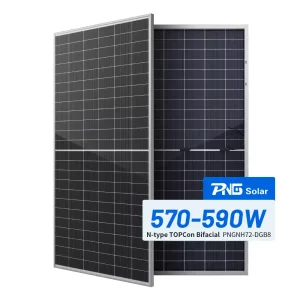
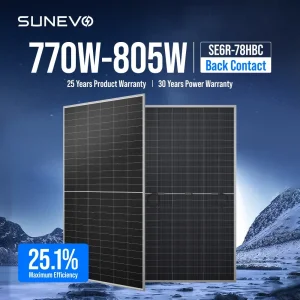
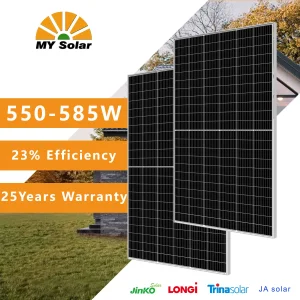
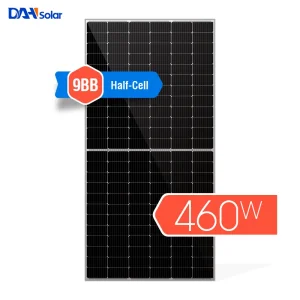
Engineered for maximizing performance index (PR) in Portugal's high solar irradiance profile, our primary selection matches strict grid-integration protocols.
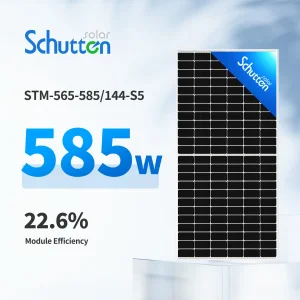
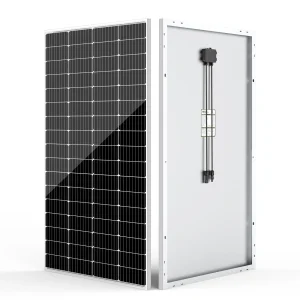
An authoritative analysis of regulatory parameters, climate specificities, and levelized cost of energy (LCOE) optimization in the Iberian Peninsula.
Portugal’s corporate energy sector is undergoing a massive structural transition. With the enactment of Decree-Law no. 15/2022, the regulatory workflow for grid-tied solar self-consumption (known locally as Unidades de Produção para Autoconsumo - UPAC) has been streamlined, removing structural red tape for installations below 1 MW. This legal framework has positioned solar energy as a vital corporate asset, enabling Portuguese manufacturing industries in the north (such as Porto, Braga, and Guimarães) and logistics centers in central regions to secure fixed, predictable energy costs against volatile spot market pricing (OMIE).
Furthermore, under the National Energy and Climate Plan 2030 (PNEC 2030), Portugal aims to source 85% of its electricity generation from renewables. For procurement officers and project developers, sourcing Tier-1 grade monocrystalline modules with proven bifacial technology is critical to meet regional compliance standards, obtain favorable financing rates from local financial institutions (e.g., Caixa Geral de Depósitos, Millennium BCP), and qualify for corporate ESG green bonds.
While Portugal boasts some of the highest solar irradiation levels in continental Europe—averaging 1,500 to over 1,800 kWh/kWp/year, particularly in regions like Alentejo and Algarve—these environments impose severe thermal stresses on photovoltaic cells. During peak summer, ambient temperatures routinely exceed 40°C, causing cell temperatures to soar past 65°C.
This reality highlights the importance of the temperature coefficient of power (Pmax). Standard p-type PERC panels suffer from a high temperature coefficient (-0.35%/°C to -0.38%/°C). By upgrading to Halkirk Solar’s N-Type TOPCon or Heterojunction (HJT) technologies, which feature a superior temperature coefficient of just -0.30%/°C, project operators can prevent thermal degradation losses. This ensures a consistent, high performance ratio (PR) and safeguards the internal rate of return (IRR) of C&I power purchase agreements (PPAs).
Portugal’s extensive coastline poses a significant challenge: highly corrosive marine environments. Photovoltaic assets installed in proximity to major hubs like the Port of Sines, Setúbal, or Lisbon require specialized components. Normal solar modules degrade rapidly when exposed to high-salinity air, causing potential induced degradation (PID) and structural failures.
Halkirk Solar ensures that all panels delivered to Portuguese projects undergo rigorous testing, achieving certifications for IEC 61701 (Salt Mist Corrosion Testing, Severity level 6) and IEC 62716 (Ammonia Corrosion Resistance). Utilizing dual-glass designs and anodized aluminum frames, our systems are optimized to withstand harsh maritime environments, guaranteeing long-term reliability and a lower total cost of ownership (TCO).
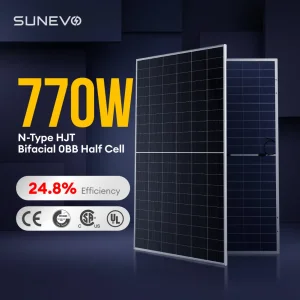
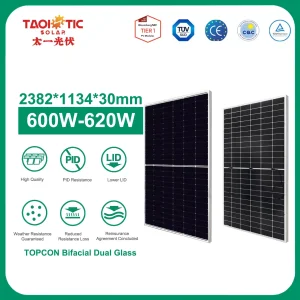
Explore our specialized monocrystalline solutions tailored for diverse commercial, architectural, and agricultural integrations across Portugal.
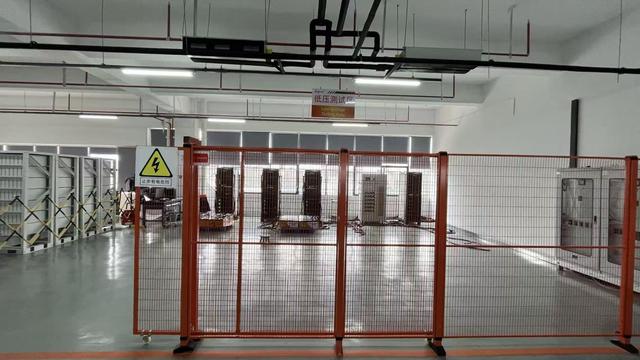
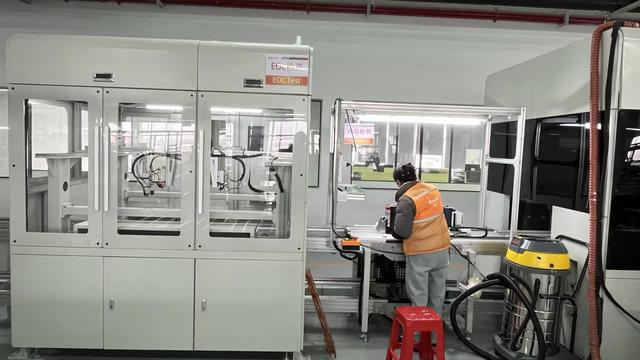
How Ningbo Halkirk Solar’s automated production facility delivers reliable, tier-1 standard modules with competitive logistical advantages.
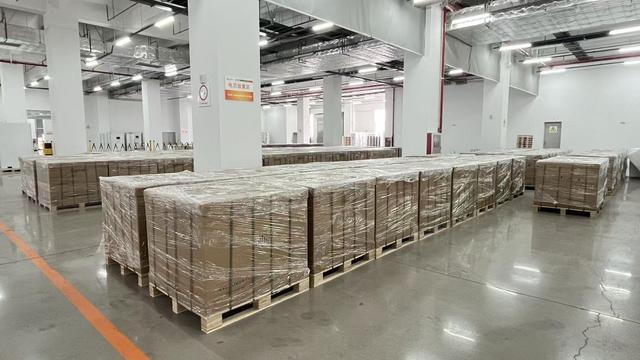
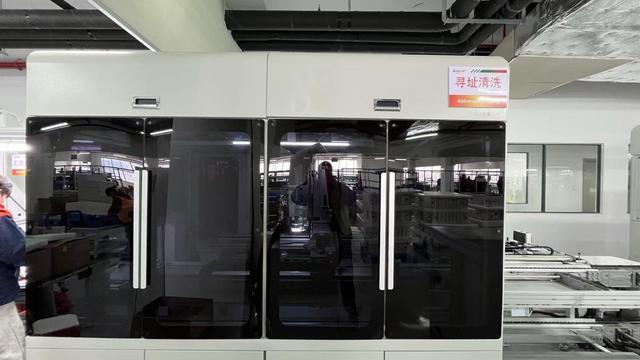
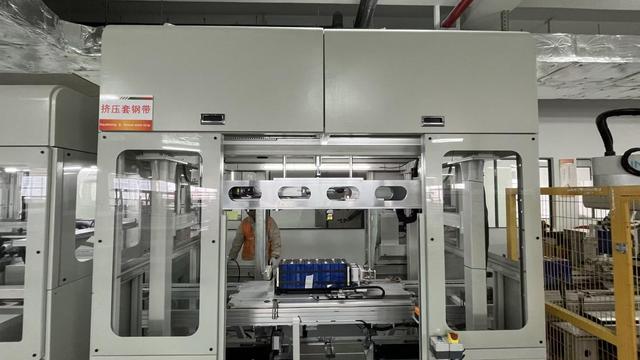
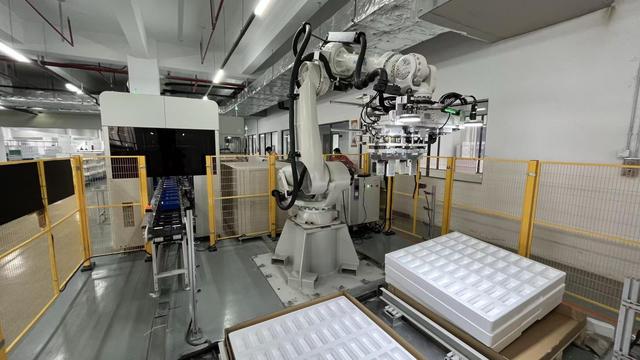
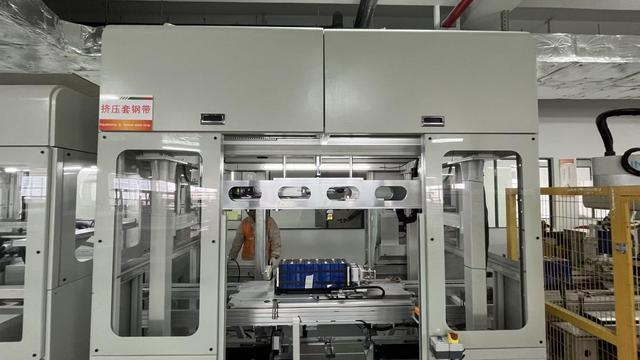
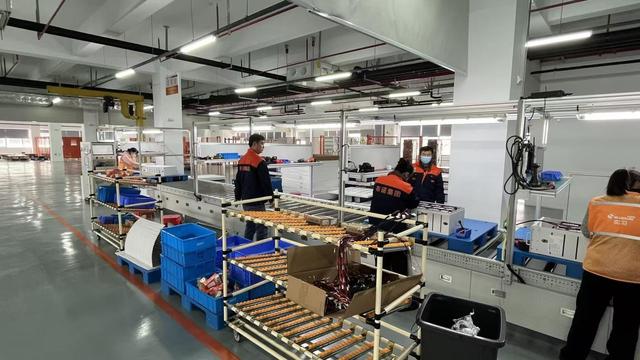
Our manufacturing facility in Ningbo leverages high automation and strict quality control systems. By deploying Industry 4.0 automated stringer lines, multi-busbar (MBB) positioning, and non-destructive cutting systems, we prevent micro-cracks during processing. Each solar module undergoes three stages of Electroluminescence (EL) testing: pre-lamination, post-lamination, and post-assembly, preventing defective modules from leaving the factory floor.
This automated quality control ensures our modules maintain high reliability, consistent performance, and low degradation profiles. This performance is backed by third-party certifications including TÜV Rheinland, CE, ISO 9001, and ISO 14001, verifying compliance with European C&I project requirements.
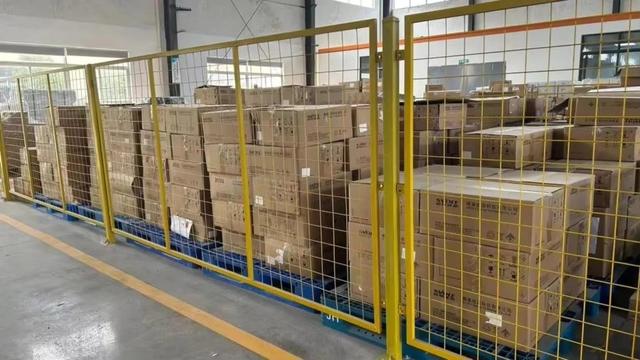
Ningbo is home to one of the world's busiest container ports. Our factory's location allows us to coordinate efficient ocean freight shipping directly to the Port of Sines and the Port of Lisbon. By optimizing load patterns within standard GP/HQ containers, we lower freight costs per watt and reduce transit-related mechanical stress.
For Portuguese EPC contractors and solar importers, this direct maritime link translates to predictable shipping schedules, streamlined customs processes, and reliable lead times. Additionally, we provide complete technical documentation (including PVsyst PAN files, O&M manuals, and structural load calculations) to assist in local grid integration and speed up project approvals.
A professional solar module manufacturer dedicated to high-efficiency renewable energy solutions worldwide.
Located in Ningbo, China, Ningbo Halkirk Solar Co., Ltd. integrates research and development, manufacturing, quality control, and global sales to provide reliable solar products for residential, commercial, industrial, and utility-scale applications. We specialize in producing monocrystalline solar panels, bifacial solar modules, TOPCon solar panels, N-type solar modules, off-grid solar solutions, and customized photovoltaic products. Our products are designed to maximize energy output, improve conversion efficiency, and ensure long-term performance across diverse environmental conditions.
Our modern manufacturing facility is equipped with automated production lines, precision testing equipment, and strict quality management systems. Every solar module undergoes comprehensive inspections and performance testing to guarantee durability and compliance with international standards. We offer flexible OEM and ODM services for solar brands, distributors, EPC contractors, wholesalers, and project developers worldwide, with our engineering teams working closely with clients to deliver customized solar solutions tailored to specific project requirements.

Select and configure the optimal PV panel configuration to meet your specific project constraints and regulatory guidelines in Portugal.
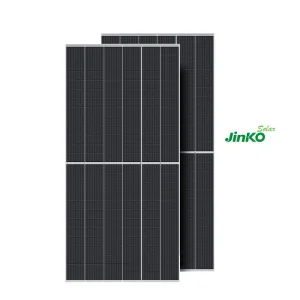
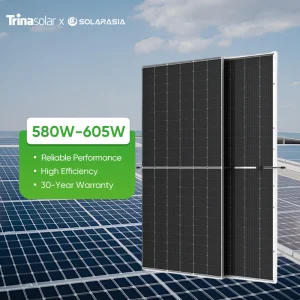
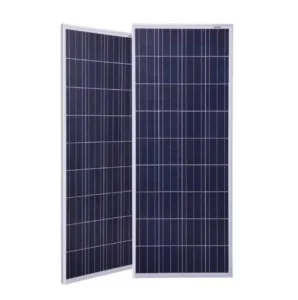
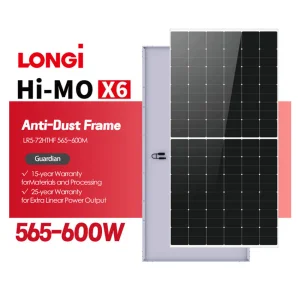
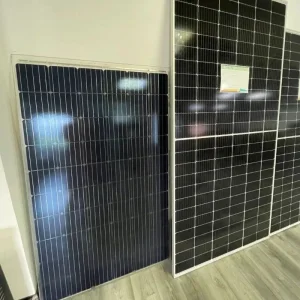
Adapting clean energy systems to meet the unique challenges of local Portuguese business sectors.
Location: Porto & Coimbra Industrial Belts
Textile, ceramic, and metal processing facilities operate with continuous baseload profiles that align well with solar generation curves. Installing customized N-type TOPCon panels helps offset high daytime grid tariffs, lowering peak demand penalties and improving corporate carbon disclosure metrics (under EU Corporate Sustainability Reporting Directive - CSRD).
Location: Vineyards in Alentejo & Douro Valley
Combining agricultural land use with solar generation provides dual benefits. Our bifacial modules offer optimized shading that lowers soil moisture evaporation and protects crops from heat damage. Ground-mounted structures using trackers optimize albedo-driven back-side generation, increasing energy yields by up to 25% compared to single-sided arrays.
Location: Lisbon Airport & Sines Port Zones
Cold-chain facilities experience peak energy demands that match peak solar production hours. Utilizing high-efficiency 580W+ monocrystalline systems provides a reliable power source for refrigeration units. Integrating energy storage systems (BESS) further helps stabilize power quality and mitigates local grid voltage fluctuations.
Answers to technical, regulatory, and logistical questions compiled by our regional engineering teams.
Optimize your project yield and secure competitive B2B pricing. Get in touch to request custom PVsyst simulation files, mechanical loading datasheets, and wholesale pricing for the Portuguese market.
Send Inquiry Now Halkirk Solar