South Africa’s commercial and industrial (C&I) sectors face an unprecedented energy crisis. Compounded by consistent Stage 4 to Stage 6 load shedding, rising municipal tariffs, and structural grid bottlenecks, operations in manufacturing, logistics, and agriculture demand self-generation resilience. Energy supply security is no longer an environmental preference; it is a business continuity mandate.
With the lifting of the NERSA licensing threshold for private power generation, developers across Gauteng, KwaZulu-Natal, and the Western Cape are deploying megawatt-scale solar arrays to lock in levelized cost of energy (LCOE) predictability. High-efficiency commercial solar panels serve as the absolute baseline for these installations, ensuring long-term returns under harsh localized solar irradiance profiles.
Furthermore, businesses are leveraging the South African Government’s SARS Section 12B tax incentive, which allows for accelerated depreciation of renewable assets. Choosing the right module chemistry—optimized for local high-temperature zones and coastal corrosion—directly determines whether these tax-deductible assets deliver their theoretical performance over a 25-to-30-year lifecycle.
While South Africa boasts some of the highest solar resources globally (averaging over 2,500 hours of sunshine per year), extreme ambient temperatures in areas like the Northern Cape and Free State cause significant thermal degradation. Halkirk Solar designs modules with exceptionally low temperature coefficients to minimize power loss when cell temperatures exceed 45°C.
Modern South African installations require rapid power ramp rates and dual-sided (bifacial) gains to feed hybrid battery storage systems optimally during the golden morning and evening peak tariff windows.
Cell Conversion Efficiency
Linear Power Warranty
Annual Degradation Rate
Compliant Testing Standards
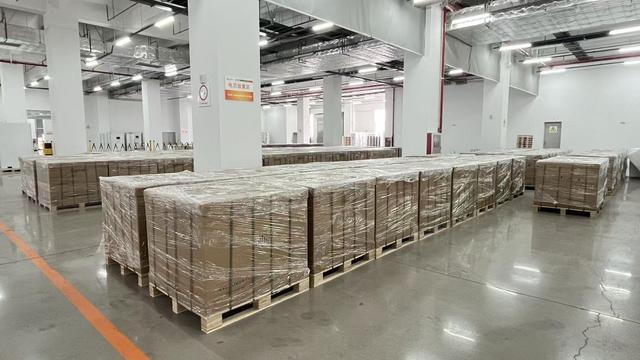
Ningbo Halkirk Solar Co., Ltd. is a professional China solar panel manufacturer and monocrystalline & bifacial solar module supplier, dedicated to delivering high-efficiency renewable energy solutions to customers worldwide. Located in Ningbo, China, the company integrates research and development, manufacturing, quality control, and global sales to provide reliable solar products for residential, commercial, industrial, and utility-scale applications.
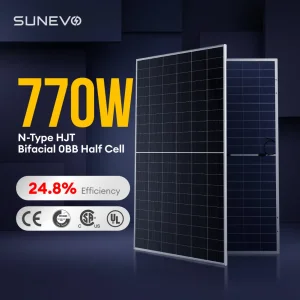
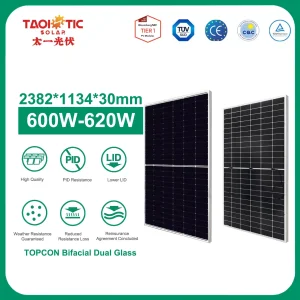
Halkirk Solar specializes in the production of monocrystalline solar panels, bifacial solar modules, TOPCon solar panels, N-type solar modules, off-grid solar solutions, on-grid solar systems, and customized photovoltaic products. Leveraging advanced cell technology and intelligent manufacturing processes, our products are designed to maximize energy output, improve conversion efficiency, and ensure long-term performance in diverse environmental conditions.
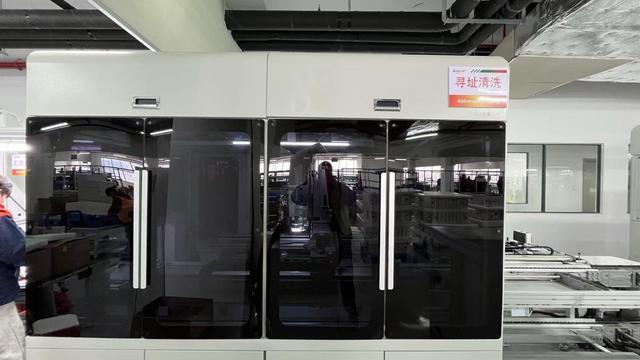
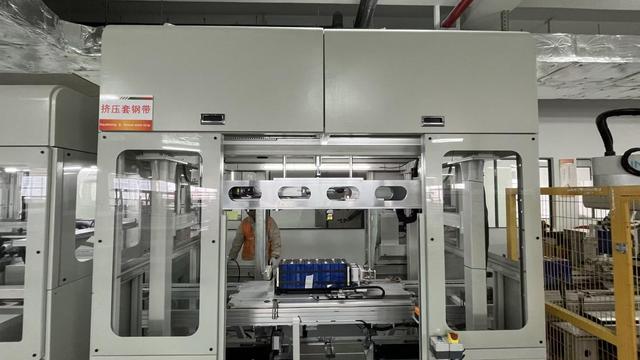
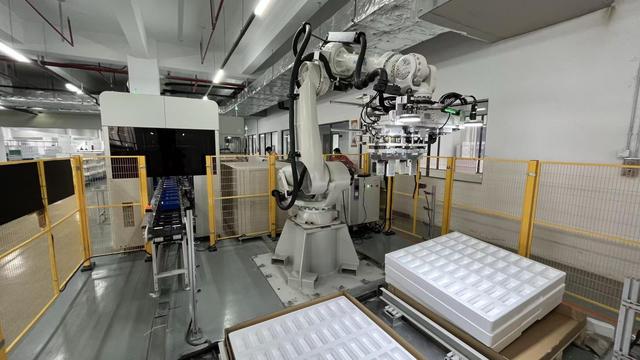
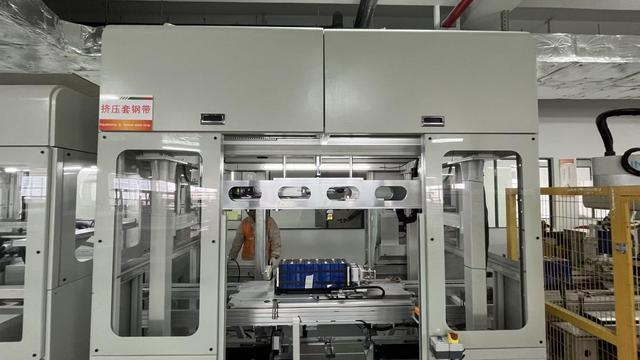
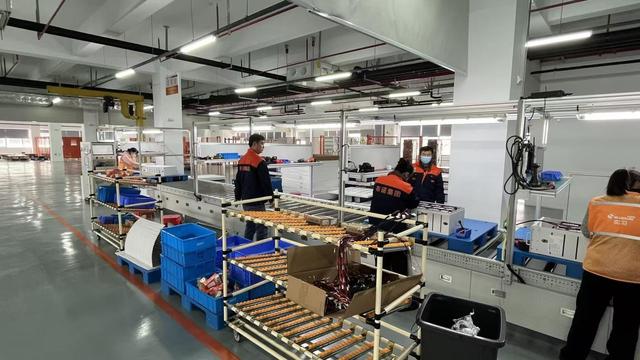
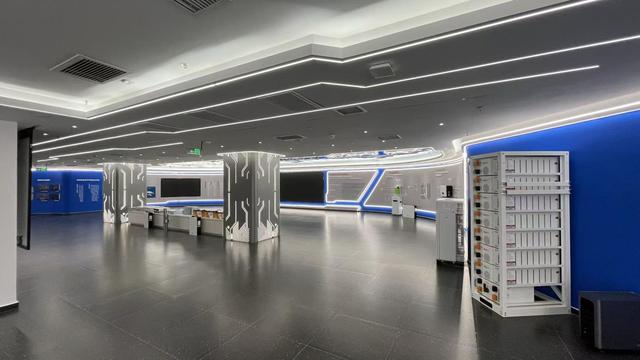
Our modern manufacturing facility is equipped with automated production lines, precision testing equipment, and strict quality management systems. Every solar module undergoes comprehensive inspections and performance testing to guarantee superior reliability, durability, and compliance with international standards.
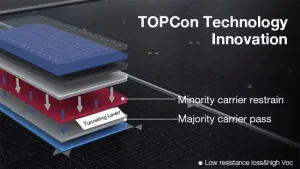
In the South African utility and commercial sector, the transition from P-type PERC to N-type TOPCon (Tunnel Oxide Passivated Contact) has altered project economics. N-type cell structures suffer virtually zero Light Induced Degradation (LID) and feature a significantly better temperature coefficient (typically -0.30%/°C compared to P-type’s -0.35%/°C). Over a 25-year plant life in high-temperature zones like Upington, this delta translates to an extra 3% to 5% cumulative energy yield.
Furthermore, bifaciality factors for N-type modules can reach up to 80-85%, capturing reflected albedo from sandy soils, concrete flat roofs, and gravel bases. For EPCs implementing dual-axis tracking arrays, this generates an additional output boost that lowers the overall Levelized Cost of Electricity (LCOE) and accelerates the ROI payback period down to less than 4 years in post-incentive calculations.
Commercial operations along Durban’s harbor, Cape Town’s industrial sectors, and Port Elizabeth’s automotive plants operate in highly corrosive marine environments. Salt-mist and high humidity lead to rapid electrochemical degradation and Potential Induced Degradation (PID) in sub-standard modules. Halkirk Solar applies severe environmental stress testing, incorporating double-glass structures, specialized POE (Polyolefin Elastomer) encapsulation, and anodized aluminum frames rated for high wind speeds (up to 2400Pa wind load and 5400Pa snow load) to withstand harsh coastal breezes.
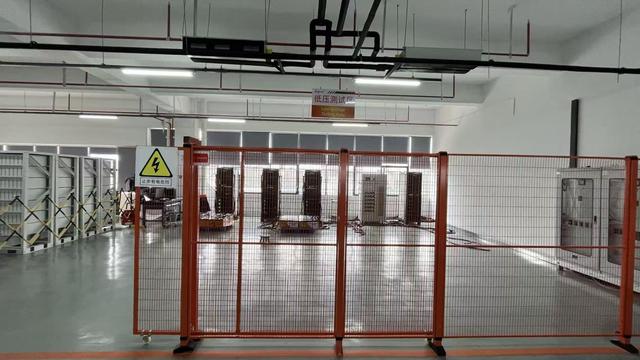
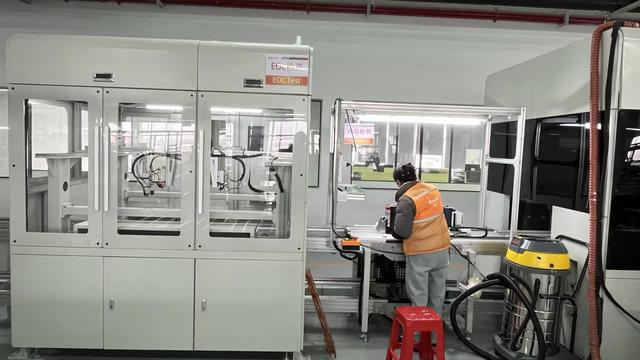
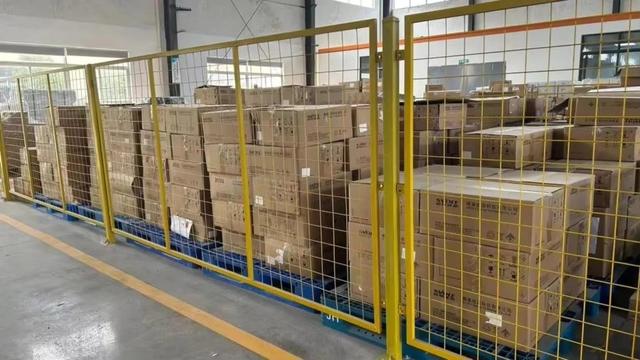
Halkirk Solar offers comprehensive OEM (Original Equipment Manufacturer) and ODM (Original Design Manufacturer) services tailored specifically for international PV brands, local South African EPC contractors, large distributors, and independent power producers (IPPs). Our logistics integrations support frictionless freight delivery to major South African ports, including Durban, Cape Town, and Coega (Gqeberha).
We work closely with clients to customize parameters such as module dimensions, cable lengths (optimized for landscape or portrait tracker alignment), custom black-sheet aesthetics for premium commercial structures, and custom connector configurations (MC4 original or MC4-compatible).
Our quality assurance workflow guarantees that every container shipped to Southern Africa is backed by flash-test data records, structural EL inspection reports, and linear warranty certificates matching the batch numbers, ensuring seamless compliance verification during project handovers.
We offer customized vertical packing structures for container shipments, reducing the risk of micro-cracks during long sea routes and rugged inland road transits from ports to rural C&I sites in the Free State or Limpopo.
Halkirk modules are manufactured under strict conditions to align with the bankability guidelines required by major South African commercial lenders, including Standard Bank, Nedbank, and Absa.
 Halkirk Solar