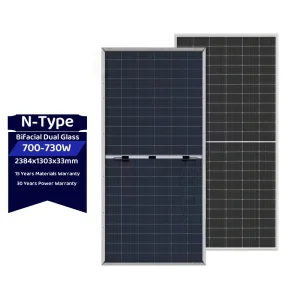
Explore our elite monocrystalline configurations selected specifically for high load-bearing factory roofs and high-yield power plants in Aichi's industrial zone.
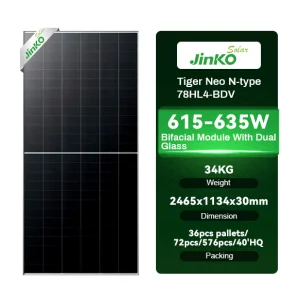
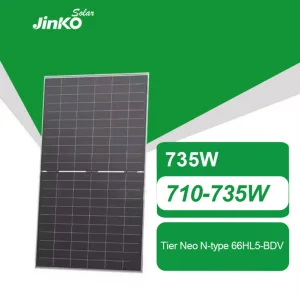
Nagoya, the capital of Aichi Prefecture, stands as the economic core of Japan's Chukyo industrial region. Driven by major automotive, aviation, and machinery conglomerates, the prefecture has set aggressive carbon neutrality targets under Japan's revised FIT (Feed-in Tariff) and FIP (Feed-in Premium) schemes. Consequently, industrial parks, manufacturing plants, and logistics hubs are shifting rapidly toward on-site PPA (Power Purchase Agreements) and rooftop solar installations to cut Scope 2 greenhouse emissions.
Installing solar in the Nagoya metropolitan area comes with distinct engineering constraints. The local environment demands monocrystalline PV modules capable of withstanding:
Understanding the technical parameters critical for lowering the Levelized Cost of Energy (LCOE) in Nagoya's regional climate.
| Cell Technology | Avg. Efficiency Range | Temperature Coefficient | Bifaciality Factor | First-Year Degradation | Ideal Application in Nagoya |
|---|---|---|---|---|---|
| N-Type TOPCon | 22.5% - 23.2% | -0.30% / °C | 75% - 85% | < 1.0% | Commercial roofs, high-humidity urban areas, FIT projects. |
| HJT (Heterojunction) | 23.0% - 24.5% | -0.26% / °C | 85% - 95% | < 1.0% | Coastal ground-mount utility farms, high-albedo surfaces. |
| HPBC (Back Contact) | 22.8% - 23.5% | -0.29% / °C | Single-sided focus | < 1.5% | Premium residential roofs, aesthetically restricted historic zones. |
| P-Type PERC | 21.0% - 22.0% | -0.35% / °C | 65% - 75% | < 2.0% | Standard installations with tight upfront budget limits. |
SEO Insight & Technical Reality: During Nagoya's hot and humid summers (temperatures regularly topping 35°C in Aichi Prefecture), module temperatures on industrial metal roofs can surpass 65°C. With a standard P-type PERC panel, output degrades by up to 14%. By upgrading to N-type TOPCon or HJT cells, temperature-related power loss drops by nearly 30%, which significantly increases total megawatt-hour yield over the system's 25-to-30-year operational life.
Seamless shipping, customs handling, and tier-1 procurement logistics tailored for Japanese EPC contractors.
Leveraging our prime location in Ningbo, we provide direct sea transit to the Port of Nagoya in 4 to 5 days, minimizing transport emissions and reducing overall lead times.
We supply detailed electroluminescence (EL) test reports, flash test flash files, and raw material bills of materials (BOM) to support your METI registrations.
Every module undergoes triple EL inspections during production to eliminate micro-cracks, assuring physical integrity prior to containerization.
Ningbo Halkirk Solar Co., Ltd. is a professional China solar panel manufacturer and monocrystalline & bifacial solar module supplier, dedicated to delivering high-efficiency renewable energy solutions to customers worldwide. Located in Ningbo, China, the company integrates research and development, manufacturing, quality control, and global sales to provide reliable solar products for residential, commercial, industrial, and utility-scale applications.
Halkirk Solar specializes in the production of monocrystalline solar panels, bifacial solar modules, TOPCon solar panels, N-type solar modules, off-grid solar solutions, on-grid solar systems, and customized photovoltaic products. Leveraging advanced cell technology and intelligent manufacturing processes, our products are designed to maximize energy output, improve conversion efficiency, and ensure long-term performance in diverse environmental conditions.
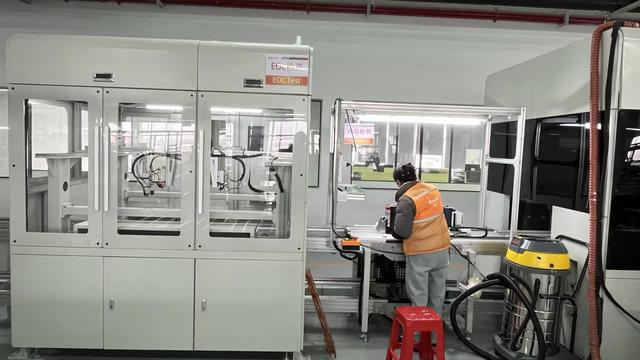
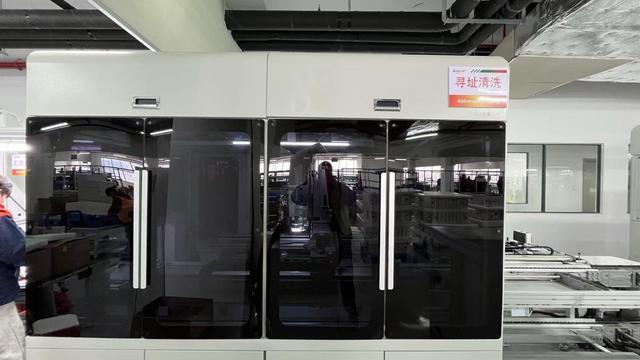
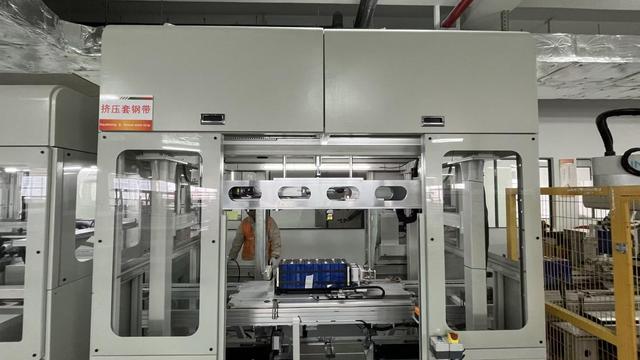
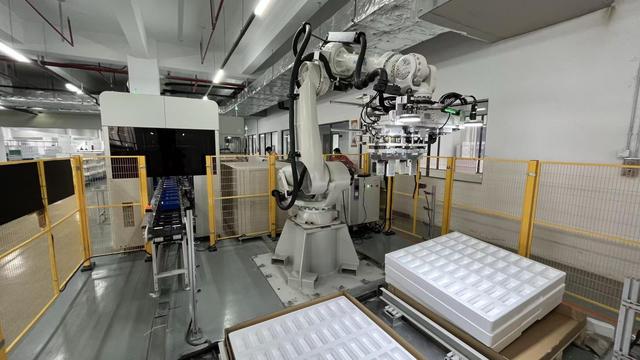
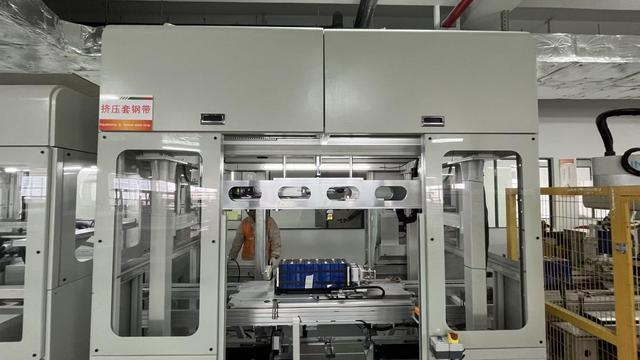
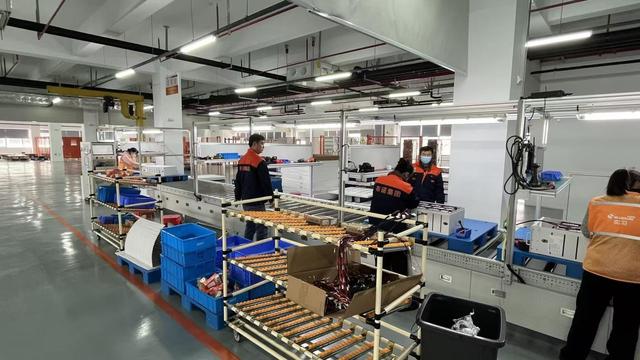
Our modern manufacturing facility is equipped with automated production lines, precision testing equipment, and strict quality management systems. Every solar module undergoes comprehensive inspections and performance testing to guarantee superior reliability, durability, and compliance with international standards. We are committed to providing products that meet the evolving demands of the global renewable energy market.
To better serve international customers, Halkirk Solar offers flexible OEM and ODM services for solar brands, distributors, EPC contractors, wholesalers, and project developers. Our experienced engineering and technical teams work closely with clients to deliver customized solar solutions tailored to specific project requirements, market demands, and branding needs.
Driven by innovation, sustainability, and customer satisfaction, Ningbo Halkirk Solar Co., Ltd. continues to expand its presence in global markets. We strive to become a trusted partner in the photovoltaic industry by providing high-quality solar modules and clean energy solutions that support a sustainable future.
Get Technical Collaboration Details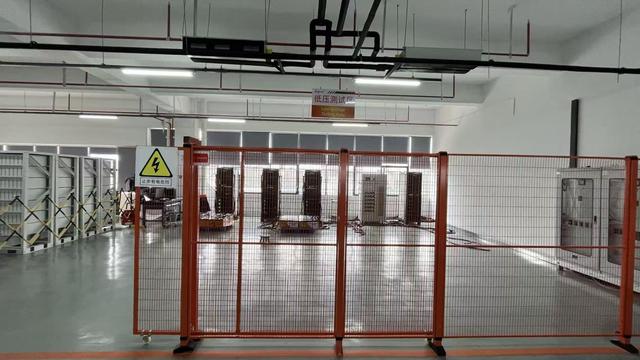
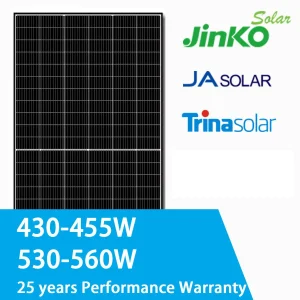
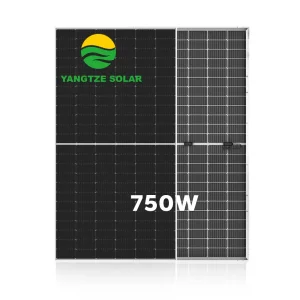
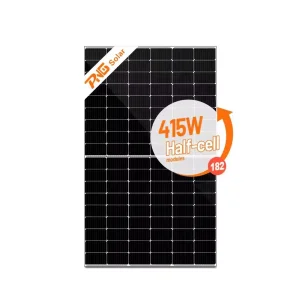
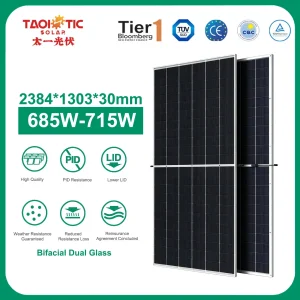
Select from our certified high-efficiency monocrystalline solar panels optimized for Nagoya's grid connections.
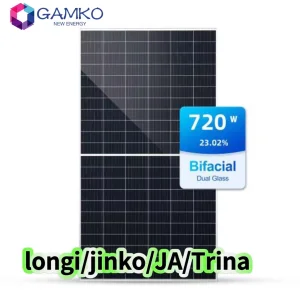
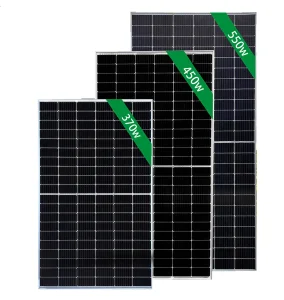
Require customized electrical design parameters or physical dimension alterations for your industrial deployment in Nagoya? Reach out to our design department.
Send Inquiry NowTechnical and regulatory insights regarding importing and installing solar panels in the Japanese commercial sector.
Yes. Our manufacturing facility complies with JIS (Japanese Industrial Standards) including JIS C 8918 (monocrystalline solar cells and modules). We supply all verification documents, cell sorting profiles, and test files required by Japanese utilities and METI to streamline grid connection approvals.
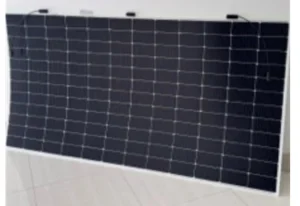
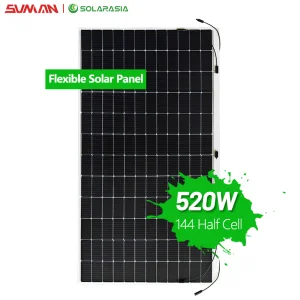
For older structures built with lower load bearings, we recommend our specialized Wholesale Industrial Flexible Monocrystalline panels (430W-520W). Weighing up to 70% less than glass-based modules, they bond directly to structural metal sheet roofs without steel support structures, bypassing the need for structural reinforcements.
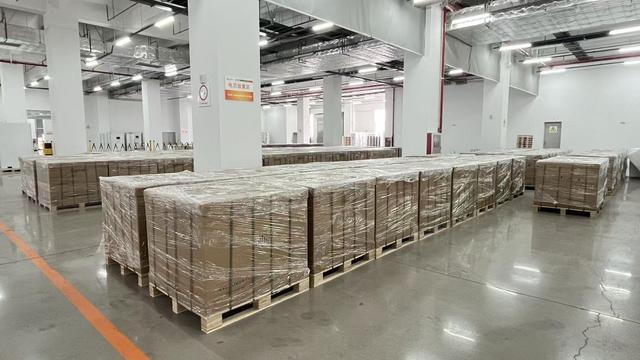
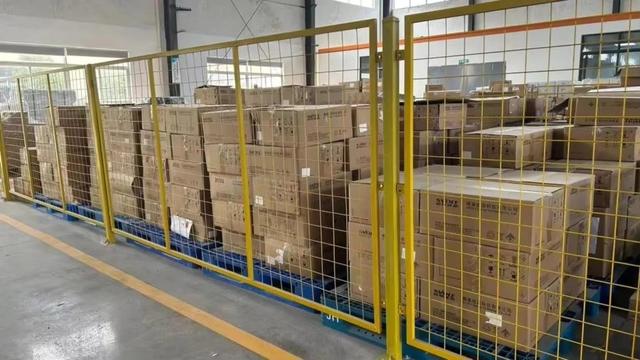
We manage custom packing using sea-freight pallets designed to limit shipping vibration. Shipping from Ningbo Port to Nagoya Port typically takes 4 to 6 days. Our logistics team handles international documents to simplify custom clearances for Nagoya or Yokohama import hubs.
Our double glass monocrystalline panels use advanced POE encapsulation and dual-glass layers. This design ensures they are completely sealed, preventing salt-water air ingress and reducing corrosion in shoreline areas like Minato Ward and outer Ise Bay.
Yes. We offer complete OEM services, including custom labels, custom cable lengths, specific MC4 connector models, and structural frames colored to fit the design requirements of Japanese residential and industrial installations.
We run high-resolution electroluminescence (EL) imaging at three production points: pre-lamination, post-lamination, and right before final packaging. This ensures every module arrives at the site without hidden micro-fractures, maintaining structural integrity through transport and installation.
 Halkirk Solar