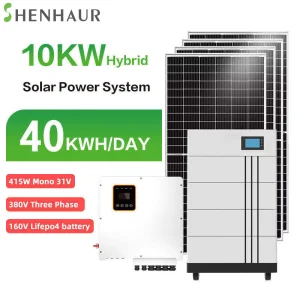
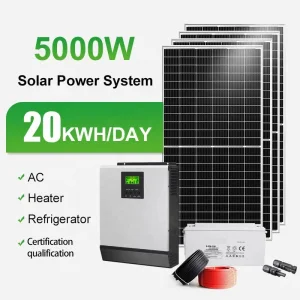
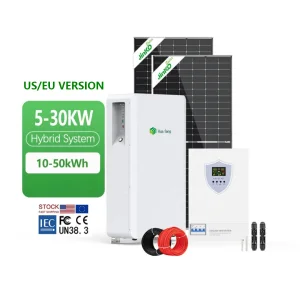
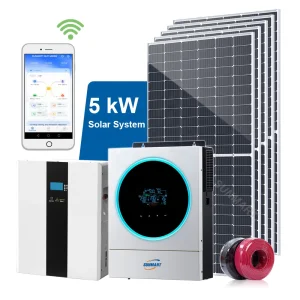
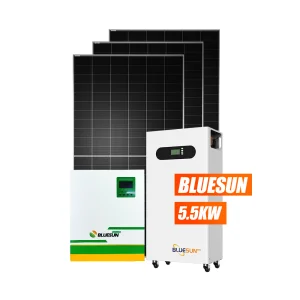
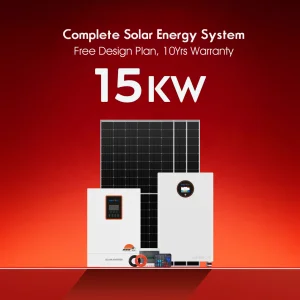
Optimized solar panel modules and complete energy kits customized specifically to combat Jakarta's urban grid fluctuations and remote region supply deficits.
As Southeast Asia's largest economy, Indonesia is undergoing an unprecedented shift toward green energy. With its capital and primary trade engine centered in Jakarta, the archipelago faces unique geographical and infrastructure challenges. Compounded by complex geography comprising over 17,000 islands, delivering reliable, centralized electricity remains a logistical and financial hurdle. In rural provinces, coastal regions, and localized industrial zones, off-grid solar systems coupled with battery storage solutions present the only viable, stable alternative to costly, fossil-fuel-dependent diesel generators.
In accordance with Indonesia's Net Zero Emission (NZE) target by 2060, the Ministry of Energy and Mineral Resources (ESDM) has continually updated regulations to encourage commercial and industrial (C&I) sectors to deploy microgrid systems. Off-grid solar technologies bypass traditional distribution blockages, providing continuous energy autonomy.
Jakarta’s tropical monsoon climate features high average temperatures, relentless relative humidity (often exceeding 85%), and heavy seasonal precipitation. Conventional solar modules experience severe performance decay under these conditions due to Potential Induced Degradation (PID) and Light and Elevated Temperature Induced Degradation (LeTID). To combat this, Ningbo Halkirk Solar Co., Ltd. incorporates cutting-edge TOPCon (Tunnel Oxide Passivated Contact) N-type cell technology. This advancement offers a superior temperature coefficient (-0.30%/°C) and robust degradation resistance, securing peak power yields even on hot, overcast equatorial days.
Providing independent electricity to isolated islands where traditional subsea cabling from the main Java-Bali grid is logistically impossible.
Continuous power supply for shrimp farms and refrigeration units along the coastline, immune to localized grid blackouts.
Hedges commercial facilities against voltage drops and power outages in Jabodetabek industrial complexes (Kawasan Industri).
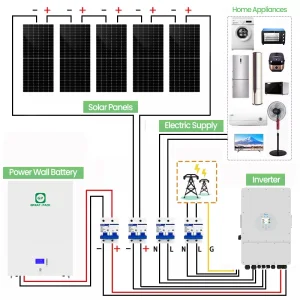
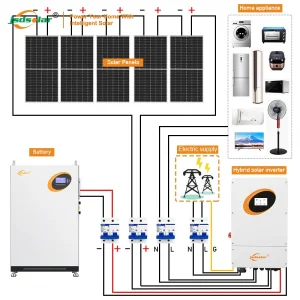
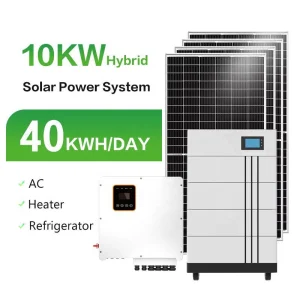
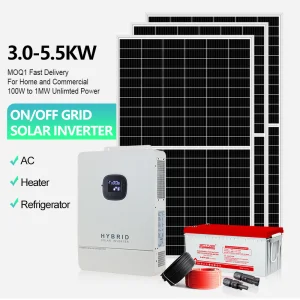
Engineered with high-capacity lithium iron phosphate (LiFePO4) storage batteries and intelligent multi-phase hybrid inverters for total structural power reliability.
Establishing a resilient clean energy pipeline requires more than superior hardware; it relies on strategic logistics and strong manufacturing foundations. Ningbo Halkirk Solar Co., Ltd., based in Ningbo, China, leverages direct access to the world's most active deepwater port: the Ningbo-Zhoushan Port. This proximity enables efficient B2B shipping routes to the Port of Tanjung Priok in North Jakarta. Our logistics integration translates to optimized transit schedules, reduced sea freight expenses, and streamlined customs clearance procedures for Indonesian buyers.
By keeping the entire R&D and automated assembly framework centralized in Ningbo, we capitalize on the local semiconductor and raw materials ecosystem. This structured vertical integration ensures we source top-grade silicon wafers, robust EVA encapsulants, and anti-reflective tempered glass at scale. The cost-saving results are directly transferred to Indonesian project developers, EPC contractors, and electrical equipment wholesalers, ensuring premium performance at highly competitive rates.
We supply customized solar panel dimensions, custom electrical configurations, and branded packaging to meet localized project tenders and regulatory expectations across Southeast Asia.
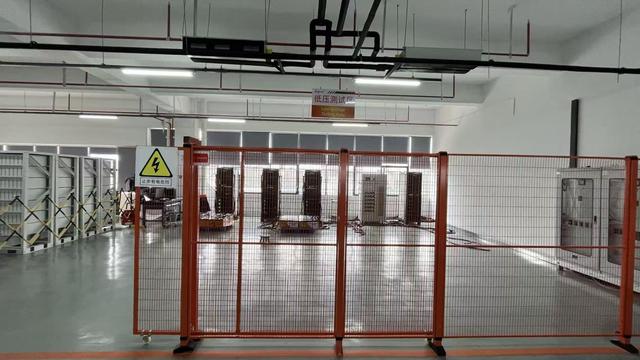
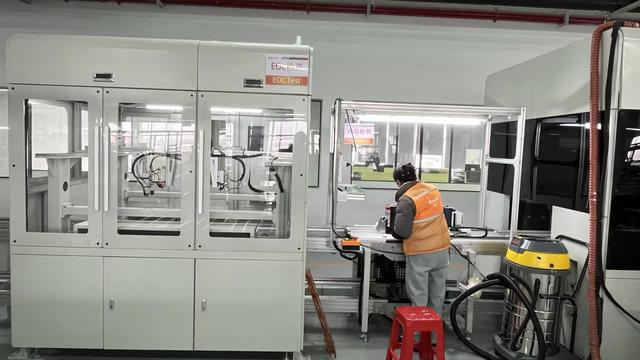
Our modern manufacturing facility is equipped with automated production lines, precision testing equipment, and strict quality management systems. Every solar module undergoes comprehensive inspections and performance testing to guarantee superior reliability, durability, and compliance with international standards. We are committed to providing products that meet the evolving demands of the global renewable energy market.
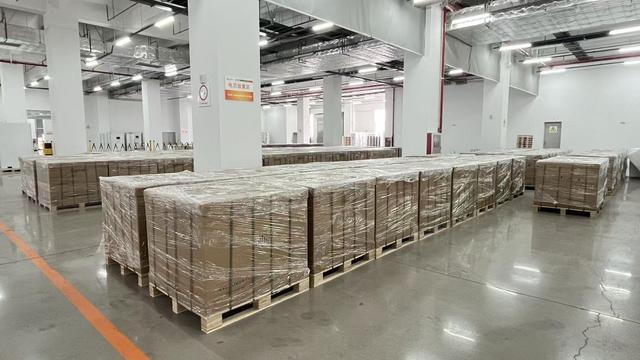
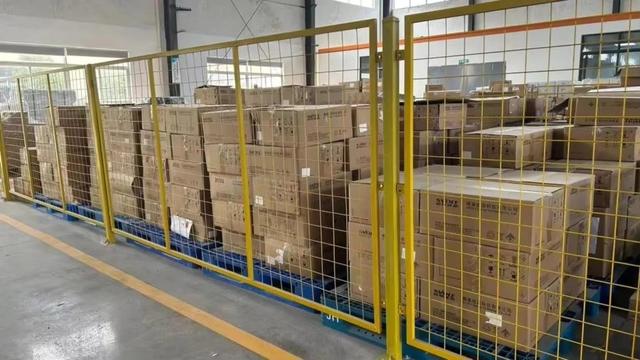
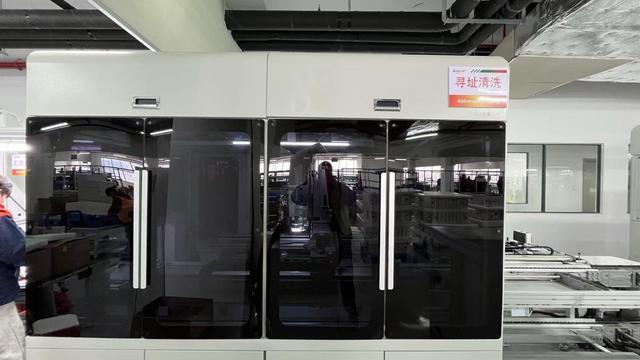
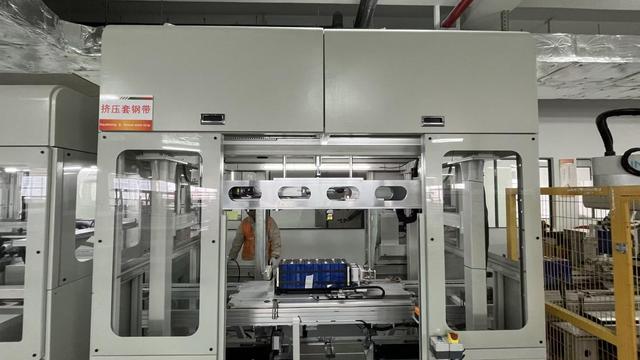
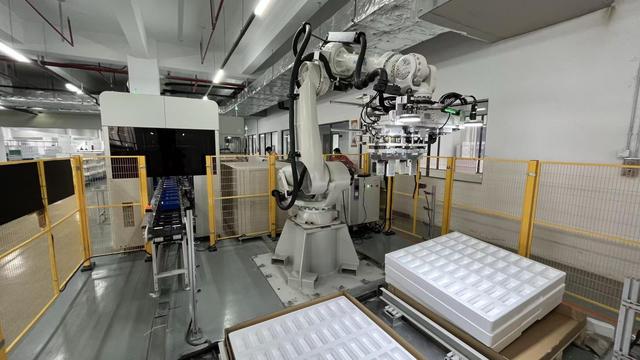
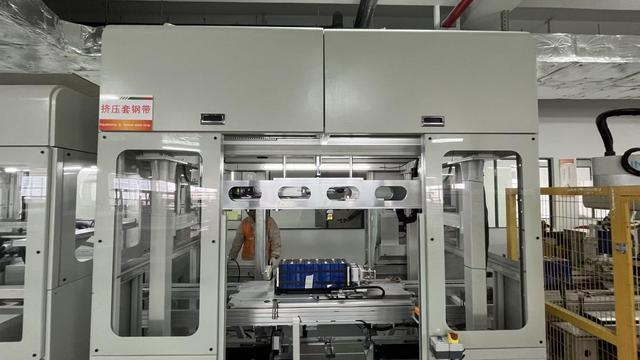
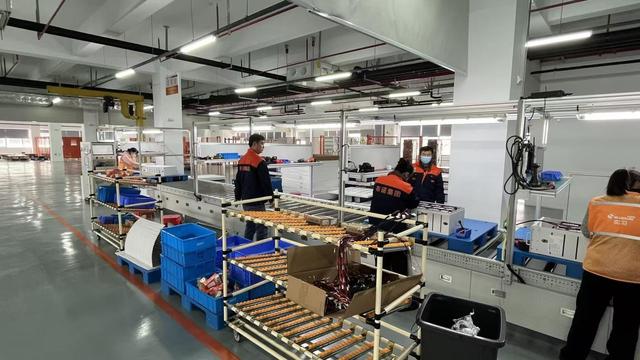

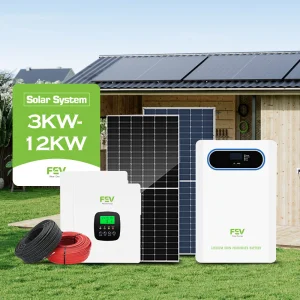
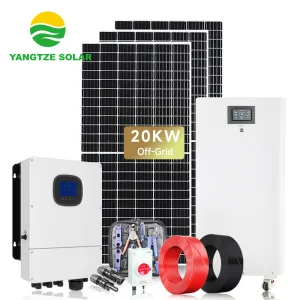
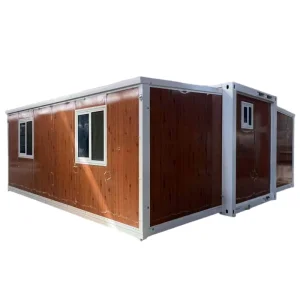
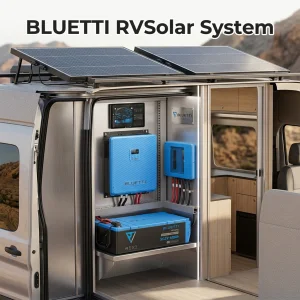
From modular containerized energy systems to complete rooftop installation arrays, choose the exact configuration built for Indonesian environmental standards.
For international buyers and procurement officers sourcing solar modules for the Indonesian market, understanding the local compliance framework is vital. The Indonesian Ministry of Industry enforces specific local content regulations known as **TKDN (Tingkat Komponen Dalam Negeri)**. Depending on the project funding source (state budget vs. private investment), PV modules are required to meet designated local content percentages. Halkirk Solar partners closely with local EPC companies to supply semi-finished cells, components, or custom system designs that help buyers meet these criteria for state-backed projects.
Furthermore, imports of photovoltaic modules are subjected to stringent **SNI (Standar Nasional Indonesia)** safety and quality certifications. By maintaining standard-compliant manufacturing lines (IEC 61215, IEC 61730, CE, ISO 9001, and ISO 14001), our factory ensures that our shipments pass testing procedures at Tanjung Priok customs with optimal efficiency, minimizing costly logistical delays for your commercial deployments.
Every batch of solar modules produced by Ningbo Halkirk Solar Co., Ltd. is subjected to a triple-tier optical and structural quality verification process:
Clear, expert insights addressing standard B2B procurement, shipping, compliance, and technological questions regarding Indonesian solar operations.
Connect directly with our senior application engineers to receive custom technical calculations, factory pricing sheets, and direct shipping logistics options for the Indonesian market.
Send Inquiry Now Halkirk Solar