Premium Grade Solar Energy Storage Systems Custom-Tailored for Dhaka, Chittagong, and Rural Bangladesh Infrastructures.
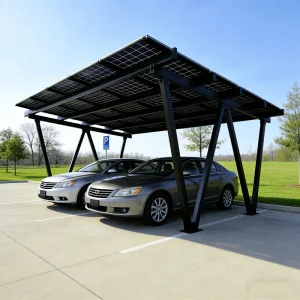
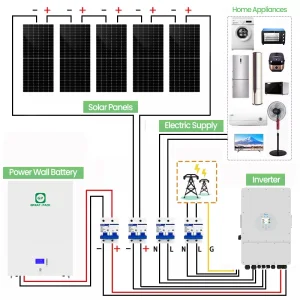
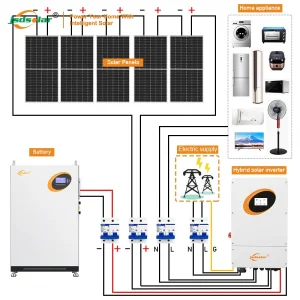
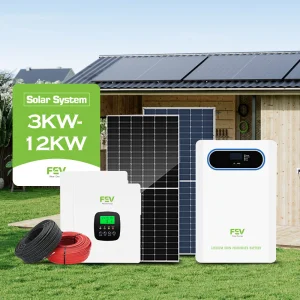
Addressing localized energy deficits, industrial grid stability, and rural electrification challenges through Tier-1 manufacturing competencies.
As one of Asia's fastest-growing manufacturing economies, particularly across the Ready-Made Garments (RMG), textile, and chemical processing fields, Bangladesh's demand for electricity has surged exponentially. However, centralized grid expansion faces continuous challenges, including distribution congestion, structural transmission losses, and fossil-fuel import volatility. For industrial zones in Gazipur, Narayanganj, and Mymensingh, frequent load shedding and unstable grid frequency translate into severe operational downtime. Off-grid solar solutions, coupled with robust energy storage system (ESS) topologies, represent a critical survival mechanism for enterprises striving to sustain global production commitments.
A significant portion of the country's population resides in rural "char" regions (riverine islands) and coastal delta belts (e.g., Sundarbans, Patuakhali, Bhola) where grid extension is technically and financially unfeasible. For decades, the Infrastructure Development Company Limited (IDCOL) pioneered the Solar Home System (SHS) program. Today, the transition has shifted from basic lighting to high-capacity mini-grids, agricultural solar irrigation pumps, and productive-use industrial off-grid stations. These applications require high-yield, micro-climate resilient monocrystalline and bifacial TOPCon modules that can withstand high ambient humidity, saline-rich coastal winds, and seasonal monsoon flooding.
The Sustainable and Renewable Energy Development Authority (SREDA) of Bangladesh has instituted regulatory frameworks to promote clean energy integration. Global retail buyers demand that Bangladeshi apparel factories source their energy from zero-carbon assets to meet strict ESG metrics. Deploying highly durable off-grid PV carports and industrial rooftop solar arrays directly translates to tariff reduction, carbon footprint elimination, and long-term operating expense predictability. To qualify for import and local commercial implementation, PV products must exhibit conformity to international standards (IEC 61215/61730) verified by authorities like BSTI.
Leading the industry in Monocrystalline, TOPCon, and N-Type PV manufacturing from Ningbo to Chittagong Port.
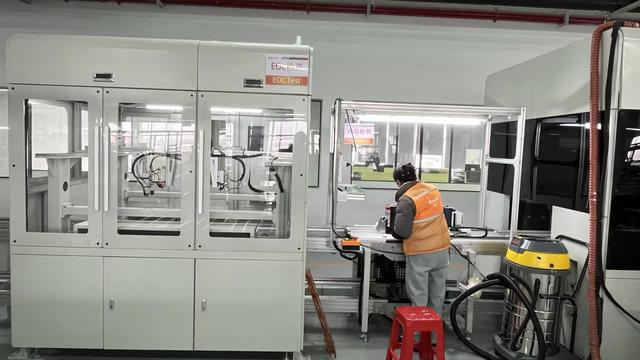
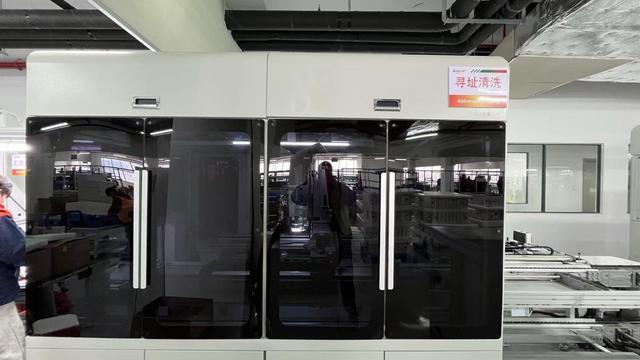
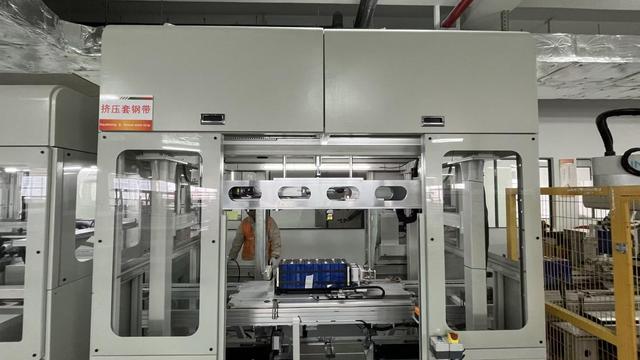
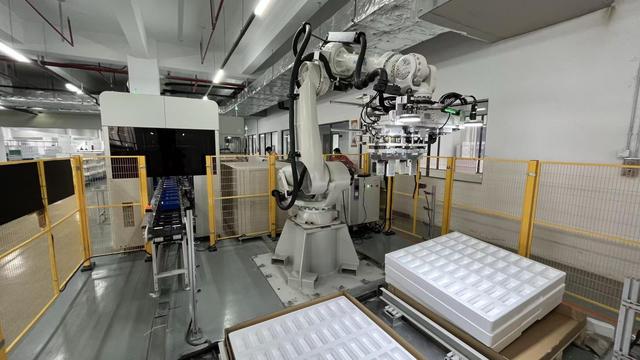
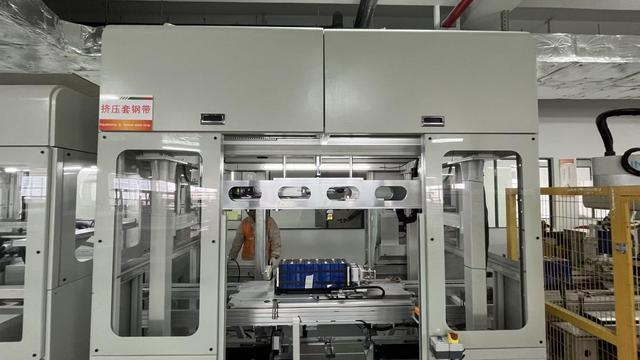
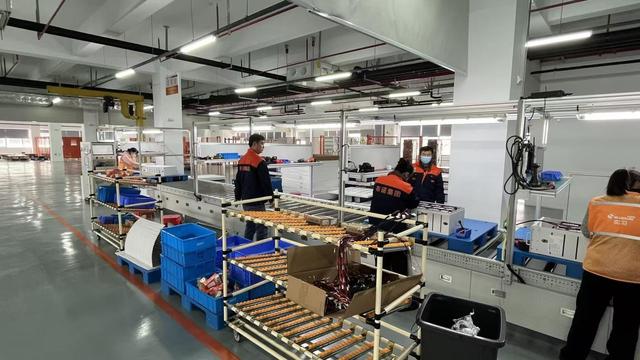
Utilizing high-speed fully automated production lines in Ningbo. Our facilities integrate laser non-destructive cutting, high-density cell packing, and intelligent sorting to eliminate micro-cracks and mismatch losses.
Every module undergoes triple Electroluminescence (EL) inspection, high-accuracy IV flash testing, and mechanical load pressure testing. We strictly adhere to ISO 9001, ISO 14001, and ISO 45001 standards.
We provide full-spectrum branding, mechanical sizing, electrical configuration, and packaging customization for local EPC contractors, solar brands, and wholesale distributors in Bangladesh.
How Halkirk Solar optimizes off-grid products to survive Bangladesh's rigorous climatic conditions.
Standard solar modules often fail prematurely in tropical environments like Bangladesh due to PID (Potential Induced Degradation), water vapor ingress, and salt-mist corrosion along coastal areas like Cox's Bazar and Mongla. To mitigate these risks, Halkirk Solar incorporates state-of-the-art materials:
| Parameter / Metric | Halkirk TOPCon N-Type Series | Standard Industry Mono Modules | Bangladesh Market Benefit |
|---|---|---|---|
| Temperature Coefficient | -0.30% / °C | -0.39% / °C | Produces up to 4.5% more daily energy in 38°C summers. |
| Bifaciality Factor | 80% ± 5% | 70% | Captures albedo reflections on sandy or wet soils in river beds. |
| PID Resistance | Zero Degradation (POE) | 3-5% drop in high-humidity | Guarantees 25+ years of continuous operating stability. |
| Wind Load Protection | Certified up to 5400 Pa | 2400 Pa | Survives tropical cyclones and heavy gale forces. |
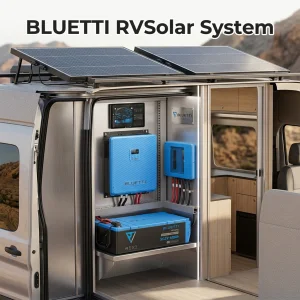
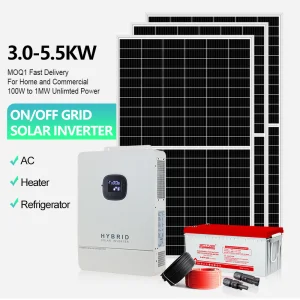
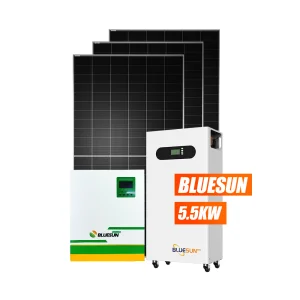
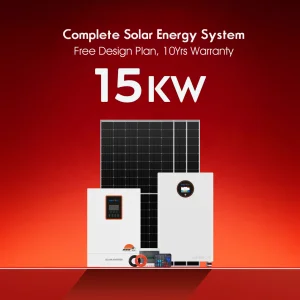
Complete balance-of-system solutions engineered for seamless energy storage and off-grid control.
A strategic guide on shipping, tariff benefits, compliance, and localized installation support.
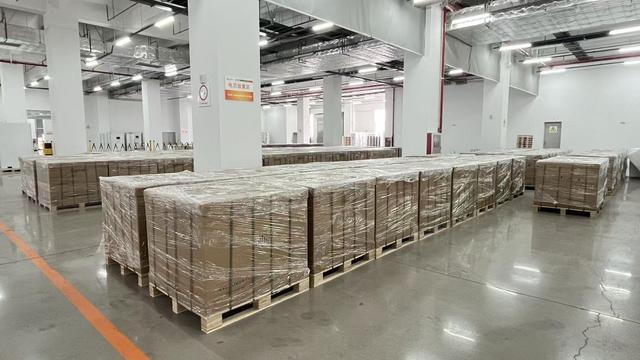
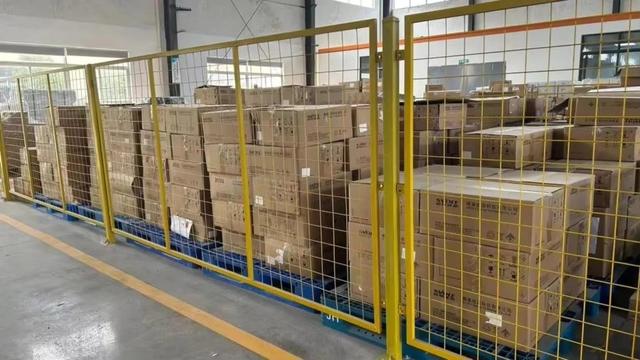
Our experienced logistics department works directly with leading freight forwarders servicing the Ningbo-Zhoushan Port to Chittagong Port (CGP) shipping lane. We provide clean, compliant documentation including certified Bills of Lading, HS Code classification advisory, Certificates of Origin (Form E to minimize tariff impact), and detailed packing lists. Understanding the local customs processes allows us to optimize package volume, minimizing handling delays at the Chittagong port terminal.
The Government of Bangladesh actively encourages clean energy transitions. While solar panels benefit from duty exemptions, associated system components like hybrid inverters and lithium batteries require precise customs categorization to qualify for favorable tax treatments. Halkirk Solar helps distributors classify items properly under international customs codes to streamline import processes.
We do not just ship containers; we support local EPC (Engineering, Procurement, and Construction) companies. Our engineering department offers 3D array layout designs, string configuration modeling, and remote commissioning assistance via video support. This ensures that when products land in Bangladesh, they are installed correctly, safely, and efficiently.
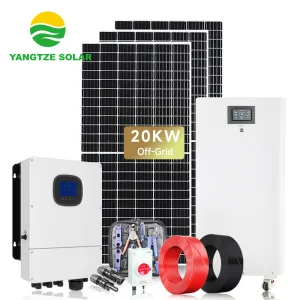
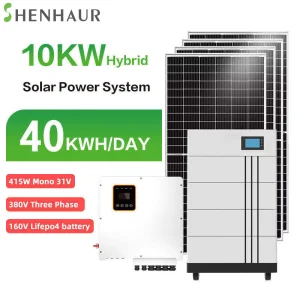
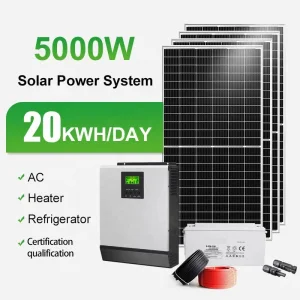
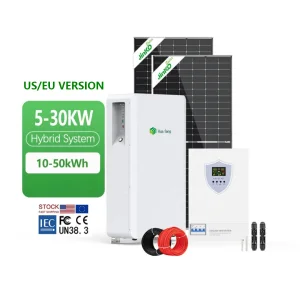
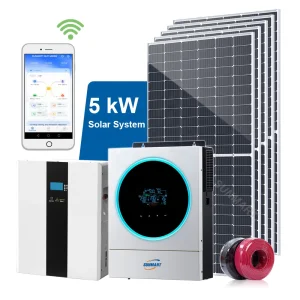
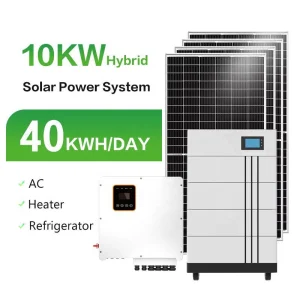
High-efficiency components and structural configurations optimized for multi-kilowatt arrays across Bangladesh.
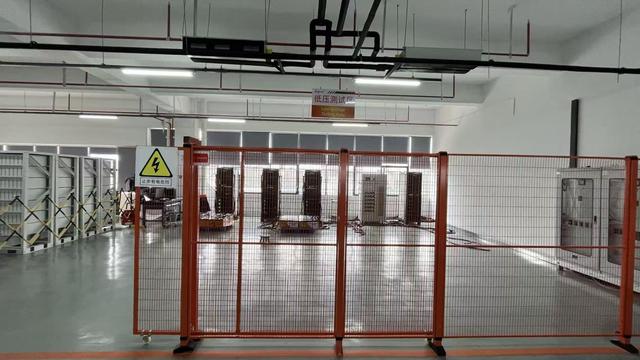
Witness our standard automated production, precise cell selection, and module assembly processes.
Get answers to common queries regarding technology selection, certifications, and shipping logistics.
 Halkirk Solar