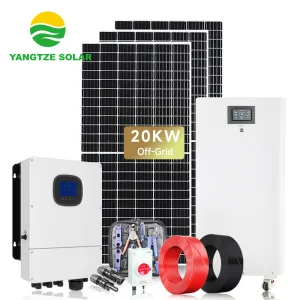
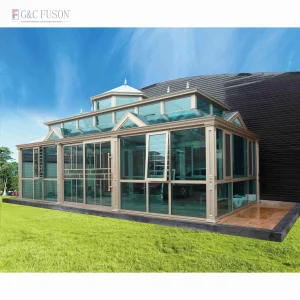
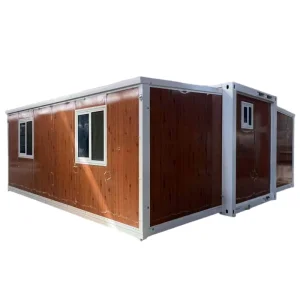
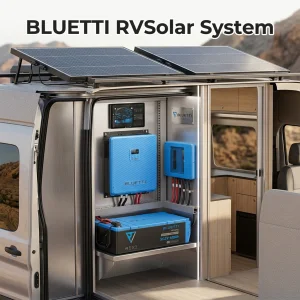
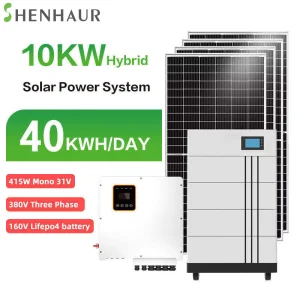
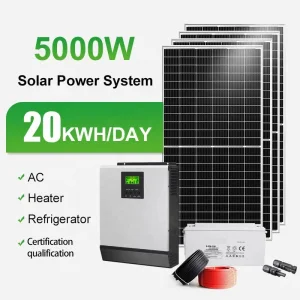
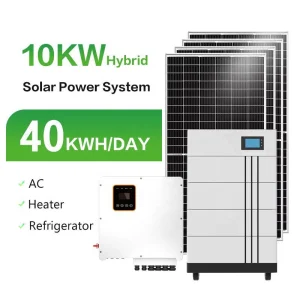
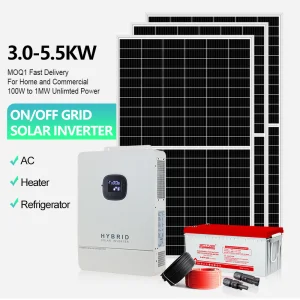
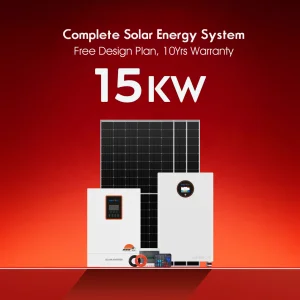
Direct factory supply from Ningbo, customized with robust structural ratings for snow and wind loads across Canada.
Canada’s vast geography features unique energy challenges, particularly in remote regions, northern territories, and agricultural sectors. High-latitude installations demand a different design approach compared to typical mid-latitude setups. In provinces like Alberta, Saskatchewan, and Manitoba, solar irradiance is exceptionally strong, yet winter temperatures regularly drop below -30°C. For industrial off-grid projects, mining operations, remote cabins, and municipal facilities in Yukon, Nunavut, and the Northwest Territories, grid-parity is replaced by a reliance on expensive, high-emission diesel generators. Off-grid solar systems coupled with lithium iron phosphate (LiFePO4) energy storage serve as a critical solution to lower Levelized Cost of Energy (LCOE) and meet strict carbon-reduction mandates.
One of the primary advantages of Canadian solar design is the presence of snow for multiple months per year. Snow reflects solar radiation (albedo values up to 80-90%). By deploying N-type TOPCon Bifacial Solar Modules, off-grid systems can capture reflected light on their rear side, increasing the overall energy output by up to 30%. However, this requires panels with a high bifaciality factor and specialized structural rack tilt angles (typically between 35° and 60° depending on latitude) to prevent snow accumulation from blocking the front face while optimizing the angle of incidence.
Contrary to popular belief, solar panels operate more efficiently in cold temperatures. However, extreme cold increases the open-circuit voltage (Voc), which can overload standard charge controllers if not accounted for during the system design phase. Ningbo Halkirk Solar's custom-engineered off-grid solar panels possess a low temperature coefficient of Pmax (-0.30%/°C), ensuring consistent performance without voltage spikes, while our heavy-duty anodized aluminum frames are rated for mechanical wind loads up to 2400 Pa and snow loads up to 5400 Pa.
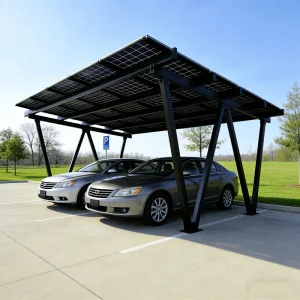
Robust, modular building solutions and high-capacity mobile off-grid kits configured specifically for Canadian structural compliance.
The global solar market is transitioning rapidly from P-type PERC technology to N-type TOPCon (Tunnel Oxide Passivated Contact) and HJT (Heterojunction) cell structures. This shift is driven by the demand for higher efficiency, lower degradation rates, and superior performance under weak light conditions. For Canadian project developers, commercial builders, and solar distributors, finding a manufacturing partner that combines state-of-the-art technological production with rapid manufacturing scalability is key to maintaining a competitive edge.
Ningbo Halkirk Solar Co., Ltd. leverages the localized industrial cluster of Zhejiang province. Ningbo is home to one of the world's largest deep-water ports, facilitating fast, direct shipping routes to major Canadian container hubs in Vancouver, Prince Rupert, and Montreal. The local supply chain integrates raw material sourcing (polysilicon ingot casting, wafer slicing, EVA and POE film extrusion, and tempered glass fabrication) within a 100-kilometer radius. This proximity reduces freight-induced emissions and production turnaround times, allowing us to offer highly competitive pricing structures for utility-scale developments and distributor portfolios.
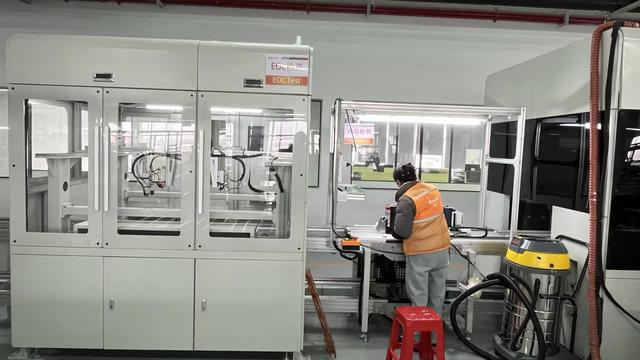
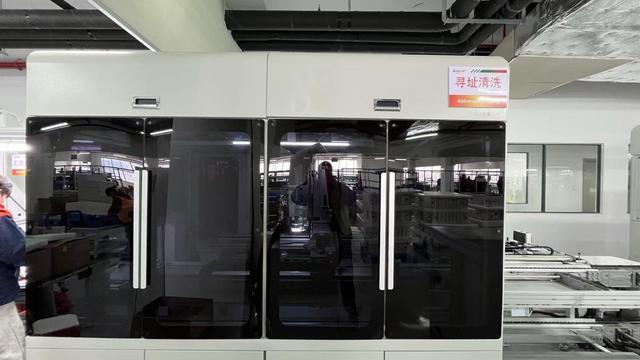
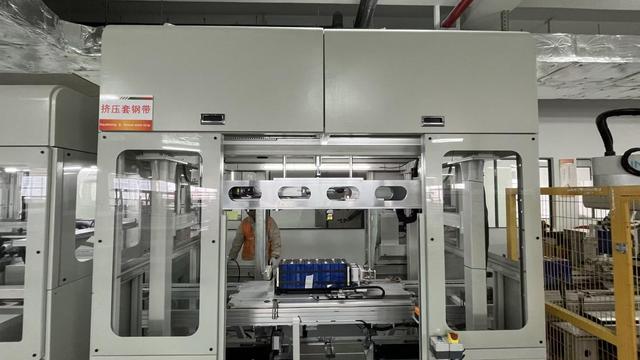
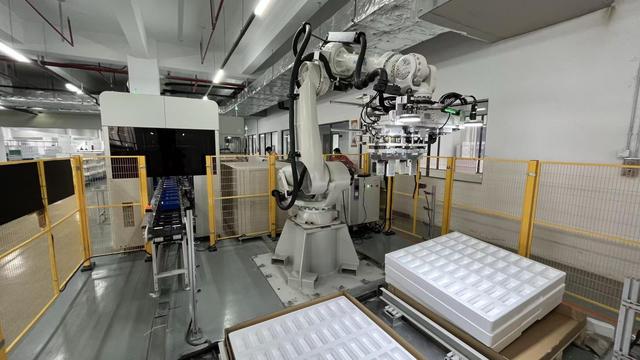
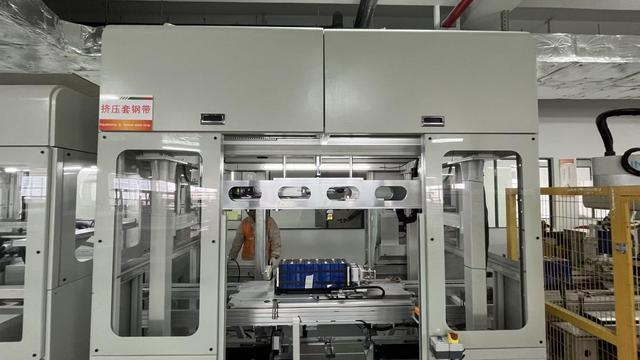
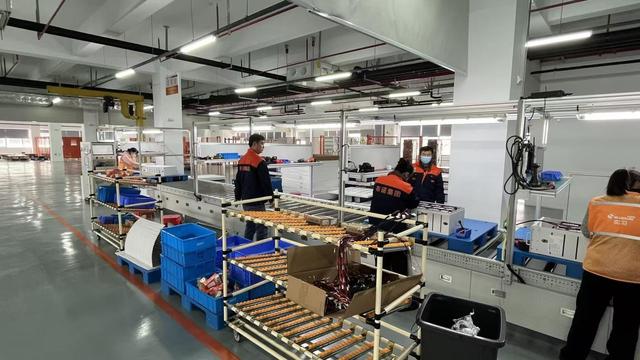
Every single photovoltaic module that exits our Ningbo production facility undergoes rigorous quality control checks. This includes double EL (Electroluminescence) testing to check for micro-cracks before and after lamination, flash testing to verify electrical output tolerances (guaranteeing 0 to +3% positive tolerance), and wet leakage tests to verify waterproofing and electrical isolation. Our lines are fully automated, utilizing robotic cell alignment and string soldering, which minimizes human-error deviations and ensures long-term operational lifetimes exceeding 25 years.
Ningbo Halkirk Solar Co., Ltd. is a professional China solar panel manufacturer and monocrystalline & bifacial solar module supplier, dedicated to delivering high-efficiency renewable energy solutions to customers worldwide. Located in Ningbo, China, the company integrates research and development, manufacturing, quality control, and global sales to provide reliable solar products for residential, commercial, industrial, and utility-scale applications.
Halkirk Solar specializes in the production of monocrystalline solar panels, bifacial solar modules, TOPCon solar panels, N-type solar modules, off-grid solar solutions, on-grid solar systems, and customized photovoltaic products. Leveraging advanced cell technology and intelligent manufacturing processes, our products are designed to maximize energy output, improve conversion efficiency, and ensure long-term performance in diverse environmental conditions.
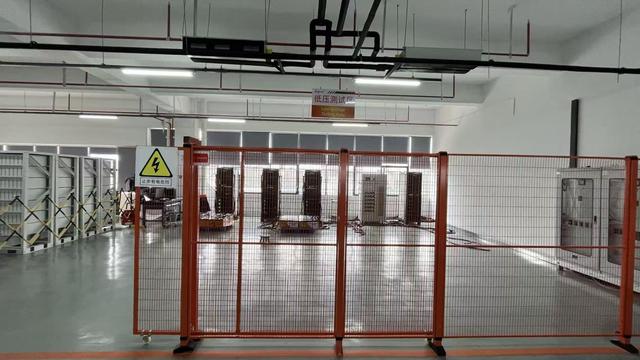
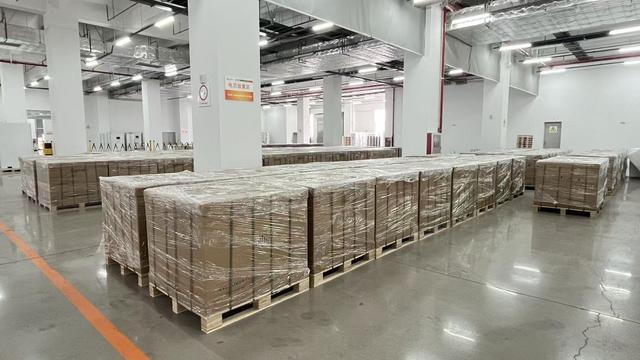
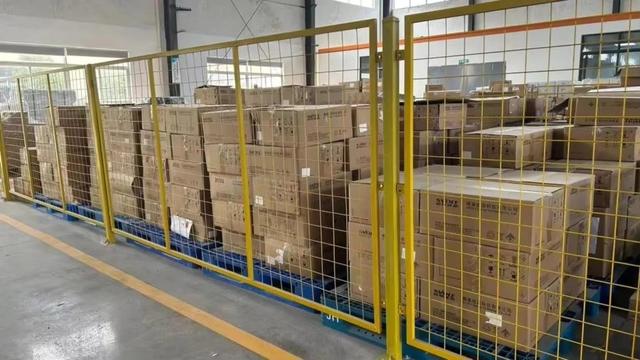
Our modern manufacturing facility is equipped with automated production lines, precision testing equipment, and strict quality management systems. Every solar module undergoes comprehensive inspections and performance testing to guarantee superior reliability, durability, and compliance with international standards. We are committed to providing products that meet the evolving demands of the global renewable energy market.
To better serve international customers, Halkirk Solar offers flexible OEM and ODM services for solar brands, distributors, EPC contractors, wholesalers, and project developers. Our experienced engineering and technical teams work closely with clients to deliver customized solar solutions tailored to specific project requirements, market demands, and branding needs.
Driven by innovation, sustainability, and customer satisfaction, Ningbo Halkirk Solar Co., Ltd. continues to expand its presence in global markets. We strive to become a trusted partner in the photovoltaic industry by providing high-quality solar modules and comprehensive clean energy solutions that contribute to a greener and more sustainable future.
Answers to engineering, certification, and logistics questions commonly raised by Canadian distributors and project engineers.
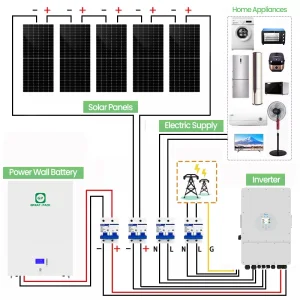
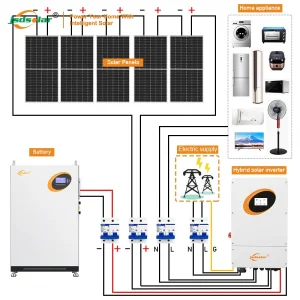
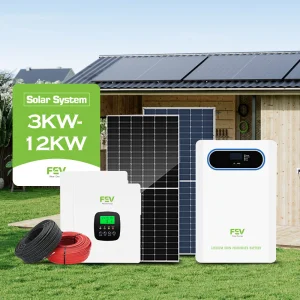
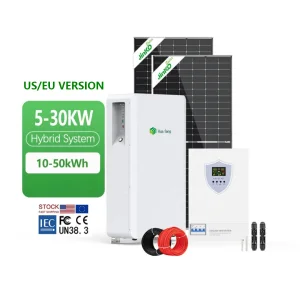
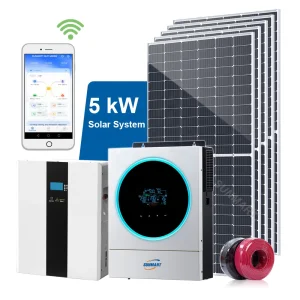
Choose from our factory-tested monocrystalline kits, hybrid controllers, and integrated off-grid energy storage packages.
Partner with Ningbo Halkirk Solar Co., Ltd. for reliable product engineering, certified manufacturing safety, and custom OEM/ODM configurations.
Send Inquiry Now Halkirk Solar