Engineered to endure extreme wind loads, high coastal humidity, and maximize efficiency in low-irradiance conditions across South Korea.
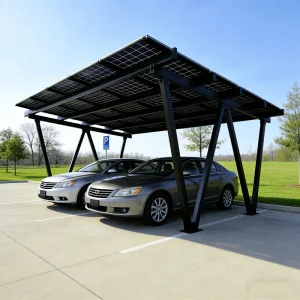
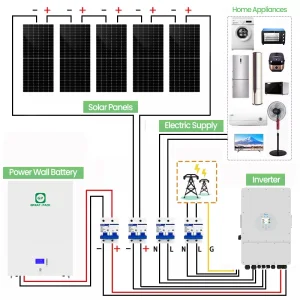
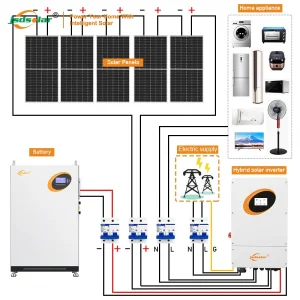
South Korea’s geographical and industrial landscape presents highly distinct challenges for energy deployment. As a nation aiming for carbon neutrality by 2050, and facing structural shifts due to the RE100 initiative, the local demand for decentralized energy infrastructure is surging. Although the mainland boasts an advanced, highly integrated grid operated by KEPCO, industrial sectors and regional municipalities are confronting key vulnerabilities: high grid-dependency costs during peak hours, islanded power grids in coastal archipelagos, and strict environmental constraints in mountainous agricultural areas.
More than 70% of South Korea's terrain is mountainous, and its coastlines are dotted with over 3,000 islands. Historically, these remote territories (such as Gyeongsang and Jeolla coastal islands, and deep Gangwon mountain valleys) have relied heavily on expensive, high-carbon diesel generators. Today, the economic burden of fuel transport combined with strict emission standards has made diesel-based power untenable. Off-grid solar photovoltaic (PV) installations, combined with heavy-duty Lithium Iron Phosphate (LiFePO4) Energy Storage Systems (ESS), represent the primary technological solution to establish energetic sovereignty.
Furthermore, South Korean smart agriculture—particularly in Gyeonggi-do and Jeolla-do—requires reliable, uninterruptible power systems to feed precision control automation, automated irrigation, and LED grow lamps. Any grid fluctuation or power outage can cause massive crop failure. This has positioned agricultural microgrids as a core sector for off-grid PV integration, utilizing dual-use agrivoltaics and rugged off-grid kits.
Sourcing solar panels for Korea requires deep attention to local weather patterns. Heavy monsoons, high humidity, salt-spray erosion along the Yellow Sea and East Sea, and severe typhoons carrying wind speeds of up to 60 m/s (such as Typhoon Hinnamnor) call for extreme structural durability. Industrial buyers must secure panels featuring:
Global EPC (Engineering, Procurement, and Construction) companies and industrial solar distributors demand more than simple assembly line outputs. High-value engineering requires reliable delivery timelines, transparent material tracing, and verified compliance certificates (CE, TUV, IEC, ISO).
By partnering with Ningbo Halkirk Solar Co., Ltd., global buyers achieve high supply chain resilience. Utilizing our proximity to Ningbo port—the world's busiest cargo hub—we offer streamlined logistics straight to Busan, Gwangyang, and Incheon ports. Our streamlined logistics significantly lower lead times and reduce transit risk, ensuring project milestones are met on budget and on schedule.
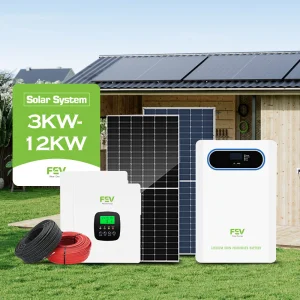
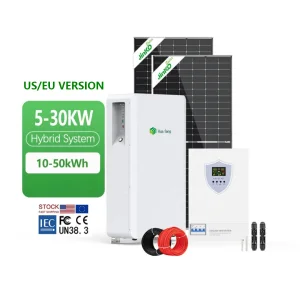
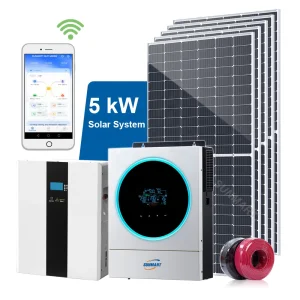
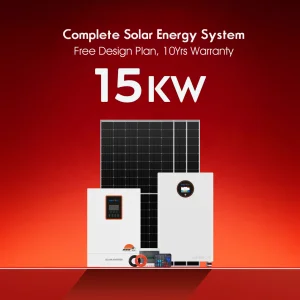
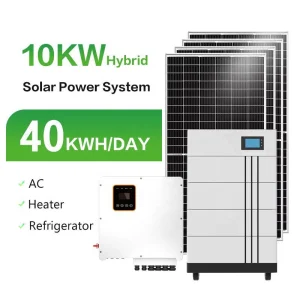
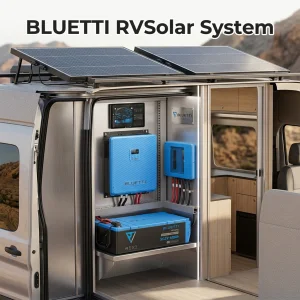
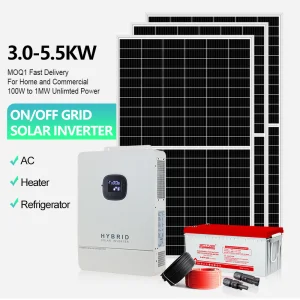
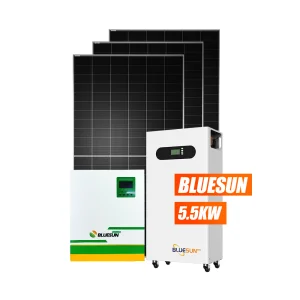
Fully integrated off-grid energy storage kits built for long-duration operation and minimal maintenance in isolated settings.
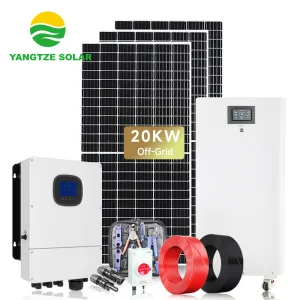
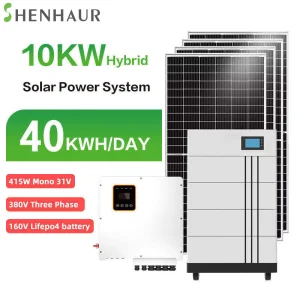
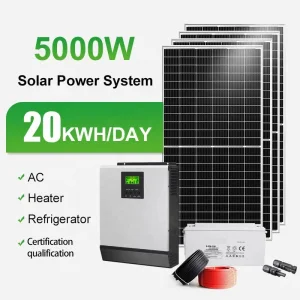
Ningbo Halkirk Solar Co., Ltd. is a professional China solar panel manufacturer and monocrystalline & bifacial solar module supplier, dedicated to delivering high-efficiency renewable energy solutions to customers worldwide. Located in Ningbo, China, the company integrates research and development, manufacturing, quality control, and global sales to provide reliable solar products for residential, commercial, industrial, and utility-scale applications.
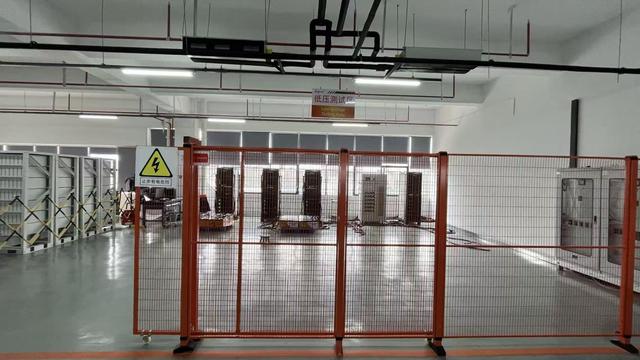
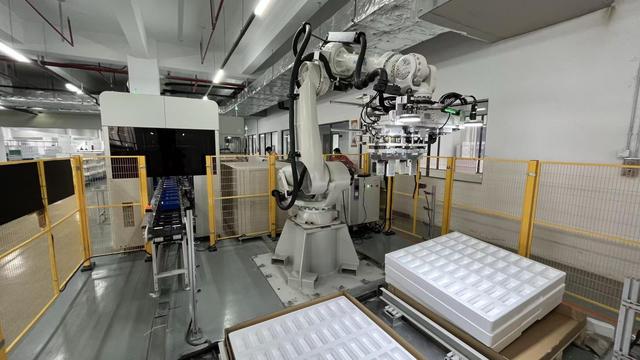
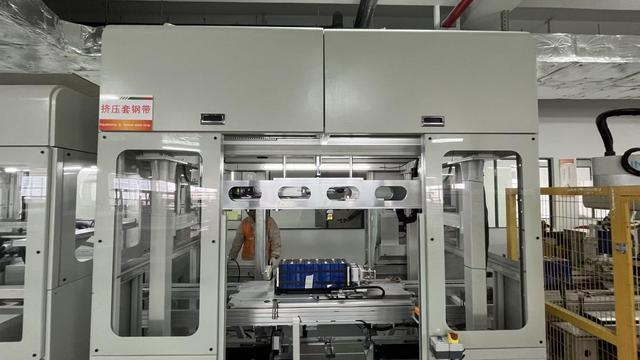
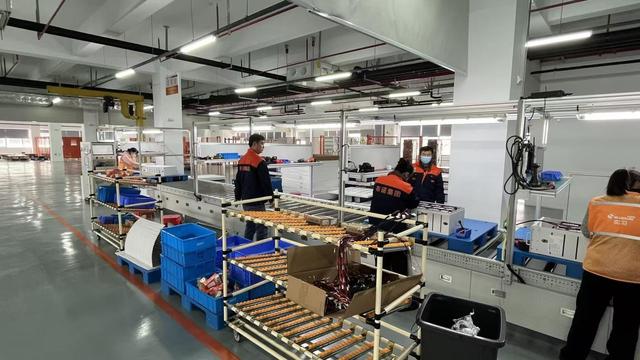
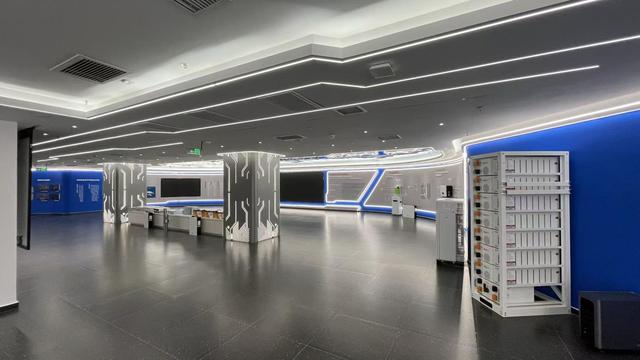
Our state-of-the-art production facility incorporates advanced cell technology (TOPCon, N-Type, and Mono-PERC) and intelligent manufacturing processes. Designed to maximize energy output, improve conversion efficiency, and ensure long-term performance in diverse environmental conditions, our facility features:
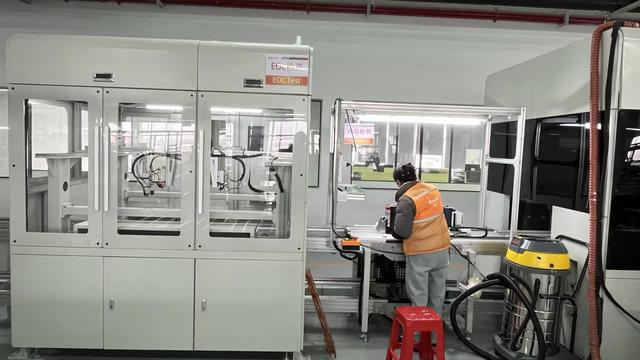
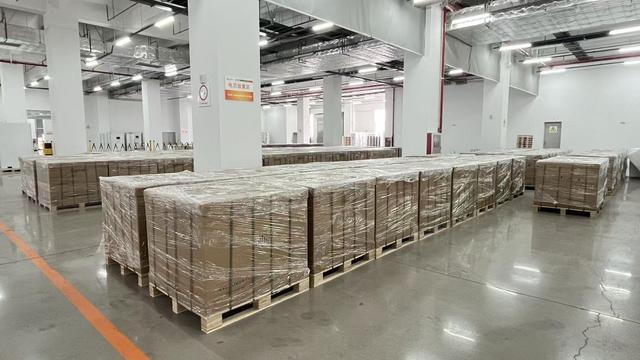
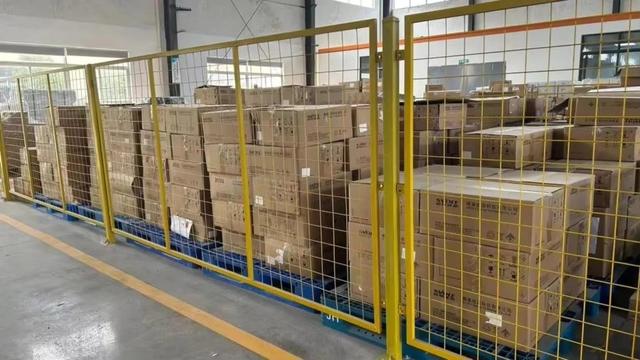
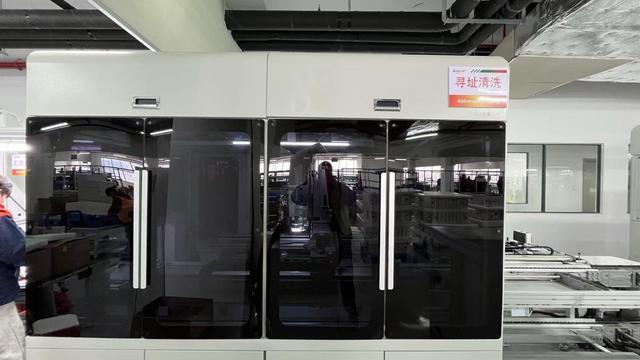
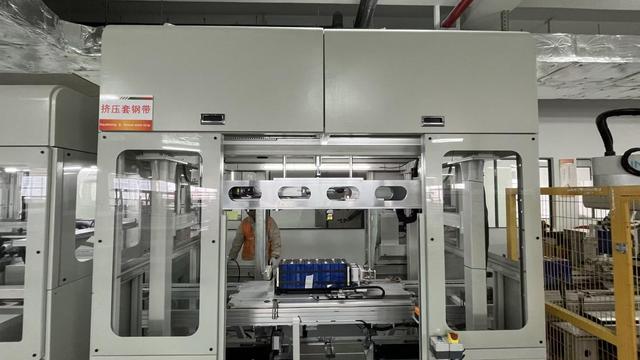
Halkirk Solar custom engineering caters to various core domestic scenarios inside South Korea:
Replacing aging diesel generator systems with off-grid monocrystalline/bifacial PV arrays + industrial LiFePO4 battery banks. These supply highly stable power to local households, cold storage facilities, and small coastal fishing communities.
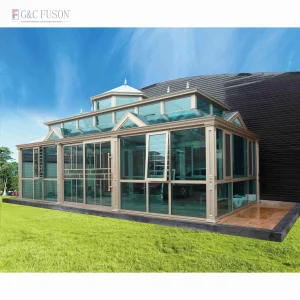
Powering advanced greenhouses without drawing heavy load from rural grid networks. Agrivoltaic systems allow double land utilization: high-tech agricultural growth underneath, and clean electricity generation above.
Powering telecommunication base stations, meteorological monitoring systems, and mountain resorts. Features reinforced structures to withstand sub-zero winters, heavy snow heaps, and limited direct sunlight.
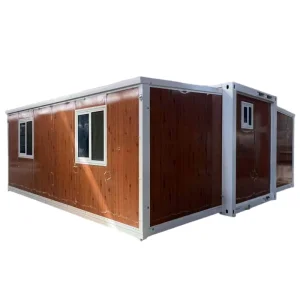
Expandable, weather-resistant, and high-efficiency systems for commercial, industrial, and smart household energy independence.
Get answers to key procurement, installation, and performance questions regarding off-grid solar panels in Korea.
Ready to deploy a high-efficiency off-grid solar microgrid or custom C&I carport structure in Korea? Speak with our Senior PV Project Engineers to receive technical drawings, container quotes, and performance simulations.
 Halkirk Solar